









What Are the Key Factors Shaping the Faucet Supply Chain in 2026?
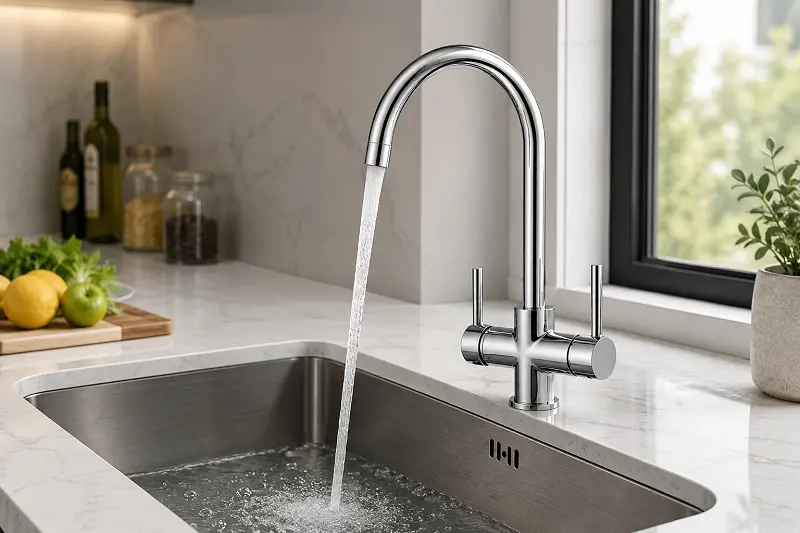
Evolving market demands, technological innovation, and sustainability pressures greatly influence the faucet supply chain in 2026. The global faucet market size, estimated at USD 23.28 billion in 2024, is projected to reach USD 36.69 billion by 2030. This growth reflects rising consumer interest in modern products like the basin faucet, kitchen faucet, and OEM faucet. Companies increasingly focus on eco-friendly solutions, driven by consumer awareness and regulatory standards.
Key Takeaways
- The faucet market is expected to grow significantly, reaching USD 36.69 billion by 2030, driven by urbanization and consumer demand for modern products.
- Consumers increasingly prefer smart faucets with features like touchless operation and water-saving technologies, pushing manufacturers to adapt their offerings.
- Sustainability is crucial; manufacturers must comply with water conservation standards and embrace eco-friendly practices to meet consumer expectations.
Market Trends Impacting the Faucet Supply Chain
Global Demand Fluctuations
The faucet supply chain faces significant fluctuations in global demand. Recent data indicates a year-over-year decline in world exports of household products, particularly in the construction goods sector, which includes faucets. Exports for faucets and valves have dropped by approximately 3.1% compared to the fourth quarter of 2022. This decline reflects broader trends affecting various sectors, including a notable decrease of over 19 percentage points in the sanitaryware and bathroom products sector. Despite these challenges, the global faucet market is projected to grow from USD 31.03 billion in 2024 to USD 58.30 billion by 2033, indicating a compound annual growth rate (CAGR) of 6.51% from 2025 to 2033. This growth is driven by increasing urbanization and technological advancements that reshape consumer preferences.
Urbanization and Construction Growth
Urbanization plays a crucial role in shaping the faucet supply chain. Rapid urbanization, especially in emerging economies like China, India, and Brazil, drives construction activities. By 2050, nearly 68% of the global population is expected to reside in urban areas, leading to heightened demand for housing and infrastructure. This urban growth significantly boosts the need for modern faucets in residential, commercial, and hospitality sectors. Countries such as Mexico, the Philippines, and India are experiencing the highest percentage growth in construction and urbanization. As a result, the demand for faucets in new builds and renovations continues to surge.
Regional Supply Chain Shifts
Regional shifts in the faucet supply chain arise from several factors. Increasing urbanization and residential development lead to a surge in housing demand, driving the need for faucets. Additionally, there is a rising focus on water conservation and eco-friendly products. Consumers increasingly seek faucets with water-saving technologies due to environmental concerns and regulations promoting sustainable solutions. Technological advancements also influence consumer preferences, with smart faucets integrating seamlessly into home automation systems. These trends highlight the dynamic nature of the faucet supply chain and the necessity for manufacturers to adapt to changing market conditions.
Consumer Behavior in the Faucet Supply Chain
Preference for Smart Faucets
Consumers increasingly prefer smart faucets that offer convenience, hygiene, and efficiency. Many buyers look for features that simplify daily use and improve water management. For example, touchless operation reduces the need to touch handles, which helps maintain cleanliness. Temperature control allows users to set their preferred water temperature quickly. Voice activation adds hands-free convenience, especially useful when multitasking in the kitchen or bathroom. Water-saving technologies appeal to environmentally conscious consumers who want to reduce water waste.
| Key Features | Description |
|---|---|
| Touchless Operation | Reduces contact, enhancing hygiene and convenience. |
| Temperature Control | Allows users to set preferred water temperatures easily. |
| Voice Activation | Enables hands-free operation, adding to convenience. |
| Water-Saving Technologies | Helps in conserving water, appealing to environmentally conscious consumers. |
These features drive demand for smart faucets and influence how manufacturers and suppliers adjust the faucet supply chain to meet evolving consumer expectations.
Demand for Customization
Consumers want faucets that match their personal style and specific needs. Customization options include finishes, shapes, sizes, and functionalities. Buyers often seek faucets that complement their bathroom or kitchen décor, such as brushed nickel, chrome, or matte black finishes. Some customers prefer faucets designed for easy installation on different surfaces like glass or wood. Offering OEM and ODM services allows manufacturers to provide tailored products that satisfy diverse market demands. This trend pushes the faucet supply chain to become more flexible and responsive to individual preferences.
Focus on Water Efficiency
Water efficiency remains a top priority for many consumers. Growing awareness of environmental issues and rising water costs motivate buyers to choose faucets that conserve water without sacrificing performance. Faucets with aerators, flow restrictors, and smart sensors help reduce water consumption. Governments and regulatory bodies also encourage water-saving products through standards and certifications. Manufacturers must ensure their products comply with these regulations to maintain market access. The faucet supply chain adapts by sourcing materials and technologies that support sustainability goals while meeting consumer demand for efficient water use.
Technological Advancements in the Faucet Supply Chain
-61df93769e5f4861be7a245d502269a0.jpg)
Automation in Manufacturing
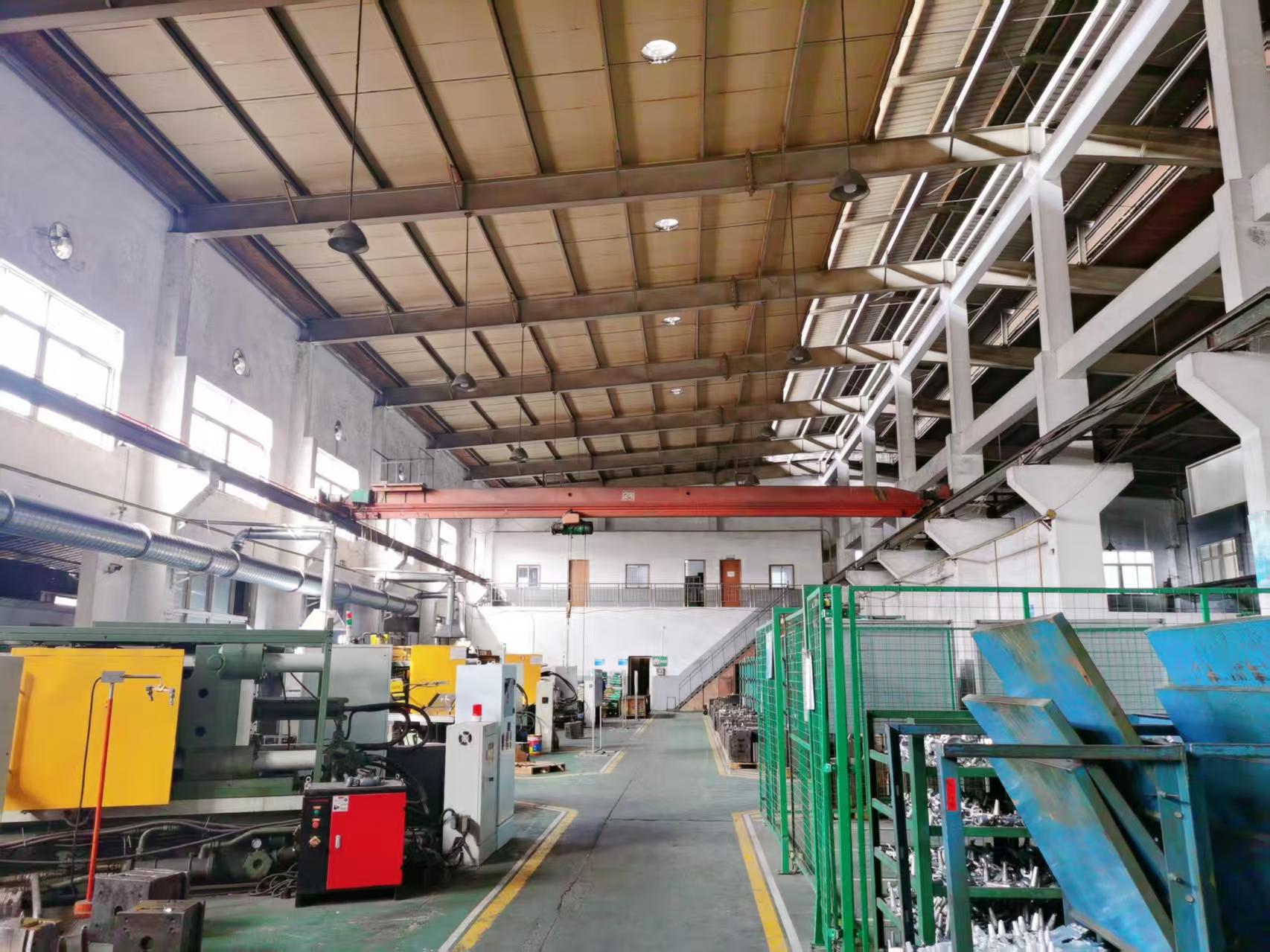
Automation significantly enhances efficiency in faucet manufacturing. High-precision die-casting machines allow for the production of tap bodies with reduced dimensional tolerances and impeccable surface finishes. These advancements enable manufacturers to create complex geometries and innovative shapes in faucet design. Automation reduces cycle times and material waste, leading to increased productivity. The integration of automatic tool changers streamlines the production process by minimizing setup and programming time. This technology allows machines to interconnect directly, eliminating the need for human intervention.
| Advancement | Description |
|---|---|
| High-precision die-casting machines | Enable production of tap bodies with reduced dimensional tolerances and impeccable surface finishes. |
| Design freedom | Allow for complex geometries and innovative shapes in faucet design. |
| Production efficiency | Automation reduces cycle times and material waste, increasing overall productivity. |
| Environmental sustainability | Use of recycled materials and low-impact processes contribute to sustainable manufacturing practices. |
IoT for Supply Chain Visibility
The Internet of Things (IoT) plays a crucial role in enhancing supply chain visibility for faucet manufacturers. IoT enables real-time data exchange, allowing manufacturers to track inventory, shipments, and production processes effectively. By integrating various digital sources, manufacturers can manage supply chain components better. Leveraging big data and analytics alongside IoT helps optimize operations and improve delivery times.
| Evidence Description | Role in Supply Chain Visibility |
|---|---|
| IoT enables real-time data exchange and insights. | This allows faucet manufacturers to track inventory, shipments, and production processes more effectively. |
| Integration of various digital sources through IoT. | Facilitates better tracking and management of supply chain components, enhancing overall visibility. |
| Leveraging big data and analytics alongside IoT. | Manufacturers can utilize massive amounts of information to optimize supply chain operations and improve delivery times. |
Advanced Materials and Coatings
Innovations in materials and coatings enhance the durability and sustainability of faucets. Zinc Alloys provide brass-equivalent durability while offering cost efficiency and significant material savings. PVD coatings improve hardness, water tightness, and wear resistance, making faucets more resilient. These coatings are available in various colors and finishes, appealing to diverse consumer preferences. The eco-friendly process of applying PVD coatings generates no harmful emissions or waste, aligning with sustainability goals.
| Material/Coating | Benefits | Sustainability |
|---|---|---|
| Zinc Alloys | Brass-equivalent durability, cost efficiency, 35% material savings | 100% recyclable, lower CO₂ footprint |
| PVD Coatings | Scratch-resistant, longer-lasting, hypoallergenic | Lower environmental impact, no chemical disposal required |
Environmental and Regulatory Influences
Compliance with Water Conservation Standards
Manufacturers must comply with various water conservation standards to remain competitive. Faucets designed to limit water flow to less than 6 liters per minute are now common. Shower heads often cap at 9 liters per minute. Products certified by WaterSense from the EPA save about 20% more water than standard models. Additionally, ISO 14001 certification ensures manufacturers adopt sustainable environmental management practices. Governments also incentivize water-saving installations, offering up to 1,000 euros for fitting water-efficient faucets.
Circular Economy Practices
The faucet supply chain increasingly embraces circular economy practices. Companies like I Crolla produce faucets with a reduced water flow rate of 6L/min, saving over 40% of water compared to traditional mixers. They utilize Energy Saving cartridges that optimize water usage. Furthermore, I Crolla emphasizes full recyclability in packaging and harnesses renewable energy from solar panels. A project led by Metallurgica San Marco, recognized by Regione Lombardia, focuses on sustainable practices in the brass supply chain. This initiative promotes collaboration among stakeholders to enhance innovation and sustainability.
| Evidence | Description |
|---|---|
| Project Leader | Metallurgica San Marco leads a project recognized by Regione Lombardia for developing sustainable practices in the brass supply chain. |
| Collaboration | The project involves multiple stakeholders, including the University of Brescia and various companies, focusing on innovation and sustainability. |
| Areas of Focus | The project emphasizes sustainability, circularity, innovation, and technology transfer to enhance the competitive advantage of the supply chain. |
Regulations on Material Sourcing
Regulations significantly impact material sourcing for faucet manufacturing. The European Union's Directive 2020/2184 focuses on lead reduction and safety for materials in contact with drinking water. Starting January 1, 2027, only alloys listed in the European positive lists can be used for components intended for contact with drinking water. This shift promotes the use of low-lead or lead-free materials, influencing the cost and availability of faucet components.
| Evidence Type | Description |
|---|---|
| Regulatory Change | New EU regulations on lead reduction necessitate a transition to low-lead or lead-free alloys. |
| Cost Impact | This transition may lead to increased costs due to longer processing times and investments in production strategies. |
| Material Shift | There is a potential shift from brass to stainless steel in faucet components due to these regulations. |
Challenges in the Faucet Supply Chain
Raw Material Shortages
The faucet supply chain faces significant challengesdue to raw material shortages. Many manufacturers rely on metals like brass and Zinc Alloys. Global demand for these materials often exceeds supply, leading to increased prices. This situation forces manufacturers to seek alternative materials or adjust their production processes.
Tip: Companies should consider diversifying their supplier base to mitigate risks associated with material shortages.
Logistics Disruptions
Logistics disruptions also impact the faucet supply chain. Factors such as port congestion, transportation delays, and rising fuel costs create hurdles for manufacturers. These disruptions can lead to longer lead times and increased costs for both manufacturers and consumers.
| Challenge | Impact on Supply Chain |
|---|---|
| Port Congestion | Delays in shipping and receiving materials |
| Transportation Delays | Increased lead times for product delivery |
| Rising Fuel Costs | Higher transportation expenses |
Strategies for Resilience
To navigate these challenges, manufacturers must adopt strategies for resilience. They can invest in technology to enhance supply chain visibility. This investment allows for better tracking of materials and shipments. Additionally, companies should build strong relationships with suppliers. These relationships can foster collaboration and improve communication during crises.
Note: Implementing flexible manufacturing processes can also help companies adapt quickly to changing market conditions.
By addressing these challenges proactively, stakeholders in the faucet supply chain can better position themselves for future success.
The faucet supply chain in 2026 will undergo significant changes. Market dynamics, consumer demands, technology, and sustainability will shape its future. Stakeholders must embrace innovation and enhance transparency. They should prioritize environmental responsibility. Proactive risk management and strategic planning will help navigate challenges and seize opportunities.
FAQ
What are the main factors influencing the faucet supply chain in 2026?
Market dynamics, consumer preferences, technological advancements, and sustainability pressures shape the faucet supply chain.
How does urbanization affect faucet demand?
Urbanization increases housing and infrastructure needs, driving higher demand for modern faucets in residential and commercial sectors.
Why is water efficiency important for consumers?
Water efficiency helps reduce waste and lower utility bills, aligning with growing environmental awareness and regulatory standards.