


Introduction
University dormitories use large amounts of water every day, and outdated Bathroom Fittings often drive that consumption higher than necessary. Replacing high-flow faucets, showerheads, and other fixtures with water-saving models offers a practical way to cut utility costs, reduce waste, and support campus sustainability goals without changing student routines. This article explains why these upgrades matter, which fittings deliver the biggest savings, and how facility teams can implement them effectively in residence halls.
Why Universities Should Upgrade Bathroom Fittings
When we talk about green campuses, solar panels and recycling programs usually steal the spotlight. But if you want to see an immediate, massive impact on a university's environmental footprint, I always point facility managers straight to the residence halls. Upgrading Bathroom Fittings in dormitories is one of the fastest, most cost-effective ways to slash utility costs and hit institutional sustainability targets.
Think about it: a standard dorm houses hundreds of students, all taking daily showers, brushing their teeth, and using the facilities. Because students don't pay individual utility bills, there is zero financial incentive for them to conserve water. The volume used is absolutely staggering. By swapping out outdated hardware, we can make a serious dent in consumption on the backend without asking students to radically change their daily habits.
How Water-Saving Fittings Reduce Dormitory Use
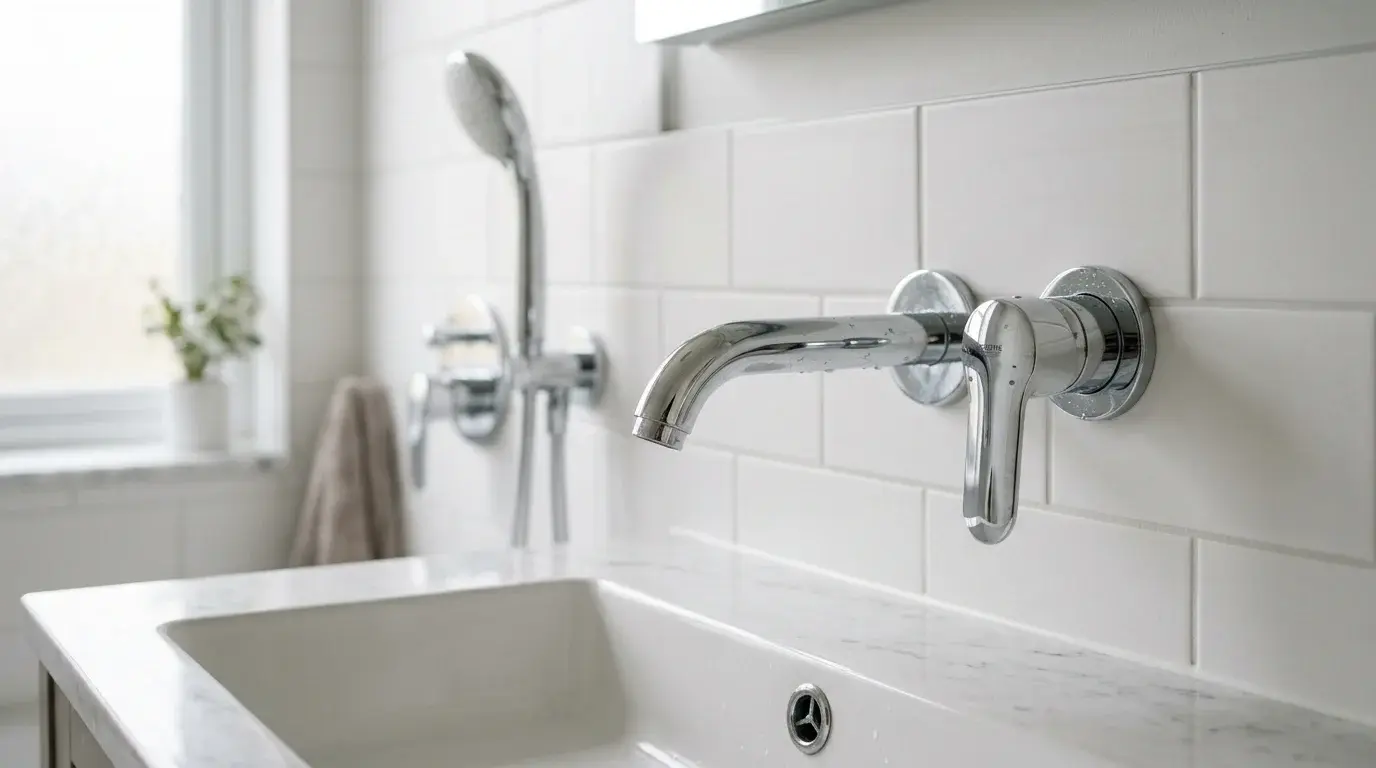
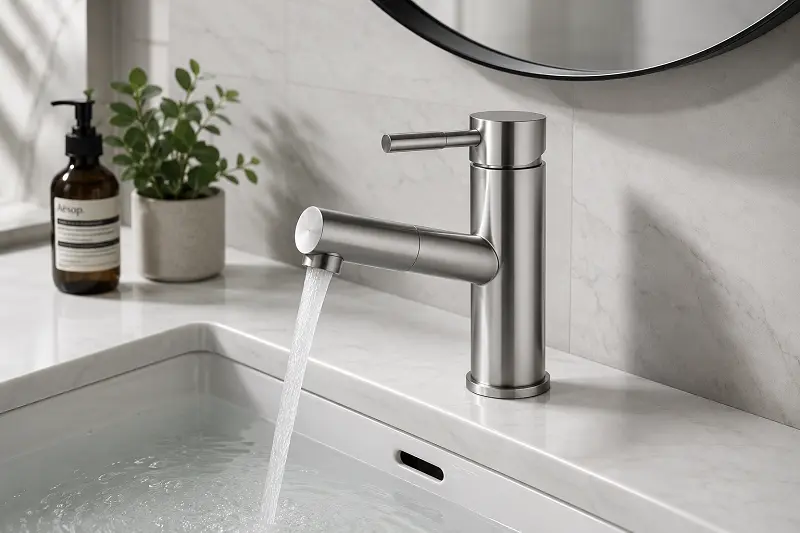
The math behind the savings is surprisingly straightforward. Older residence halls often rely on legacy fixtures that pump out water at maximum allowable rates—sometimes up to 2.5 gallons per minute (GPM) for showers and 2.2 GPM for sinks. By installing modern [Water-Saving faucets](https://www.huazhuprecision.com/products/) and high-efficiency aerators, we can drop that flow rate down to 1.5 GPM for showers and a mere 0.5 GPM for restroom sinks.
That simple switch equates to a 30% to 40% reduction in water usage right at the tap. Multiply that by 500 students in a single building, each using the bathroom multiple times a day, and you are looking at millions of gallons saved per academic year. Furthermore, we can't forget the energy side of the equation; reducing hot water flow significantly lowers the energy load required by the building's boilers.
Why Dormitories Need Different Fixtures
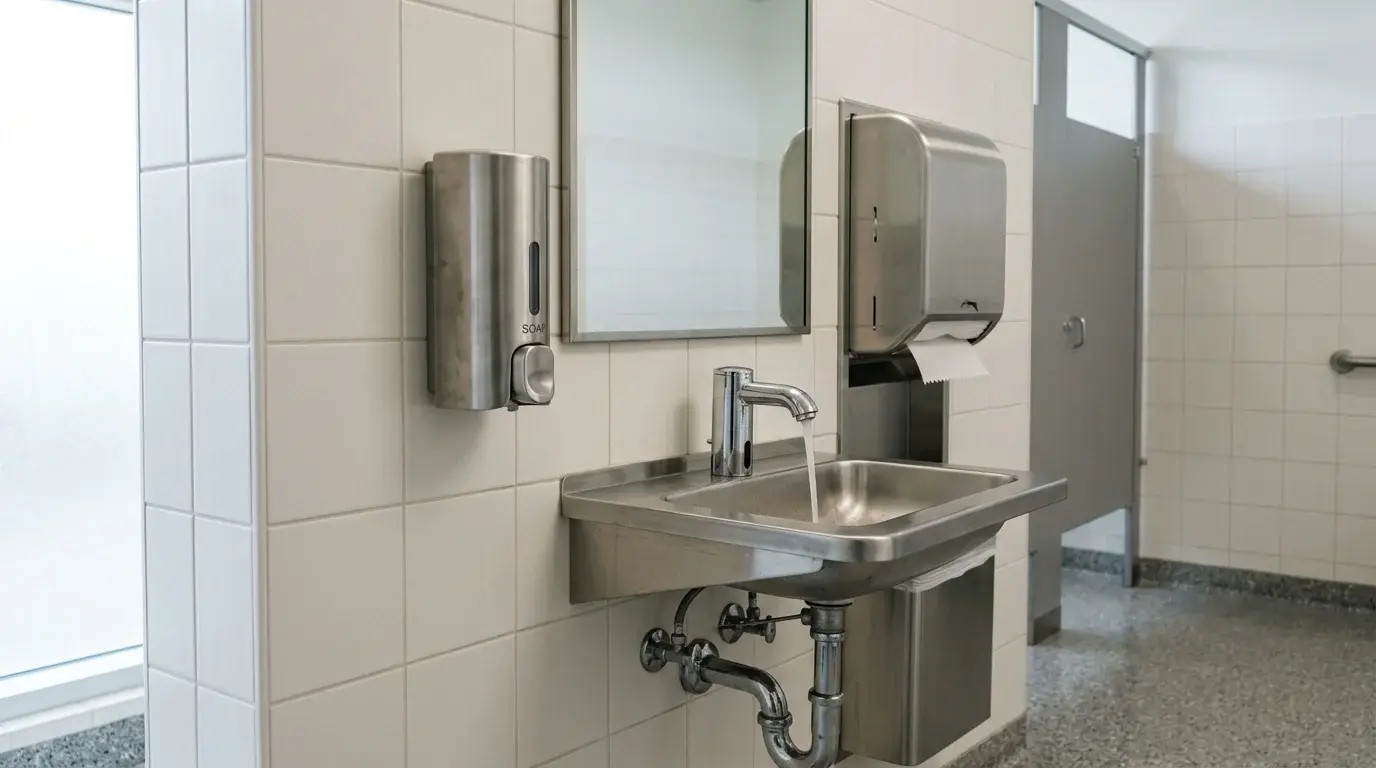
You might be wondering why we can't just use standard residential fixtures from a local big-box hardware store to achieve these savings. Dorms are a completely different beast. They experience extreme, continuous wear and tear, high frequency of use, and, let's be honest, occasional vandalism from late-night student antics.
We absolutely need Sustainable Dormitory Hardware engineered specifically for commercial abuse. That means specifying heavy-duty solid brass construction, tamper-proof aerators that require a proprietary key to remove, and durable finishes that can withstand harsh daily cleaning chemicals. A cheap plastic fixture might save a few bucks upfront, but it will inevitably fail mid-semester, causing leaks and maintenance tickets that wipe out any water savings you initially achieved.
Best Bathroom Fittings for Dormitory Water Savings
So, what exactly should we be installing? Navigating the market for commercial Bathroom Fittings can feel overwhelming, but prioritizing the fixtures that yield the highest return on investment makes the decision much easier for procurement teams.
We want to target the primary culprits of water waste: showers and toilets. Sinks matter too, but the big volume drops happen when we tackle the high-flow, high-duration items first. Let's look at the specific hardware that moves the needle.
Which Low-Flow Fixtures Deliver the Most Savings
To get a clear picture of where our budget is best spent, let's break down the performance of standard versus high-efficiency fixtures. Upgrading to Low-Flow Shower Heads is usually step one, as showers account for nearly 30% of all indoor water use in residence halls. Pressure-compensating technology in these modern heads ensures students still get a strong spray, even at lower volumes.
Here is a quick breakdown of how standard legacy fixtures compare to modern low-flow alternatives in a typical dorm setting:
| Fixture Type | Legacy Flow Rate | High-Efficiency Rate | Est. Annual Savings (Per Fixture) |
|---|---|---|---|
| Showerhead | 2.5 GPM | 1.5 GPM | 3,650 gallons |
| Bathroom Faucet | 2.2 GPM | 0.5 GPM | 1,200 gallons |
| Toilet (Flush) | 3.5 GPF | 1.28 GPF | 4,500 gallons |
How to Compare Performance and Cost
When comparing performance and cost, I always advise facility teams to look at the total lifecycle ROI rather than just the initial purchase order price. High-efficiency commercial Bathroom Fittings generally cost between $45 and $120 per unit, depending on the vandal-resistant features, brass content, and whether sensor technologies are included.
However, because utility rates for municipal water and sewer have been climbing steadily, the payback period is incredibly short. In most campus environments I've evaluated, the combined water and water-heating energy savings pay for the new fixtures in just 12 to 18 months. After that breakeven point, the university is essentially pocketing those utility savings year over year, freeing up the budget for other campus improvements.
How to Plan and Install Campus Bathroom Upgrades
Knowing the hardware specs is only half the battle. Actually executing a campus-wide plumbing upgrade requires tight logistics, especially when you're working around rigid academic calendars and fully occupied dorms.
I've learned the hard way that a poorly planned rollout can lead to frustrated maintenance crews, blown budgets, and disrupted student life. To avoid that chaos, we have to align our installation strategy with strict compliance standards and realistic project timelines.
How to Match Specs, Compliance, and Lifecycle Needs
First, every piece of hardware we select has to meet strict institutional and regional building codes. If your university is chasing LEED certification for its housing, replacing old units with Eco-Friendly Bathroom Fixtures that carry the EPA WaterSense label is essentially mandatory. LEED v4 requires a minimum 20% reduction in the indoor water use baseline just to qualify for prerequisite points.
Beyond sustainability points, you have to verify ADA compliance for handle operation—which requires less than 5 lbs of operational force—and ensure all mixing valves meet the ASME A112.18.1 standard for plumbing fixture fittings. Checking these compliance boxes early prevents costly tear-outs and failures during final building inspections by the fire marshal or city code enforcement.
How to Choose Retrofit vs Phased Replacement
The biggest logistical decision is whether to perform a rapid retrofit or a phased, full-scale replacement.
Key Takeaways
- The most important conclusions and rationale for Bathroom Fittings
- Specs, compliance, and risk checks worth validating before you commit
- Practical next steps and caveats readers can apply immediately
Frequently Asked Questions
Why should universities upgrade dormitory bathroom fittings?
They can quickly cut water and hot-water energy use, lower utility costs, and support campus sustainability goals without changing student behavior.
Which bathroom fittings save the most water in dorms?
Low-flow showerheads, high-efficiency faucet aerators, and low-flush toilets usually deliver the biggest savings first.
What flow rates should universities target for new fixtures?
Aim for about 1.5 GPM for showers, 0.5 GPM for sinks, and 1.28 GPF for toilets.
Why are dormitory fixtures different from residential ones?
Dorms need vandal-resistant, heavy-duty brass fixtures because they face constant use, abuse, and frequent cleaning.
How should facility teams judge fixture cost?
Compare lifecycle ROI, not just purchase price; durable low-flow fittings often pay back through reduced water, energy, and maintenance costs.