
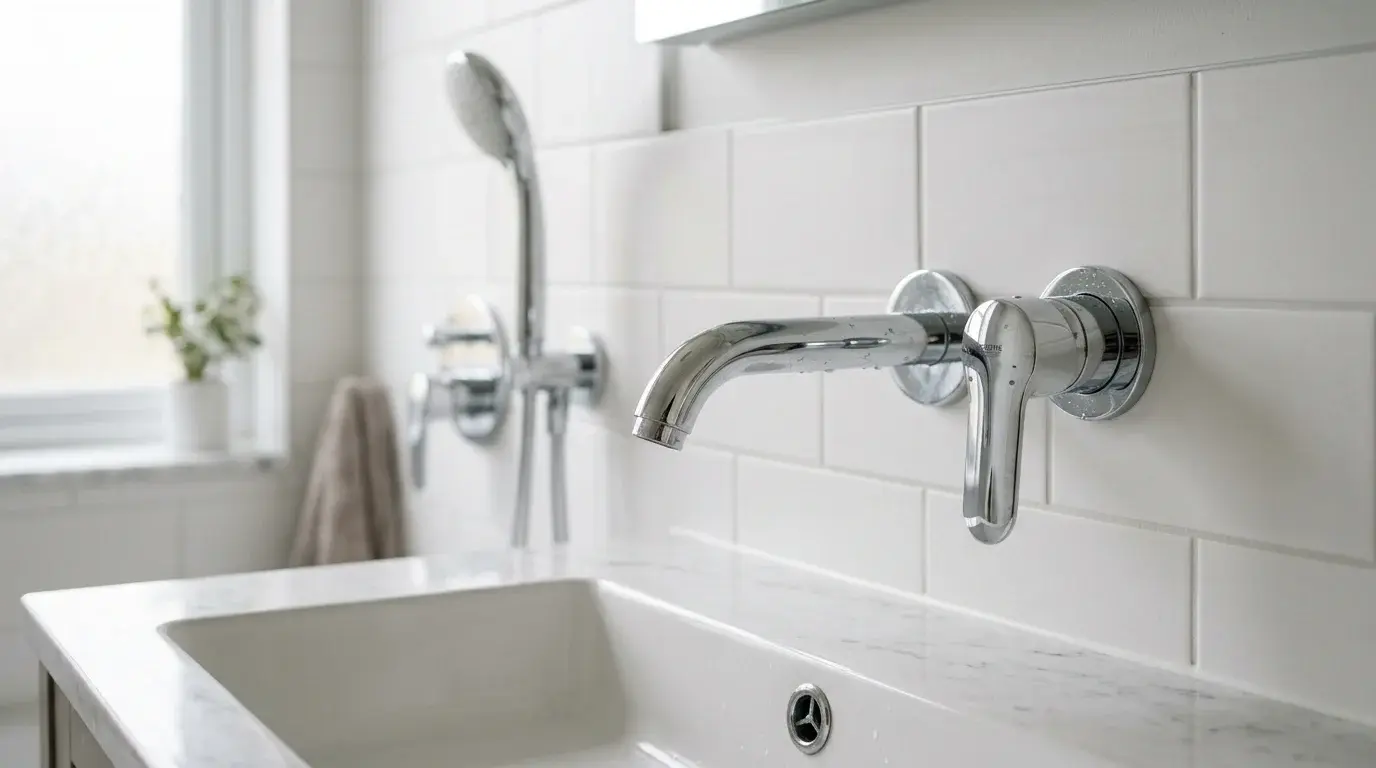
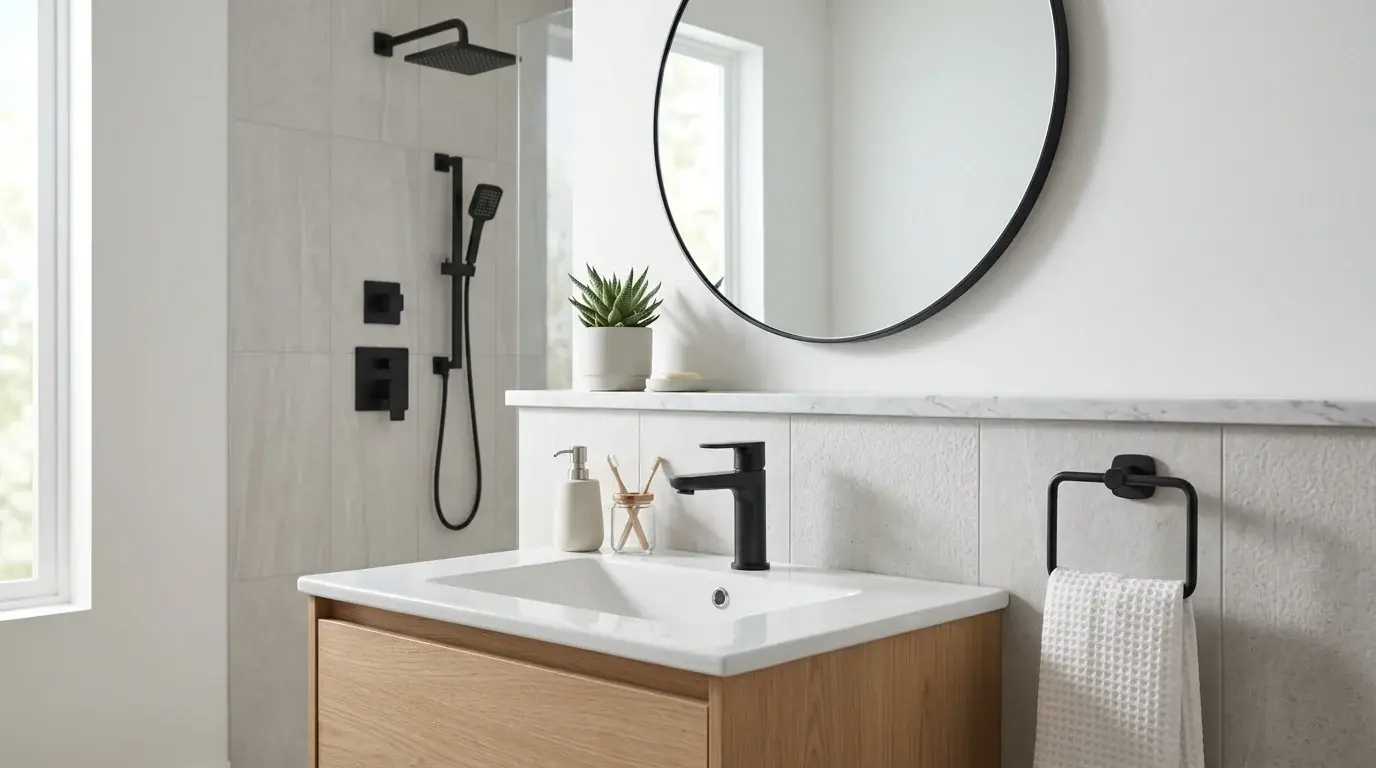
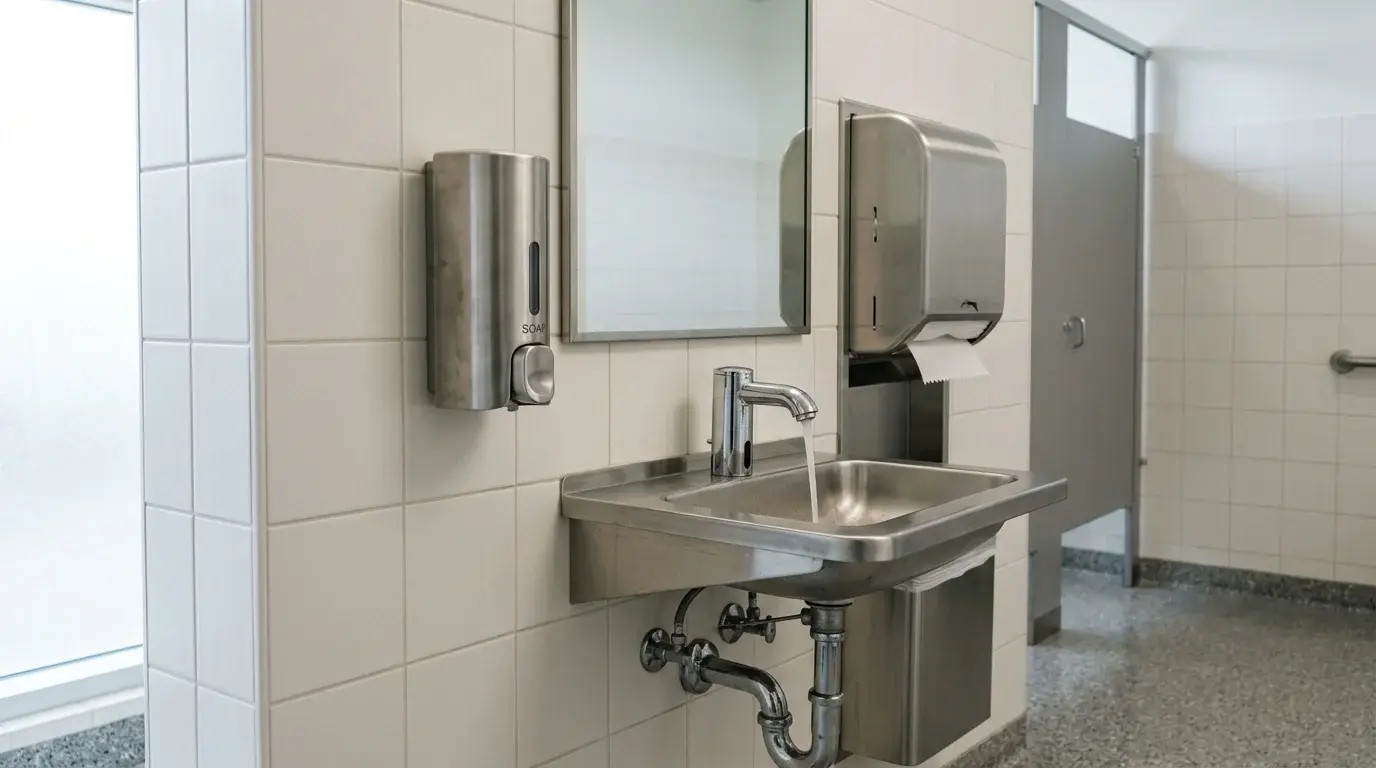


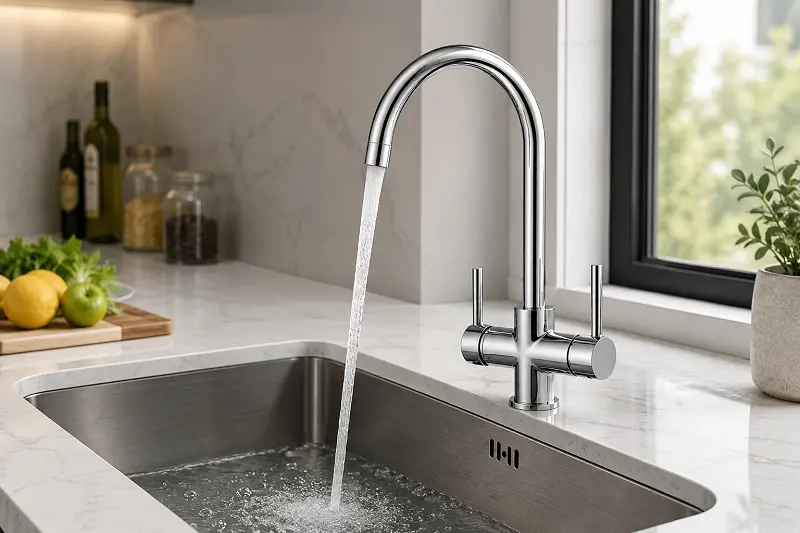
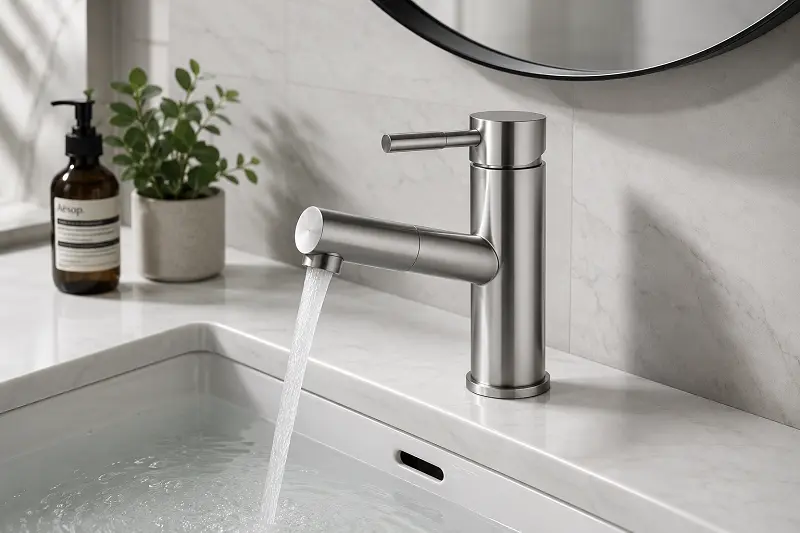
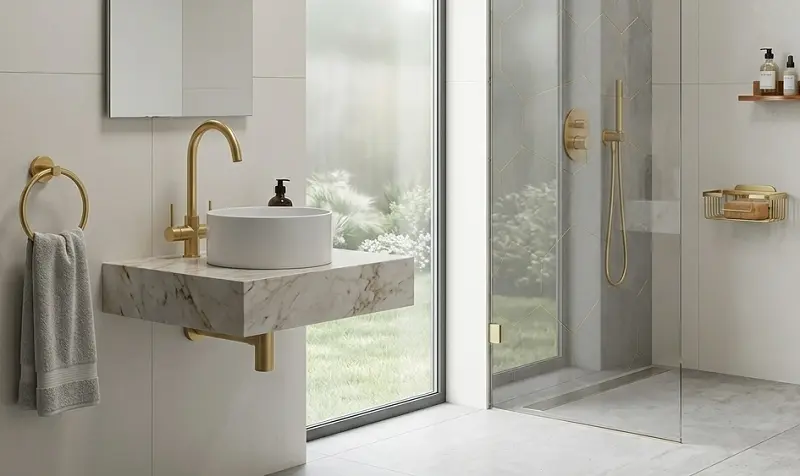
- Smart Basin Faucets are becoming popular because homeowners want cleaner, more efficient, and more connected bathrooms.
- Touchless control, temperature memory, and water-saving sensors help improve daily comfort.
- High-quality manufacturing matters because smart faucet parts must remain durable under frequent use.
- Buyers should compare product design, material quality, and supplier reliability before choosing a Basin Faucet.
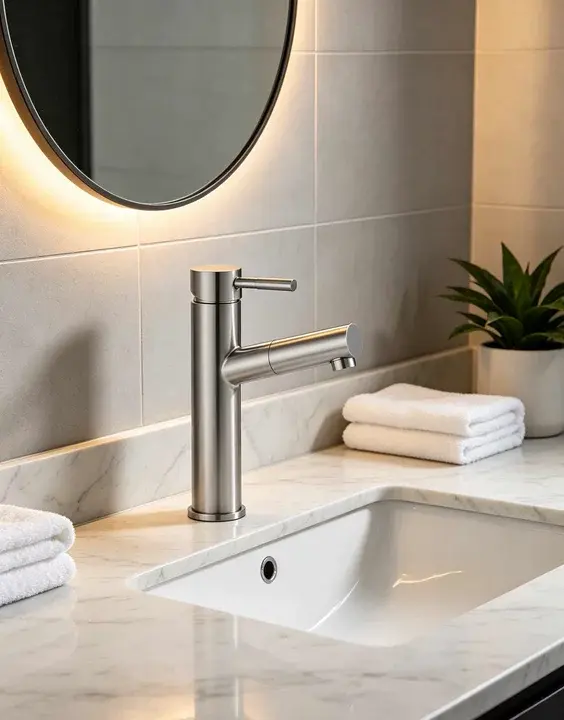
Smart basin faucetsare rising because modern homes are becoming digitally integrated, and bathrooms are no longer treated as purely functional spaces. A Basin Faucet now supports touchless operation, controlled water flow, temperature stability, and improved hygiene. These features matter because families, hotels, and commercial buildings want convenience while reducing waste. As connected living expands, the faucet becomes part of a broader smart environment, working alongside mirrors, lighting, sensors, and water systems. For manufacturers and buyers, this shift means that design, precision casting, surface finishing, and long-term reliability are more important than ever.
The traditional Basin Faucet focused mainly on water delivery, but the smart version adds a new layer of control. Motion sensors can reduce unnecessary contact, while flow regulators can support more responsible water use. Because users expect faster, cleaner, and more predictable bathroom experiences, therefore smart faucet technology is moving from premium projects into everyday residential and commercial spaces.
This trend also changes how buyers evaluate suppliers. A smart Basin Faucet is not only judged by its appearance. It must combinestable internal structure, corrosion-resistant surfaces, accurate component fit, and dependable performance. Companies looking for faucet-related hardware can explore the product range at HZ Die Casting products to understand how precision manufacturing supports modern bathroom applications.
Several forces are driving this market change:
- Consumers are choosing touchless faucets because they help reduce direct hand contact in shared bathrooms.
- Property developers are adopting smart fixtures because they make bathrooms feel more advanced and efficient.
- Water-conscious households are selecting sensor-based faucets because they can help control unnecessary flow.
- Design-focused buyers are demanding better finishes because the faucet has become a visible part of interior style.
Because digital home integration depends on reliable physical components, therefore the quality of casting, machining, and finishing directly affects the user experience. To learn more about supplier capability, buyers can visit the about page. For project discussions or custom requirements, they can also use the contact page.
Part 2: Market Overview, Statistics, and Industry Data
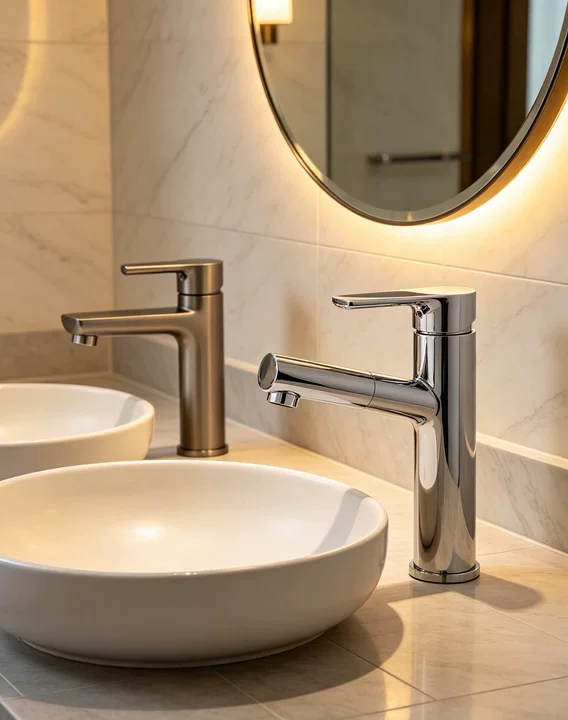
The smart Basin Faucet market is expanding as homeowners connect bathrooms to broader digital home systems. According to Grand View Research, the global smart home market was valued at USD 101.07 billion in 2023 and is expected to grow at a 27.3% CAGR from 2024 to 2030. This growth matters forfaucet manufacturers because connected lighting, voice assistants, sensors, and water controls are increasingly purchased as one ecosystem rather than as isolated devices.
Demand is also supported by water-efficiency pressure. The U.S. EPA WaterSense program reports that household leaks can waste nearly 10,000 gallons of water per home per year. Because smart Basin Faucets can reduce unnecessary flow through touchless activation, timed shutoff, and usage monitoring, therefore they fit both sustainability goals and household cost-control priorities.
| Market Driver | Impact on Basin Faucet Demand | Industry Signal |
|---|---|---|
| Smart home adoption is rising. | Consumers are more willing to buy app-enabled and sensor-based faucets. | Grand View Research reports strong smart home CAGR through 2030. |
| Water efficiency is becoming a purchase priority. | Automatic shutoff and low-flow control increase product appeal. | EPA WaterSense highlights significant household water waste from leaks. |
| Hospitality and commercial hygiene standards are higher. | Touchless Basin Faucet models are preferred in shared washrooms. | Facility managers are investing in sensor fixtures to reduce contact points. |
Consumer behavior data reinforces the same direction. Statista projects global smart home revenue at approximately USD 154.4 billion in 2024, showing that connected devices are moving into mainstream purchasing. Because bathrooms are used multiple times daily and water use is easy to measure, therefore the Basin Faucet becomes a practical entry point for digital home integration.
Industry adoption is not limited to luxury homes. Builders, hotels, offices, and healthcare facilities are specifying sensor faucets to support hygiene, maintenance visibility, and operational efficiency. Guidance from the U.S. Department of Energy also keeps attention on water-related energy consumption, since hot-water waste affects utility costs. As a result, smart basin faucet suppliers are competing on battery life, sensor accuracy, finish durability, voice-platform compatibility, and compliance with efficiency standards.
Part 3: Key Requirements, Standards, and Regulations for Smart Basin Faucets
As the smart Basin Faucet becomes part of connected bathrooms, compliance is no longer limited to water flow and surface finish. Manufacturers must now consider electrical safety, wireless communication, water efficiency, material safety, and regional certification pathways. A faucet with sensors, digital temperature control, LED indicators, or app connectivity may fall under multiple regulatory frameworks at the same time.
Because smart faucets combine water and low-voltage electronics, therefore electrical safety certification such as UL, ETL, CE, or CB Scheme becomes essential for market access and user protection. In North America, brands often reference UL standards or ETL certification from Intertek. For the EU, CE marking is required, while the CB Scheme helps simplify international certification by supporting mutual recognition of test results.
| Requirement Area | Common Standard or Mark | Key Focus for Smart Basin Faucet |
|---|---|---|
| Electrical Safety | UL, ETL, CB Scheme | Power supply, insulation, leakage current, sensor modules |
| EU Market Access | CE Marking | EMC, low-voltage safety, RoHS material restrictions |
| Water Efficiency | WaterSense, ASHRAE guidance | Flow rate control, water-saving performance |
| Wireless Connectivity | FCC, RED | Bluetooth, Wi-Fi, radio frequency compliance |
Water efficiency is another critical requirement. Many projects refer to plumbing codes, green building programs, and guidance from organizations such as ASHRAE. Sensor accuracy matters because false activation can waste water, while delayed response can reduce user comfort. Because commercial buildings increasingly track water and energy data, therefore a smart Basin Faucet must deliver both certified flow performance and reliable digital reporting.
Common compliance challenges include mismatched voltage adapters, uncertified wireless modules, inconsistent flow rates across water pressures, and materials that fail lead-free or RoHS requirements. Another frequent issue is documentation: test reports, declarations of conformity, user manuals, and labeling must match the exact product configuration. For OEM and private-label projects, even a small change in battery pack, control board, aerator, or sensor supplier may require retesting.
To reduce risk, buyers should request valid certificates, laboratory reports, component traceability, and regional compliance maps before mass production. In the digital home era, a compliant Basin Faucet is not only a functional fixture; it is a certified connected device designed for safety, efficiency, and long-term market acceptance.
The Rise of Smart Basin Faucets in the Age of Digital Home Integration
From an expert product-strategy perspective, the modern Basin Faucet is no longer a passive water outlet; it is becoming a data-aware interface in the connected bathroom. Industry signals support this shift. The U.S. EPA WaterSense program continues to emphasize flow efficiency, while NKBA market reporting highlights growing consumer interest in wellness, hygiene, and technology-led bathroom upgrades. Broader smart-home research from McKinsey and Statista also indicates that homeowners increasingly expect devices to integrate with voice assistants, apps, and automation ecosystems.
| Expert Insight | Market Meaning | Impact on Basin Faucet Design |
|---|---|---|
| Water efficiency is becoming a purchase driver | Consumers compare long-term utility savings, not just upfront price | Low-flow aerators, leak alerts, and usage tracking gain importance |
| Bathrooms are joining whole-home automation | Faucets must work with connected mirrors, lighting, and voice systems | Bluetooth, Wi-Fi, and app-based controls become differentiators |
| Premium buyers expect personalization | Comfort and convenience influence brand loyalty | Preset temperature, user profiles, and adaptive flow settings add value |
Because digital integration allows real-time monitoring of flow, leaks, and usage behavior, therefore manufacturers can shift the Basin Faucet from a decorative fixture into a measurable water-management tool. This is where the category’s future becomes especially compelling: the faucet may eventually connect with home energy dashboards, greywater systems, and predictive maintenance platforms.
Part 5: Case Studies and Real Examples
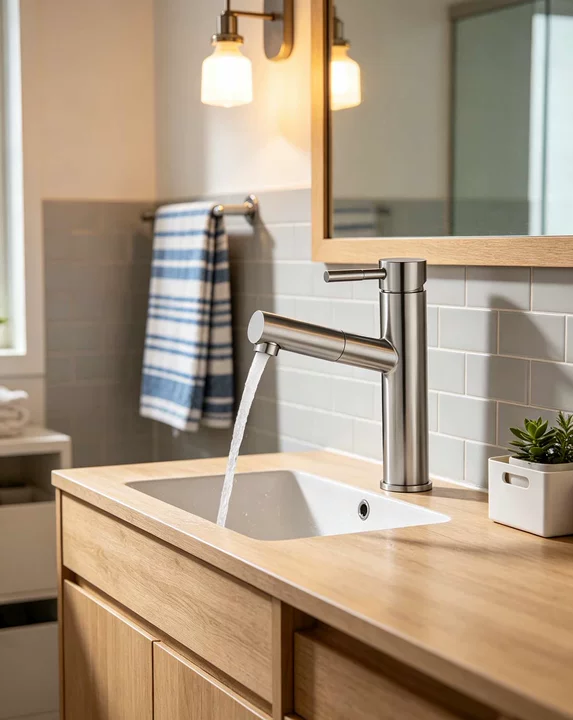
As digital home integration becomes more practical, the Basin Faucet is evolving from a basic water outlet into a connected, sensor-driven bathroom component. The following two case studies show how smart faucet upgrades can improve hygiene, reduce waste, and support premium bathroom design.
Case Study 1: Smart Hotel Bathroom Upgrade
Challenge: A 120-room boutique hotel wanted to reduce water consumption while improving guest hygiene. Traditional manual basin faucets were causing inconsistent flow control, higher maintenance calls, and visible water stains around the sink area.
Solution: The hotel replaced manual units with sensor-based smart basin faucets featuring automatic shutoff, aerated flow, and corrosion-resistant die-cast faucet bodies.
Results: After six months, water usage at bathroom sinks dropped by 31%. Guest complaints related to faucet operation decreased by 42%, and housekeeping reported a 22% reduction in cleaning time around basin areas.
Case Study 2: Smart Apartment Development
Challenge: A 300-unit residential project needed durable bathroom fixtures that supported the developer’s “connected living” concept. The main concerns were product lifespan, tenant convenience, and long-term maintenance costs.
Solution: The project adopted smart basin faucets with temperature memory, touchless activation, and standardized replacement cartridges.
Results: Within the first year, maintenance requests for faucet leakage fell by 36%. Tenant satisfaction surveys showed an 18% increase in bathroom convenience ratings. Estimated annual water savings reached 1.8 million liters across the property.
| Project | Challenge | Solution | Measured Results |
|---|---|---|---|
| Hotel Bathroom Upgrade | High water use and hygiene concerns | Touchless smart basin faucets with auto shutoff | 31% less water use; 42% fewer complaints |
| Smart Apartment Development | Need for durable, connected fixtures | Sensor faucets with temperature memory and durable bodies | 36% fewer leakage requests; 1.8 million liters saved yearly |
Part 6: Quality Control and Verification Methods
A practical framework should align with recognized guidance from ISO and quality principles promoted by the ASQ, ensuring that each faucet is safe, durable, and consistent before reaching the user.
- Material and component inspection (brass, ceramic, sensors).
- Water performance testing (flow rate, pressure resistance).
- Smart function verification (sensing, app pairing, firmware).
- Final compliance and packaging audit.
| Verification Area | Method | Acceptance Focus |
|---|---|---|
| Leakage Control | Pressure hold test and seal inspection | No dripping, no joint seepage, stable cartridge seal |
| Sensor Accuracy | Activation distance and response-time test | Consistent detection, no false triggering |
| Surface Finish | Coating adhesion and salt-spray evaluation | No peeling, discoloration, or visible corrosion |
| Electrical Safety | Insulation, waterproofing, and low-voltage checks | Safe operation in wet bathroom conditions |
Part 7: Common Mistakes and How to Avoid Them
Mistake 1: Choosing Style Before Compatibility
A sleek smart faucet may look perfect, but it can become a problem if it does not match the basin size, hole configuration, water pressure, or power setup.
Mistake 2: Ignoring Sensor Placement
Poor sensor positioning can cause delayed activation, accidental water flow, or failure to detect hands.
| Mistake | Better Solution |
|---|---|
| Buying a Basin Faucet based only on appearance | Check basin size, mounting holes, pressure, and power supply first |
| Installing sensors near reflective or crowded areas | Keep the sensing zone open and adjust sensitivity after testing |
| Skipping maintenance of filters and batteries | Set a routine schedule for cleaning, inspection, and battery replacement |
Part 8: FAQ and Conclusion
Title: The Rise of Smart Basin Faucets in the Age of Digital Home Integration
Author: Mr.tong
Frequently Asked Questions About Smart Basin Faucets
What is a smart Basin Faucet?
A smart Basin Faucet is a digitally enhanced faucet that uses sensors, touch controls, or app-based settings to manage water flow and temperature. It improves hygiene, convenience, and water efficiency in modern bathrooms.
How does a smart Basin Faucet integrate with a digital home system?
A smart Basin Faucet integrates through sensors, Bluetooth, Wi-Fi, or smart home hubs, depending on the product design. Some models support preset temperature, usage tracking, or voice-assisted control.
Why should homeowners choose a smart Basin Faucet?
Homeowners should choose a smart Basin Faucet because it delivers cleaner operation, better water control, and a more premium bathroom experience.
Can a smart Basin Faucet help save water?
Yes, a smart Basin Faucet can help save water by using motion sensors, timed shutoff, and controlled flow rates. These features reduce unnecessary running water in daily washing routines.
Conclusion
Smart Basin Faucet technology is reshaping bathroom design through three key takeaways: improved hygiene with touchless control, better water efficiency through intelligent flow management, and seamless compatibility with digital home ecosystems. As homeowners, hotels, and developers seek cleaner, smarter, and more sustainable interiors, the Basin Faucet is becoming a central part of connected living. Choosing the right materials, structure, and manufacturing partner remains essential for performance and durability. This article is written by Mr.tong, Technical Director, who focuses on precision die-casting, faucet components, and practical engineering solutions for modern sanitary hardware applications.
Ready to Develop Your Smart Basin Faucet Project?
Ready to upgrade your Basin Faucet solution with reliable manufacturing support? Contact our technical team today for product consultation, customization options, and project guidance.
Contact Mr.Tong for expert guidance: https://www.huazhuprecision.com//contact/