


Introduction
Modern educational buildings rely on restroom hardware that can keep up with constant use, heavy cleaning, and occasional misuse. In schools, universities, and training centers, weak fixtures lead to leaks, downtime, and costly repairs that disrupt daily operations. Durable institutional Bathroom Fittings are designed to handle high traffic, resist vandalism, and reduce maintenance demands over time. This article explains why these fittings matter, what sets them apart from standard options, and how choosing the right hardware supports safer, more reliable facilities.
Why Institutional Bathroom Fittings Matter in High-Traffic Education Set
Let's be honest, managing educational facilities isn't for the faint of heart. When walking through a university campus or a bustling high school, the last thing I want to worry about is a flooded restroom. That's why Institutional Bathroom Fittings are the unsung heroes of campus maintenance.
Restrooms are arguably the most heavily utilized spaces on any campus, and they take a monumental beating. A typical high school with 2,000 students sees upward of 6,000 restroom visits per day. Standard gear simply isn't built to handle this concentrated usage.
What makes institutional bathroom fittings different from standa
rd fixtures
You might wonder if off-the-shelf commercial fixtures are enough. I've tried that route, and it is a recipe for disaster. Light-commercial fixtures are typically tested for 50,000 to 100,000 lifecycles, and standard commercial models often utilize plastic cartridges that crack under continuous, high-pressure usage.
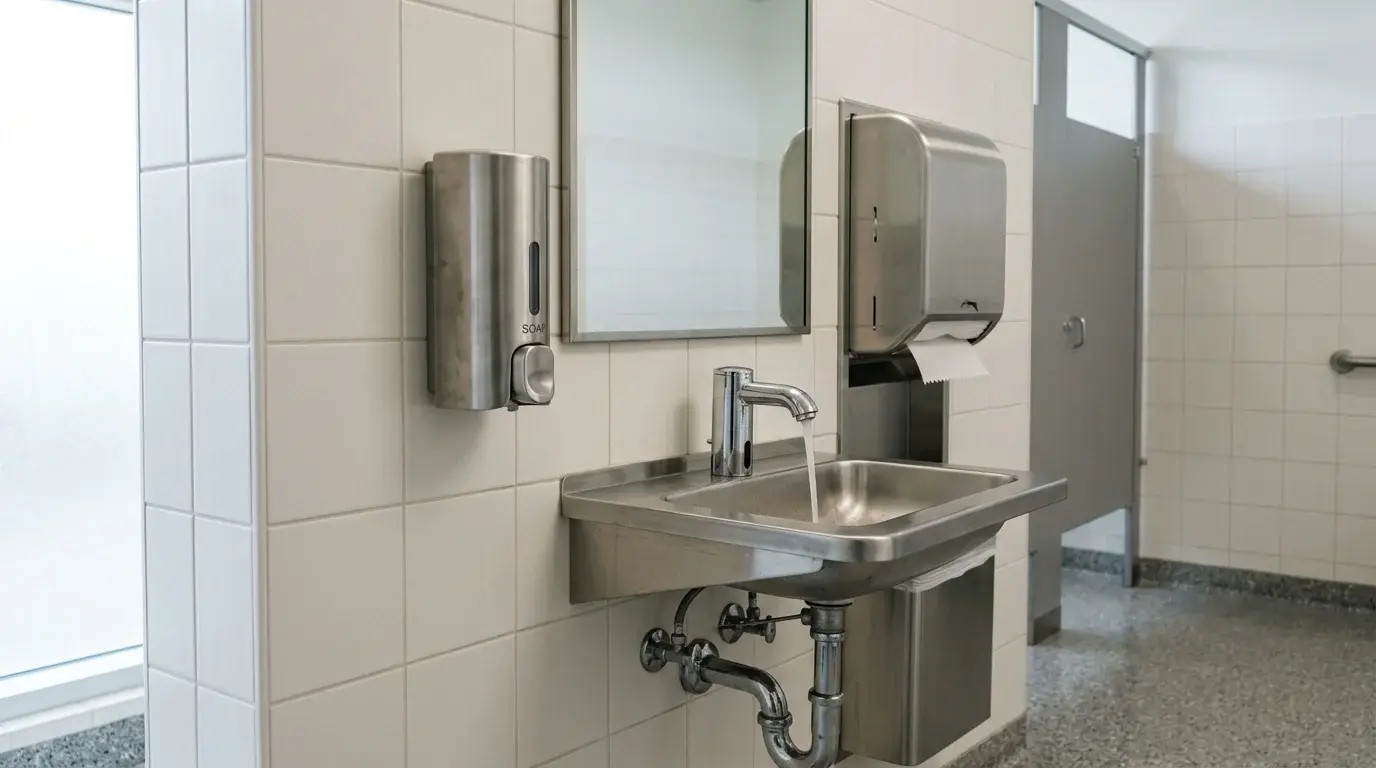
In contrast, true institutional-grade hardware withstands upwards of 500,000 valve cycles before showing fatigue. These fixtures feature heavy cast brass bodies, vandal-resistant aerators requiring special keys, and concealed mounting hardware. When dealing with School Facility Hardware, the difference is about surviving intentional abuse—like students kicking flushometers—and the daily wear and tear of a massive student body.
Why schools, universities, and training centers prioritize durab
ility
Schools prioritize extreme durability because downtime translates directly into operational chaos. If a standard faucet breaks in a dorm, I'm not just looking at a $150 replacement cost; I'm looking at emergency labor rates, potential water damage, and a flood of student complaints.
It is incredibly frustrating to shut down a heavily used restroom block just because a cheap faucet handle snapped off. By investing in heavy-duty setups, facilities can cut annual plumbing maintenance tickets by up to 40%. It's a simple calculation: spending 30% more upfront on ruggedized fixtures yields a system that lasts 10 to 15 years, preventing complete overhauls every few semesters.
Which Durable Bathroom Fittings Perform Best for Heavy Daily Use
So, what should we actually install to survive this traffic? I've found that not all "heavy-duty" labels mean the same thing in practice.
Let's break down the specific materials and designs that truly hold up under the daily pressure of hundreds of users, ensuring we get the best return on our infrastructure investments.
How do material, finish, and mounting method affect lifecycle
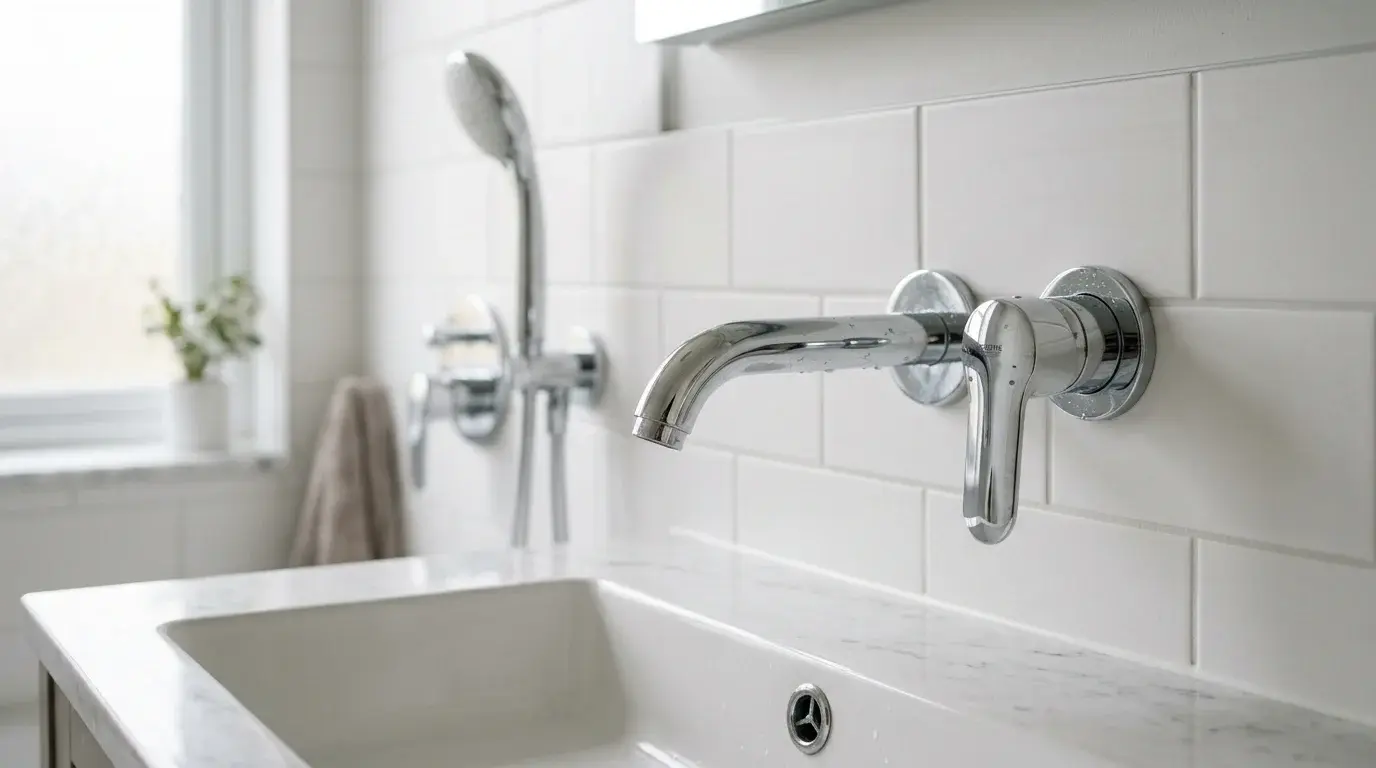
Material choice is absolutely everything. I steer clear of fixtures with plastic internal components. Instead, Commercial Grade Faucets made of solid cast brass with PVD (Physical Vapor Deposition) finishes are my standard. These resist harsh industrial cleaning chemicals and physical impacts.
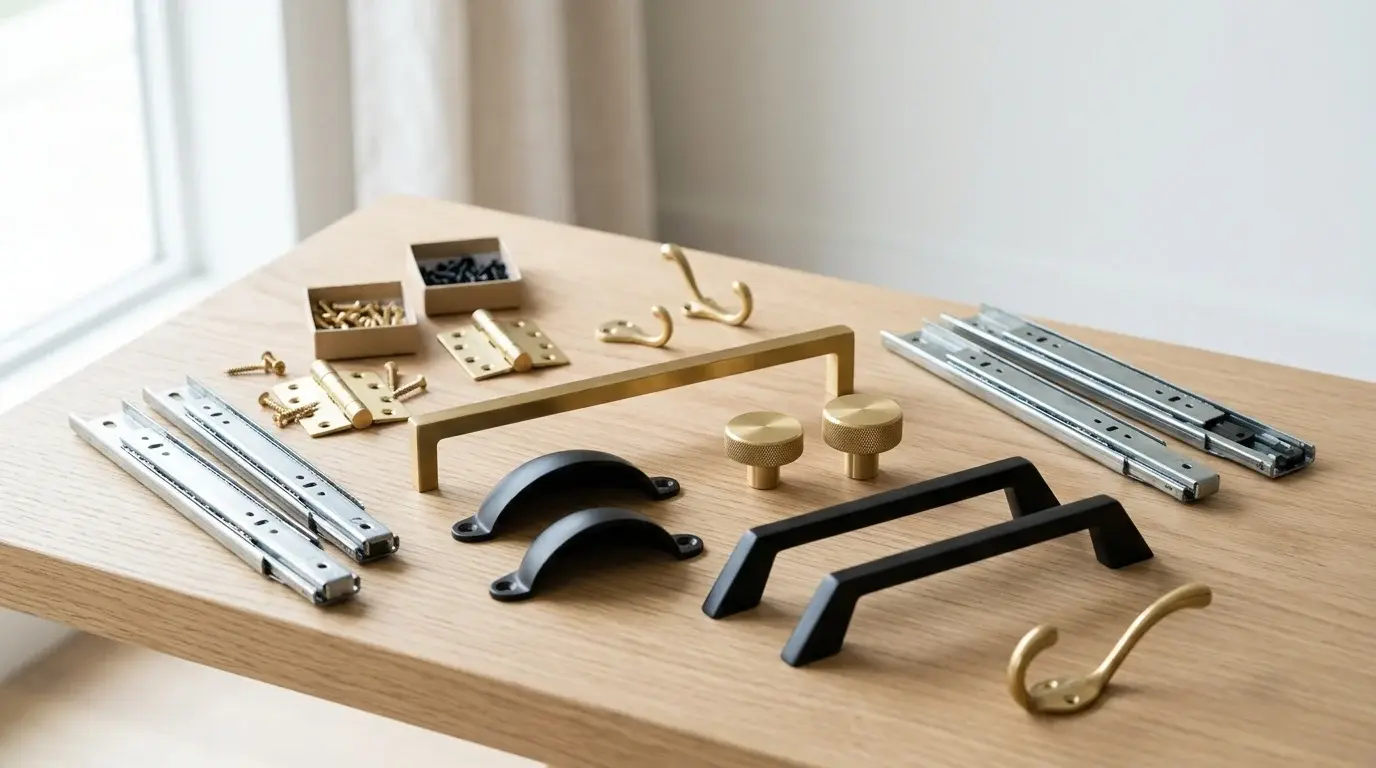
Mounting methods matter just as much. Wall-mounted fixtures with concealed heavy-duty carriers prevent users from wrenching hardware loose. For athletic facilities, Durable Shower Hardware requires tamper-proof Torx screws and 14-gauge stainless steel to ensure the plumbing lifespan matches the locker room walls. The initial cost might be higher, but the long-term payoff is undeniable. You simply cannot cut corners when outfitting spaces meant for varsity athletes or thousands of hurried undergraduates.
What comparison points should I use when evaluating toilets
When evaluating toilets and urinals, flush volume and mechanism type are critical comparison points. We must balance strict water conservation codes with enough clearing power to prevent clogs. I heavily prefer direct-flush valves over tank-based systems. They require a 25 PSI minimum dynamic water pressure but completely eliminate the fragile flappers that constantly fail.
Here is a breakdown of what I look for when specifying high-traffic commodes:
| Feature | Standard Commercial | Institutional Grade | Lifecycle Expectancy |
|---|---|---|---|
| Flush Mechanism | Gravity Tank | Exposed/Concealed Flushometer | 3-5 years vs 10+ years |
| Water Pressure Req. | 15-20 PSI | 25+ PSI Dynamic | N/A |
| Mounting Style | Floor Mounted | Wall-Hung with Carrier | Moderate vs High Impact Resistance |
| Vandal Resistance | Low (Exposed parts) | High (Tamper-proof screws) | High replacement vs Low replacement |
How to Specify, Source, and Maintain Institutional Bathroom Fittings
Knowing what to buy is only half the battle. If we don't source and maintain these fixtures correctly, even the best hardware will fail.
I've learned through years of facility management that a rock-solid procurement strategy is what truly keeps an educational facility running smoothly.
What practical steps help me balance compliance, installation, a
nd cost
Balancing compliance, logistics, and cost requires a systematic approach. ADA compliance is non-negotiable: Grab Bars must support 250 pounds of downward force, and accessible toilets need a precise seat height between 17 and 19 inches.
When sourcing High-Traffic Restroom Solutions, I bulk-order fixtures from a single reliable manufacturer. This secures volume discounts, reducing unit costs by 15-20% on orders over 50 units. Navigating the supply chain is a skill of its own. It's not just about finding the right price; it's about ensuring all parts arrive on site before the summer renovation window closes, factoring in a 6- to 8-week lead time for specialized finishes. Standardizing the installation process also trims contractor hours, as plumbers aren't constantly figuring out how to mount different brands.
How should I decide between repair, replacement, and standardiza
tion
The eternal debate: do I repair or replace? My rule of thumb is that if a fixture requires repairs costing more than 50% of its replacement value, or if it fails three times in a single academic year, it gets pulled.
Standardization makes this decision infinitely easier. By keeping a centralized inventory of replacement cartridges, flush valve rebuild kits, and specialized tools, my team can execute a repair in under 15 minutes. Facilities management is ultimately about predictability. When you standardize, you remove the guesswork for your maintenance crew, ensuring that students always have access to clean, functioning, and safe facilities while drastically reducing restroom downtime.
Key Takeaways
- The most important conclusions and rationale for Institutional Bathroom Fittings
- Specs, compliance, and risk checks worth validating before you commit
- Practical next steps and caveats readers can apply immediately
Frequently Asked Questions
What are institutional bathroom fittings for schools and campuses?
They are heavy-duty restroom fixtures designed for frequent use, vandal resistance, and long service life in high-traffic education settings.
Why should educational facilities choose durable fittings over standard commercial ones?
Durable fittings reduce breakdowns, emergency repairs, water damage, and restroom downtime, which lowers maintenance tickets and long-term costs.
Which materials work best for high-traffic bathroom fixtures?
Solid cast brass with protective finishes like PVD is a strong choice because it resists impact, wear, and harsh cleaning chemicals.
What toilet features are best for institutional restrooms?
Choose direct-flush or flushometer systems, wall-hung mounting with carriers, and tamper-proof hardware for better reliability and resistance to abuse.
How can schools extend the lifespan of bathroom fittings?
Use concealed, heavy-duty mounting, avoid plastic internal parts, and inspect fixtures regularly for loose hardware or early wear.