

Global Supply Chain Insights: Best Practices for Sourcing Towel Bar from China Manufacturers
- You should source a Towel Bar from China by verifying factory capability, material quality, tooling control, and export experience before placing any production order.
- You should compare suppliers by engineering support, die-casting precision, surface finishing consistency, and documented quality inspection processes.
- You should request samples, drawings, packaging details, and lead time commitments to reduce sourcing risk before mass production begins.
- You should work with a manufacturer that offers clear communication, stable production capacity, and long-term supply chain support.
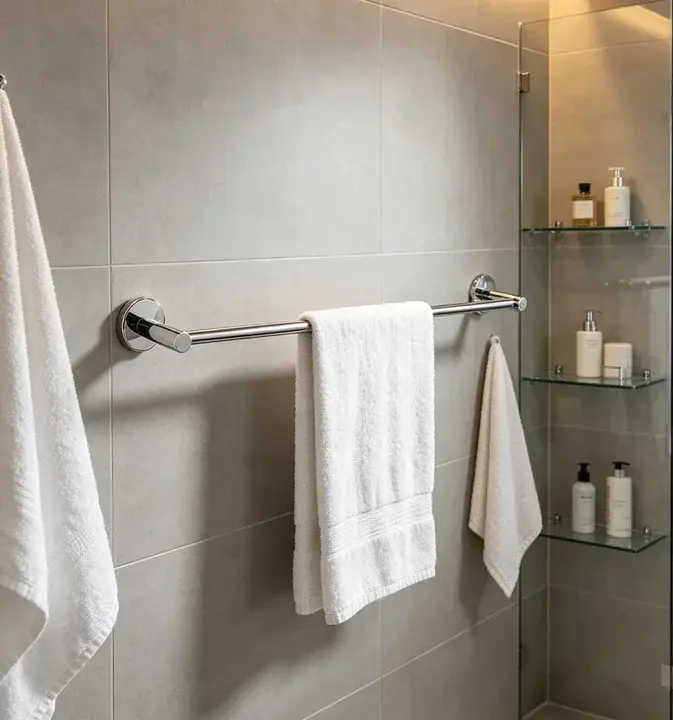
Sourcing a Towel Bar from China works best when buyers evaluate the manufacturer’s production strength, quality control system, material expertise, and export reliability before confirming an order. The best practice is to choose a supplier that can manage die casting, machining, polishing, plating, inspection, packaging, and shipment under one coordinated process. Because Bathroom Hardware must resist moisture, corrosion, and daily pulling force, therefore buyers should prioritize manufacturers with proven material selection and surface treatment experience. This approach helps importers reduce defects, control costs, and maintain consistent delivery for retail, wholesale, and project-based supply chains.
A strong sourcing process begins with supplier qualification. Buyers should review a manufacturer’s product range, factory background, and technical capabilities through trusted resources such as the product catalog and company profile. A reliable Towel Bar supplier should provide stable dimensions, smooth edges, durable mounting parts, and finishes that match market requirements. For zinc alloy or aluminum die-cast Bathroom Accessories, tooling accuracy is especially important because small deviations can affect installation strength and visual alignment.
Quality control should be treated as a supply chain requirement, not a final checkpoint. Buyers should ask whether the factory checks raw materials, casting quality, hole positions, surface finish, salt spray performance, and packaging strength. Because overseas returns are costly and time-consuming, therefore preventive inspection during production is more valuable than defect sorting after shipment. This is especially true when one shipment contains several thousand units for distributors, hotel projects, or home improvement brands.
Communication is another key factor. A qualified manufacturer should confirm drawings, samples, finish codes, carton marks, and delivery schedules in writing. Buyers can learn more about factory experience through the about page or request project-specific support through the contact page. In Part two, we will examine pricing, inspection, logistics, and negotiation strategies for sourcing Bathroom Hardware from China.
Part 2: Market Overview, Statistics, and Industry Data
The global Towel Bar sourcing market is shaped by three connected forces: rising bathroom renovation activity, China’s mature metalworking capacity, and buyer demand for cost-efficient, design-flexible hardware. According to Grand View Research, the global Bathroom Accessories market was valued at about USD 22.3 billion in 2022, with continued growth expected as residential and hospitality upgrades expand. Meanwhile, Statista reports that China remains one of the world’s largest exporters of household and metal hardware products, supported by dense manufacturing clusters in Guangdong, Zhejiang, and Fujian.
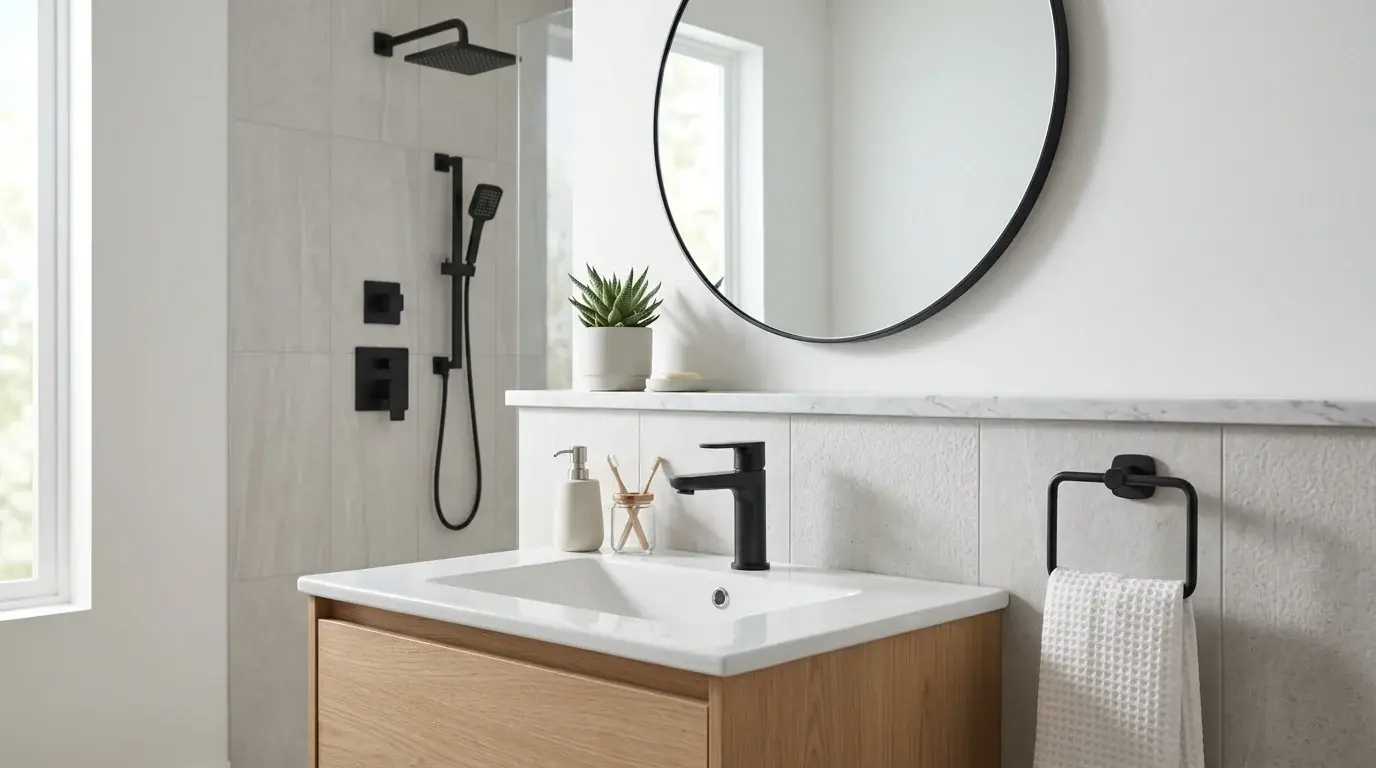
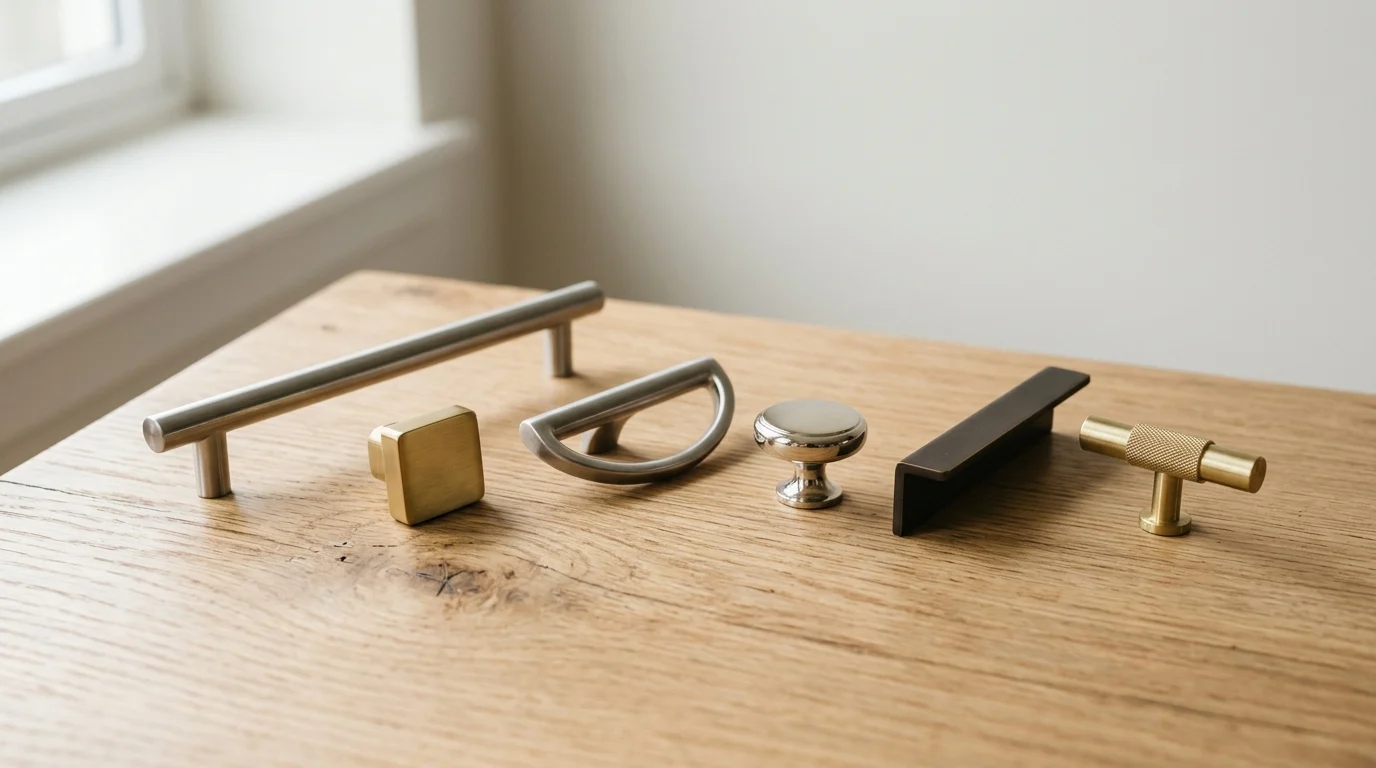
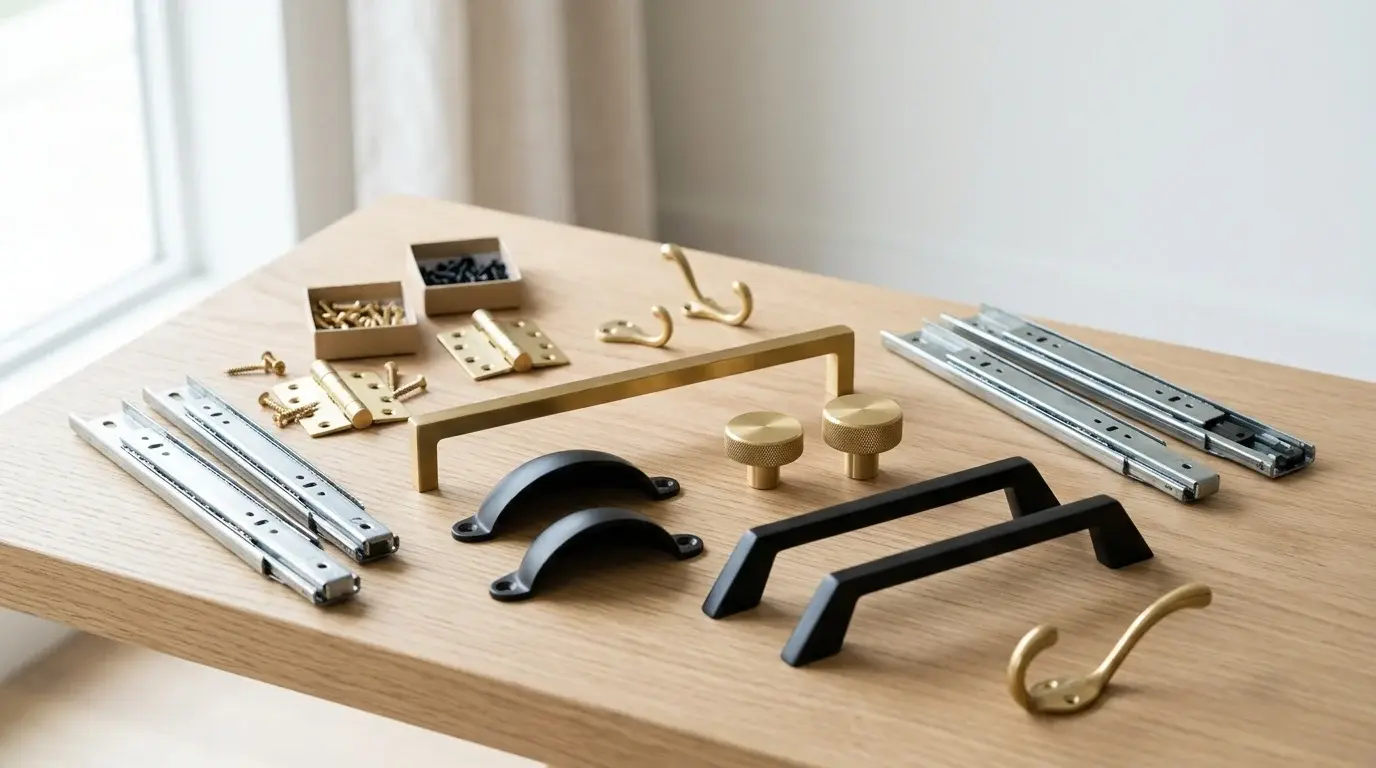
Because China combines stainless steel processing, Zinc Alloy die casting, surface finishing, and packaging suppliers within short logistics distances, therefore Towel Bar buyers can often reduce lead times and unit costs compared with fragmented sourcing regions. This cluster advantage is especially important for importers managingprivate-label bathroomcollections, where matching finishes such as brushed nickel, matte black, chrome, and gold must remain consistent across Towel Rings, robe hooks, shelves, and grab bars.
| Market Factor | China Manufacturer Advantage | Buyer Consideration |
|---|---|---|
| Production scale | Factories can support high-volume OEM and ODM Towel Bar orders. | Buyers should verify monthly capacity and peak-season lead times. |
| Material options | Suppliers commonly offer SUS304, SUS201, aluminum, brass, and Zinc Alloy. | Buyers should match material grades with humidity and corrosion requirements. |
| Export infrastructure | Major ports such as Shenzhen, Ningbo, and Shanghai support frequent sailings. | Buyers should compare FOB, CIF, and DDP pricing before confirming orders. |
Industry data also shows that global trade conditions remain central to sourcing decisions. The World Trade Organization noted that world merchandise trade volume grew by 0.8% in 2023, reflecting slower demand but continued cross-border procurement. For U.S. importers, U.S. Census Bureau trade data remains a useful reference for monitoring import trends, tariff exposure, and category-level shipment values.
- Buyers should track stainless steel price movements because raw material volatility directly affects Towel Bar quotations.
- Importers should review supplier compliance documents because bathroom hardware may require corrosion, load-bearing, and finish durability testing.
- Procurement teams should compare regional factory clusters because logistics access can influence both total landed cost and delivery reliability.
Because Towel Bar demand is linked to construction, renovation, hospitality, and e-commerce retail cycles, therefore successful sourcing depends on combining market data with factory audits, sample testing, and disciplined supplier management.
Part 3: Key Requirements, Standards, and Regulations for Sourcing Towel Bar Products
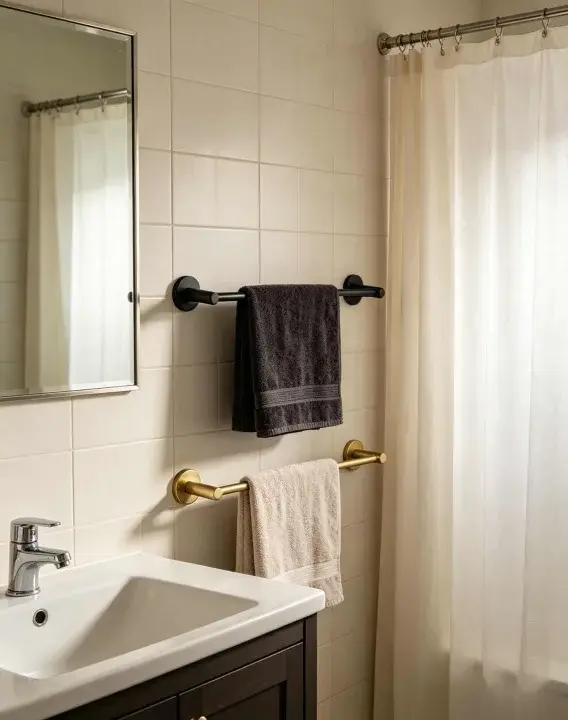
When sourcing a Towel Bar from China manufacturers, compliance should be reviewed before pricing is finalized. For standard bathroom towel bars, buyers usually focus on material safety, surface durability, corrosion resistance, load capacity, packaging, and labeling. For electric or heated towel bars, electrical safety and energy-related requirements become critical.
Key international standards may include UL certification for North America, ETL listing by Intertek, CE marking for the European market, and the CB Scheme for international electrical product recognition. Buyers can also reference UL Solutions for safety certification information and IECEE CB Scheme for global conformity assessment. For heated bathroom products installed in buildings, ventilation and indoor air considerations may also relate to ASHRAE guidance.
| Compliance Area | Common Requirement | Best Practice for Buyers |
|---|---|---|
| Mechanical Towel Bar | Corrosion resistance, load testing, coating adhesion | Request salt spray test reports and mounting load data |
| Heated Towel Bar | UL, ETL, CE, CB Scheme, electrical insulation | Verify certificate holder, model number, and factory audit status |
| Chemical Safety | RoHS, REACH, Prop 65 where applicable | Confirm material declarations for plating, paint, and plastic parts |
| Packaging and Labeling | Country of origin, warnings, installation instructions | Approve artwork before mass production |
Because bathroom hardware is exposed to moisture and cleaning chemicals, therefore poor plating or low-grade stainless steel can quickly lead to rust, customer complaints, and warranty claims. Buyers should specify stainless steel grade, finish thickness, screw material, and salt spray duration in the purchase agreement.
Common compliance challenges include expired certificates, certificates covering only similar models, missing test reports, and inconsistent production materials. Because certification is model-specific and market-specific, therefore buyers should never rely only on a supplier’s catalog claim. Always match the product model, voltage, plug type, factory name, and certificate scope. For private-label Towel Bar orders, confirm whether the certification allows brand changes and whether additional label review is required before shipment.
Part 4: Expert Insights and Detailed Analysis
For global buyers, sourcing a Towel Bar from China is no longer only a price comparison exercise. It is a risk-managed procurement decision involving factory capability, materials traceability, finishing consistency, logistics resilience, and compliance documentation. Industry data from UN Comtrade shows China remains a leading exporter of bathroom hardware and metal fittings, while WTO and OECD reports continue to highlight supply-chain diversification, customs efficiency, and supplier transparency as key factors in cross-border sourcing performance.
From an expert sourcing perspective, the first priority is verifying whether a manufacturer controls critical processes in-house, especially die casting, polishing, electroplating, powder coating, and salt-spray testing. Because surface corrosion is one of the most common failure points for a Towel Bar, therefore buyers should request finish-test reports, coating thickness data, and real production samples before confirming mass orders.
| Expert Focus Area | Recommended Action | Why It Matters |
|---|---|---|
| Material Verification | Confirm stainless steel grade, zinc alloy quality, or brass composition | Prevents rust, deformation, and premature product returns |
| Factory Audit | Review ISO 9001 systems, production capacity, and QC workflow | Reduces inconsistency between samples and bulk production |
| Compliance | Check REACH, RoHS, and destination-market requirements | Supports smoother customs clearance and retail acceptance |
| Logistics Planning | Compare FOB, CIF, and DDP terms with freight volatility in mind | Improves landed-cost accuracy and delivery reliability |
Reports from McKinsey and the World Bank Logistics Performance Index emphasize that resilient sourcing depends on visibility and supplier collaboration. Because freight rates, port congestion, and raw-material prices can change quickly, therefore buyers should build dual-supplier options and negotiate flexible lead-time clauses for every Towel Bar program.
Overall, the strongest sourcing strategy combines technical due diligence with commercial discipline. Buyers should not rely solely on catalog images or low quotations. A dependable China manufacturer will provide transparent specifications, documented testing, stable packaging standards, and proactive communication throughout production.
Part 5: Case Studies and Real Examples for Sourcing Towel Bar Products
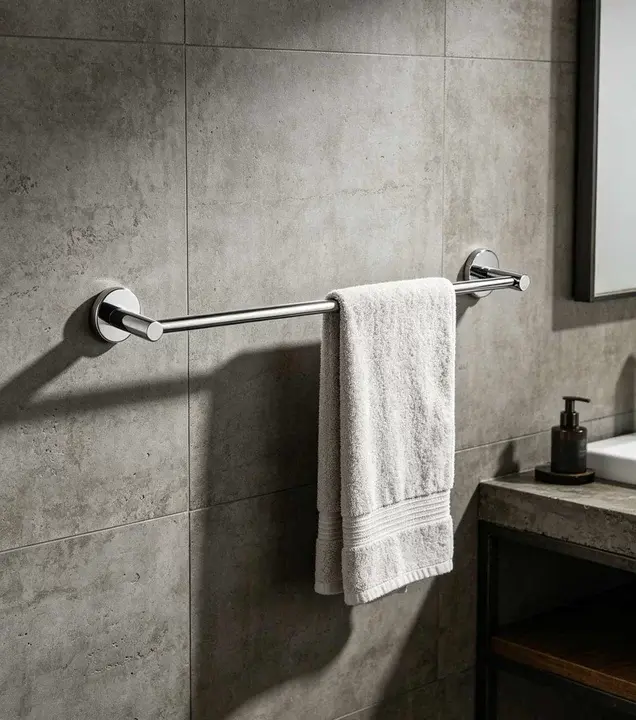
Successful global sourcing of a Towel Bar from China depends on matching product design, surface finish, packaging, and inspection standards with the right manufacturer. The following two examples show how buyers improved cost, quality, and delivery performance by working with experienced Chinese metal hardware suppliers, including capabilities commonly seen in die-casting and bathroom accessory manufacturers such as those referenced at HZ Die Casting.
Case Study 1: Hotel Renovation Buyer Reduces Defect Rate
Challenge: A European hotel renovation contractor needed 18,000 stainless-look towel bars for 220 hotel bathrooms. The previous supplier had inconsistent chrome plating, loose wall brackets, and a 7.8% defect rate during installation.
Solution: The buyer shifted sourcing to a China-based manufacturer with in-house die-casting support, plating control, and pre-shipment assembly testing. The team revised the mounting bracket tolerance, added salt spray testing, and required 100% visual inspection for plating scratches. Because the mounting tolerance was redesigned before mass production, therefore installation failures were reduced significantly.
Results: The defect rate dropped from 7.8% to 1.4%, installation time decreased by 22%, and the buyer saved 11% on total landed cost compared with the previous sourcing channel.
Case Study 2: E-Commerce Brand Improves Packaging and Delivery
Challenge: A North American online bathroom hardware brand ordered 12,000 matte black towel bars, but customer complaints were rising due to chipped coating and damaged retail boxes during courier delivery.
Solution: The sourcing team selected a manufacturer with stronger powder-coating control and customized packaging capability. The product was tested with drop-test packaging, foam inserts, anti-scratch sleeves, and barcode labeling for warehouse scanning. Because the packaging was engineered around parcel-shipping impact risks, therefore the return rate fell and customer ratings improved.
Results: Product returns declined from 6.2% to 2.1%, five-star reviews increased by 18%, and average fulfillment handling time improved by 15% due to better labeling and carton standardization.
| Case Study | Main Challenge | Key Solution | Measured Results |
|---|---|---|---|
| Hotel Renovation Project | Loose brackets and plating defects | Bracket redesign, salt spray testing, full visual inspection | Defect rate reduced from 7.8% to 1.4%; landed cost down 11% |
| E-Commerce Bathroom Brand | Coating chips and damaged retail packaging | Improved powder coating, drop-tested packaging, barcode labels | Returns reduced from 6.2% to 2.1%; reviews up 18% |
These examples show that sourcing a Towel Bar from China is not only about unit price. Buyers achieve stronger results when they validate materials, finishing, packaging, and inspection procedures before production begins.
Part 6: Quality Control and Verification Methods for Towel Bar Sourcing
When sourcing a Towel Bar from China manufacturers, quality control should be planned before mass production begins. A structured checkpoint framework helps importers reduce defects, avoid shipment delays, and maintain consistent product performance across different batches.
Quality Control Checkpoint Framework
- Material verification: Confirm stainless steel grade, zinc alloy composition, plating thickness, and corrosion resistance. Because bathroom environments are humid, therefore poor material control can quickly lead to rust, peeling, or customer complaints.
- Pre-production sample approval: Review dimensions, finish, mounting hardware, packaging, and installation instructions before approving the golden sample.
- In-process inspection: Check drilling accuracy, welding strength, surface polishing, and coating consistency during production, not only after completion.
- Final random inspection: Apply AQL sampling methods commonly aligned with ASQ quality principles to evaluate appearance, function, assembly, and packaging before shipment.
- Lab and compliance testing: Request salt spray testing, load-bearing tests, coating adhesion tests, and carton drop tests where required by the target market.
| Verification Item | Method | Acceptance Focus |
|---|---|---|
| Surface Finish | Visual inspection under standard lighting | No scratches, stains, bubbles, or uneven plating |
| Corrosion Resistance | Salt spray test | Meets agreed test hours without visible rust |
| Load Capacity | Static weight test | Towel Bar remains stable and firmly mounted |
| Packaging Strength | Drop and vibration test | No deformation, breakage, or missing accessories |
Importers should ask suppliers whether their factories operate under ISO 9001 quality management systems and whether inspection teams follow guidance from organizations such as the American Society for Quality. Third-party testing can also be arranged through recognized bodies such as SGS, TÜV Rheinland, or Intertek.
Because verification creates measurable evidence, therefore buyers can make shipment decisions based on data rather than supplier promises. For a high-volume Towel Bar order, this approach protects brand reputation, improves consistency, and strengthens long-term supplier accountability.
Part 7: Common Mistakes and How to Avoid Them
When sourcing a Towel Bar from China manufacturers, small decisions can create major quality, cost, and delivery risks. Importers who understand common mistakes early can build a more stable global supply chain and avoid expensive rework.
1. Choosing Suppliers Based Only on the Lowest Price
The problem is that a very low quotation may hide thinner materials, weak plating, poor packaging, or limited quality control. Because the Towel Bar must resist daily pulling, moisture, and corrosion, therefore price should be evaluated together with material grade, surface treatment, load capacity, and factory capability.
Solution: Compare at least three qualified manufacturers. Ask for material specifications, finish options, production photos, test reports, and previous export experience. A slightly higher unit price often reduces returns, complaints, and replacement costs.
2. Not Confirming Product Specifications Clearly
A common mistake is sending only a picture or rough size. This can lead to wrong hole spacing, finish color differences, unsuitable mounting hardware, or packaging that does not fit retail requirements.
Solution: Prepare a detailed specification sheet covering dimensions, stainless steel or zinc alloy grade, finish, wall thickness, screw type, installation method, logo requirements, and packaging. Confirm the final drawing before mass production.
3. Skipping Pre-Production Samples
Some buyers approve production too quickly to save time. However, without a physical sample, defects in finish, weight, edge polishing, or installation strength may only appear after bulk goods are completed. Because samples reveal real manufacturing details before mass production, therefore they are essential for preventing large-scale quality problems.
Solution: Request a pre-production sample and test it under practical bathroom conditions. Check coating consistency, mounting stability, screw alignment, and overall appearance before giving written approval.
4. Ignoring Quality Inspection Before Shipment
Relying only on the supplier’s internal inspection can be risky, especially for new cooperation. Problems such as scratches, missing accessories, weak cartons, or mixed models can delay delivery and damage customer trust.
Solution: Arrange third-party inspection or your own QC checklist. Inspect appearance, quantity, packaging, barcode labels, assembly parts, and carton strength before balance payment and shipment release.
| Mistake | Better Solution |
|---|---|
| Selecting the cheapest Towel Bar supplier | Evaluate price with material, finish, capacity, and factory reliability |
| Using unclear product requirements | Provide drawings, specifications, and packaging standards |
| Skipping sample approval | Test and approve samples before bulk production |
| No shipment inspection | Use a QC checklist or third-party inspection |
Part 8: FAQ and Conclusion
Title: Global Supply Chain Insights: Best Practices for Sourcing Towels Bars from China Manufacturers
FAQ: Sourcing Towel Bars from China Manufacturers
What is the best way to source a Towel Bar from China manufacturers?
The best way is to verify factory capability, material standards, surface finishing quality, and export experience before ordering. A reliable China manufacturer should provide drawings, samples, inspection reports, and stable lead times. For safer sourcing, contact a qualified supplier directly through the CTA link for project evaluation.
How can buyers verify the quality of a China-made Towel Bar?
Buyers can verify quality by checking material grade, plating thickness, corrosion resistance, load-bearing performance, and packaging durability. Request samples, test reports, and third-party inspection before bulk production. To reduce risk, use the CTA contact option to discuss quality requirements with an experienced manufacturing team.
Why should importers choose China manufacturers for Towel Bar production?
Importers choose China manufacturers because they offer mature production capacity, competitive pricing, flexible customization, and strong supply chain support. Many factories can handle die casting, machining, polishing, and finishing in one workflow. Use the CTA link to explore tailored Towel Bar sourcing solutions for your market.
What materials are commonly used for a durable Towel Bar?
Durable Towel Bar products commonly use stainless steel, zinc alloy, aluminum alloy, or brass, depending on price level, design, and corrosion resistance needs. Surface finishes may include chrome, brushed nickel, matte black, or polished coating. Contact the supplier through the CTA to confirm the best material option.
How long does it take to manufacture and ship Towel Bar orders from China?
Typical production time for Towel Bar orders ranges from 25 to 45 days after sample approval, depending on order volume, tooling, finish, and packaging requirements. Shipping time varies by sea, air, or express delivery. Use the CTA contact link to request a schedule based on your destination.
What should buyers include in a Towel Bar sourcing inquiry?
Buyers should include drawings, dimensions, material preferences, finish, order quantity, packaging style, compliance needs, and target price. Clear specifications help manufacturers quote accurately and avoid production delays. For faster feedback, submit your details through the CTA link and request a professional sourcing assessment.
Conclusion
Sourcing a quality Towel Bar from China requires three key actions: first, select manufacturers with proven production capability and export experience; second, confirm materials, finishes, testing, and packaging before mass production; third, manage communication, inspection, and logistics with clear specifications. These best practices help buyers reduce risk, control cost, and improve long-term supply chain reliability. Written by Mr.tong, Technical Director, this guide reflects practical manufacturing insight for global buyers seeking dependable bathroom hardware sourcing partnerships.
Start Your Towel Bar Sourcing Project
Need a reliable Towel Bar manufacturing partner in China? Share your drawings, quantity, finish, and packaging needs with our team today. Contact us here: https://www.huazhuprecision.com//contact/ and receive professional sourcing support for your next project.
Contact Mr.Tong for expert guidance: https://www.huazhuprecision.com//contact/