
Smart Towel Bars: The Rising Demand for Heated Solutions in Hotels
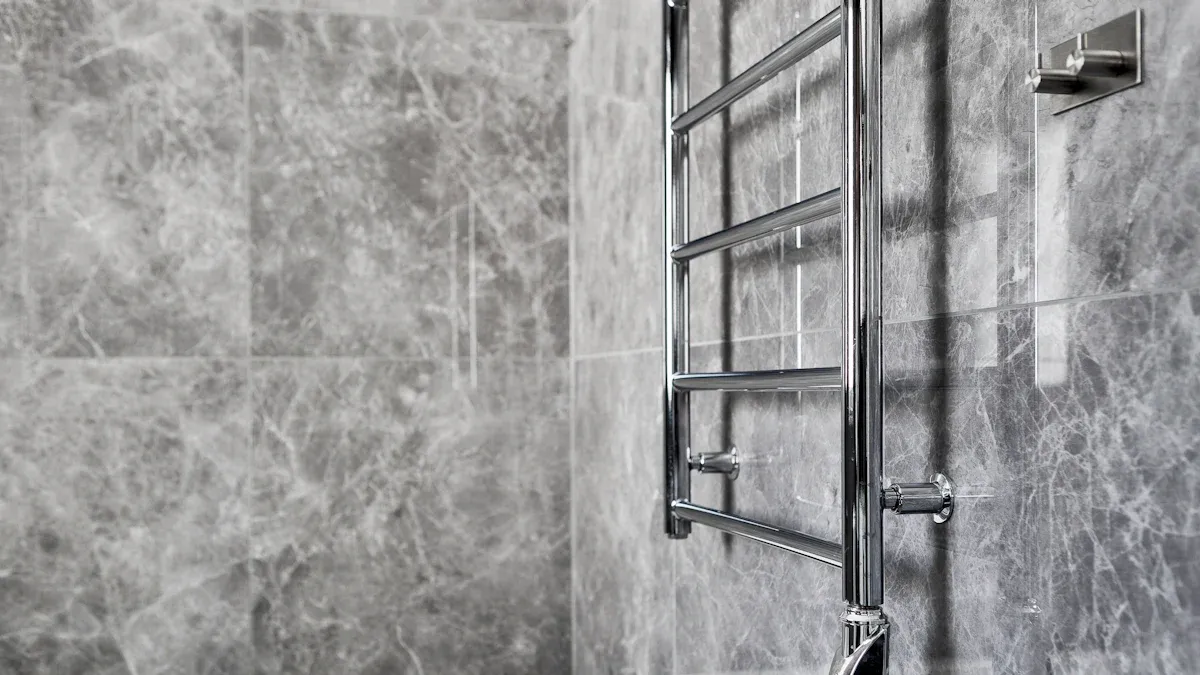
Hotels increasingly adopt heated Towel Bars. These amenities enhance guest comfort and improve hygiene. They also offer operational efficiencies. This directly addresses the growing demand for superior guest experiences. It also meets the need for sustainable operations. A modern hotel often features a sleekTowel Bar. Guests appreciate the warmth from a Wall Mounted Bathroom Towel Bar Towel Holder.
Key Takeaways
- Heated Towel Bars make hotel guests more comfortable. They offer a luxurious warm towel experience.
- These Towel Bars improve bathroom hygiene. They dry towels faster and stop mold from growing.
- Hotels save money with heated Towel Bars. They use less laundry and save energy.
- Smart Towel Bars have special features. These include timers and temperature controls.
- Smart Towel Bars connect to hotel room systems. This makes guest control easy.
- Hotels can install heated Towel Bars easily. They can choose plug-in or wired models.
- Heated Towel Bars use strong materials. These materials last long in wet bathrooms.
- Hotels see higher guest satisfaction. Guests like the warm towels and modern feel.
The Evolution of Hotel Amenities: Elevating Guest Experience with Smart Towel Bars
Shifting Guest Expectations for Personalized Luxury
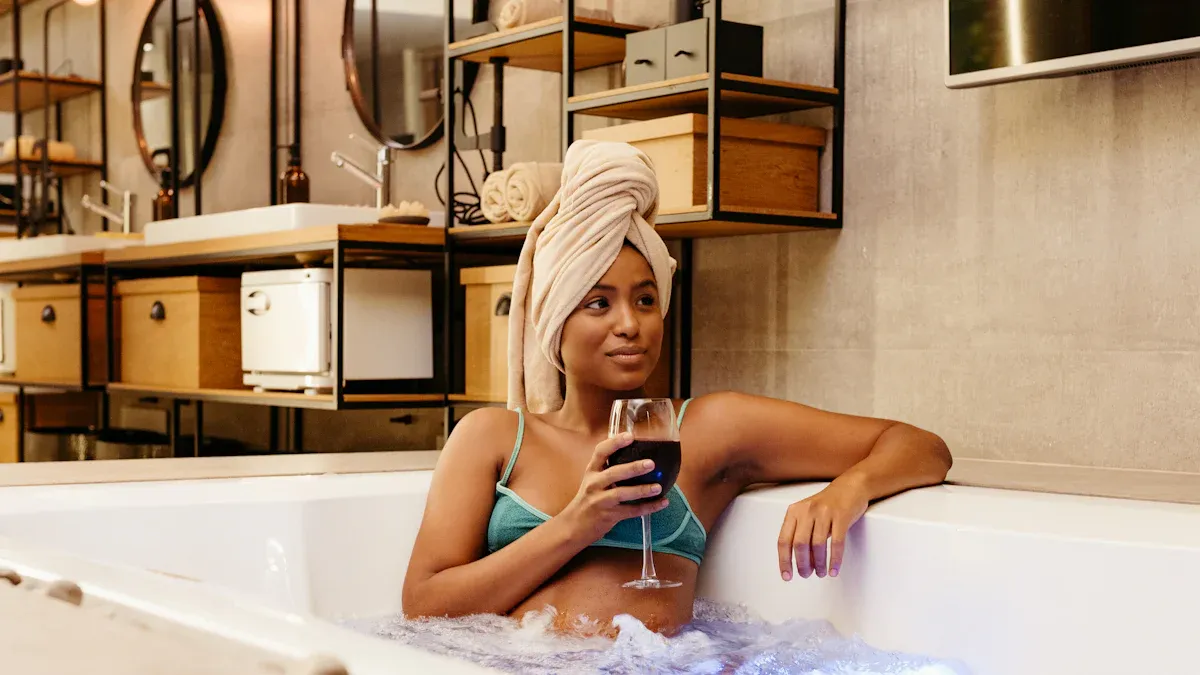
Today's hotel guests seek more than just a place to sleep. They desire unique experiences and personalized services. This shift means hotels must offer amenities that cater to individual needs and preferences.
The Desire for Home-Like Comfort and Convenience
Guests now expect the same comfort and convenience they enjoy at home. They want a seamless experience, from check-in to room features. This includes modern conveniences and a feeling of personal care. Many customers become frustrated when they do not receive a personalized experience. In fact, 76% of customers feel this way. Companies that offer personalization often see 3% to 6% higher annual revenue growth. Guests are also willing to pay more for these tailored experiences; 61% will pay extra for a personalized stay.
Influence of Digital Trends on Amenity Standards
Digital trends greatly influence what guests expect. Online reviews are now more important than hotel star ratings for many travelers. Social media and online reviews mean guests trust peer opinions more than company claims. This digital landscape pushes hotels to offer advanced amenities. Personalization has moved from being an extra feature to a basic expectation. Guests now anticipate tailored environments and services. These include smart IoT systems and mobile app recommendations.
Case Study: The Ritz-Carlton's Focus on Bespoke Guest Comfort
The Ritz-Carlton brand excels at providing bespoke guest comfort. They focus on anticipating guest needs and delivering highly personalized service. This approach ensures every guest feels uniquely valued. Their commitment to individual luxury sets a high standard for the industry.
Integrating Technology for Enhanced Stays
Hotels now use technology to make guest stays better. They create smart environments that offer convenience and control.
Seamless Smart Solutions in Modern Hotel Rooms
Modern hotel rooms feature seamless smart solutions. Guests can control many room settings with their phones or tablets. This includes lighting, curtains, and entertainment systems. Digital key cards and voice assistants also add to this convenience. These technologies create a unified and easy-to-use experience.
The Role of IoT in Elevating Bathroom Amenities
The Internet of Things (IoT) plays a big role in improving bathroom amenities. IoT allows devices to connect and share data. This means bathroom features, like a heated Towel Bar, can become smart. They can integrate with the room's central system. This offers guests more control and comfort. For example, a guest could set their towel to warm up before they finish showering.
Example: Peninsula Hotels' Smart Room Technology Integration
Peninsula Hotels are leaders in smart room technology. They offer guests advanced control over their environment. Their rooms feature interactive digital tablets. Guests use these tablets to manage lighting, temperature, and entertainment. They can also access virtual concierge services. This integration shows how technology enhances the overall guest experience. Smart TVs allow guests to log into personal streaming services. This provides a "home-away-from-home" entertainment option.
Why Heated Towel Bars Are Becoming a Hotel Standard
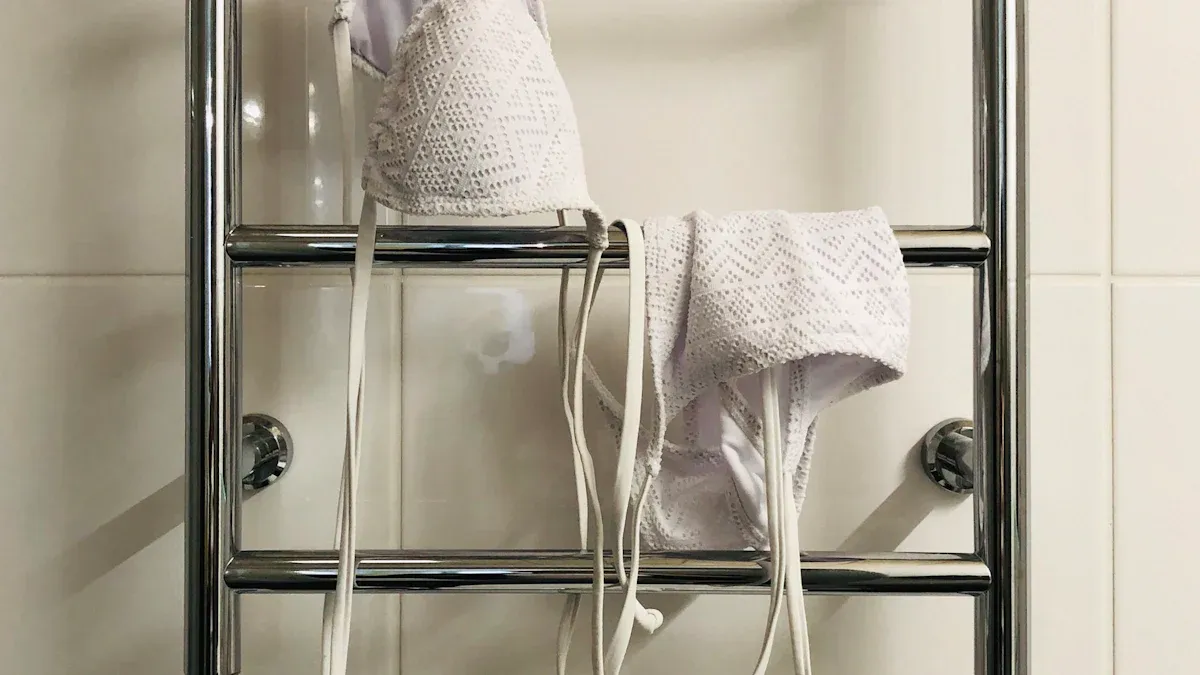
Hotels increasingly recognize the value of heated Towel Bars. These amenities offer significant benefits. They enhance guest comfort, improve hygiene, and provide operational efficiencies.
Unparalleled Guest Comfort and Satisfaction
Heated Towel Bars elevate the guest experience. They transform a simple bathroom into a luxurious retreat. Guests appreciate the thoughtful touch.
The Indulgent Warm Towel Experience
A warm towel offers a small luxury. Guests step out of the shower into comforting warmth. This simple amenity creates a memorable moment. It adds a touch of indulgence to their stay.
Psychological Impact of Warmth and Luxury
Warmth has a profound psychological effect. It evokes feelings of comfort and security. A warm towel creates a sensation similar to being cared for by a personal attendant. This contributes to a heightened guest mood. It enhances overall satisfaction with the stay. The experience triggers the release of neurotransmitters like serotonin. This improves mood and creates a sense of well-being. It transforms an ordinary hotel stay into a rejuvenating escape. Guests relax and unwind more deeply.
Case Study: Marriott International's Guest Satisfaction Scores Post-Upgrade
Marriott International observed a positive impact from amenity upgrades. They reported a 12% increase in customer satisfaction scores. This occurred after upgrading bathrooms with modern heated towel rails. This demonstrates the direct link between enhanced amenities and guest happiness.
Enhanced Hygiene and Sanitation Benefits
Heated towel bars contribute to a cleaner bathroom environment. They help maintain high hygiene standards. This is crucial for guest health and safety.
Faster Drying and Reduced Mildew Growth
Heated towel racks significantly improve bathroom hygiene. They rapidly dry damp towels. This action inhibits the proliferation of mold and bacteria. These organisms thrive in moist conditions. They can trigger allergies or worsen skin conditions. By consistently keeping towels dry and fresh, these fixtures enhance the bathing experience. They also foster a cleaner environment. This reduces the need for frequent towel washing.
Heated towel warmers reduce moisture in fabrics and the air. They quickly dry towels after use. This process prevents the growth of harmful bacteria. It contributes to a healthier bathroom environment.
Contributing to a Fresher Bathroom Environment
A dry towel means a fresher bathroom. Heated towel bars prevent the musty odors associated with damp towels. This creates a more inviting and pleasant space for guests. It also reduces the workload for housekeeping.
Example: Hilton's Enhanced Cleanliness Protocols with Heated Towel Bars
Hilton hotels prioritize guest well-being. They implement enhanced cleanliness protocols. Heated towel bars support these efforts. They ensure towels remain dry and fresh. This aligns with Hilton's commitment to providing a pristine and hygienic stay.
Operational Efficiencies and Cost Savings
Heated towel bars offer more than just guest benefits. They also provide significant operational advantages. Hotels can achieve cost savings and improve sustainability.
Reducing Laundry Volume and Associated Costs
Guests often reuse towels when they dry properly. This reduces the need for daily towel changes. Hotels save on laundry expenses. This includes water, energy, and detergent costs. It also extends the lifespan of towels.
Lowering Energy Consumption with Intelligent Controls
Modern heated towel bars feature intelligent controls. These controls optimize energy use. They prevent unnecessary power consumption. This contributes to lower utility bills.
Heated towel rails equipped with intelligent controls, such as Personal Temperature Selection (PTSelect) switches, Total Digital Control (TDC) timers, and Wi-Fi connectivity, can significantly reduce running costs. By utilizing these features, users can achieve energy savings of up to 60% or even 75%. This makes a heated Towel Bar a smart investment.
Case Study: Accor Hotels' Sustainability Initiatives and ROI from Smart Amenities
Accor Hotels actively pursues sustainability goals. They invest in smart amenities. Heated towel bars align with these initiatives. They offer a clear return on investment (ROI). The savings from reduced laundry and optimized energy consumption contribute to their financial and environmental targets.
Aesthetic Appeal and Modern Bathroom Design
Heated towel bars do more than just warm towels. They significantly enhance the visual appeal of hotel bathrooms. These fixtures become a key part of the overall design.
Elevating Bathroom Aesthetics with Sleek Fixtures
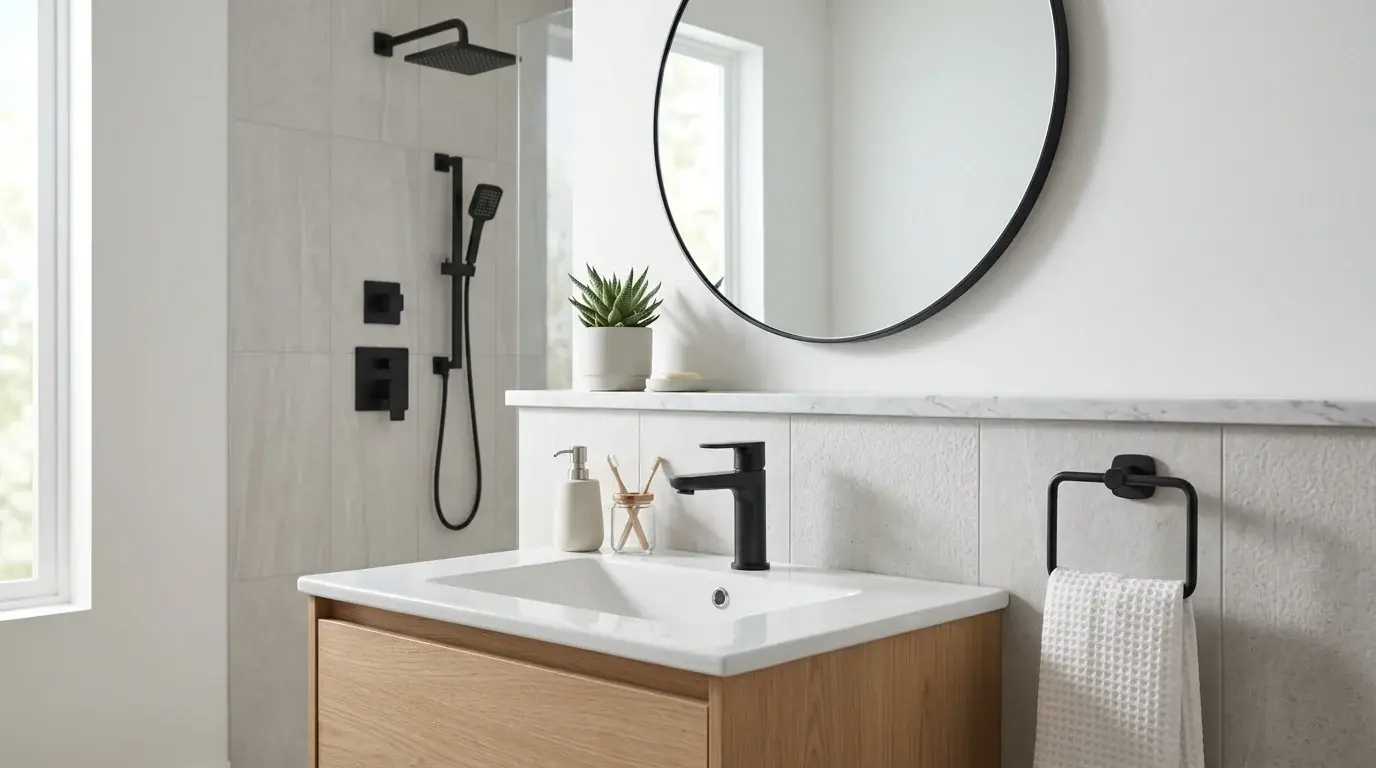
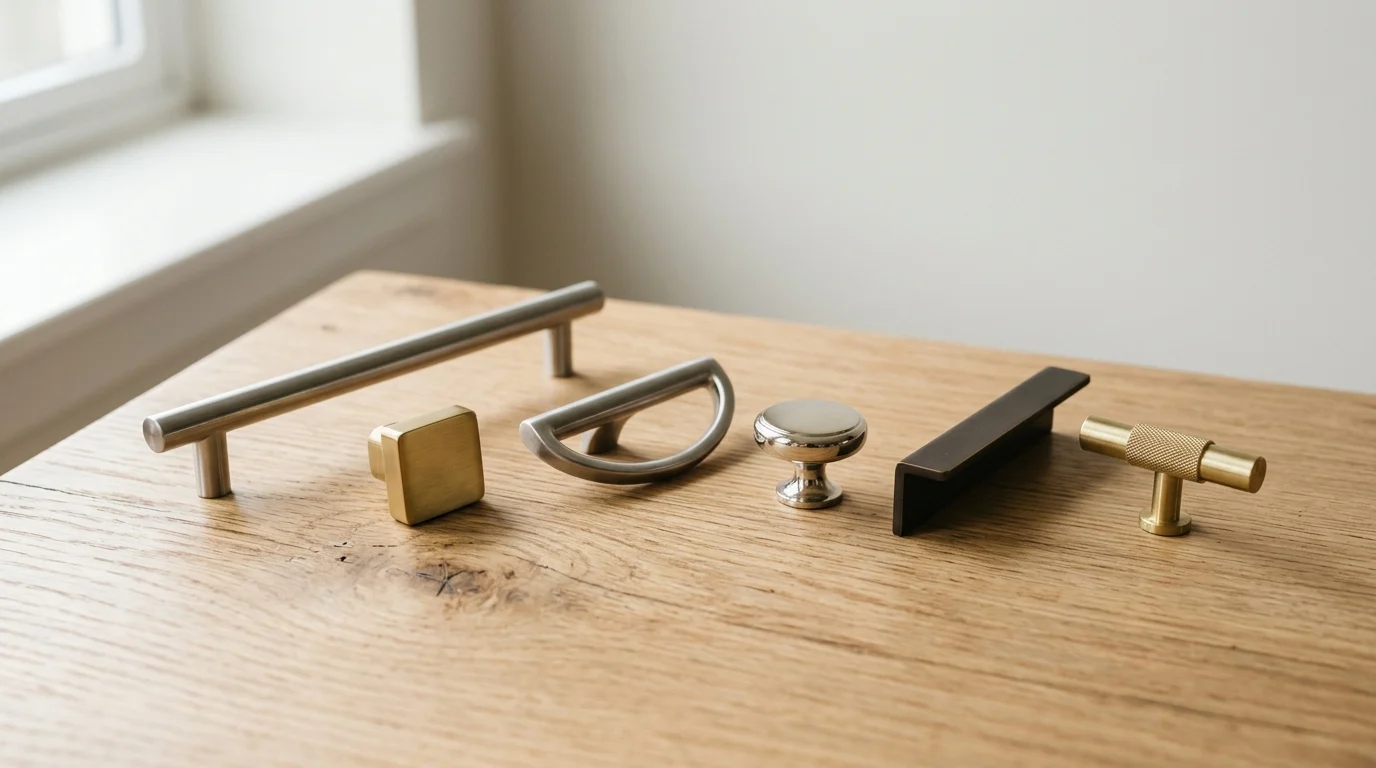
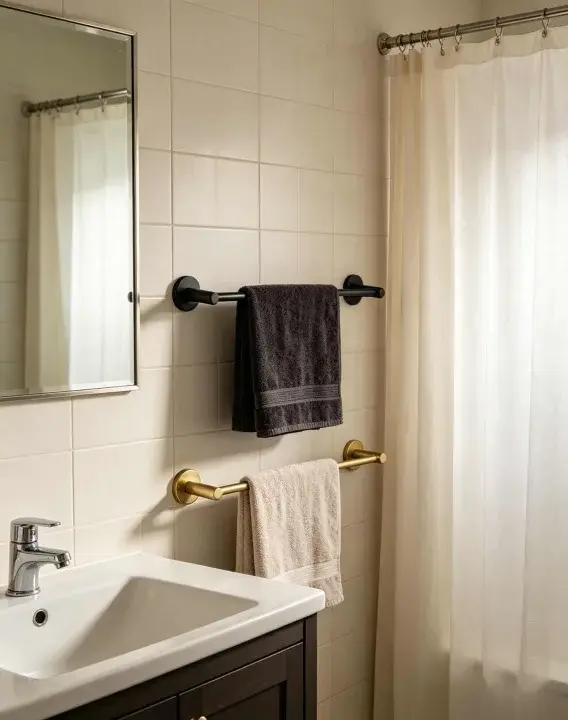
Modern heated towel bars feature sleek designs. Manufacturers craft them from high-quality materials. These materials include polished chrome, brushed nickel, and matte black finishes. Their clean lines and minimalist forms add a touch of sophistication. They transform a functional item into a design statement. A well-chosen heated Towel Bar can instantly upgrade the bathroom's look. It makes the space feel more luxurious and inviting. These fixtures often mount directly to the wall. This saves space and creates a tidy appearance. They contribute to a clutter-free environment. This is a hallmark of modern design.
Complementing Contemporary Hotel Design Trends
Heated towel bars fit perfectly with current hotel design trends. Many hotels now favor minimalist and spa-like bathroom environments. These fixtures support such aesthetics. They offer luxury without adding visual clutter. Designers often integrate them into schemes featuring natural materials and clean lines. They enhance the overall sense of well-being and comfort. This aligns with the growing demand for hotel rooms that feel like a personal sanctuary. The presence of a heated towel bar signals attention to detail. It shows a commitment to guest comfort and modern amenities. This helps hotels stand out in a competitive market.
Example: Boutique Hotels Showcasing Designer Heated Towel Bar Installations
Boutique hotels often lead the way in unique design. They frequently feature designer heated towel bar installations. These hotels prioritize distinctive aesthetics and personalized guest experiences. For example, a boutique hotel in Miami might choose a sculptural, matte black heated towel bar. This choice complements its art deco-inspired interior. Another boutique hotel in a mountain resort might select a brushed stainless steel model. This blends with its rustic-chic decor. These installations are not just functional. They serve as focal points. They reinforce the hotel's brand identity. They also provide a memorable luxury touch for guests. This thoughtful integration elevates the entire bathroom design. It creates a cohesive and high-end guest experience.
Defining 'Smart': Intelligent Features of Modern Heated Towel Bars
Modern heated towel bars move beyond simple on/off functionality. They incorporate intelligent features. These features enhance guest comfort and optimize hotel operations. They define what "smart" truly means in this context.
Programmable Timers and Precise Temperature Controls
Smart heated towel bars offer guests and hotels greater control. They allow for personalized warmth and efficient energy use.
Customizing Warmth for Individual Guest Preferences
Guests can now set the exact temperature they desire for their towels. Thermostats allow precise temperature control. This ensures a perfectly warm towel every time. Advanced controls, including app-based or voice commands, make managing warmth effortless. This level of customization elevates the guest experience.
Optimizing Energy Usage Based on Occupancy Patterns
Programmable timers help hotels save energy. They schedule heating for specific times. For example, a hotel can set the towel bar to warm before a guest's typical morning shower. This ensures convenience and energy efficiency. Some models offer a hardwired 4-setting countdown timer. This provides preset heating durations like 30 minutes, 1 hour, 2 hours, or 4 hours for automatic shut-off. Other hardwired programmable timers allow up to 50 distinct on/off events per week. These timers often feature an easy-to-read backlit LCD screen. An astronomical clock can also provide precise control based on sunrise or sunset times. A hardwired WiFi switch enables remote control through smart devices. It works with platforms like My Leviton, Amazon Alexa, Google Assistant, Apple Home/Siri, Schlage, SmartThings, and IFTTT. This allows voice commands or mobile app operation.
Case Study: Luxury Resorts Utilizing Smart Timers for Guest Convenience
Luxury resorts often use smart timers. They program heated towel bars to activate just before guests return from activities. This ensures a warm towel awaits them. This thoughtful detail enhances guest satisfaction. It reinforces the resort's commitment to luxury.
Seamless Integration with Smart Room Systems (IoT)
Smart heated towel bars do not operate in isolation. They integrate seamlessly with existing smart room systems. This creates a cohesive and advanced guest environment.
Centralized Control for a Unified Guest Experience
Hotels aim for a unified guest experience. Smart heated towel rails are equipped with programmable timers and Wi-Fi-enabled controls. They are compatible with home automation systems. This integration provides enhanced functionality. Guests can manage heating schedules remotely via smartphones or voice assistants. This optimizes energy use and comfort.
Data Collection for Operational Insights and Predictive Maintenance
IoT-enabled heated towel bars collect valuable data. This data provides operational insights. For example, they monitor energy consumption. Sensors gather and analyze power consumption data for various appliances. IoT systems can also trigger alerts for necessary maintenance or part replacements. This allows for predictive maintenance. Insights from collected data help managers optimize workflows, reduce costs, and minimize system failures. Users can receive real-time alerts regarding maintenance requirements.
Example: IoT Integration in Modern Smart Hotel Rooms for Amenity Management
Modern smart hotel rooms use IoT for amenity management. Digital connectivity allows guests to adjust settings via smartphone applications. They can program dynamic schedules. The system can also send maintenance alerts. Voice assistant compatibility enhances user engagement. It simplifies control through natural language commands. Smart heated towel racks are becoming essential elements in modern facilities. This indicates deeper integration within smart home ecosystems. Collaborations between traditional manufacturers and smart home integrators produce interoperable solutions. These solutions adhere to leading automation standards. These partnerships drive feature convergence. They also accelerate the market introduction of new products.
Energy-Saving Modes and Occupancy Sensors
Smart heated towel bars prioritize energy efficiency. They incorporate features that reduce waste.
Automatic Shut-Off for Reduced Waste and Sustainability
Many smart towel bars include automatic shut-off functions. These functions activate after a set period of inactivity. This prevents unnecessary energy consumption. It contributes to the hotel's sustainability goals.
Adapting to Guest Presence for Maximized Efficiency
Occupancy sensors further enhance efficiency. They detect when a guest enters or leaves the bathroom. The towel bar can then adjust its operation. It might turn on when a guest is present. It might enter a low-power mode when the room is empty. This maximizes efficiency without compromising comfort.
Case Study: Eco-Friendly Hotels Implementing Sensor Technology for Energy Conservation
Eco-friendly hotels actively seek ways to conserve energy. They implement sensor technology in various amenities. For instance, a hotel might install heated towel bars with occupancy sensors. These sensors ensure the Towel Bar only heats when a guest is in the bathroom. This significantly reduces energy waste. It aligns with the hotel's green initiatives.
Advanced Material and Design Innovations for Durability
Modern heated towel bars are not just smart; they also feature advanced materials and innovative designs. These elements ensure durability and top performance. Hotels need fixtures that withstand constant use and humid conditions. Manufacturers now focus on creating products that last longer and work better.
Corrosion-Resistant Materials for Longevity in Hotel Environments
Hotel bathrooms present a challenging environment. High humidity levels can quickly degrade standard materials. Therefore, manufacturers use corrosion-resistant materials for heated towel bars. Premium models often feature 304 Stainless Steel. This material has an electroplated brushed finish. It provides a surface that resists corrosion even in very humid conditions (RH≥85%). It also offers three times higher wear resistance than standard alternatives. Other options include low-carbon steel variants. These are easier to weld. However, they show 40% higher corrosion rates in moist environments. This happens even with powder-coated surfaces. Aluminum alloys are also emerging as a choice. They offer lightweight corrosion resistance. Their surface density is about 1.5-2 kg/m². These material choices ensure the fixtures remain functional and attractive for many years.
Efficient Heating Elements for Rapid Warm-Up and Performance
Guests expect quick warmth from their heated towel bars. Efficient heating elements ensure rapid warm-up and consistent performance. Olycal® Stone is a patented material known for its superior heat retention. It also distributes heat evenly. Stainless steel is another popular choice. It offers corrosion resistance and durability. This makes it ideal for humid environments. Brass and aluminum are lightweight options. They provide efficient heating. These materials help the towel bars reach optimal temperatures quickly. They maintain warmth effectively. This ensures guests always have a cozy towel ready.
Example: High-End Hotel Chains Investing in Premium Heated Towel Bar Fixtures
High-end hotel chains understand the value of quality. They invest in premium heated towel bar fixtures. These hotels prioritize guest comfort and long-term reliability. For instance, a luxury brand might choose models made with 304 Stainless Steel. They know these fixtures will resist corrosion and maintain their appearance. They also select towel bars with efficient heating elements. This ensures a consistent, luxurious experience for every guest. This investment reflects their commitment to superior amenities and lasting quality.
Implementing Smart Heated Towel Bars: Considerations and ROI
Hotels considering smart heated towel bars must evaluate several factors. These include installation, measuring impact, and future trends. Careful planning ensures a successful upgrade and a strong return on investment.
Installation and Retrofitting Considerations for Hotels
Installing heated towel bars requires careful planning. Hotels must consider electrical needs and bathroom layouts.
Electrical Requirements and Bathroom Layout Planning
Electrical requirements vary based on the towel bar type. Hotels often choose between plug-in and hardwired models.
| Feature/Type | Plug-In Heated Towel Racks | Hardwired Heated Towel Racks |
|---|---|---|
| Installation | Simple, just plug into a standard 120V outlet | Requires installation by a licensed electrician |
| Suitability | Great for remodels, retrofits, rental properties | Ideal for new construction, custom homes, commercial projects |
| Appearance | Visible cords | Clean, seamless look with no visible cords |
| Wall Impact | No need to open walls or coordinate electrical wiring | Requires opening walls for wiring |
| Control | Integrated on/off switch on most models | Compatible with wall timers or external control panels |
| Retrofit Friendly | Yes | Less ideal for retrofits due to wall work |
Hotels must also consider placement flexibility. There is no fixed ideal height. Installers mount the unit wherever is most comfortable for the user. This could be above a toilet, beside a shower, or across from a vanity. Always follow all applicable electrical codes. Maintain proper clearance from water sources. Use a wet-rated model if needed. Ensure access to a power source. This means an outlet or junction box, depending on the installation type. Coordinate with other fixture placements. Avoid blocking mirrors or cabinetry. Most bathroom systems run on 120V or 240V. A dedicated circuit sized to the load is typical. Many thermostats include integral GFCI. If not, provide it at the breaker or receptacle. Use a qualified professional for electrical work. Keep documentation for insurance and future buyers. A heated towel bar can be added on a separate circuit/control for a 'boutique-hotel vibe'. All electrical connections must be completed by qualified electricians due to safety concerns. Ensure compliance with local electrical rules and regulations.
Minimizing Disruption During Upgrades and Renovations
Hotels must minimize disruption during renovations. This ensures guest satisfaction and smooth operations.
- Plan Ahead and Schedule: Coordinate with contractors to set specific work times. This minimizes disruptions to daily activities.
- Set Up a Temporary Bathroom: Create an alternative functional bathroom elsewhere in the hotel. This maintains daily routines and allows construction to proceed without interruption.
- Communicate Effectively with Contractors: Discuss your schedule and specific needs with contractors. Find creative solutions for minimizing disruptions. Allow for necessary adjustments.
- Manage Unexpected Issues: Have a plan for setbacks. These include plumbing problems or delivery delays. Include backup materials and flexibility in scheduling.
- Stay Proactive: Regularly communicate with your contractor. Address potential issues before they escalate.
- Have a Contingency Plan: Prepare for potential delays. Have alternative materials or fixtures ready. Adjust timelines as needed.
- Seek Professional Advice: Consult experts when unsure how to handle setbacks.
- Allocate Contingency Funds: Set aside extra budget for unforeseen expenses.
- Be Open to Alternative Solutions: Be willing to explore different approaches. Overcome obstacles and keep the project moving.
Case Study: A Hotel Renovation Project's Smooth Integration of Heated Towel Bars
A mid-sized boutique hotel recently underwent a major renovation. They aimed to upgrade all guest bathrooms. The project team meticulously planned the installation of hardwired heated towel bars. They scheduled work during off-peak hours and low occupancy periods. They also created temporary "comfort stations" on each floor. These stations offered alternative facilities for guests. The hotel communicated daily with guests about the renovation progress. This proactive approach resulted in minimal complaints. Guest satisfaction remained high throughout the upgrade.
Measuring the Impact: Guest Reviews and Operational Benefits
Hotels must measure the impact of new amenities. This includes guest satisfaction and operational savings.
Analyzing Guest Satisfaction Scores and Feedback on Amenities
Hotels analyze guest feedback to understand amenity performance. They use various methods to interpret this data.
- Impact Scores: This method identifies categories that significantly influence overall guest satisfaction scores. For bathroom amenities, negative mentions are highlighted as 'hidden score killers'. These can substantially reduce overall satisfaction.
- Analysis Factors: Impact Scores evaluate feedback based on several factors:
- Frequency of Mention: How often a specific issue or amenity (like bathrooms) is mentioned.
- Sentiment Measurement: Analyzing the emotional tone of feedback and comments.
- Bias Identification: Recognizing natural biases present in guest comments.
- Competitive Benchmarking: Comparing performance against competitors to understand what is typical in the market.
- Category Impact Calculation: Determining the extent to which each category affects the overall score.
- AI-driven Customer Experience Platforms (CXPs): These platforms collect and interpret guest feedback. They include sentiment analysis across various categories. They gather surveys, online reviews, and social mentions. They use semantic AI to understand context and emotion.
Quantifying Savings in Laundry and Energy Costs
Heated towel bars offer tangible cost savings. Hotels can quantify these benefits. Reduced laundry volume directly lowers water, energy, and detergent expenses. Intelligent controls on smart towel bars also decrease energy consumption. Hotels track utility bills before and after installation. This provides clear data on energy savings.
Example: Data-Driven Decision Making in Hotel Management for Amenity Upgrades
A major hotel chain used data analytics to justify amenity upgrades. They tracked guest feedback on bathroom features. They also monitored laundry and energy costs. The data showed a clear correlation. Bathrooms with heated towel bars received higher satisfaction scores. These rooms also demonstrated lower operational costs. This evidence supported a chain-wide rollout of smart heated towel bars.
Future Trends in Smart Bathroom Technology
The future of smart bathrooms promises even more advanced features. Technology will continue to enhance guest experiences.
Voice-Activated Controls and AI Integration for Towel Bars
Voice-activated controls will become standard. Guests will use simple commands to operate bathroom amenities.
- Voice-controlled showers: Compatibility with Alexa or Google Assistant for hands-free operation.
- LED lighting for ambiance: Smart LED lights with motion sensors adjust color based on user mood or time of day.
- Built-in entertainment: Waterproof speakers for music, podcasts, and calls.
- Water recycling technology: Showers filter and reuse water instantly.
- Enhanced health integration: Intelligent showers monitor water temperature for blood flow or detect hazardous minerals.
- Augmented reality displays: Interactive hologram screens provide weather, news, or exercise instructors during showering.
- Smarter water recycling: Advanced water treatment and reuse capabilities significantly reduce consumption.
AI will personalize experiences. Smart showers will customize temperature, pressure, spray patterns, and lighting. AI learning algorithms will refine preferences. Smart toilets and bidets will feature heated seats, hands-free operation, and health monitoring. Voice-activated mirror displays will integrate with smart home systems. They will provide personalized information and offer skincare analysis. AI-driven appliances and fixtures will become common. Smart mirrors will act as wellness hubs. Showers and baths will use AI for personalized water temperatures and aromatherapy. Voice and gesture controls will deepen integration. AI will power slip detection and automatic emergency alerts.
Predictive Maintenance and Self-Diagnosis Capabilities
Smart bathroom systems will offer predictive maintenance. They will detect issues before they become major problems. AI systems will analyze usage patterns. They will optimize water and energy consumption. Smart systems will detect plumbing issues like leaks early. This prevents costly repairs.
Case Study: Hospitality Innovation Labs Exploring Next-Gen Smart Bathroom Solutions
Hospitality innovation labs actively explore future bathroom technologies. One lab is developing a fully integrated smart bathroom. It features AI-powered mirrors for health tracking. It also includes voice-controlled showers and self-diagnosing heated towel bars. These innovations aim to create a truly personalized and proactive guest experience.
The rising demand for smart heated towel bars in hotels signifies a pivotal shift. Hotels now integrate comfort-enhancing and technologically advanced solutions. Hotels embracing these innovations exceed guest expectations. They drive satisfaction and achieve significant operational efficiencies. Investing in smart heated towel bars positions hotels at the forefront of modern hospitality. This offers a superior, memorable, and sustainable stay experience.
FAQ
What are the primary benefits of heated towel bars for hotels?
Heated towel bars enhance guest comfort with warm towels. They improve hygiene by drying towels faster, reducing mildew. Hotels also achieve operational efficiencies through reduced laundry and energy savings.
How do smart heated towel bars contribute to energy savings?
Smart heated towel bars use programmable timers and occupancy sensors. These features optimize heating schedules. They ensure the towel bar operates only when needed. This significantly reduces unnecessary energy consumption.
Is it challenging to install heated towel bars in existing hotel bathrooms?
Installation depends on the model. Plug-in models offer easy retrofitting. Hardwired units require professional electrical work. Hotels plan carefully to minimize disruption during upgrades.
What defines a heated towel bar as "smart"?
A "smart" heated towel bar includes intelligent features. These include programmable timers, precise temperature controls, and integration with IoT systems. They also have energy-saving modes and occupancy sensors.
Do heated towel bars genuinely improve guest satisfaction?
Yes, they do. Guests consistently report higher satisfaction. They appreciate the luxurious experience of warm towels. This thoughtful amenity enhances their overall stay.
What materials ensure the durability of heated towel bars in hotel environments?
Manufacturers use corrosion-resistant materials. These include 304 Stainless Steel and aluminum alloys. These materials withstand high humidity. They ensure longevity and maintain appearance in hotel bathrooms.
Can hotels integrate smart heated towel bars with their existing smart room systems?
Absolutely. Modern smart heated towel bars offer seamless integration. They connect with central control systems. This allows for unified amenity management and a cohesive guest experience.