




Optimizing Supply Chain Efficiency for Bathroom Brands: From Die-Casting to Finished Product
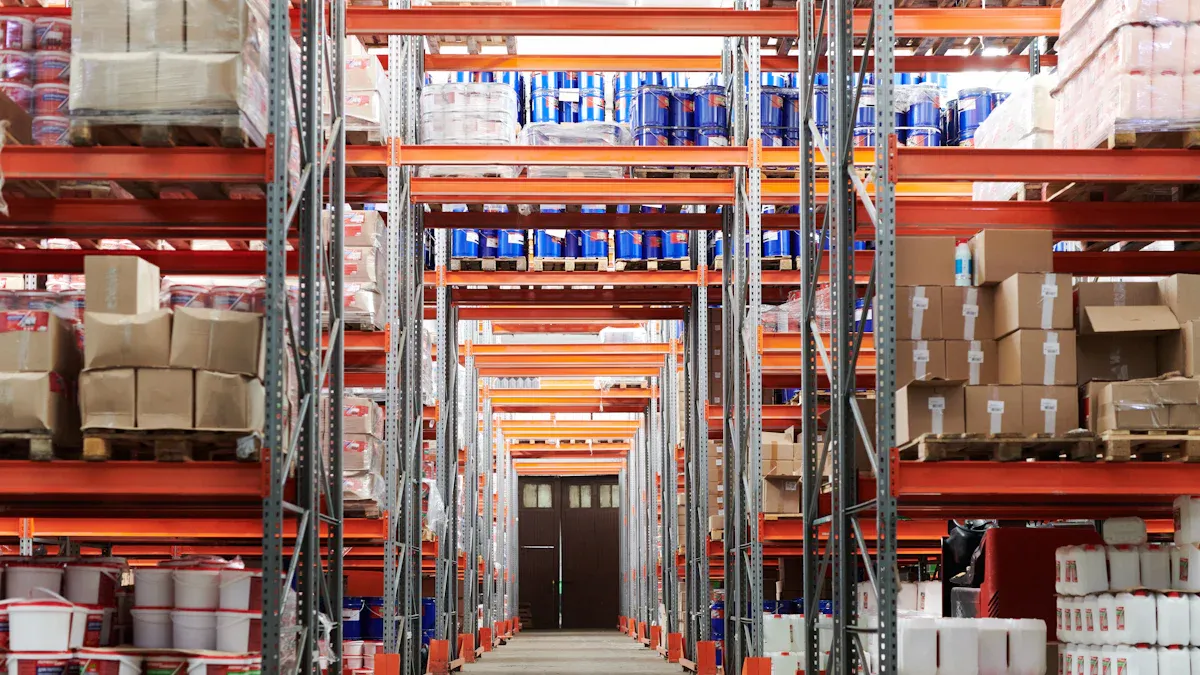
Supply chain efficiency refers to the streamlined process of managing the flow of goods from the manufacturer to the customer, particularly in the B2B sanitary ware supply chain. For bathroom brands, this efficiency is crucial. It not only reduces costs but also enhances product quality. Brands that optimize their supply chains can achieve significant savings by diversifying their sources, which is especially important for OEM/ODM shower hardware. This approach helps them leverage favorable trade agreements and maintain compliance with market regulations.
Timely delivery plays a vital role in customer satisfaction. When brands ensure that products like precision engineering shower handles and corrosion-resistant bathroom fittings, as well as Shower Handles made fromzinc alloy die casting, arrive on time, they build trust and loyalty among their customers.
Key Takeaways
- Supply chain efficiency is vital for bathroom brands. It reduces costs and improves product quality.
- Timely delivery builds customer trust. Ensure products arrive on schedule to enhance satisfaction.
- Adopt lean manufacturing principles to minimize waste. This approach can streamline processes and cut costs.
- Integrate technology for better inventory management. Smart systems help predict demand and reduce waste.
- Build strong supplier relationships. Open communication and mutual goals lead to better pricing and reliability.
- Implement effective inventory management strategies. Organizing stock and using tracking systems can lower costs.
- Focus on quality control throughout production. Rigorous inspections ensure product consistency and customer satisfaction.
- Embrace sustainable practices. Using eco-friendly materials and local sourcing can reduce your carbon footprint.
Understanding the Supply Chain
Overview of Supply Chain Stages
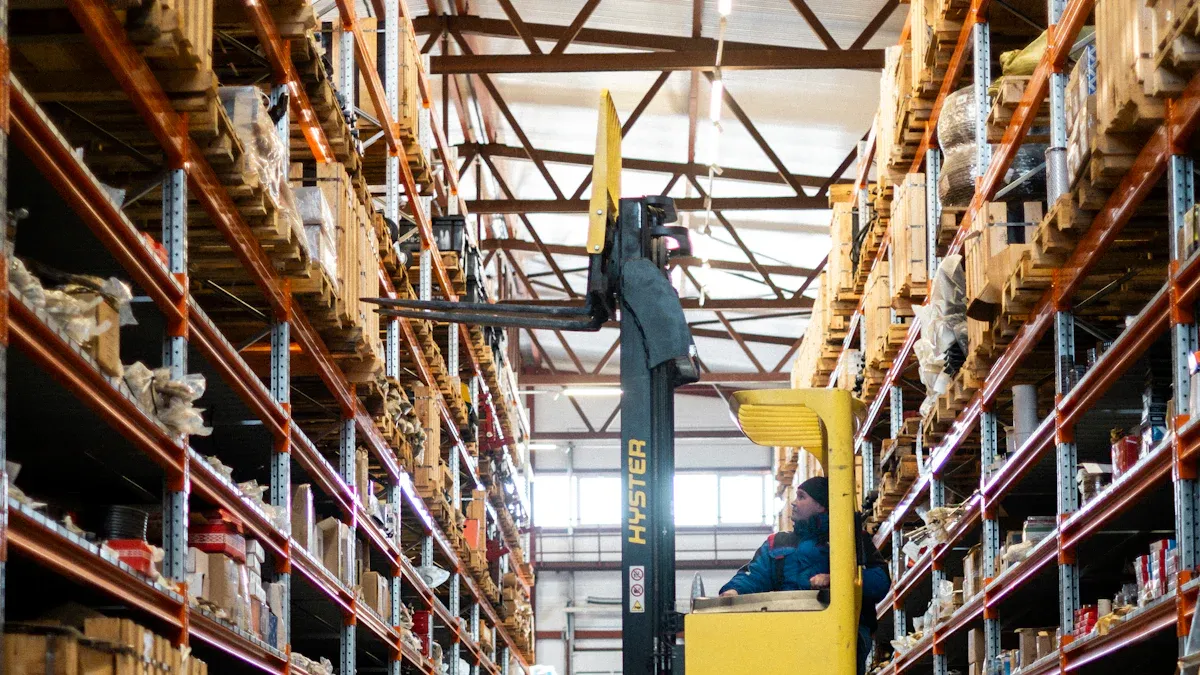
The supply chain for bathroom brands consists of several key stages. Each stage plays a vital role in ensuring efficiency and quality. Here’s a quick overview of these stages:
- Raw Material Extraction: This stage involves sourcing materials like metals and plastics. It significantly impacts water depletion and environmental sustainability.
- Manufacturing: This phase includes processes like die-casting and molding. It contributes to fossil depletion and terrestrial acidification due to energy consumption.
- Transportation: Moving products from one location to another is crucial. This stage accounts for 56% of metal depletion, making it a significant factor in overall efficiency.
- Installation: The final stage where products are installed in bathrooms. This phase has a notable impact on climate change, contributing 26% due to the materials used.
Understanding these stages helps bathroom brands identify areas for improvement and optimize their supply chain.
Role of Die-Casting in Manufacturing
Die-casting is a critical process in the manufacturing of bathroom products. It offers several advantages that enhance efficiency and product quality. Here’s a breakdown of its key characteristics:
| Characteristic | Description |
|---|---|
| High Dimensional Accuracy | Die casting allows for the production of components with precise dimensions. |
| Complex Shapes | The process can create intricate designs that are often required in bathroom fixtures. |
| Thin-Walled Components | Ideal for manufacturing lightweight bathroom products. |
| Mass Production | Enables efficient production to meet market demands. |
| Smooth Surfaces | Produces castings that require minimal post-processing, reducing manufacturing time and cost. |
Die-casting not only ensures high tensile strength, reaching up to 415 MPa, but also provides long-term corrosion resistance. This durability is essential for bathroom products, which must withstand moisture and wear over time.
Transitioning from Raw Materials to Finished Products
Transitioning from raw materials to finished products involves several key steps. Each step is crucial for maintaining quality and efficiency. Here’s a typical process:
- Preparation of Materials: Mixing wood flour, plastic resin, and zinc stearate for wooden seats.
- Molding: Filling molds with the mixture, heating, and clamping to form the seat.
- Finishing: Drilling, sanding, painting, and drying the seats.
- Assembly and Packaging: Screwing together seats and covers, packing with hardware, and boxing.
- Casting for Bowls and Tanks: Preparing vitreous china slurry, filling molds, and drying.
- Firing: Moving pieces through a kiln for hardening.
- Quality Control: Inspecting each piece for defects and ensuring quality standards.
Bathroom brands ensure quality and efficiency during this transition by implementing a robust Quality Management System (QMS). They comply with certifications like UPC and CE, which are essential for market entry. Additionally, manufacturers maintain traceability of raw materials to finished products, supported by testing reports and documentation.
By understanding these processes, bathroom brands can streamline their operations and enhance overall supply chain efficiency.
Key Strategies for Optimization
Lean Manufacturing Principles
Lean manufacturing focuses on minimizing waste while maximizing productivity. Bathroom brands can significantly enhance their supply chain efficiency by adopting these principles. For instance, Rumford Stone faced challenges with their sink handling process, which was complex and error-prone due to various sources of supply. To tackle this, they implemented a lean training program. This program trained key employees and engaged the workforce in lean methodologies.
The training included value stream mapping and Kaizen events, which helped identify and eliminate waste. As a result, Rumford Stone improved their operational metrics and fostered a culture of continuous improvement. By applying lean principles, bathroom brands can streamline their processes, reduce costs, and improve product quality.
Technology Integration
Integrating technology into the supply chain can lead to remarkable improvements in efficiency. Companies are now adopting smart inventory systems and real-time tracking to predict demand more accurately. This integration helps brands manage their stock levels effectively, ensuring they have everything from basic taps to high-end fixtures readily available.
Companies are adopting smart inventory systems and real-time tracking to predict demand more accurately. Integrated ERP software helps forecast stock needs, reducing waste and ensuring warehouses stay stocked with everything from basic taps to high-end fixtures.
The measurable outcomes of such technology integration are impressive:
| Measurable Outcome | Description |
|---|---|
| Reduction in operational costs | Streamlined processes leading to noticeable cost savings. |
| Improvements in delivery times | Enhanced efficiency in the supply chain resulting in faster deliveries. |
| Enhanced inventory management strategies | Strategies developed to minimize waste and maximize profitability. |
By improving forecast accuracy by up to 35%, brands can lower working capital through optimized inventory policies. This alignment of inventory to service goals reduces bias and minimizes forecast error, ultimately enhancing customer satisfaction.
Supplier Relationships
Strong supplier relationships are vital for optimizing the supply chain. These relationships foster collaboration, which is crucial for managing challenges like raw material shortages. When bathroom brands build solid partnerships with suppliers, they often enjoy better pricing terms and priority production slots, enhancing profitability.
Here are some best practices for managing supplier relationships:
- Diversify and monitor your suppliers: Reducing reliance on a single supplier mitigates risks and enhances negotiation power. Regular evaluations and audits help maintain a resilient supply chain.
- Financial stability and timely payments: Prioritizing payments and establishing clear terms fosters trust and prevents relationship strain.
- Foster strong relationships: Open communication and trust are essential. Sharing business goals and investing in supplier development strengthens partnerships.
- Be transparent with your suppliers: Openness about financial situations and challenges encourages collaboration and problem-solving.
By implementing these strategies, bathroom brands can create a more efficient and resilient supply chain, ultimately leading to better products and happier customers.
Inventory Management
Effective inventory management is crucial for bathroom brands aiming to optimize their supply chains. It helps maintain the right balance of stock, ensuring that products like Shower Handles are available when needed without incurring unnecessary costs. Here are some effective strategies for managing inventory:
| Strategy | Description |
|---|---|
| Organizing all inventory | Physically organizing inventory in all storage locations, including warehouses and vehicles, improves efficiency and accessibility. |
| Selecting a system to track inventory | Utilizing inventory management software keeps track of stock levels and locations, especially when inventory is stored in multiple places. |
| Track inventory perpetually | Implementing a perpetual inventory system allows constant monitoring of stock levels, aiding in planning and reducing unnecessary costs. |
| Create a standard operating procedure (SOP) | Developing an official document outlines how inventory is managed, including organization, reordering processes, and record maintenance. |
| Perform audits at least annually | Conducting regular audits ensures that physical inventory matches recorded inventory, helping identify discrepancies and maintain accuracy. |
Optimized inventory management can significantly impact costs and delivery times. Here are some benefits:
- It reduces lead times, directly improving delivery times.
- Minimizing stock levels lowers carrying costs, thus reducing overall expenses.
- Techniques like demand forecasting and automation enhance efficiency in inventory management.
- Centralizing inventory optimizes order grouping and reduces complexity, leading to better cost management.
- Automating replenishment processes saves time and allows for better focus on decision-making.
For instance, a plumbing supply store improved its supply chain management by optimizing its processes. This led to significant cost savings and enhanced customer satisfaction. By diversifying its supplier base, the store reduced reliance on single sources, which contributed to better delivery times and overall efficiency.
Quality Control
Quality control is essential for bathroom brands to ensure product consistency and reliability. Manufacturers prioritize product quality by implementing rigorous quality control measures and adhering to stringent inspection standards. Here are some key areas to focus on:
- Ensuring product quality is a top priority for manufacturers.
- Implementing rigorous quality control measures and adhering to stringent inspection standards.
- Quality control processes should cover all production stages, from raw material procurement to finished product inspection.
- Utilizing advanced technologies like automated inspection systems and statistical process control enhances accuracy and efficiency.
To maintain high standards, bathroom brands can focus on specific quality control measures:
| Quality Control Focus Area | Description |
|---|---|
| Regular Analysis | Implement a strict schedule for chemical analysis to maintain consistency in product quality. |
| Additive Dosing | Use calibrated dosing pumps to ensure precise addition of chemicals, avoiding manual estimation. |
| Impurity Control | Monitor for metallic impurities that can affect the quality of the final product. |
| Rectifier Calibration | Ensure rectifiers provide accurate current to maintain consistent plating results. |
| Temperature & pH | Continuously monitor these parameters to ensure optimal conditions for plating. |
| Load Size & Racking | Standardize configurations to ensure even distribution of current across products. |
| Immersion Time & pH | Control these factors during post-treatment to achieve desired properties. |
| Drying & Curing | Follow recommended procedures to ensure effective post-treatment application. |
| Final Inspection | Conduct thorough checks to validate that all quality control measures were successful. |
By focusing on these areas, bathroom brands can enhance their product quality and ensure customer satisfaction.
Case Studies
Successful Bathroom Brand A
Bathroom Brand A made significant strides in optimizing its supply chain. They focused on reducing production time and inventory investment. After implementing various strategies, they achieved impressive results:
| Metric | Baseline | Optimized | Difference |
|---|---|---|---|
| Production Time (Days) | 40 | 70 | 4% accuracy |
| Inventory Investment Reduction | N/A | N/A | 47% reduction at 90% fill rate |
These changes not only improved their efficiency but also allowed them to respond better to market demands.
Successful Bathroom Brand B
Bathroom Brand B also excelled in supply chain optimization. They implemented several key improvements that led to their success:
- Streamlined procurement processes enhanced efficiency in supply chain workflows.
- Strong relationships with suppliers reduced risks of supply disruptions and quality issues.
- Effective logistics planning ensured timely delivery and avoided operational delays.
- Strategic partnerships with suppliers improved reliability and transparency in operations.
Through their facility in Elkhart, Indiana, they tackled supply chain challenges effectively. By manufacturing and shipping all products domestically, they ensured consistent quality and minimized lead times. This approach proved crucial for maintaining a reliable supply chain and facilitating smoother construction processes.
Lessons Learned from Industry Leaders
The experiences of these successful bathroom brands offer valuable lessons for others in the industry. Here are some key takeaways:
- Understand Organizational Needs: Focusing solely on cost can overlook essential requirements, leading to inefficiencies.
- Involve Team Members: Engaging with those who perform the work can provide insights that improve decision-making.
- Long-term Costs of Cheap Options: Cheaper alternatives can result in higher costs due to inefficiencies and waste.
By applying these lessons, bathroom brands can enhance their supply chain efficiency and ultimately improve their bottom line.
Challenges in Supply Chain Optimization
Common Obstacles Faced by Bathroom Brands
Bathroom brands encounter several challenges when optimizing their supply chains. Here are some of the most common obstacles:
- Single Source Dependency: Relying on one supplier can create vulnerabilities. If that supplier faces issues, it can lead to costly delays and stockouts.
- Localized Disruptions: Natural disasters or regional problems can halt production. Brands must be prepared for unexpected events that can disrupt their supply chains.
- Geopolitical and Economic Volatility: Trade wars and tariff changes can affect costs and planning. Brands need to stay informed about global events that might impact their operations.
- Capacity Limitations: A single supplier may struggle with capacity or quality, leading to delays and customer dissatisfaction.
- Logistical Issues: Even if containers arrive on time, they might have shortages or damage. Port delays can compress schedules, forcing brands to make reactive decisions.
- Mixed Loads: Problems with one product can disrupt multiple product lines. This can lead to inefficiencies and increased costs.
These challenges can significantly impact a brand's ability to deliver quality products on time.
Strategies to Overcome These Challenges
To tackle these obstacles, bathroom brands can implement several effective strategies:
- Diversify Suppliers: By working with multiple suppliers, brands can reduce risks. This approach helps ensure that if one supplier encounters issues, others can step in to fill the gap.
- Strengthen Relationships: Building strong partnerships with suppliers can lead to better communication and collaboration. For example, Renovotec successfully managed a £20 million warehouse project for Easy Bathrooms despite facing significant challenges. They maintained relationships with key technology manufacturers and collaborated with construction teams to mitigate issues.
- Invest in Technology: Utilizing advanced technology can improve visibility and tracking throughout the supply chain. This investment helps brands respond quickly to disruptions and manage inventory more effectively.
- Enhance Logistics Planning: Effective logistics planning can help brands avoid delays. By anticipating potential issues, they can create contingency plans that keep operations running smoothly.
- Regular Audits and Assessments: Conducting regular evaluations of suppliers and logistics partners can help identify potential risks. This proactive approach allows brands to address issues before they escalate.
By implementing these strategies, bathroom brands can navigate the complexities of supply chain optimization and enhance their overall efficiency.
Importance of Die-Casting in Supply Chain

Die-casting plays a vital role in the supply chain for bathroom brands. This manufacturing process not only enhances product quality but also leads to significant cost savings. Let’s explore how efficient die-casting impacts the supply chain.
Cost Savings through Efficient Die-Casting
Efficient die-casting can lead to substantial cost savings for bathroom brands. Here are some ways it achieves this:
- Reduced Material Waste: Die-casting uses molten metal, which minimizes waste compared to other methods. This efficiency lowers material costs.
- Faster Production Rates: The die-casting process allows for rapid production of parts. Brands can produce large quantities of items like shower handles quickly, meeting market demands without delays.
- Lower Labor Costs: Automation in die-casting reduces the need for manual labor. This shift not only cuts labor costs but also speeds up the manufacturing process.
- Less Post-Processing: Die-casting produces parts with smooth surfaces and precise dimensions. This quality reduces the need for additional finishing work, saving time and money.
By leveraging these advantages, bathroom brands can improve their bottom line while maintaining high-quality standards.
Quality Control in Die-Casting Processes
Quality control is essential in die-casting to ensure that products meet the required standards. Here are some key quality control processes used in die-casting for bathroom products:
| Quality Control Process | Description |
|---|---|
| Material Certification | Each aluminum ingot arrives with a Certificate of Analysis (COA) detailing its chemical composition. |
| In-Process Inspections | Continuous monitoring during production catches defects early, including visual checks at demolding. |
| Surface Quality Tests | Visual inspections and roughness tests ensure the surface meets functional and aesthetic standards. |
| Dimensional Verification using CMM | Measurements taken during production ensure parts meet specified tolerances. |
| Final Audits before Shipment | Comprehensive checks, including visual reviews and dimensional conformity checks, occur before export. |
These processes help bathroom brands maintain high-quality standards for their products. By ensuring that each Shower Handle and other components meet strict specifications, brands can enhance customer satisfaction and build trust in their products.
With effective die-casting and robust quality control measures, bathroom brands can optimize their supply chains, reduce costs, and deliver high-quality products to their customers.
Enhancing Supplier Relationships
Building Strong Partnerships
Building strong partnerships with suppliers is essential for bathroom brands. These relationships can lead to better pricing, improved quality, and more reliable delivery times. Here are some key steps to strengthen these partnerships:
- Open Communication: Regularly share updates and feedback. This transparency fosters trust and helps both parties address issues quickly.
- Mutual Goals: Align on shared objectives. When both the brand and supplier work toward common goals, they can achieve greater success together.
- Long-Term Commitment: Invest in the relationship. Long-term partnerships often yield better results than short-term contracts. Brands should show loyalty to their suppliers, which encourages them to prioritize the brand's needs.
Tip: Schedule regular meetings with suppliers to discuss performance and explore new opportunities. This proactive approach can lead to innovative solutions and strengthen the partnership.
Effective Negotiation Strategies
Negotiation plays a crucial role in supplier relationships. Effective negotiation strategies can help bathroom brands secure favorable terms while maintaining strong ties. Here are some strategies to consider:
- Do Your Homework: Research the supplier's market position and competitors. Understanding their strengths and weaknesses can give brands leverage during negotiations.
- Be Clear About Needs: Clearly outline what the brand requires. This clarity helps suppliers understand expectations and reduces misunderstandings.
- Focus on Win-Win Solutions: Aim for outcomes that benefit both parties. When suppliers feel valued, they are more likely to go the extra mile for the brand.
- Be Flexible: Stay open to alternative solutions. Sometimes, suppliers may offer creative options that meet the brand's needs while also benefiting their operations.
- Build Rapport: Establish a friendly relationship with suppliers. A positive connection can make negotiations smoother and more productive.
| Strategy | Description |
|---|---|
| Research | Understand the supplier's market and competitors. |
| Clarity | Clearly communicate needs and expectations. |
| Win-Win Focus | Seek solutions that benefit both parties. |
| Flexibility | Be open to alternative solutions that may arise during negotiations. |
| Rapport Building | Foster a friendly relationship to ease the negotiation process. |
By implementing these strategies, bathroom brands can enhance their supplier relationships. Strong partnerships lead to better supply chain efficiency, ultimately benefiting the brand and its customers.
Sustainable Practices in Supply Chain
Reducing Carbon Footprint
Bathroom brands are increasingly adopting sustainable practices to reduce their carbon footprints. They focus on eco-friendly materials and efficient production methods. Here are some key strategies they use:
- Eco-Certified Products: Wholesalers prioritize low-VOC and recyclable products to meet green requirements. This choice helps minimize harmful emissions.
- Material Efficiency: Manufacturers emphasize using recycled composites and water-based coatings. These materials not only lower carbon footprints but also promote sustainability.
- Local Sourcing: By sourcing materials locally, brands cut down on transportation emissions. This practice supports local economies and reduces the environmental impact.
- Smart Technology: Integrating smart technology into products promotes energy efficiency. For example, water-saving fixtures help conserve resources while maintaining performance.
Additionally, brands are becoming more transparent in their sourcing. They use tools like blockchain to trace product lifecycles. This transparency builds trust with consumers who care about sustainability. Some brands even implement regenerative practices, contributing positively to the environment through initiatives like reforestation.
Innovations in Manufacturing
Manufacturing innovations play a crucial role in enhancing sustainability within bathroom supply chains. Here are some exciting developments:
- Recycled Materials: Many manufacturers now use reclaimed wood, recycled glass, and repurposed metals. This approach reduces waste and the need for virgin resources, making production more sustainable.
- Water-Efficient Technologies: Innovations like low-flow toilets and aerated faucets help conserve water. These products address global water scarcity while ensuring high performance.
- Energy-Efficient Designs: Incorporating LED lighting and energy-saving ventilation systems cuts down on electricity consumption. This shift not only reduces carbon emissions but also lowers energy costs for consumers.
By embracing these innovations, bathroom brands can significantly improve their sustainability efforts. They not only meet consumer demand for eco-friendly products but also contribute to a healthier planet. As these practices become more common, the industry moves closer to a more sustainable future.
Optimizing supply chain efficiency is crucial for bathroom brands. It not only reduces costs but also enhances product quality and customer satisfaction. By implementing strategies like lean manufacturing and technology integration, brands can improve their performance significantly.
The long-term benefits of a streamlined supply chain are clear. Brands can identify growth opportunities, support strategic planning, and enhance operational agility. These advantages help them adapt to market changes and meet consumer demands effectively.
Remember, a well-optimized supply chain can be the key to success in the competitive bathroom industry!
FAQ
What is supply chain efficiency?
Supply chain efficiency refers to how well a company manages the flow of goods from suppliers to customers. It focuses on reducing costs, improving product quality, and ensuring timely delivery.
Why is die-casting important for bathroom brands?
Die-casting is crucial because it allows for precise manufacturing of bathroom products. This process enhances product quality and reduces material waste, leading to cost savings.
How can technology improve supply chain efficiency?
Technology improves efficiency by enabling real-time tracking and smart inventory management. These tools help brands predict demand accurately and manage stock levels effectively.
What are lean manufacturing principles?
Lean manufacturing principles focus on minimizing waste while maximizing productivity. They encourage continuous improvement and efficient processes, which can significantly enhance supply chain performance.
How can bathroom brands build strong supplier relationships?
Brands can build strong supplier relationships by maintaining open communication, aligning on mutual goals, and investing in long-term partnerships. This approach fosters trust and collaboration.
What challenges do bathroom brands face in supply chain optimization?
Common challenges include single-source dependency, logistical issues, and capacity limitations. These obstacles can disrupt production and affect product delivery.
How can brands ensure quality control in their supply chain?
Brands can ensure quality control by implementing rigorous inspection processes, using advanced technologies, and adhering to industry standards throughout production.
What sustainable practices can bathroom brands adopt?
Bathroom brands can adopt sustainable practices like using eco-friendly materials, sourcing locally, and integrating energy-efficient technologies to reduce their carbon footprint.