



Scalable OEM Solutions for Large-Scale Construction Projects: Custom Door Handle Manufacturing

Large-scale construction projects demand specialized solutions for custom door handle manufacturing. Scalable OEM partnerships offer flexible production, tailored design, and robust quality control. These partnerships leverage expertise to meet both aesthetic vision and functional requirements for complex projects. They ensure the precise integration of Architectural Door Handles. Such solutions are vital for providing high-quality Hotel Project Hardware, ensuring consistent performance and design.
Key Takeaways
- Large building projects need special Door Handles. OEM partners help make these handles.
- OEM solutions offer custom designs. They ensure all Door Handles look the same.
- Door Handles must be strong. They need to last a long time, even with much use.
- OEMs use good plans for making Door Handles. They also deliver them on time.
- OEMs make many Door Handles at once. This helps save money.
- OEMs check door handle quality very carefully. They follow strict rules.
- Choosing the right OEM partner is important. It helps make sure the project is successful.
The Unique Challenges of Door Handle Hardware in Large-Scale Construction
Volume and Consistency Requirements for Door Handles
Maintaining Uniformity Across Thousands of Units
Large-scale construction projects often require thousands of identical Door Handles. Maintaining uniformity across all these units presents a significant challenge. Each handle must look and feel the same, ensuring a consistent user experience throughout the entire building. This consistency reflects the project's overall quality and attention to detail.
Managing Subtle Variations in Door Handle Design
Even with a uniform design, subtle variations can occur during manufacturing. Project managers must carefully manage these differences. They ensure that any minor deviations do not compromise the aesthetic or functional integrity of the Door Handles. This requires strict quality control measures at every production stage.
Design Integration and Aesthetic Cohesion of Door Handles
Aligning Door Handle Hardware with Architectural Vision
Door Handle designs are no longer merely functional; theyelevate the overall aesthetic of a space. They transform an ordinary doorway into a stunning focal point. Modern designs blend form and function, combining ergonomic features with sleek aesthetics. This reflects a statement of style and sophistication. The choice of design, whether classic with ornate details or modern with clean lines and innovative materials, directly complements the architectural vision of a building. The selection of Door Handles significantlyinfluences the intended atmosphere of a space. For instance, sleek, streamlined Door Handles in a contemporary office contribute to a professional and uncluttered look. Ornate, decorative door hardware can add a touch of luxury and elegance to the grand entrance of a historic building.
Contributing to Brand Identity and Project Theme with Custom Door Handles
Hardware, including door handles, immediately conveys a sense of quality and elegance. This sets the tone for the entire environment. Aesthetically pleasing hardware also improves functionality. Ergonomically designed handles contribute to ease of use and overall user experience. Hardware serves as a cohesive element, tying together various design components by matching finishes or completing architectural motifs. In commercial settings, consistent design in hardware reinforces brand messaging and image. Well-designed hardware ensures lasting satisfaction and maintains its aesthetic value over time.
Durability and Performance Standards for Door Handles
Meeting High-Traffic Demands for Door Handles
Door handles in large-scale projects must withstand constant use. High-traffic environments, such as schools, hospitals, and public buildings, demand maximum durability and strength. Handles must endure constant opening and closing without wear. They must resist daily friction, impacts, and continuous motion. Industry standards categorize usage: Residential (Grade 1) for light use, Commercial (Grade 2) for moderate to heavy use, and Heavy Duty (Grade 3) for high-traffic areas.
Adhering to Specific Environmental Requirements for Door Handles
Environmental factors also dictate handle specifications. Handles must resist corrosion and rust in environments with moisture, humidity, or chemicals. Examples include bathrooms, kitchens, or coastal areas. Finishes should resist scratching, smudging, and staining to maintain appearance despite regular cleaning. Handles must also meet accessibility standards like ADA, ensuring ease of grip and operation for all users.
Logistics and Supply Chain Complexity for Door Handles
Large-scale construction projects involve intricate logistics. Managing the supply chain for specialized components like door handles presents significant challenges. Project managers must ensure timely delivery and proper handling of thousands of units. This complexity requires meticulous planning and execution.
Coordinating Procurement and Delivery Schedules for Door Handles
Procuring door handles for large projects demands precise coordination. Construction timelines are often tight. Delays in material delivery can halt progress and increase costs. Project teams must work closely with manufacturers and suppliers. They establish clear delivery schedules. These schedules often involve phased deliveries. This approach ensures materials arrive exactly when needed. It minimizes on-site storage requirements. Effective communication channels are crucial. They allow for quick adjustments to unforeseen circumstances. For example, a sudden change in a construction phase requires immediate updates to the delivery plan. This proactive management prevents bottlenecks. It keeps the project moving forward efficiently.
Managing Multiple Project Phases for Door Handle Installation
Large construction projects unfold in distinct phases. Each phase has specific material requirements. Door handle installation typically occurs during the finishing stages. This means project managers must track different types of handles for various areas. A building might have public access handles, private office handles, and specialized security handles. Each type requires specific delivery and installation timing. Accurate inventory management becomes paramount. It prevents misplacement or damage to components before installation. Proper labeling of packages ensures the correct handles reach their designated locations. This systematic approach minimizes errors. It also reduces the need for costly reorders or rework. Efficient management of these phases contributes significantly to overall project success. It ensures every Door Handle fits its intended purpose and location perfectly.
What Are Scalable OEM Solutions for Custom Door Handle Manufacturing?
Scalable Original Equipment Manufacturer (OEM) solutions provide specialized services for large-scale construction projects. These solutions offer tailored production and design expertise. They ensure that custom hardware meets specific project demands.
Defining OEM in the Context of Custom Door Handle Production
OEM partnerships involve a manufacturer producing goods or components that another company sells under its own brand. For custom door handles, this means a specialized manufacturer handles the design and production.
Bespoke Design and Manufacturing Services for Door Handles
OEMs offer bespoke design and manufacturing services. They create unique door handles that perfectly match a project's aesthetic and functional requirements. This includes developing new designs from scratch or modifying existing ones. The OEM partner works closely with the client to translate architectural visions into tangible hardware.
Partnership for Specialized Door Handle Component Production
An OEM acts as a partner for specialized component production. They focus on manufacturing specific parts, like door handles, with high precision and quality. This partnership allows construction companies to leverage the OEM's expertise without investing in their own manufacturing facilities. The OEM handles the complexities of production, ensuring consistent quality and timely delivery.
Key Characteristics of Scalable OEM Partnerships for Door Handles
Scalable OEM partnerships possess distinct characteristics. These features make them ideal for large construction projects. They offer flexibility and dedicated support.
Flexible Production Capacity and Advanced Technology for Door Handles
Scalable OEMs have flexible production capacities. They can adjust output to meet varying project demands, from hundreds to thousands of units. These manufacturers utilize advanced technology, such as CNC machining and automated assembly lines. This technology ensures precision, efficiency, and consistent quality in every door handle produced.
Dedicated Project Management and Support for Custom Door Handles
OEM partnerships often include dedicated project management and support. A project manager oversees the entire manufacturing process. This person acts as a single point of contact for the client. They ensure clear communication and address any issues promptly. This dedicated support streamlines the project lifecycle, from initial design to final delivery.
Benefits Over Off-the-Shelf or Small-Batch Door Handle Production
Choosing scalable OEM solutions offers significant advantages over standard off-the-shelf or small-batch production methods. These benefits include cost savings, enhanced customization, and improved quality.
Cost-Effectiveness Through Economies of Scale for Door Handles
OEM partnerships achieve cost-effectiveness through economies of scale. Producing large volumes of custom door handles reduces the per-unit cost. OEMs optimize their manufacturing processes for efficiency. This optimization leads to lower material and labor costs. Clients benefit from competitive pricing without compromising quality.
Enhanced Customization and Quality Control for Door Handles
OEM partnerships provide enhanced customization and stringent quality control. They allow for strict control over every production step, from molding to shipment. This ensures high quality and improves product qualification rates. Manufacturers precisely control plating thickness, for example, Cu ≥ 15um, Ni ≥ 10um, Cr ≥ 0.15um. They also perform rigorous salt spray tests, such as neutral 240 hours or acidic 48 hours, with customization available for over 480 hours neutral salt spray testing. Manufacturers commit to never using return material directly for die-casting production, further ensuring quality.
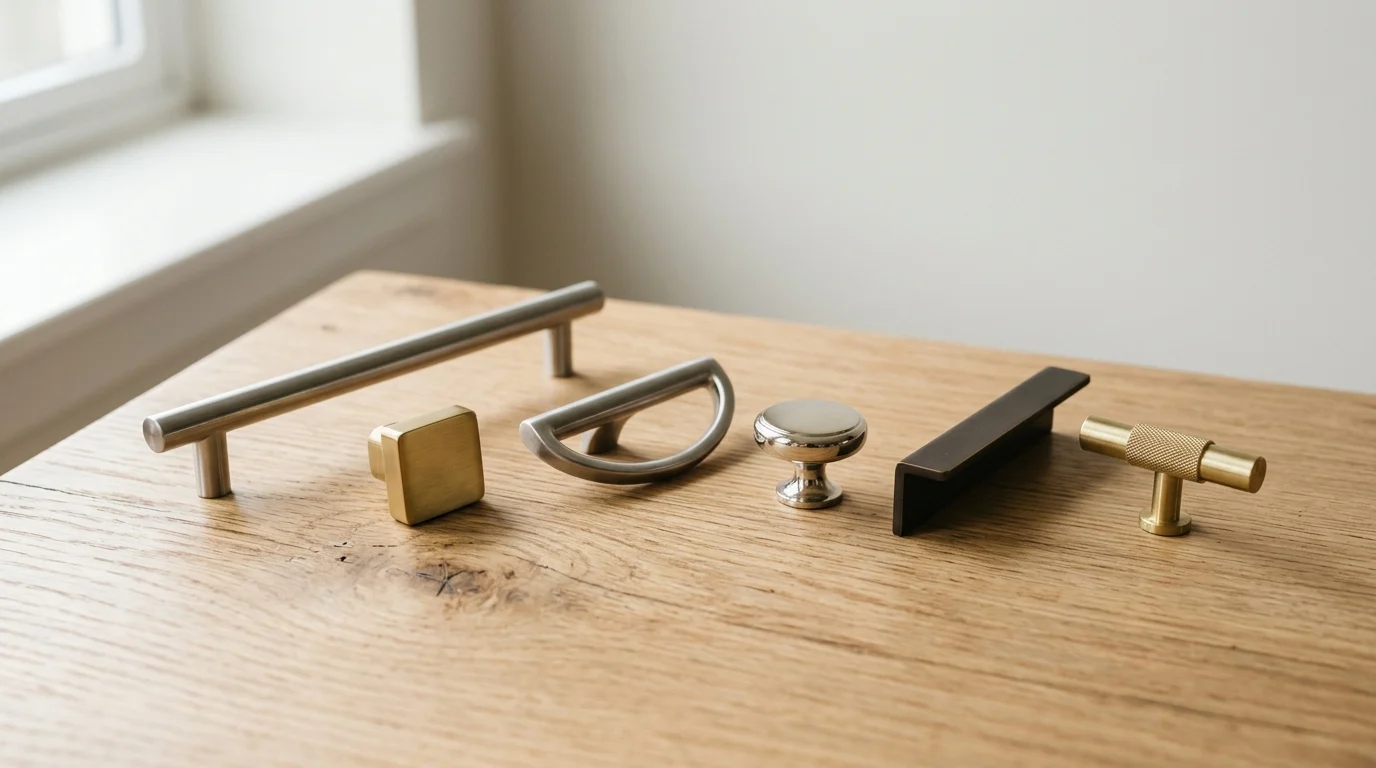
OEMs offer a tailored fit. Handle locks can be customized to match door or cabinet specifications, ensuring a perfect fit. Custom finishes and logos help distributors build brand identity. Different markets, such as Europe, the Middle East, and Southeast Asia, have unique standards for handle dimensions and key systems. OEM partnerships can address these specific requirements. Clients can choose from various material options, including zinc alloy, aluminum, or stainless steel, based on environment and cost. Customization extends to surface finishes, such as chrome, nickel, black matte, powder-coated, or brushed styles. Flexible key systems are available, including keyed alike, master key systems, and restricted profiles for enhanced security. OEMs can also engrave or stamp logos on both the handle and key head. They can modify handle lengths or cylinder diameters for specific installations. This ensures consistent quality from a dedicated production line and flexible customization for materials, finishes, logos, and key systems.
All designs are fabricated in an ISO 9001:2015 certified manufacturing facility. This certification ensures consistent performance and exacting quality standards. The manufacturing process emphasizes precision machining, material integrity, and repeatable results for large-scale OEM applications. Premium metals, such as solid brass, aluminum, zinc, steel, and stainless steel, are used for strength, corrosion resistance, versatility, and a refined finish. Process control ensures every unit matches specifications, providing consistency across large production runs. Strict quality control protocols are maintained from raw material inspection to final assembly. Engineers oversee testing for strength, endurance, appearance, and surface finish. Flexible customization options include finish options (brushed, polished, matte), material variations (aluminum, stainless steel, solid brass), and design adaptations (dimensions, shapes, mechanical features). OEMs also offer engineering support and collaboration. They work closely with design and engineering teams to ensure hardware compatibility and long-term reliability. This includes product integration assistance, material guidance, and testing documentation.
Streamlined Supply Chain Management for Door Handles
OEM partnerships streamline supply chain management. The OEM handles sourcing, manufacturing, and logistics. This reduces the burden on the construction project team. They manage inventory, coordinate deliveries, and ensure materials arrive on schedule. This integrated approach minimizes delays and optimizes resource allocation.
The Custom Door Handle Manufacturing Process for Large Projects

Initial Consultation and Design Brief for Custom Door Handles
Defining Project Needs and Aesthetic Goals for Door Handles
The custom door handle manufacturing process begins with a thorough initial consultation. Here, project stakeholders define their specific needs and aesthetic goals. They articulate the overall architectural vision for the building. This includes discussing desired styles, finishes, and how the hardware integrates with the interior design. The OEM partner actively listens to these requirements. They ensure a clear understanding of the client's vision for every Door Handle.
Establishing Functional Requirements and Specifications for Door Handles
Beyond aesthetics, establishing functional requirements is crucial. This involves detailing performance expectations for the door handles. Factors like usage frequency, security levels, and accessibility standards are discussed. The OEM team translates these needs into precise technical specifications. They consider dimensions, mounting types, and compatibility with existing door systems. This detailed brief forms the foundation for the entire manufacturing journey.
Prototyping and Material Selection for Custom Door Handles
Developing Samples for Door Handle Approval
After the design brief, the OEM develops prototypes. These physical samples allow clients to evaluate the look, feel, and finish against their design mockups. They test for fit and function by installing prototypes on actual doors. This assesses smooth movement, secure attachment, and compatibility with locking systems. This iterative process ensures the final product meets all expectations before mass production.
Choosing Appropriate Materials for Door Handle Durability and Finish
Material selection is a critical step for durability and aesthetic finish. Manufacturers recommend materials like brass, stainless steel, and aluminum for their quality and longevity. For grip features, options include acrylic, wood, or metal. A wide array of finishes are available, such as polished chrome, satin nickel, matte black, or antique brass. These choices ensure the door handles withstand high traffic and complement the project's design. Zinc alloy door handles also offer exceptional durability and rust resistance, available in various colors.
Advanced Manufacturing and Quality Control for Door Handles
Utilizing CNC Machining and Casting Techniques for Door Handles
Advanced manufacturing techniques ensure precision and consistency. OEMs frequently utilize CNC machining for intricate designs and tight tolerances. Casting techniques, such as die-casting, form complex shapes efficiently. These methods guarantee each door handle meets exact specifications. They also support high-volume production while maintaining superior quality.
Implementing Rigorous Quality Assurance Protocols for Door Handles
Rigorous quality assurance protocols are essential throughout the manufacturing process. Manufacturers adhere to local building codes regarding acceptable materials, finishes, and installation methods. They verify product quality before installation through physical samples and on-site inspections. This checks for finish, fit, and function. OEMs also ensure compliance with fire safety standards, selecting materials that withstand high temperatures. They request certifications like ISO 9001 for quality management, fire safety, and building code compliance. These steps guarantee product reliability and safety.
Logistics, Packaging, and Delivery of Custom Door Handles
Effective logistics, precise packaging, and timely delivery are crucial for large-scale construction projects. These elements ensure the smooth integration of custom hardware into complex building schedules. OEMs manage these critical phases with expertise.
Efficient Packaging and Labeling Strategies for Door Handles
OEMs implement robust packaging strategies to protect custom hardware during transit and storage. Each item receives individual wrapping. This prevents scratches and damage. Manufacturers then place these wrapped items into sturdy boxes. Protective inserts further secure the contents. This meticulous approach minimizes the risk of damage from handling or environmental factors.
Clear and comprehensive labeling is equally vital. Each package displays essential information. This includes product codes, project phase, and specific installation locations. Labels also indicate quantities. This detailed labeling system allows construction teams to quickly identify and sort components upon arrival. It significantly reduces time spent searching for specific items. Efficient labeling prevents installation delays and minimizes errors on site. It ensures the right hardware reaches the correct part of the building at the appropriate time.
Phased Delivery to Construction Sites for Door Handles
Large construction projects operate on strict timelines. Phased delivery strategies align perfectly with these schedules. OEMs coordinate closely with project managers. They establish a delivery plan that matches the construction progress. This often involves just-in-time delivery. Materials arrive precisely when needed for installation.
This approach offers several benefits. It reduces the need for extensive on-site storage space. This is particularly valuable on crowded construction sites. It also minimizes the risk of theft, loss, or damage to valuable components. By delivering hardware in stages, OEMs help maintain an organized and efficient workflow. This systematic delivery process prevents bottlenecks. It ensures construction teams have the necessary hardware without unnecessary delays. This strategic coordination contributes significantly to overall project efficiency and cost control.
Key Considerations When Choosing an OEM Partner for Custom Door Handles
Selecting the right OEM partner for custom hardware is a critical decision for large-scale construction projects. A suitable partner ensures the successful realization of design visions and the consistent delivery of high-quality products. Project managers must carefully evaluate several key factors.
Manufacturing Capabilities and Capacity for Door Handles
Assessing High-Volume Production Ability for Door Handles
Project teams must thoroughly assess an OEM's ability to handle high-volume production. They should determine if the OEM operates as a true manufacturer. This includes in-house control over critical processes like die-casting, machining, and finishing. Key indicators of capability include factory size, staff count, and years of operation. Project managers also confirm their ability to produce bespoke designs, unique finishes such as matte black or satin black, and non-standard sizes. They verify the OEM's expertise with specific materials, for example, marine-grade stainless steel, and their capacity to integrate branding. Requesting examples of previous custom projects provides valuable insight. Furthermore, project teams demand adherence to international standards like ISO 9001. They inquire about specific testing protocols for finishes, such as salt spray testing (ASTM B117) for corrosion resistance, adhesion tests, wear resistance tests, and UV stability. They verify relevant market certifications, including CE and ANSI/BHMA. Finally, they ensure the OEM can meet required order volumes (Minimum Order Quantity - MOQ) and possesses the capacity for future growth. They confirm the OEM's experience with international shipping and export documentation.
Evaluating Complex Design Handling Expertise for Door Handles
An OEM partner's expertise in handling complex designs is paramount. Large-scale projects often feature intricate architectural details. The OEM must demonstrate a proven track record of translating these complex visions into functional hardware. This involves advanced engineering capabilities and a deep understanding of material properties. They should show examples of previous projects where they successfully navigated challenging design specifications. This ensures the OEM can deliver on unique aesthetic and functional requirements.
Design and Engineering Expertise for Custom Door Handles
Strong Research and Development Teams for Door Handles
A strong research and development (R&D) team is a hallmark of an excellent OEM partner. These teams drive innovation. They explore new materials, manufacturing techniques, and design possibilities. Their expertise allows for the creation of cutting-edge hardware solutions. This ensures the project benefits from the latest advancements in design and functionality. A robust R&D department also provides problem-solving capabilities for unforeseen challenges during the design phase.
Translating Architectural Visions into Functional Door Handle Hardware
OEM partners excel at tailoring hardware to fit any project. They offer customizable designs that complement aesthetic preferences and functional requirements. They provide creative freedom in selecting shapes, from sleek and modern to traditional and ornate, for various hardware types. The design process involves thorough research, prototype creation, material selection, and engineering calculations. This ensures efficiency and manufacturability. This directly translates architectural visions into functional hardware. Interlock specializes in collaborating with window and door manufacturers to create innovative hardware designs that differentiate products. Vision Hardware possesses a highly skilled team of in-house engineers. They design custom solutions and duplicate existing parts to meet OEM needs.
Quality Assurance and Certifications for Door Handles
Adherence to Industry Standards and Testing for Door Handles
Adherence to industry standards and rigorous testing protocols is non-negotiable for OEM partners. These standards ensure product quality, reliability, and safety.
| Certification/Standard | Scope |
|---|---|
| EN 1906 | European standard for door handles |
| DIN 18273/DIN 18255 | Dimensions and specifications for door handles |
| EN 1634-1 | Fire-testing for timber/steel fire doors |
| ISO 9001:2015 (UKAS) | Quality management system for production |
| CE certification | Product compliance (Intertek & Warrington) |
| ISO 14001 | Environmental management system |
| ISO 45001 | Occupational health and safety management system |
These certifications demonstrate an OEM's commitment to excellence. They provide assurance that products meet stringent international requirements.
Importance of Product Reliability and Safety Certifications for Door Handles
Product reliability and safety certifications are crucial for large-scale construction projects.
| Certification/Standard | What It Ensures/Purpose |
|---|---|
| ANSI/BHMA A156 | Industry benchmarks for door hardware |
| ISO 9001 | Process quality control and documentation |
| IATF 16949 | Automotive-level production management |
| CE Marking | Product compliance in EU markets |
| Fire-Rating Certifications | Safety for emergency exit systems |
| ANSI/ASQ Z1.4 | Statistical standard for quality control |
| AQL 0.65 / 1.0 / 2.5 | Acceptable Quality Limits depending on order type |
These certifications guarantee the hardware performs as expected under various conditions. They also ensure compliance with safety regulations. This minimizes risks and liabilities for the project. Choosing an OEM with comprehensive certifications ensures long-term performance and peace of mind.
Project Management and Communication for Custom Door Handles
Effective project management and clear communication are crucial for successful OEM partnerships. These elements ensure smooth execution and prevent costly delays in large-scale construction projects.
Value of a Dedicated Project Manager for Door Handles
A dedicated project manager serves as the primary point of contact between the client and the OEM. This individual oversees all aspects of the custom door handle manufacturing process. They manage timelines, resources, and budgets. The project manager ensures that production milestones are met. They also address any issues that arise promptly. This focused oversight minimizes misunderstandings and keeps the project on track. Clients benefit from consistent updates and a single, reliable source of information.
Clear Communication Channels Throughout the Door Handle Project Lifecycle
Establishing clear communication channels is essential for project success. Regular meetings, detailed progress reports, and accessible contact methods facilitate effective information exchange. The OEM partner should provide transparent updates on design, prototyping, manufacturing, and delivery. This open dialogue allows for quick adjustments and informed decision-making. It ensures all stakeholders remain aligned with project goals. Clear communication prevents errors and fosters a collaborative working relationship.
Cost-Effectiveness and Value Proposition of OEM Door Handles
OEM solutions offer significant cost-effectiveness and a strong value proposition for large-scale construction projects. They provide financial benefits and operational efficiencies that off-the-shelf options cannot match.
Long-Term Value Through Economies of Scale for Door Handles
OEM partnerships leverage economies of scale to deliver long-term value. Producing custom door handles in large volumes significantly reduces the per-unit cost. OEMs optimize their manufacturing processes for efficiency. This optimization leads to lower material procurement costs and reduced labor expenses. Clients receive high-quality, custom-designed hardware at a competitive price point. This cost advantage translates into substantial savings over the project's lifespan.
Reduced Waste and Tailored Solutions for Door Handles
OEM solutions minimize waste by providing tailored products. Custom manufacturing ensures that every door handle perfectly fits the project's specific requirements. This eliminates the need for modifications or replacements often associated with generic, off-the-shelf products. Tailored solutions also mean optimal material usage, reducing scrap and environmental impact. Clients receive precisely what they need, avoiding unnecessary inventory and associated costs. This precision in production enhances overall project efficiency and sustainability.
Real-World Applications of Custom Door Handle OEM Solutions

Custom door handle OEM solutions prove invaluable across diverse large-scale construction projects. They provide tailored hardware that meets specific design and functional demands. These partnerships ensure successful project outcomes in both commercial and residential sectors.
Successful Implementation in a Commercial High-Rise with Custom Door Handles
Custom Door Handles for a Landmark Office Building
Landmark office buildings require door handles that reflect their prestige and functionality. Custom OEM solutions deliver unique designs. These designs align with the building's architectural identity. They also ensure high performance for daily use. OEM partners create handles that withstand heavy traffic. They maintain their aesthetic appeal over time. This contributes to the building's overall value and user experience.
Achieving Aesthetic and Functional Consistency with Door Handles
Achieving consistent aesthetics and functionality across a large commercial high-rise is paramount. OEM solutions make this possible. They ensure every door handle matches the project's exact specifications. For example, ZY Smart Locks supplied 8,400 custom smart lock cores for 37 properties of a hotel group. These cores endured heavy use. They integrated seamlessly with existing hardware. They also matched the brass finish perfectly. This implementation resulted in a 62% reduction in maintenance costs over three years. It primarily eliminated lost-key fees. A custom smart lock solution was also implemented in a Fortune 500 office. It integrated with the office's existing badge system. This achieved a payback period of 14 months. These examples highlight the dual benefits of aesthetic harmony and robust performance.
Custom Door Handle Solutions for a Residential Development
Bespoke Door Handle Hardware for a Luxury Apartment Complex
Luxury apartment complexes demand bespoke hardware that elevates the living experience. Custom OEM solutions provide unique door handles. These handles complement the complex's high-end design. They offer residents a sense of exclusivity and quality. OEM partners work closely with developers. They create hardware that enhances the complex's luxurious appeal. This includes selecting premium materials and finishes.
Ensuring Brand Cohesion Across Multiple Units with Custom Door Handles
Maintaining brand cohesion across numerous units in a residential development is crucial. Custom door handle OEM solutions ensure this consistency. Suppliers offer custom engravings and logo integration. This reinforces the development's brand identity. They also provide consistent finish batches across large orders. For instance, E-Pai Metal Products Co., Ltd. specializes in uniform satin nickel finishes across large batches. This ensures brand alignment. This meticulous attention to detail creates a unified and recognizable aesthetic. It enhances the overall brand perception of the luxury apartment complex.
Scalable OEM solutions for custom door handle manufacturing represent a strategic imperative for large-scale construction projects. These partnerships empower unique design visions, ensuring consistent quality at high volumes. They also streamline supply chains effectively. A successful OEM partner offers:
- Core Manufacturing Capability: Demonstrating strong production capacity and in-house expertise.
- Customization Expertise: Matching design visions with technical feasibility.
- Quality Assurance: Adhering to recognized industry standards.
- Reliability: Ensuring on-time delivery and consistent performance.
Selecting the right OEM partner proves critical for project success, delivering both aesthetic excellence and functional reliability in door handle hardware.
FAQ
What is an OEM solution for custom door handles?
An OEM solution involves a specialized manufacturer producing door handles for another company. This partner handles design and production. They create bespoke hardware. This allows construction companies to leverage expert manufacturing without internal facilities.
Why should large-scale projects choose OEM door handles over off-the-shelf options?
OEM solutions offer significant advantages. They provide cost-effectiveness through economies of scale. They also ensure enhanced customization and stringent quality control. OEMs streamline supply chain management. This reduces project complexities and costs.
How do OEMs ensure quality for custom door handles?
OEMs implement rigorous quality assurance protocols. They adhere to industry standards and certifications like ISO 9001. Manufacturers conduct extensive testing for durability and performance. They also ensure material integrity and consistent production processes.
What is the typical process for custom door handle manufacturing?
The process begins with an initial consultation and design brief. Next, prototyping and material selection occur. Advanced manufacturing techniques follow, with strict quality control. Finally, OEMs manage logistics, packaging, and delivery to the construction site.
How do OEMs handle large volumes of door handles while maintaining consistency?
Scalable OEMs possess flexible production capacity and advanced technology. They utilize CNC machining and automated lines. This ensures precision and uniformity across thousands of units. Dedicated project management also supports consistent quality and delivery.
What certifications should an OEM partner have for door handles?
An ideal OEM partner holds certifications like ISO 9001 for quality management. They also possess relevant industry standards such as EN 1906 or ANSI/BHMA A156. Fire-rating and safety certifications are also crucial for product reliability.
Can OEMs match specific architectural styles for door handles?
Yes, OEMs excel at tailoring hardware to fit any project. They offer bespoke design and engineering expertise. Their R&D teams translate architectural visions into functional hardware. This ensures the door handles complement the building's aesthetic and brand identity.