
Zinc Alloy vs. Brass vs. Stainless Steel Basin Faucets: Material Comparison Guide for B2B Buyers
Choosing the right material for Basin Faucets can feel overwhelming, especially when considering thezinc alloy vs brass faucetdebate. With options like Zinc Alloy, brass, and stainless steel, each has its unique benefits. For instance, Zinc Alloy is often seen as a budget-friendly choice, while brass stands out for its durability and resistance to corrosion. Stainless steel is a popular pick for modern designs.
To help B2B buyers make informed decisions, it's essential to understand the characteristics of each material in a basin faucet material comparison. Here's a quick look at how they stack up:
| Material | Characteristics |
|---|---|
| Solid Brass | Durable, corrosion-resistant, widely specified |
| Stainless Steel | Viable alternative for design-driven projects |
| Zinc Alloy | Limited to budget applications |
Understanding these differences can guide you toward the best material for bathroom faucet projects, especially when considering zamak faucet advantages and how they might fit into your design needs.
Key Takeaways
- Zinc Alloy Faucets arebudget-friendly, making them ideal for projects with tight financial constraints.
- Brass faucets offer excellent durability and corrosion resistance, suitable for high-traffic areas like public restrooms.
- Stainless Steel Faucets provide a modern look and require low maintenance, making them perfect for contemporary designs.
- Consider the expected usage and traffic when selecting faucet materials to ensure longevity and performance.
- Evaluate the long-term value of faucets, as higher initial costs for brass and stainless steel can lead to savings over time.
- Regular maintenance is essential for brass faucets to prevent tarnishing and maintain their appearance.
- Zinc Alloy Faucets are best for light-duty applications, while brass and stainless steel are better for demanding environments.
- Sustainability matters; choose materials that are recyclable and have eco-friendly features to align with green initiatives.
Zinc Alloy Faucets
Properties of Zinc Alloy
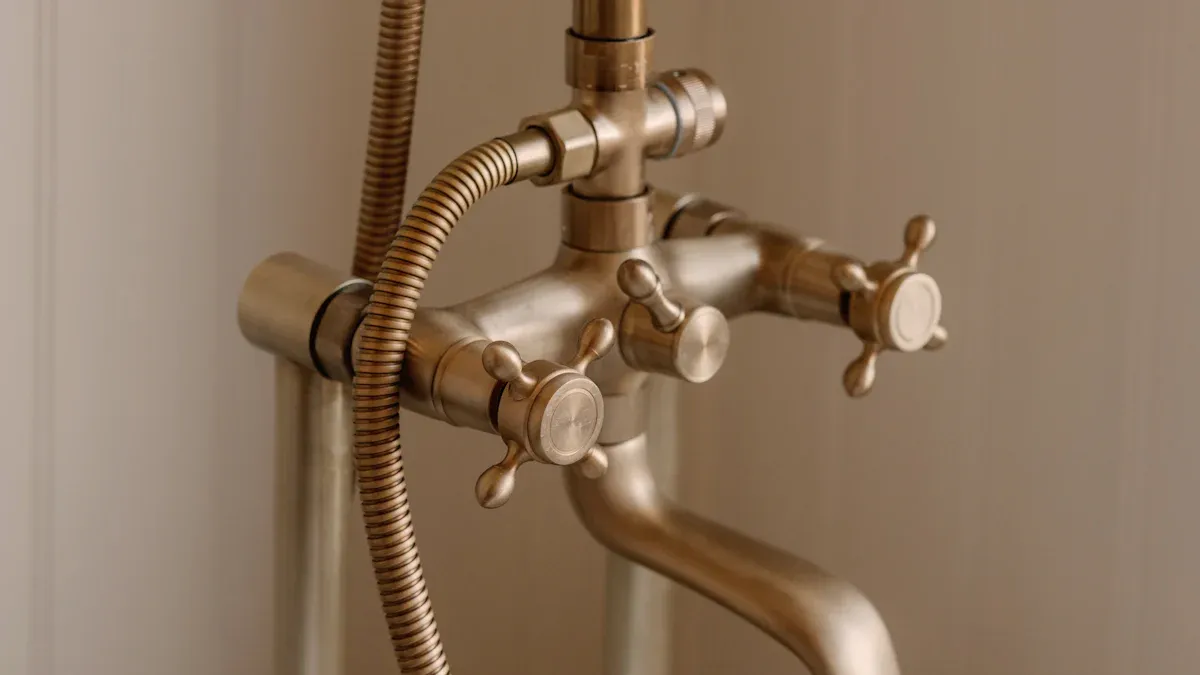
Zinc alloy is a popular choicefor Basin Faucets, especially in budget-conscious projects. This material combines zinc with other metals, such as aluminum and copper, to enhance its strength and durability. Zinc alloy faucets often feature a shiny finish, giving them an attractive appearance. They are lightweight, making installation easier compared to heavier materials. However, they may not be as robust as brass or stainless steel options.
Advantages of Zinc Alloy
Zinc alloy faucets come with several benefits that make them appealing for various applications:
- Cost-Effective: These faucets are generally more affordable than brass or stainless steel options. This makes them a great choice for large-scale projects where budget constraints are a concern.
- Corrosion Resistance: Zinc alloy has decent resistance to corrosion, especially when coated with protective finishes. This helps maintain the faucet's appearance over time.
- Versatile Design: Manufacturers can easily mold zinc alloy into various shapes and styles, allowing for a wide range of designs that can fit different aesthetics.
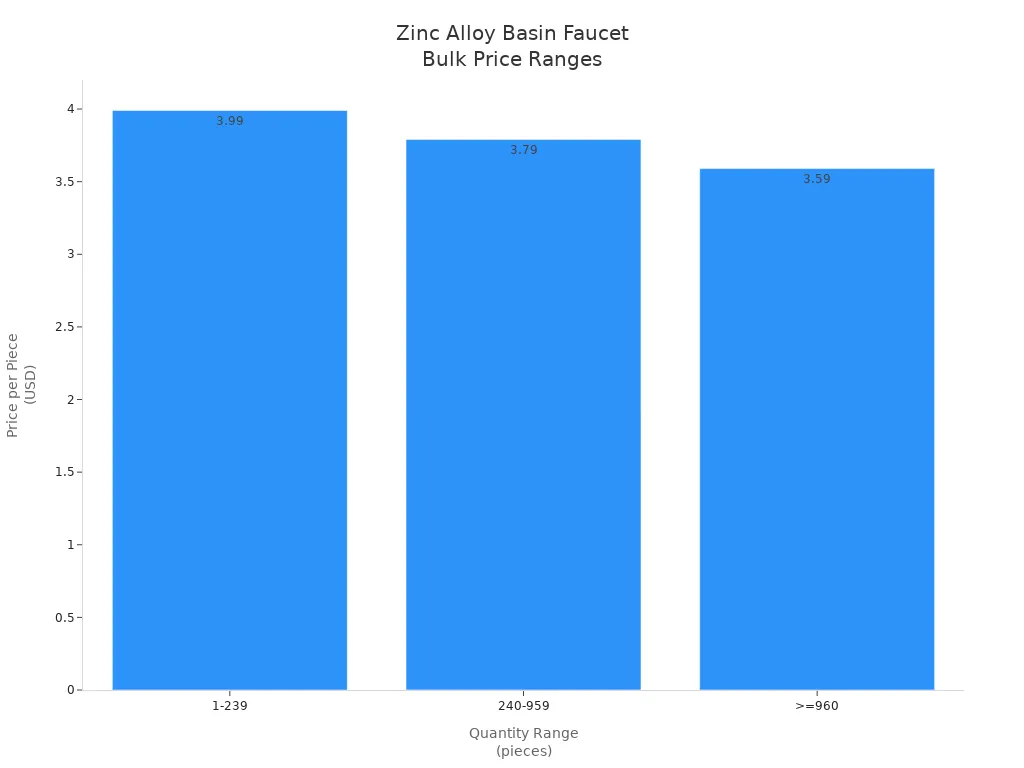
For bulk purchases, the price of zinc alloy basin faucets varies based on quantity. Here’s a quick look at the pricing structure:
| Quantity (pieces) | Price per piece |
|---|---|
| 1 - 239 | $3.99 |
| 240 - 959 | $3.79 |
| >= 960 | $3.59 |
Disadvantages of Zinc Alloy
While zinc alloy faucets have their perks, they also come with some drawbacks:
- Lower Durability: Compared to brass and stainless steel, zinc alloy may not withstand heavy use as well. This can be a concern in high-traffic areas like public restrooms.
- Potential for Wear: Over time, zinc alloy faucets can show signs of wear and tear, especially if they are not properly maintained. This can lead to a shorter lifespan compared to more durable materials.
- Limited Applications: Due to their lower durability, zinc alloy faucets are often best suited for less demanding environments, such as residential bathrooms or light commercial settings.
In commercial settings, zinc alloy faucets find their place in various applications. They work well in public restrooms, where durability and hygiene are essential. In commercial kitchens, these faucets are useful for thorough cleaning, often featuring pull-out sprayers for improved reach. Hotels also benefit from their robust design, ensuring easy sanitation and enhancing the guest experience.
Brass Faucets
Properties of Brass
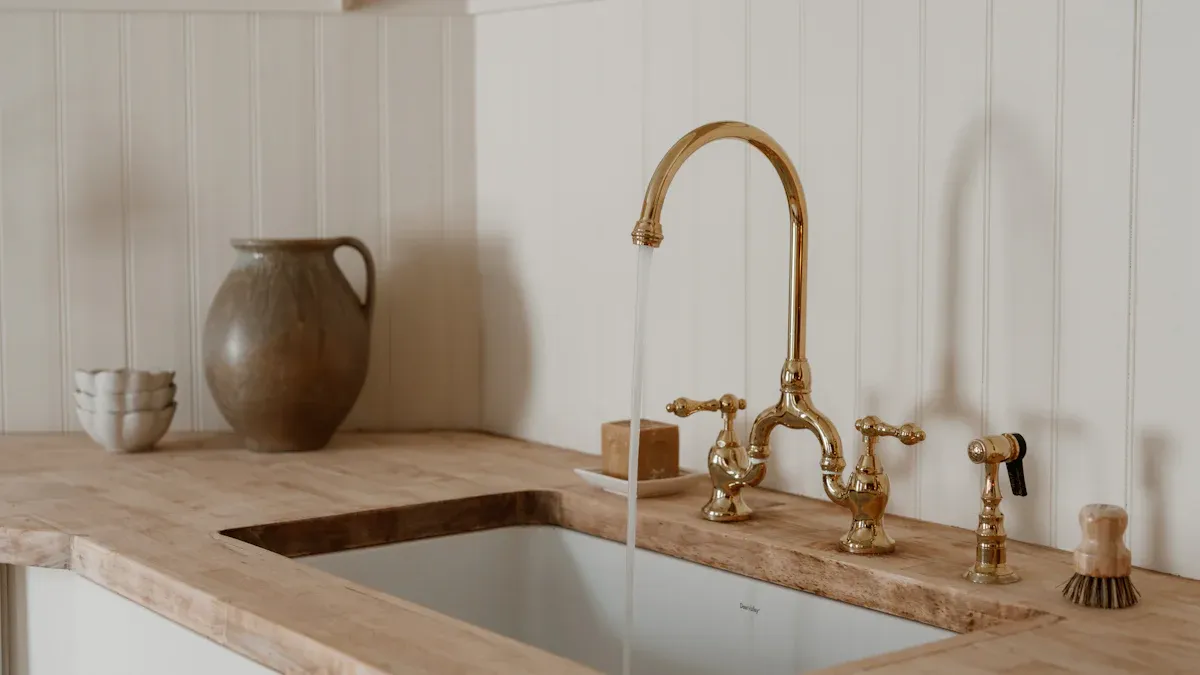
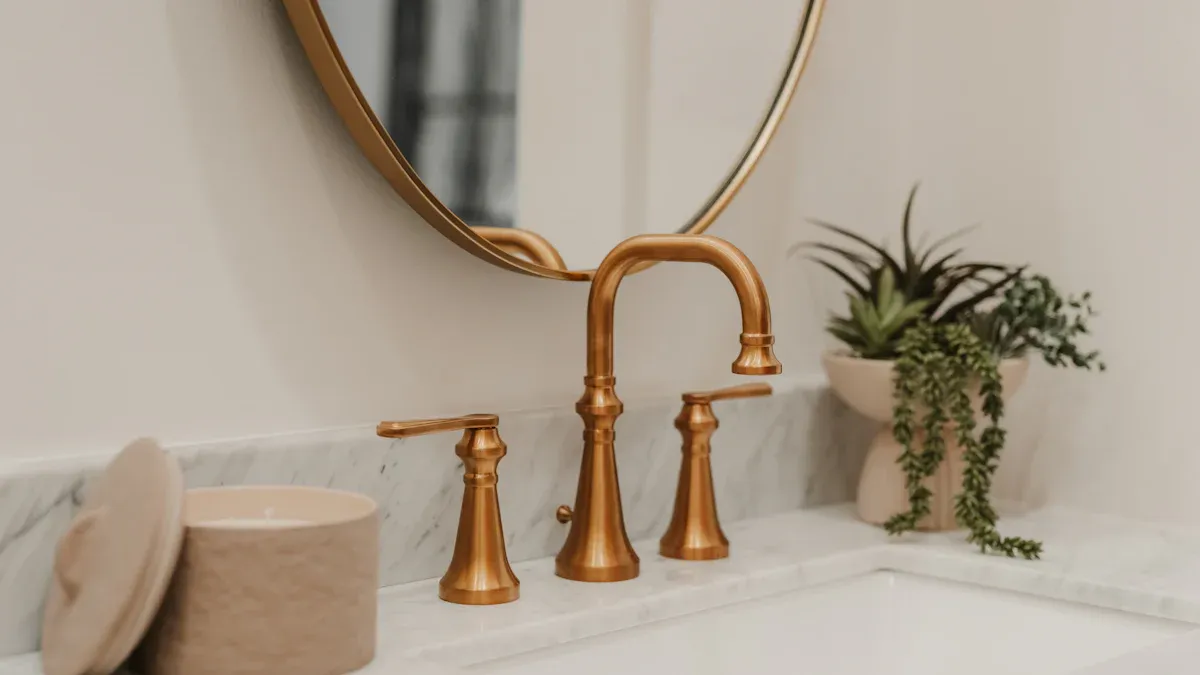
Brass is an alloy made primarily of copper and zinc. This combination gives brass faucets a unique blend of strength and aesthetic appeal. They often feature a warm, golden hue that adds a touch of elegance to any bathroom or kitchen. Brass faucets are known for their excellent corrosion resistance, making them suitable for various environments. They can withstand high temperatures and pressures, which is essential for faucets used in commercial settings.
Advantages of Brass
Brass faucets offer several advantages that make them a popular choice among B2B buyers:
- Durability: Brass is incredibly strong and can handle heavy use without showing signs of wear. This durability makes it ideal for high-traffic areas.
- Corrosion Resistance: Unlike some other materials, brass resists corrosion effectively. This quality helps maintain the faucet's appearance and functionality over time.
- Aesthetic Appeal: The attractive finish of brass faucets enhances the overall look of any space. They can complement various design styles, from traditional to modern.
- Versatile Applications: Brass faucets are suitable for a wide range of applications, including public restrooms, commercial kitchens, and residential settings.
In bulk purchases, the average price range for brass basin faucets typically falls between $51 to $195. This price range reflects the quality and durability that brass offers, making it a worthwhile investment for many projects.
Disadvantages of Brass
While brass faucets have many benefits, they also come with some drawbacks:
- Higher Cost: Compared to zinc alloy options, brass faucets tend to be more expensive. This higher price may not fit every budget, especially for large-scale projects.
- Weight: Brass is heavier than other materials like zinc alloy. This weight can make installation more challenging, particularly in certain configurations.
- Potential for Tarnishing: Over time, brass can tarnish if not properly maintained. Regular cleaning and polishing are necessary to keep the faucet looking its best.
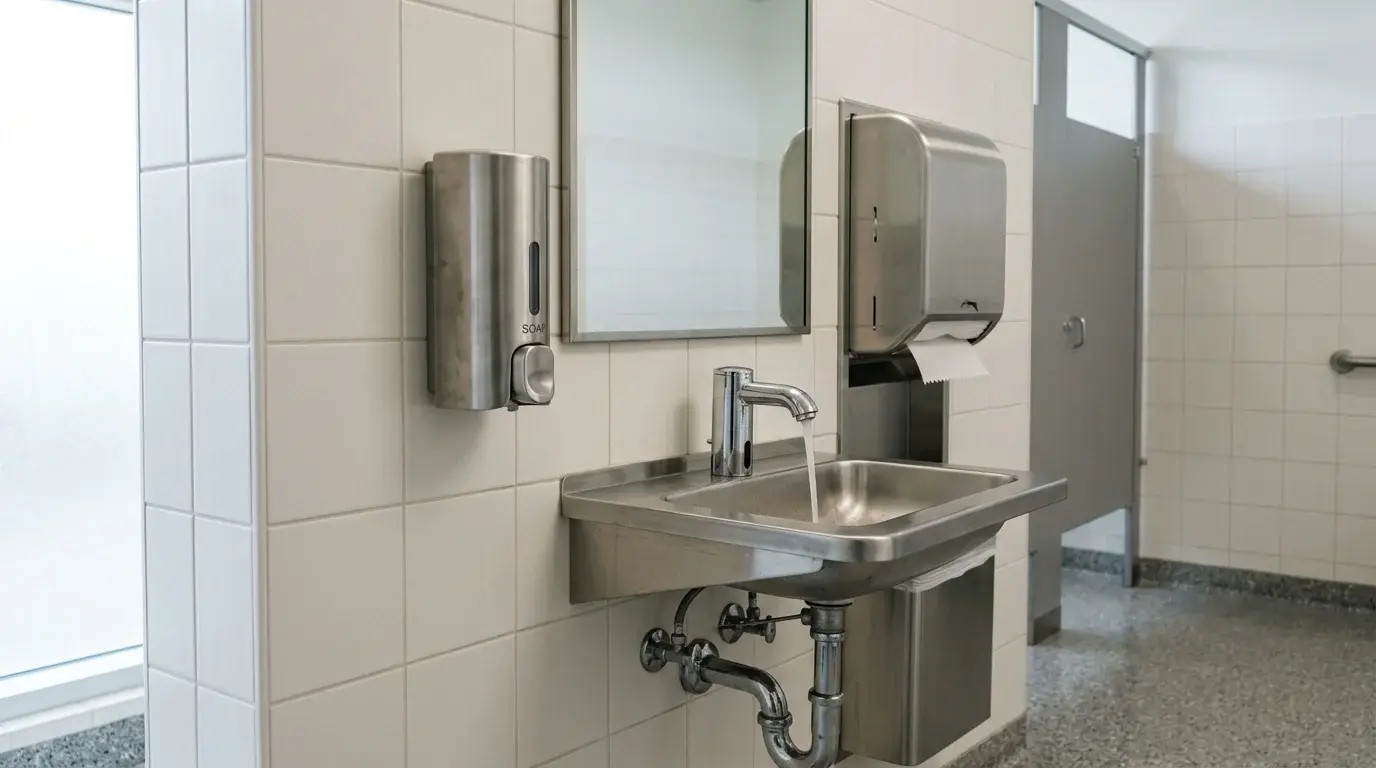
Brass faucets find their place in various commercial settings. For instance, in public restrooms, they often feature sensor-activated, hands-free operation. This design reduces cross-contamination and complies with health codes. In commercial kitchens, pull-out sprayer faucets with flexible hoses enhance cleaning efficiency and prevent cross-contamination.
| Application Area | Key Features | Benefits |
|---|---|---|
| Public Restrooms | Sensor-activated, hands-free operation | Reduces cross-contamination, complies with health codes, enhances public health protection |
| Commercial Kitchens | Pull-out sprayer faucets with flexible hoses and dual-function spray heads | Increases cleaning efficiency, prevents cross-contamination, reduces labor time |
| High-Traffic Environments | Durable materials like brass and stainless steel, with zinc alloy components | Ensures longevity under constant use, resists wear, maintains appearance |
Stainless Steel Faucets
Properties of Stainless Steel
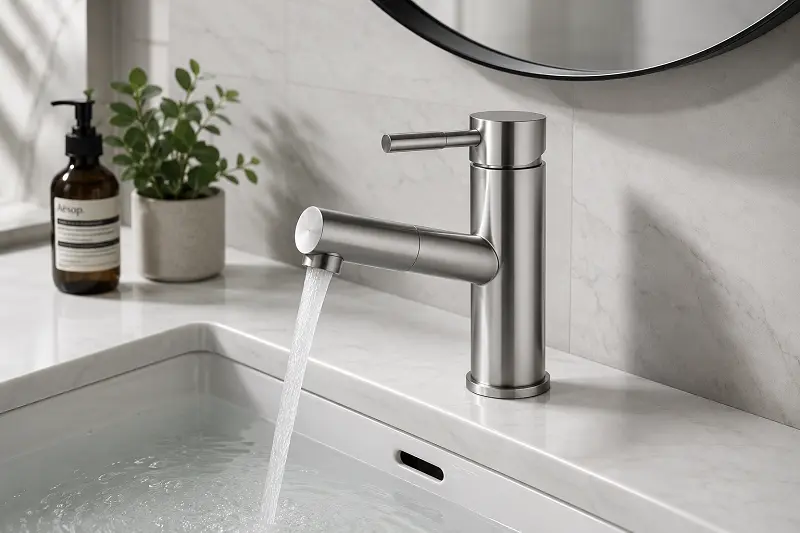
Stainless steel faucets are known for their sleek and modern appearance. This material consists mainly of iron, chromium, and nickel, which give it a shiny finish and excellent resistance to rust and corrosion. Stainless steel faucets come in various styles, from minimalist designs to more elaborate options. Their durability makes them suitable for both residential and commercial applications.
Advantages of Stainless Steel
Stainless steel faucets offer several benefits that make them a top choice for many buyers:
- Durability: These faucets can withstand heavy use without showing signs of wear. They resist dents and scratches, making them ideal for high-traffic areas.
- Corrosion Resistance: Stainless steel does not rust, which helps maintain the faucet's appearance over time. This quality is especially important in environments with high humidity, like bathrooms and kitchens.
- Low Maintenance: Cleaning stainless steel faucets is easy. A simple wipe with a damp cloth keeps them looking new. They don’t require special cleaning products, which saves time and effort.
- Versatile Design: The modern look of stainless steel fits well with various design styles. Whether in a contemporary kitchen or a traditional bathroom, these faucets can enhance the overall aesthetic.
Disadvantages of Stainless Steel
Despite their many advantages, stainless steel faucets have some drawbacks:
- Higher Cost: Compared to zinc alloy options, stainless steel faucets tend to be more expensive. This higher price may not suit every budget, especially for large projects.
- Fingerprints and Smudges: While stainless steel is easy to clean, it can show fingerprints and smudges. Regular cleaning is necessary to keep them looking pristine.
- Weight: Stainless steel is heavier than zinc alloy, which can make installation more challenging. This weight may require additional support during installation.
Comparative Analysis
Cost Comparison
When comparing the costs of zinc alloy, brass, and stainless steel basin faucets, initial purchase prices can vary significantly. Zinc alloy faucets are typically the most budget-friendly option, making them ideal for projects with tight budgets. However, buyers should consider long-term value as well.
Stainless steel faucets, while often priced similarly to brass, offer superior long-term value. Although the upfront costs may be comparable, stainless steel's durability and corrosion resistance lead to lower replacement costs over time. This makes stainless steel a more cost-effective choice in the long run.
Here's a quick overview of the average costs:
| Material | Initial Cost Range | Long-Term Value |
|---|---|---|
| Zinc Alloy | $3.59 - $3.99 | Lower |
| Brass | $51 - $195 | Moderate |
| Stainless Steel | $50 - $200 | Higher |
Durability Comparison
Durability is a crucial factor when selecting basin faucets. Each material has its strengths and weaknesses.
- Zinc Alloy: These faucets generally last between 3 to 10 years, making them suitable for temporary setups or low-budget rentals. They may not withstand heavy use in high-traffic areas.
- Brass: Brass faucets have an impressive lifespan of 15 to 20 years. Their robust nature makes them ideal for bathrooms, hotels, and residential plumbing.
- Stainless Steel: Similar to brass, stainless steel faucets also last around 15 to 20 years. They excel in modern homes and commercial restrooms, especially in hygienic environments.
| Material | Average Lifespan (Years) | Suitability |
|---|---|---|
| Zinc Alloy | 3–10 | Temporary setups, low-budget rentals |
| Brass | 15–20 | Bathrooms, hotels, residential plumbing |
| Stainless Steel | 15–20 | Modern homes, commercial restrooms, hygienic environments |
Maintenance Comparison
Maintenance costs can significantly impact the overall value of faucets over time. Here's how the three materials stack up:
- Zinc Alloy: While they resist corrosion, zinc alloy faucets may require more frequent replacement due to wear. Regular cleaning helps maintain their appearance and functionality.
- Brass: Brass faucets are robust and resistant to corrosion, making them ideal for humid environments. However, they require periodic polishing to maintain their shine.
- Stainless Steel: These faucets are easy to clean and maintain, ensuring longevity. A simple wipe with mild soap and water keeps them looking new, avoiding the need for special cleaning products.
Here's a summary of average maintenance costs over a five-year period:
| Material | Average Annual Maintenance Cost | Five-Year Total Cost |
|---|---|---|
| Zinc Alloy | $50 - $100 | $250 - $500 |
| Brass | $30 - $60 | $150 - $300 |
| Stainless Steel | <$20 | <$100 |
Suitability for Different Projects
When selecting basin faucets for various projects, understanding the unique characteristics of zinc alloy, brass, and stainless steel is crucial. Each material has its strengths, making them suitable for specific environments and applications.
Zinc Alloy Faucets
Zinc alloy faucets are best suited for budget-conscious projects. They work well in:
- Residential Bathrooms: Ideal for homes where the faucet will see light to moderate use.
- Temporary Installations: Great for short-term projects or rentals where cost is a primary concern.
- Light Commercial Settings: Suitable for small businesses or offices with low traffic.
However, they may not perform well in high-traffic areas. Their lower durability means they can wear out quickly under heavy use.
Brass Faucets
Brass faucets shine in environments that demand durability and aesthetic appeal. They are perfect for:
- Public Restrooms: Their resistance to mineral buildup and corrosion makes them a reliable choice for high-traffic facilities.
- Commercial Kitchens: Brass faucets can handle the rigors of constant use and exposure to water and cleaning chemicals.
- Residential Applications: They add a touch of elegance to homes, fitting well in both modern and traditional designs.
Brass faucets typically last 15 to 20 years, making them a solid investment for long-term projects.
Stainless Steel Faucets
Stainless steel faucets are the go-to choice for modern and high-demand environments. They excel in:
- High-Traffic Commercial Restrooms: Their excellent corrosion resistance and low maintenance needs make them ideal for busy facilities. Stainless steel faucets feature a protective chromium oxide layer that prevents rust, ensuring longevity even in harsh conditions.
- Hygienic Environments: Their resistance to scratches and stains makes them suitable for hospitals and food service areas.
- Contemporary Homes: The sleek design of stainless steel faucets complements modern aesthetics, making them popular in upscale residential projects.
Here's a quick comparison of how these materials perform in high-traffic commercial restrooms:
| Faucet Material | Durability | Corrosion Resistance | Maintenance Needs |
|---|---|---|---|
| Stainless Steel | High | Excellent | Low |
| Brass | Moderate | Good | Moderate |
| Zinc Alloy | N/A | N/A | N/A |
Environmental Considerations
When considering sustainability, it's essential to evaluate the environmental impact of each material:
- Zinc Alloy: While affordable, zinc alloy can corrode in humid environments, leading to environmental degradation. Its production involves significant energy consumption.
- Brass: This material is durable and recyclable, making it a more sustainable choice. Brass faucets can be reused after their life cycle, contributing to waste reduction.
- Stainless Steel: Known for its high recycling rate, stainless steel minimizes environmental impact. Its resistance to water and detergents also helps maintain quality without harmful chemicals.
Decision-Making Framework for B2B Buyers
Use Cases for Zinc Alloy
Zinc alloy faucets are a practical choice for various applications, especially where budget constraints are a concern. Here are some common use cases:
- Residential Bathrooms: These faucets work well in homes where they see light to moderate use. Their affordability makes them a popular choice for homeowners looking to save money.
- Temporary Installations: For short-term projects or rentals, zinc alloy faucets provide a cost-effective solution. They can easily be replaced without breaking the bank.
- Light Commercial Settings: Small businesses or offices with low traffic can benefit from zinc alloy faucets. They offer decent durability for environments that don’t require heavy-duty fixtures.
Use Cases for Brass
Brass faucets shine in environments that demand both durability and aesthetic appeal. Here are some key applications:
- Hospitality Suites: Brass faucets are commonly specified for hotels and resorts. Their elegant appearance enhances the overall design while providing reliable performance.
- Healthcare Facilities: In hospitals and surgical suites, brass faucets are designed for easy cleaning and hygiene. They often feature a durable antimicrobial coating, making them ideal for maintaining sanitary conditions.
- Senior Living Facilities: Brass faucets are also used in assisted living and institutional residential programs. They emphasize durability and precise temperature control, ensuring safety for residents.
Use Cases for Stainless Steel
Stainless steel faucets are perfect for modern and high-demand environments. Here’s where they excel:
- High-Traffic Commercial Restrooms: Their excellent corrosion resistance and low maintenance needs make stainless steel faucets ideal for busy facilities. They can withstand constant use without showing wear.
- Hygienic Environments: In hospitals and food service areas, stainless steel faucets are favored for their resistance to scratches and stains. This quality helps maintain cleanliness and safety.
- Contemporary Homes: The sleek design of stainless steel faucets fits well in modern kitchens and bathrooms. They enhance the aesthetic while providing long-lasting performance.
By understanding these use cases, B2B buyers can make informed decisions based on the specific needs of their projects. Whether considering zinc alloy vs brass faucet options or evaluating stainless steel, knowing where each material excels can lead to better outcomes.
Factors to Consider in Material Selection
When selecting basin faucet materials, B2B buyers should consider several key factors. These factors can significantly impact the performance, longevity, and overall satisfaction with the faucets. Here’s a breakdown of what to keep in mind:
-
Material Composition:
- Buyers often prefer solid brass or high-grade stainless steel. These materials offer excellent corrosion resistance and longevity, making them ideal for various environments.
-
Internal Components:
- The durability of internal components matters too. Ceramic disc cartridges are favored over rubber washers because they require less maintenance and last longer.
-
Finish Integrity:
- A high-quality finish is crucial. Faucets with finishes that resist tarnishing and scratching will perform better in hard water areas, ensuring they maintain their appearance over time.
-
Testing Standards:
- Compliance with standards like NSF and ASME is essential. These certifications ensure that the faucets meet safety and performance requirements, giving buyers peace of mind.
-
Sustainability:
- Eco-friendly materials and water-saving features are increasingly important. Many buyers seek products that contribute to green certifications, aligning with their sustainability goals.
Here’s a table summarizing these factors:
| Factor | Description |
|---|---|
| Material Composition | Solid brass or high-grade stainless steel are preferred for their corrosion resistance and longevity. |
| Internal Components | Ceramic disc cartridges are favored for their durability and low maintenance compared to rubber washers. |
| Finish Integrity | High-quality finishes resist tarnishing and scratching, crucial for longevity in hard water areas. |
| Testing Standards | Compliance with standards like NSF and ASME ensures safety and performance. |
| Sustainability | Eco-friendly materials and water-saving features are important for green certifications. |
Water Quality and Local Regulations
Water quality and local regulations also play a significant role in material selection. Buyers must consider how these factors influence their choices:
- Local health department regulations enforce the use of durable, food-grade materials. This ensures that the faucets are safe for public use.
- Plumbing permit requirements help ensure compliance with sanitation standards, which can affect the types of materials allowed.
- NSF certification for fixtures guarantees longevity and regulatory compliance, making it a vital consideration for buyers.
Additionally, here are some specific points to keep in mind regarding water quality:
- Reverse osmosis systems require careful material selection to prevent leaching of contaminants.
- Material choice is crucial to avoid corrosion and degradation from low mineral content in water.
Reasons for Switching Materials
In recent years, many B2B buyers have switched from one basin faucet material to another. Here are some common reasons for this trend:
- Businesses prioritize saving money, leading to a preference for durable materials like stainless steel and brass, which have lower long-term replacement costs.
- Water-saving designs are increasingly important. Touchless faucets, for example, can save significant amounts of water, thus reducing utility bills.
- The aesthetic appeal of faucets is crucial. They should complement the overall design of the bathroom, whether modern or traditional.
- Faucets must be compatible with plumbing systems and meet ADA compliance for accessibility, which influences buyer decisions.
By considering these factors, B2B buyers can make informed decisions that align with their project needs and long-term goals.
In summary, each material offers unique benefits and drawbacks:
- Zinc Alloy: Affordable but less durable, lasting around 5-10 years. Best for low-traffic areas.
- Brass: Highly durable, lasting 15-20 years or more, making it ideal for high-use environments.
- Stainless Steel: Offers superior corrosion resistance and longevity, often exceeding 20 years.
For B2B buyers, consider these recommendations:
- Assess Project Needs: Determine the expected traffic and usage.
- Evaluate Budget: Balance initial costs with long-term value.
- Prioritize Quality: Invest in durable materials to reduce maintenance costs.
By weighing these factors, buyers can make informed choices that align with their project goals.
FAQ
What is the best material for basin faucets?
The best material depends on your needs. Brass offers durability and aesthetic appeal, while stainless steel provides excellent corrosion resistance. Zinc alloy is budget-friendly but less durable.
How long do zinc alloy faucets last?
Zinc alloy faucets typically last between 3 to 10 years. Their lifespan depends on usage and maintenance, making them suitable for light-duty applications.
Are brass faucets worth the investment?
Yes, brass faucets are durable and resistant to corrosion. They can last 15 to 20 years, making them a solid investment for high-traffic areas.
How do I maintain stainless steel faucets?
To maintain stainless steel faucets, simply wipe them down with a damp cloth and mild soap. Avoid abrasive cleaners to keep the finish looking new.
Can I use zinc alloy faucets in commercial settings?
Zinc alloy faucets are best for light commercial settings or residential use. They may not withstand heavy use in high-traffic areas.
Do brass faucets tarnish over time?
Yes, brass faucets can tarnish if not properly maintained. Regular polishing helps maintain their shine and appearance.
What factors should I consider when choosing a faucet material?
Consider durability, cost, maintenance needs, and aesthetic appeal. Also, think about the specific environment where the faucet will be used.
Are there eco-friendly options for basin faucets?
Yes, many manufacturers offer eco-friendly faucets with water-saving features. Look for products that meet sustainability certifications for added assurance.