
What makes a hotel kitchen faucet "future-ready"?
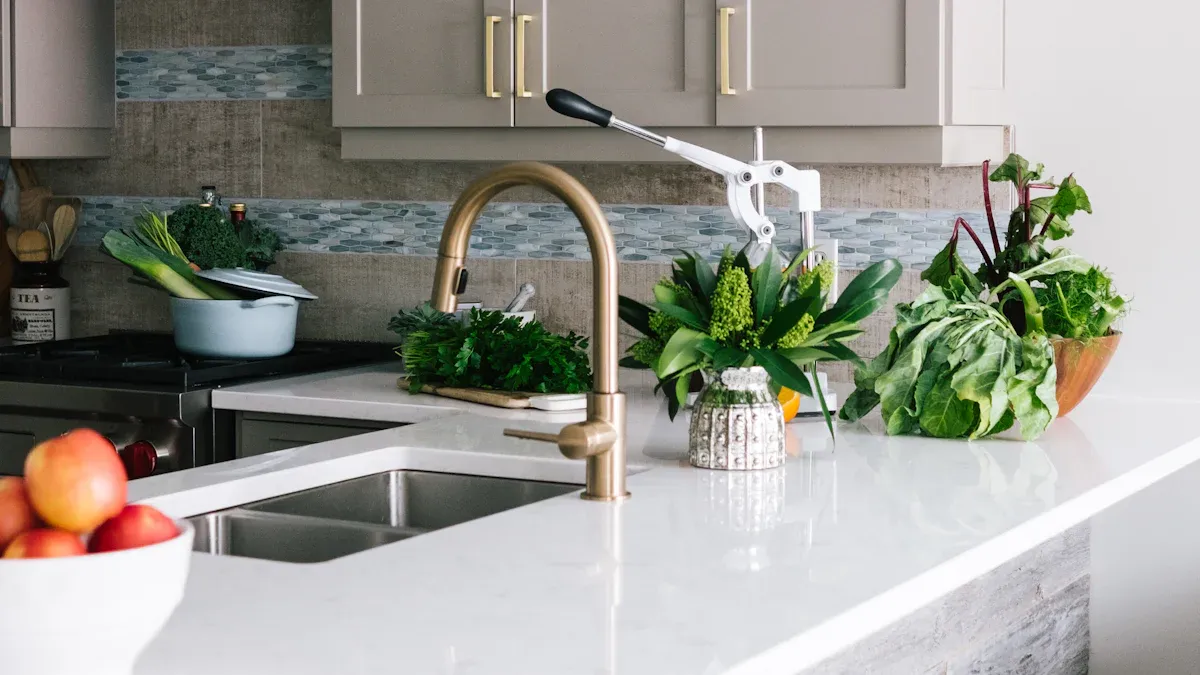
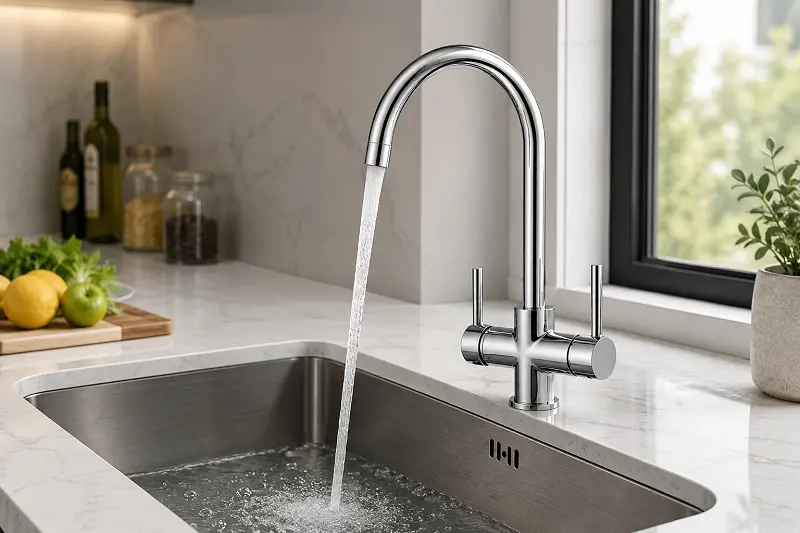
A future-ready hotel Kitchen Faucet seamlessly integrates advanced technology, superior durability, and sustainable design. These innovative faucets ensure long-term efficiency, enhance hygiene standards, and significantly improve guest satisfaction in dynamic hospitality settings. Investing in aPremium Kitchen Faucet represents a strategic decision for modern hotels seeking operational excellence and a competitive edge.
Key Takeaways
- Future-ready faucets use smart technology. This includes touchless controls and digital temperature settings. They make kitchens cleaner and safer.
- These faucets are very strong. They use materials like stainless steel and brass. This helps them last a long time in busy hotel kitchens.
- New faucets save water and energy. They have features like low-flow aerators. This helps hotels save money and protect the environment.
- Faucets are easy for staff to use. They have simple controls and helpful features. This makes kitchen work faster and smoother.
- Modern faucets can change and get better. Hotels can upgrade parts or software. This keeps the faucets new and useful for many years.
- These faucets meet health rules. They help keep hotel kitchens very clean. This protects both guests and staff.
Smart Technology Integration in Future-Ready Kitchen Faucets
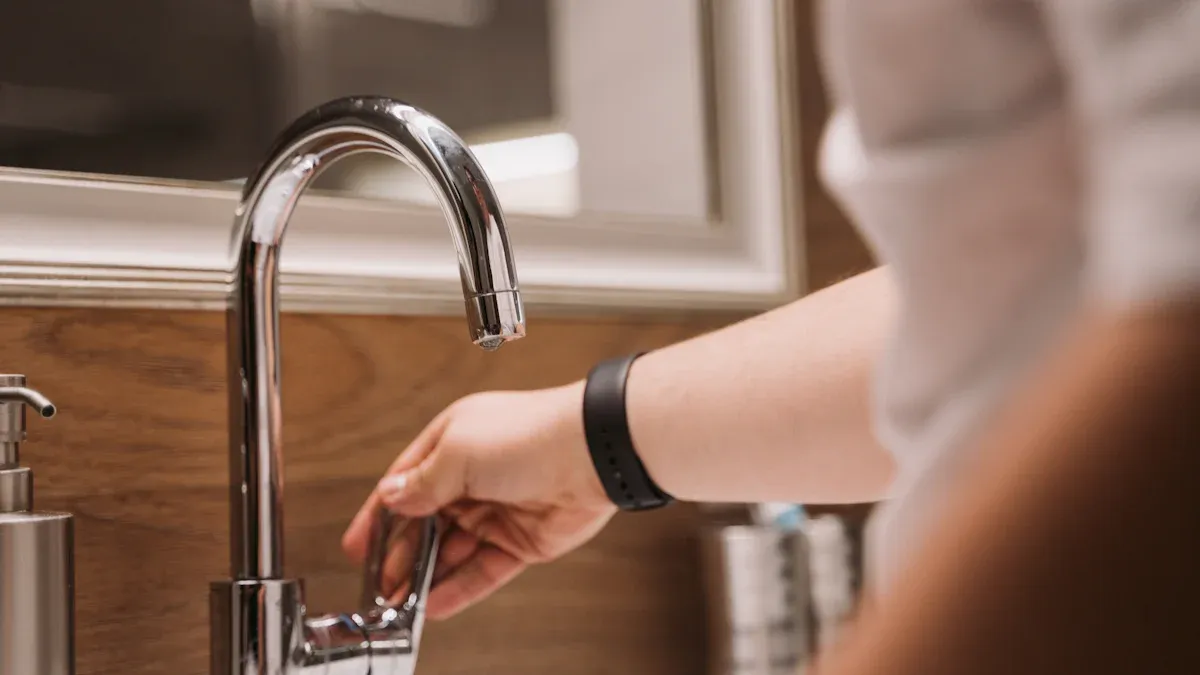
Modern hotel operations benefit greatly from smart technology. Integrating these advancements into a Kitchen Faucet elevates functionality and user experience. These intelligent features streamline kitchen tasks and enhance overall efficiency.
Touchless Operation for Enhanced Hygiene and Convenience
Touchless technology represents a significant leap in kitchen hygiene and operational ease. It minimizes physical contact, reducing germ transmission.
Sensor-Activated Faucets
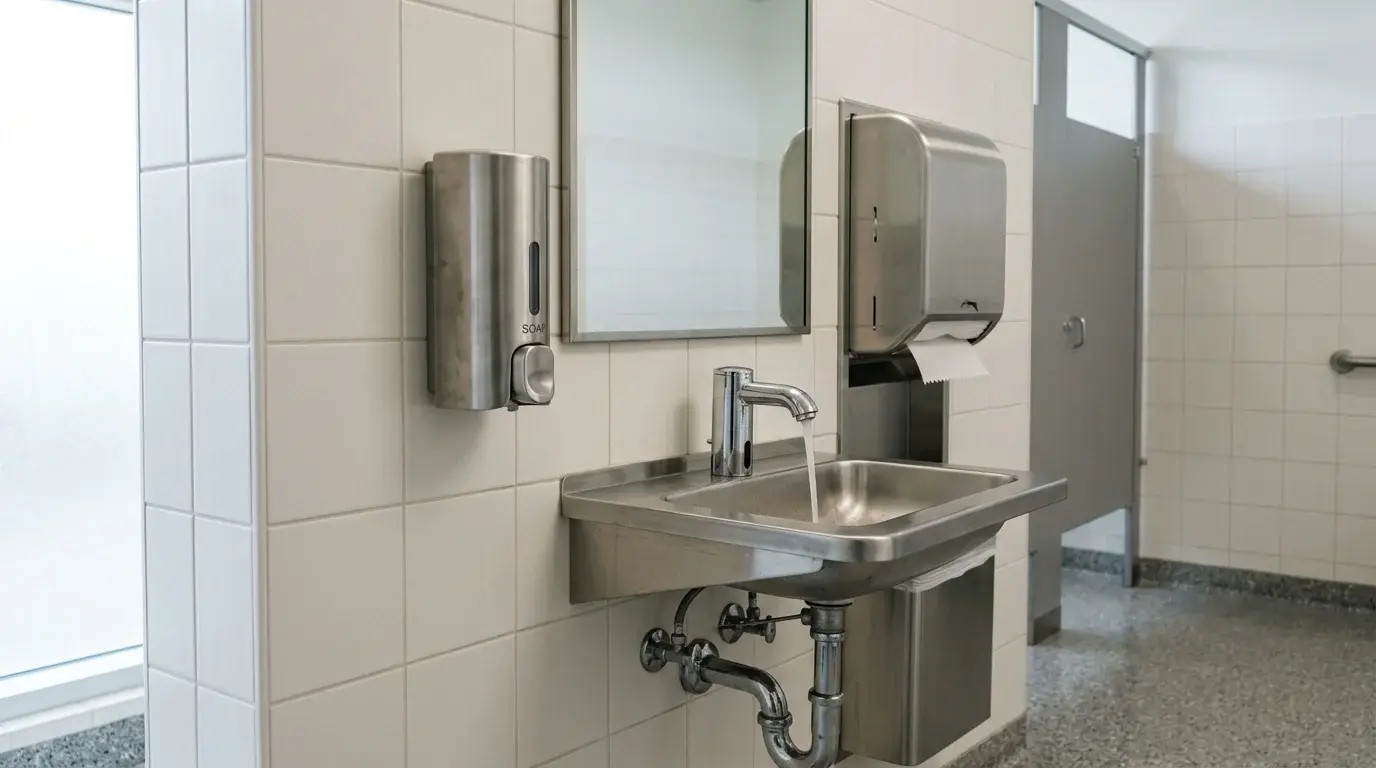
Sensor-activated faucets use infrared or motion sensors. They detect hand movement. Water flows automatically when hands are near the sensor. It stops when hands move away. This hands-free operation is crucial in busy hotel kitchens.
Benefits for Guests and Staff
Guests and staff experience improved hygiene. They avoid touching potentially contaminated surfaces. This reduces the spread of bacteria and viruses. Staff also find these faucets convenient for quick handwashing during food preparation. It saves time and effort.
Types of Touchless Technologies
Various touchless technologies exist. Infrared sensors are common. They emit light and detect reflections. Capacitive sensors sense changes in an electric field. Wave sensors respond to hand gestures. Each type offers reliable hands-free operation.
Digital Temperature Control for Precision and Safety
Digital temperature control provides exact water temperature management. This feature ensures both precision and user safety.
Consistent Water Temperature
Digital controls maintain a consistent water temperature. Users set a specific degree. The faucet delivers water at that exact temperature. This eliminates guesswork and ensures optimal conditions for various tasks.
Preventing Scalding
Safety is paramount. Digital controls often include anti-scald features. They prevent water from reaching dangerously high temperatures. This protects both staff and guests from accidental burns. It adds a critical layer of safety.
User-Friendly Digital Interfaces
These faucets feature intuitive digital interfaces. Users can easily adjust settings. Clear displays show the current water temperature. Simple buttons or touchscreens make operation straightforward for everyone.
Smart Sensors and Water Monitoring for Efficiency
Smart sensors offer advanced monitoring capabilities. They contribute significantly to water efficiency and conservation efforts.
Real-time Water Usage Tracking
Faucets with smart sensors track water consumption in real-time. They provide data on how much water flows through the system. Hotels can monitor usage patterns. This helps identify areas for improvement.
Automatic Shut-off for Leak Detection
These sensors can detect leaks. They automatically shut off the water supply if they sense continuous, unusual flow. This prevents water waste and potential damage from undetected leaks. It protects hotel property.
Data Analytics for Water Conservation
The collected data undergoes analysis. Hotels gain insights into their water usage habits. They can implement targeted conservation strategies. This leads to reduced water bills and a smaller environmental footprint.
Voice Activation and IoT Connectivity for Seamless Integration
Voice activation and the Internet of Things (IoT) bring a new level of control and connectivity to hotel kitchens. These technologies allow for seamless operation and integration within the broader hotel ecosystem. They enhance efficiency and provide advanced management capabilities.
Hands-Free Operation
Voice-activated faucets offer unparalleled hands-free operation. Kitchen staff simply issue commands to control water flow or temperature. This eliminates the need to touch the faucet with soiled hands. It significantly boosts hygiene standards in a busy culinary environment. Staff can quickly turn water on or off while handling food or equipment. This saves time and reduces cross-contamination risks. Voice commands also allow for precise temperature adjustments without physical interaction. This feature proves invaluable during complex cooking processes.
Integration with Hotel Management Systems
IoT-enabled faucets seamlessly integrate with existing hotel management systems. This connectivity allows for centralized data collection and control. The Kitchen Faucet can report usage patterns directly to facility managers. It can also alert maintenance teams to potential issues. This integration streamlines operational workflows. It provides valuable insights into resource consumption. Hotels can monitor water usage across multiple kitchen stations. This helps optimize water management strategies. Such integration supports proactive maintenance and efficient resource allocation.
Remote Monitoring and Control
IoT connectivity enables remote monitoring and control of Kitchen Faucets. Hotel management can access real-time data from any location. They can monitor water usage, temperature settings, and operational status. This capability allows for immediate adjustments or troubleshooting. For example, a manager can remotely shut off a faucet if a leak is detected. They can also adjust water temperature settings for specific tasks. This remote access ensures optimal performance and prevents potential problems. It provides peace of mind and enhances operational oversight. This technology empowers hotels to manage their kitchen infrastructure with greater precision and responsiveness.
Durability and Longevity of Hotel Kitchen Faucets
A future-ready hotel Kitchen Faucet must withstand constant use and harsh kitchen environments. Its durability directly impacts operational costs and overall efficiency. Hotels prioritize faucets built for longevity.
Premium Materials for Corrosion Resistance and Strength
The choice of materials forms the foundation of a faucet's durability. High-quality materials ensure resistance to wear, tear, and corrosion.
Stainless Steel and Brass Construction
Hotels often choose stainless steel or brass for their Kitchen Faucet due to their inherent strength and resistance to corrosion. Stainless steel, particularly grades like 304 and 316, offers superior resistance to rust and corrosion. This makes it ideal for environments with high moisture or chemicals, such as commercial kitchens, hospitals, or pool areas. For instance, 316 stainless steel provides the best corrosion and rust resistance among common types. Manufacturers use it in high-end equipment like food machinery. It performs well when water is acidic, chlorinated, or from a coastal source, resisting salt air and maintaining its brightness. Brass also inherently resists corrosion and suits water environments. To enhance durability and prevent zinc leaching, dezincification resistant brass, which includes a small amount of arsenic, is used for industrial applications.
Advanced Finishes
Advanced finishes provide an additional layer of protection. These finishes resist scratches, tarnishing, and corrosion. They also maintain the faucet's aesthetic appeal over time. Physical Vapor Deposition (PVD) finishes, for example, bond to the faucet surface at a molecular level. This creates an extremely durable and long-lasting coating.
Impact of Material Choice
The right material choice significantly impacts a faucet's lifespan and performance. Materials like 316 Grade stainless steel meet stringent standards like NSF/ANSI 61 for safe drinking water. They also feature a proprietary corrosion-resistant coating that protects against acidic water, extending lifespan by 30%. These materials ensure the faucet remains functional and hygienic for years.
Advanced Valve Technology for Extended Lifespan
The internal components of a faucet are just as crucial as its exterior. Advanced valve technology ensures smooth operation and prevents leaks.
Ceramic Disc Valves
Ceramic disc valves are a hallmark of quality. They feature two ceramic discs that slide against each other to control water flow and temperature. These discs are extremely durable and resist wear from mineral deposits. This design prevents drips and leaks more effectively than traditional rubber washers.
High-Quality Internal Components
Beyond the valves, all internal components must meet high standards. Manufacturers use robust O-rings, gaskets, and connectors. These parts withstand constant water pressure and temperature fluctuations. High-quality components prevent premature failure and ensure reliable performance.
Reducing Maintenance Frequency
Superior valve technology and internal components significantly reduce the need for frequent maintenance. Faucets with these features operate smoothly for longer periods. This minimizes disruptions in busy hotel kitchens. It also lowers overall operational costs.
Easy Maintenance and Repair for Minimizing Downtime
Even the most durable faucets require occasional maintenance. Easy maintenance and repair features are essential for minimizing downtime in a hotel setting.
Modular Design for Part Replacement
Faucets with a modular design allow for easy replacement of individual parts. Technicians can quickly swap out a faulty component without replacing the entire faucet. This saves time and resources. It also extends the overall life of the unit.
Accessibility for Routine Cleaning
Designers ensure easy access to critical areas for routine cleaning. This prevents the buildup of grime and mineral deposits. Accessible components allow staff to maintain hygiene standards efficiently. It also helps prevent operational issues caused by blockages.
Availability of Spare Parts
Hotels benefit greatly from manufacturers who provide readily available spare parts. This ensures quick repairs when needed. It prevents prolonged downtime of a Kitchen Faucet. Reliable access to parts supports continuous operation and reduces long-term ownership costs.
Sustainability and Efficiency in Kitchen Faucet Design
Future-ready hotel Kitchen Faucets prioritize sustainability and efficiency. These designs reduce environmental impact. They also lower operational costs for hotels.
Water-Saving Features for Reducing Consumption
Water conservation is a key aspect of sustainable design. Faucets with water-saving features significantly reduce consumption.
Low-Flow Aerators
Low-flow aerators mix air with water. This maintains pressure while reducing the actual water volume. Aerators with a flow rate of 1.5 GPM (gallons per minute) are effective in kitchens. They work well for tasks like rinsing dishes. Sanliv Water Saver Faucet Aerators offer various flow rates. For example, the SA2-6L model provides a flow rate of 6 liters per minute. These devices ensure efficient water use.
Automatic Shut-off Mechanisms
Automatic shut-off mechanisms prevent water waste. Sensor-activated faucets turn off when hands move away. Timed shut-offs also stop water flow after a set period. This prevents accidental continuous running. It saves significant amounts of water daily.
Impact on Water Bills
Reducing water consumption directly impacts utility bills. Hotels see lower water and sewer charges. These savings contribute to the hotel's financial health. They also support environmental responsibility.
Energy Efficiency for Lowering Operational Costs
Energy efficiency extends beyond water usage. It includes how faucets manage hot water and power smart features.
Efficient Water Heating Integration
Some advanced faucets integrate with water heating systems. They can pre-heat water more efficiently. This reduces the energy needed to deliver hot water. It minimizes standby energy loss.
Reduced Energy Consumption for Smart Features
Smart features in modern faucets consume minimal energy. They often use low-power sensors and efficient digital controls. This ensures the advanced functionalities do not become an energy drain.
Contribution to Green Initiatives
Energy-efficient faucets support a hotel's green initiatives. They help achieve sustainability goals. This commitment enhances the hotel's reputation. It attracts environmentally conscious guests.
Eco-Friendly Materials and Manufacturing for Environmental Impact
The materials and production methods of a faucet also contribute to its sustainability profile.
Recycled Content in Faucet Construction
Manufacturers increasingly use recycled materials. This includes recycled brass or stainless steel. Using recycled content reduces the demand for new raw materials. It lowers the environmental footprint of production.
Sustainable Production Processes
Sustainable manufacturing processes minimize waste and pollution. These processes often use less water and energy. They also manage byproducts responsibly. This commitment ensures a cleaner production cycle.
Certifications for Environmental Responsibility
Certifications validate a faucet's environmental claims. Labels like WaterSense or LEED compliance indicate adherence to strict standards. These certifications assure hotels of the product's eco-friendly attributes.
Ergonomics and User Experience with Advanced Kitchen Faucets
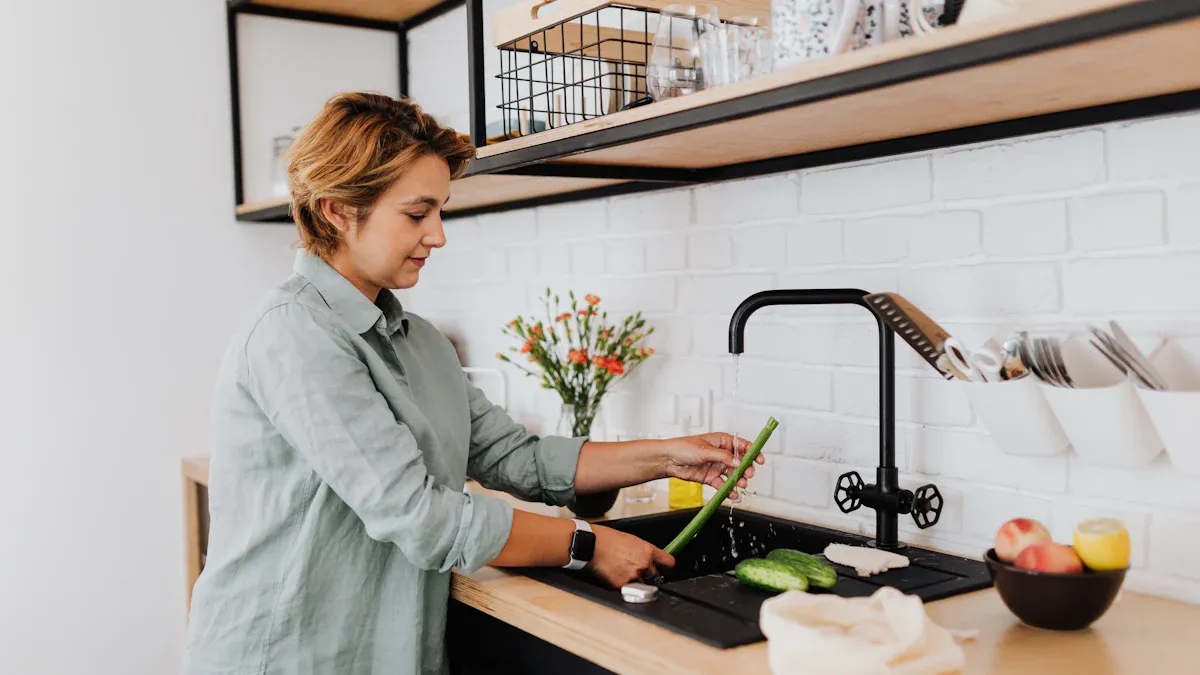
Future-ready hotel Kitchen Faucets prioritize user comfort and operational efficiency. They combine thoughtful design with advanced features. This ensures a superior experience for staff and enhances overall kitchen workflow.
Intuitive Design for Ease of Use
An intuitive design makes a faucet easy to operate. This reduces training time and minimizes errors in a busy kitchen.
Simple Controls and Clear Indicators
Faucets feature simple controls. Clear indicators show temperature and flow settings. This allows staff to quickly understand and adjust the faucet. Straightforward operation improves efficiency during peak hours.
Accessibility for Diverse Users
Designers create faucets for diverse users. They include features that improve accessibility.
- Grippable, Contoured Handles: These handles have rounded edges and textured grips. They minimize wrist twisting. Staff can operate them with an elbow or gloved hand.
- Accessible Controls and Levers: Controls offer large, intuitive movement ranges. They are placed within natural reach. Some have color-coding or tactile feedback. Options for hands-free operation, like foot pedals, also exist.
- Low-Force Activation Components: These components require minimal pressure. They provide clear tactile or audible feedback. Large surface areas prevent misactivation, especially when staff wear gloves.
- Appropriate Height and Reach: Taps are positioned to accommodate various tasks. This minimizes strain.
- Swivel Capability: Easy swiveling enhances workflow. It allows for multitasking.
- Single-Lever Controls: These controls enable quick adjustments. They require minimal movement.
- Touchless Operation: This improves hygiene. It also reduces physical effort for staff.
Reducing User Error
Intuitive design significantly reduces user error. Staff can operate faucets correctly the first time. This prevents water waste and potential damage from incorrect usage. It also ensures consistent results for kitchen tasks.
Aesthetic Appeal Complementing Modern Hotel Design
A future-ready faucet also contributes to the kitchen's overall aesthetic. It blends seamlessly with modern hotel design.
Contemporary Styles and Finishes
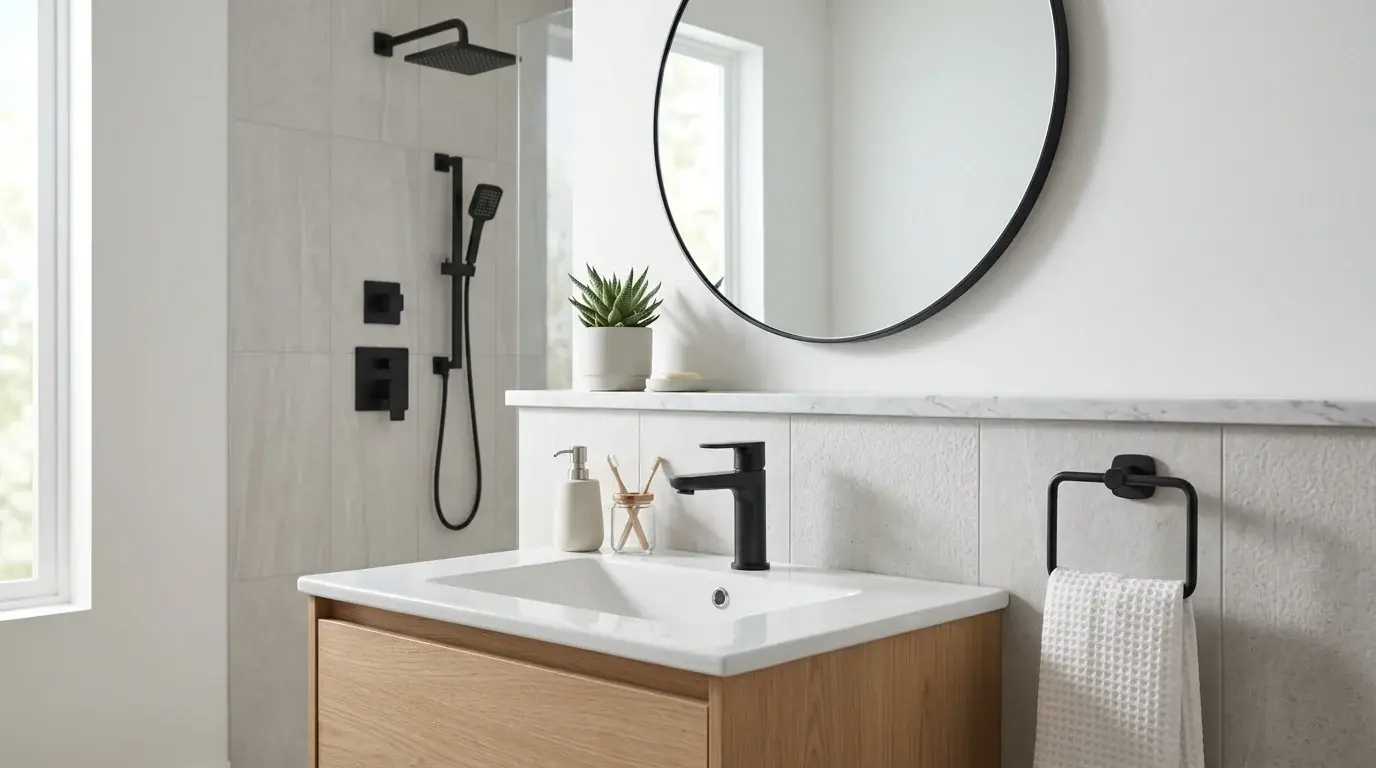
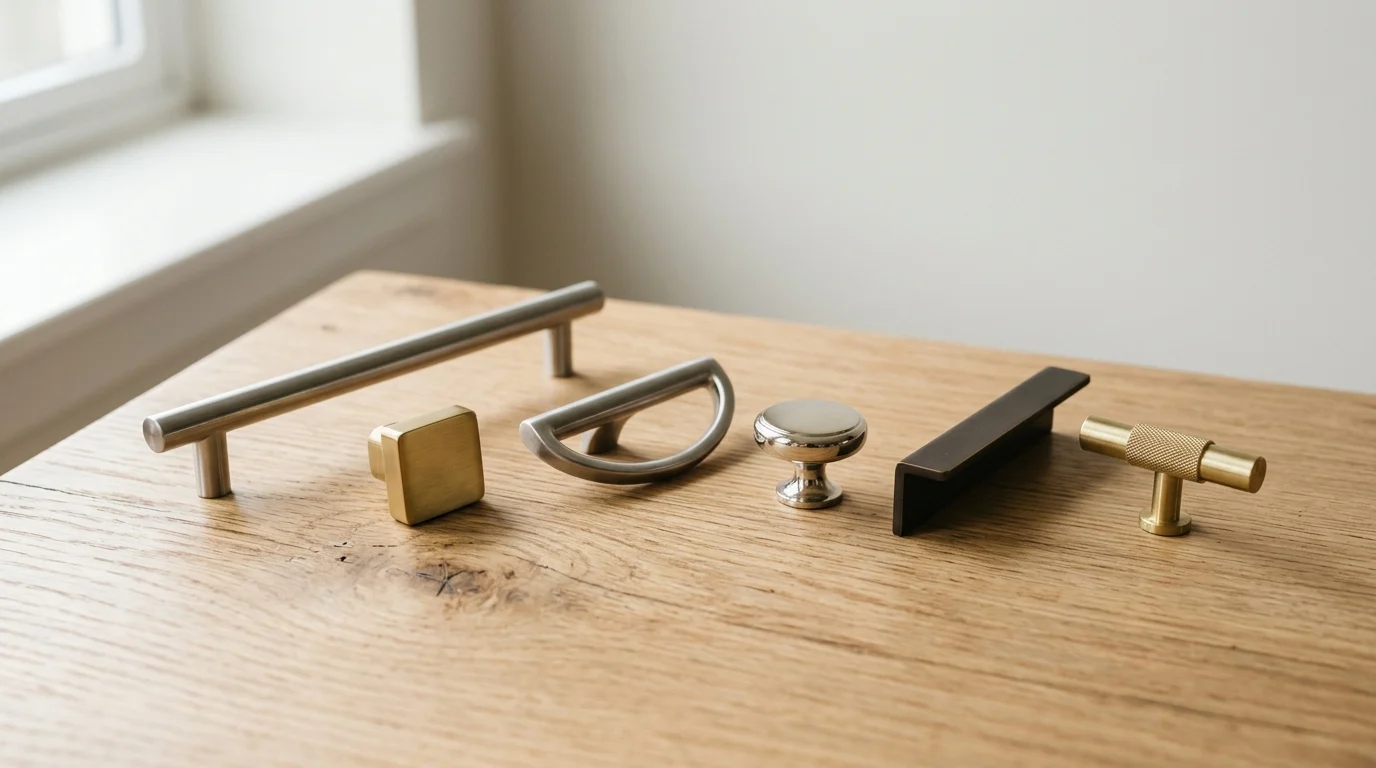
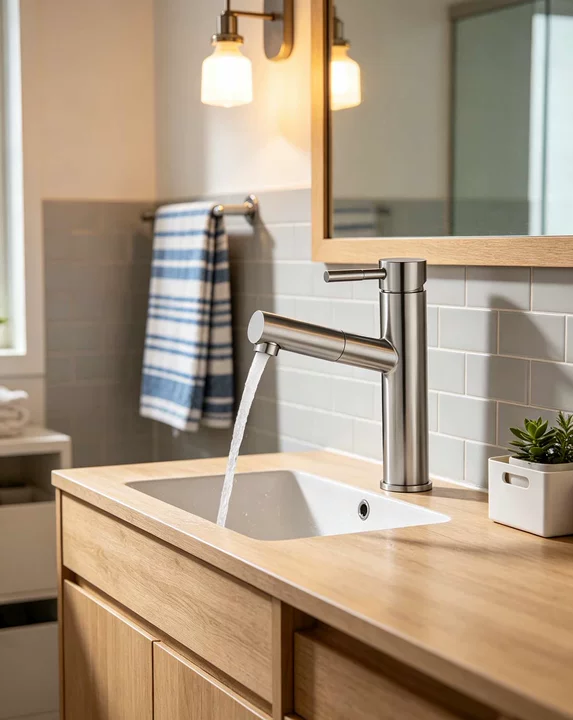
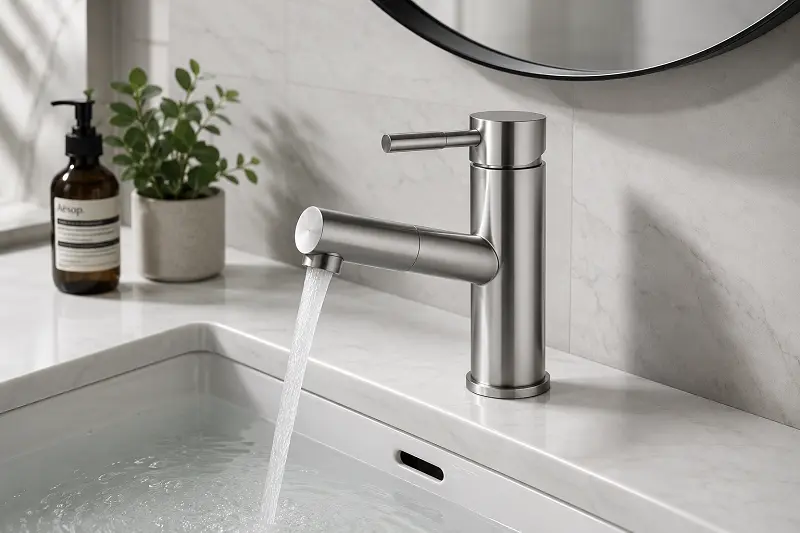
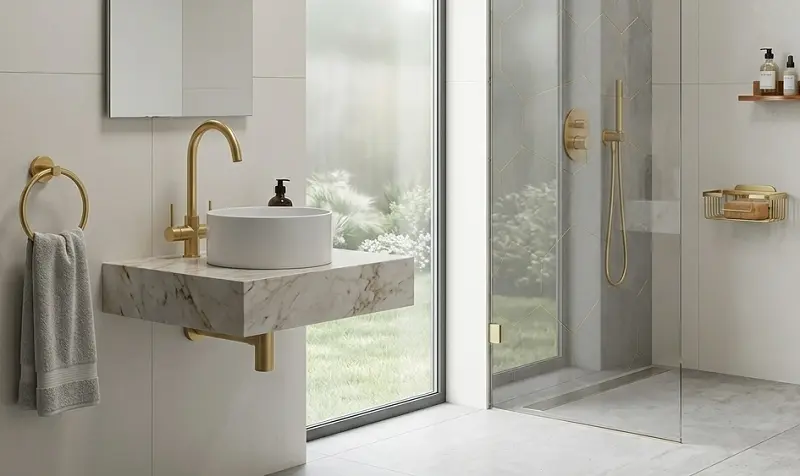
Faucets come in contemporary styles and finishes. These include sleek chrome, brushed nickel, or matte black. These options match various kitchen decors. They add a touch of sophistication.
Integration with Kitchen Decor
Designers ensure faucets integrate well with kitchen decor. They consider cabinet styles, countertop materials, and appliance finishes. The faucet becomes a cohesive part of the kitchen's visual identity.
Enhancing Guest Experience
While guests may not directly use the Kitchen Faucet, its aesthetic appeal contributes to the hotel's overall image. A well-designed kitchen reflects attention to detail. This indirectly enhances the guest experience.
Versatility and Functionality for Diverse Kitchen Needs
Modern hotel kitchens have diverse needs. Faucets offer versatility and functionality to meet these demands.
Pull-Down and Pull-Out Sprayers
Pull-down and pull-out sprayers are highly valued. They increase versatility within the sink area. A conventional pull-down spray head offers extended reach. It simplifies tasks like rinsing large pots or cleaning the sink basin. Some models feature a 'squeeze' handle. This allows one-handed operation for a powerful spray. Releasing the handle switches to an aerated flow.
Multiple Spray Modes
Faucets offer multiple spray modes. These include aerated stream, powerful spray, and pause functions. Adjustable pressure settings on sprayers make the kitchen sink more versatile. Staff can wash delicate berries or dislodge stuck-on debris. This adaptability suits various kitchen tasks.
Pot Filler Options
Pot filler options further enhance functionality. A secondary pot filler spout simplifies handling large pots and containers. It eliminates the difficulty of fitting them under a standard spout. This feature is particularly useful for high-volume cooking. It saves time and effort for kitchen staff.
Adaptability and Future-Proofing Hotel Kitchen Faucets
Hotels invest in kitchen faucets for the long term. Adaptability and future-proofing ensure these investments remain valuable. Faucets must evolve with technology and regulations.
Modular Design for Upgradeability and Customization
Modular design offers flexibility. It allows hotels to adapt faucets to changing needs. This design extends the useful life of the equipment.
Swappable Components for Enhancements
Faucets with swappable components allow easy upgrades. Hotels can replace older parts with newer, more advanced ones. This includes improved sensors or different spray heads. This capability means the faucet can gain new features without full replacement. It keeps the kitchen modern and efficient.
Customization Options
Modular designs also offer customization. Hotels can tailor faucets to specific kitchen layouts or tasks. They might choose different spout heights or handle styles. This ensures the faucet perfectly fits its intended use. It enhances both function and aesthetics.
Extending Faucet's Useful Life
Modular construction significantly extends a faucet's useful life. Hotels do not need to discard an entire unit for a minor upgrade or repair. They simply replace the affected part. This reduces waste and saves money over time.
Software Updatability for Evolving Functionality
Smart faucets rely on software. Software updatability ensures these faucets remain cutting-edge. It allows them to gain new functions over time.
Over-the-Air Updates for Smart Features
Manufacturers provide over-the-air (OTA) updates for smart features. These updates deliver new software directly to the faucet. Smart commercial Kitchen Faucets, such as theMoen Arbor, support future updates. Users can get firmware updates for these faucets through the Moen app. The Moen app needs a 2.4 GHz network for these functions. This process is convenient and efficient.
Adding New Capabilities
Software updates can add entirely new capabilities. A faucet might gain new water-saving modes or improved diagnostic tools. This keeps the faucet relevant as technology advances. It enhances its value to the hotel.
Maintaining Competitive Edge
Hotels maintain a competitive edge with updatable faucets. They always have access to the latest features and efficiencies. This ensures their kitchens operate at peak performance. It reflects a commitment to modern hospitality.
Compliance with Future Standards and Regulations
Future-ready faucets anticipate upcoming standards. They ensure hotels meet all necessary legal and safety requirements. This protects both guests and staff.
Adherence to Water Quality Standards
Faucets must adhere to strict water quality standards. The FDA Food Code 2022 mandates water from approved sources. It requires documented flushing and disinfection protocols to maintain potability. Plumbing Codes (IPC/UPC) require backflow prevention devices and air gaps. These protect potable water from contamination. Faucets must meet these requirements.
Meeting Hygiene Requirements
Hygiene is paramount in hotel kitchens. Health Codes require dedicated sinks for handwashing, warewashing, food prep, and mop use. Each sink needs hot water, soap, and drying facilities. These sinks must be NSF-certified and accessible. Future-ready faucets support these stringent hygiene demands.
Ensuring Regulatory Compliance
Compliance with regulations avoids penalties. It also builds trust with guests. Local Health Department Regulations often enforce stricter requirements than national codes. These include dedicated handwashing sinks and temperature-controlled hot water. Faucets designed for the future help hotels easily meet these evolving rules.
A future-ready hotel Kitchen Faucet represents a strategic investment for modern hospitality. It features smart technology, robust durability, sustainable practices, and a superior user experience. This adaptability ensures long-term value. These characteristics collectively meet the evolving demands of contemporary hotels.
FAQ
What defines a "future-ready" hotel kitchen faucet?
A future-ready faucet combines advanced technology, superior durability, and sustainable design. It ensures long-term efficiency and hygiene. These faucets also enhance user experience in hospitality settings.
How do smart features benefit hotel kitchens?
Smart features like touchless operation improve hygiene. Digital temperature control offers precision and safety. Smart sensors monitor water usage for efficiency. Voice activation provides hands-free convenience.
What materials ensure a faucet's durability?
Premium materials like stainless steel and brass provide strength. They resist corrosion. Advanced finishes protect surfaces from scratches and tarnishing. These choices ensure the faucet lasts a long time.
How do these faucets help conserve water?
Future-ready faucets include water-saving features. Low-flow aerators reduce water consumption. Automatic shut-off mechanisms prevent waste. These features lower water bills and support environmental goals.
Can hotels upgrade these advanced faucets?
Yes, many future-ready faucets feature modular designs. Hotels can swap components for enhancements. Software updatability allows for new functionalities. This extends the faucet's useful life and keeps it modern.
Are future-ready faucets easy for kitchen staff to use?
Yes, designers prioritize ergonomics. Faucets feature intuitive controls and clear indicators. They offer accessibility for diverse users. This reduces user error and improves workflow efficiency in busy kitchens.
Do these faucets meet strict hygiene standards?
Absolutely. Touchless operation minimizes germ spread. Materials like stainless steel are easy to clean. Many faucets comply with water quality and health regulations. They support a hygienic kitchen environment.
What is the expected lifespan of a future-ready faucet?
A future-ready faucet has an extended lifespan. Premium materials and advanced valve technology contribute to this. Easy maintenance and available spare parts also ensure long-term operation.