

How to Choose the Right Stainless Steel Shower Hinge for Your Bathroom
Selecting the right stainless steel Shower Hinge is one of the most impactful decisions in any bathroom renovation or new shower enclosure build. A high-quality hinge ensures smooth door operation, prevents water leakage, and resists the relentless corrosion that bathroom humidity inevitably causes. This guide walks you through every critical factor—from material grades and weight capacity to finish options and installation compatibility—so you can make a confident, informed purchase.
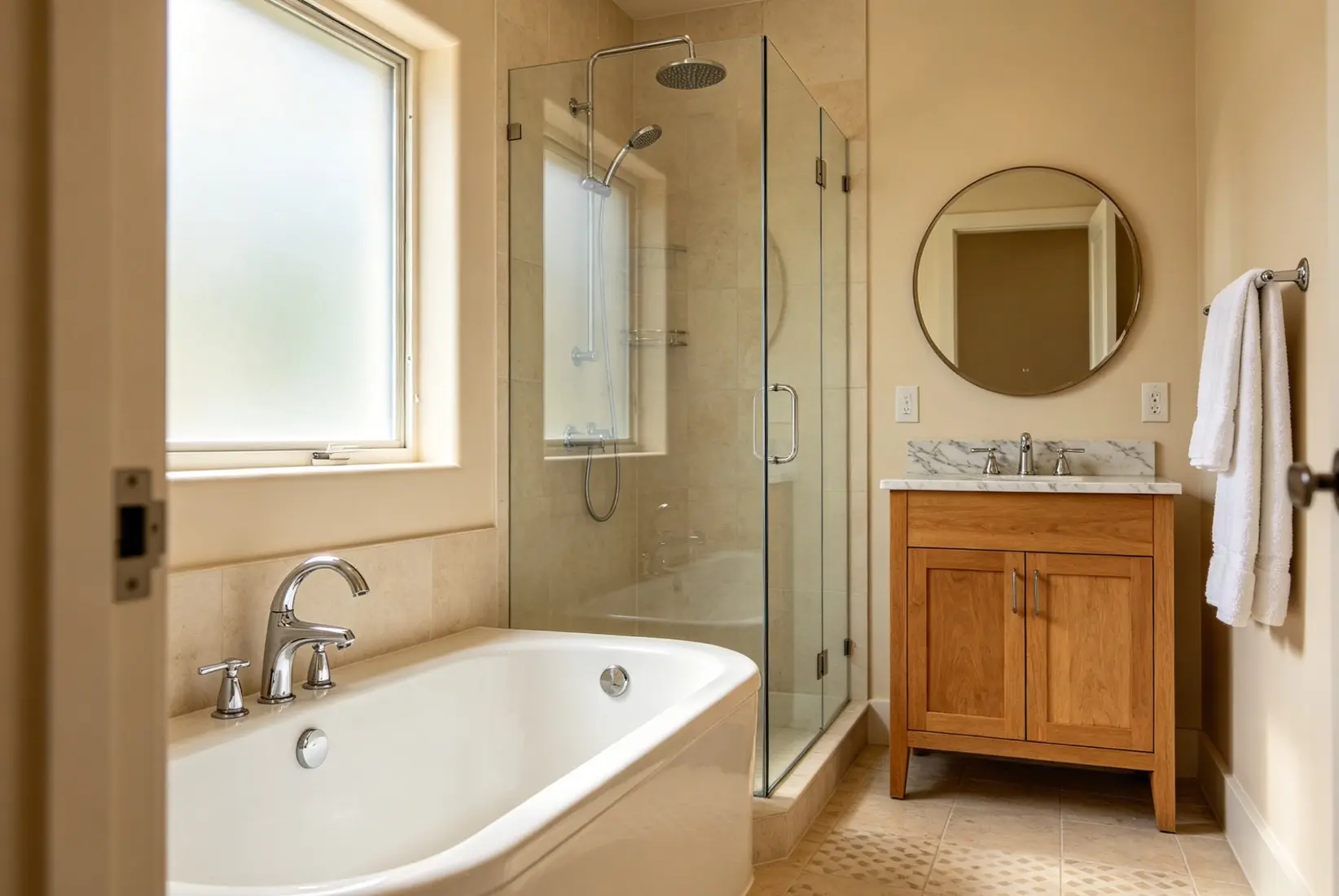
Understanding Stainless Steel Shower Hinge Materials
The material of your shower hinge determines its longevity more than any other factor. Stainless steel is the preferred choice for Bathroom Hardware because it forms a passive chromium oxide layer that resists rust and corrosion in moist environments. However, not all stainless steel is created equal.
304 stainless steelis the industry standard for premium Shower Hinges. It contains 18–20% chromium and 8–10.5% nickel, delivering excellent corrosion resistance against water, soap residue, and cleaning chemicals. For coastal or high-humidity bathrooms,316 marine-grade stainless steel offers superior chloride resistance, making it worth the additional investment.
Zinc Alloy hinges are a budget alternative but corrode faster in wet conditions. Brass offers solid durability and a classic aesthetic but requires regular maintenance to prevent tarnishing. When sourcing hardware, look for suppliers that specify material composition and offerstainless steel precision casting techniques for consistent quality.
Key Factors to Evaluate Before Buying
Weight and Size Compatibility
Shower doors vary dramatically in weight. A frameless glass door can weigh anywhere from 30 to 90 kilograms depending on thickness. Always check the hinge manufacturer's maximum door weight rating and compare it against your glass panel. Hinges rated for 45 kg will fail prematurely under a 60 kg door.
Standard glass thickness for shower enclosures ranges from 6 mm to 10 mm. Verify that the hinge is compatible with your glass thickness—mismatched specs compromise structural integrity and create safety hazards.
Opening Angle and Swing Direction
Hinges typically offer 90° to 180° opening angles. A 90° hinge is suitable for corner enclosures, while 180° hinges work best for inline (straight-line) configurations where doors open fully flat against adjacent walls. Some hinges feature adjustable angles, providing flexibility during installation.
Determine your swing direction early: left-hand and right-hand hinges are not interchangeable. Stand inside the shower and identify whether the door opens to your left or right.
Mounting Style: Glass-to-Wall vs. Glass-to-Glass
Glass-to-wall hinges attach the door directly to a wall profile or fixed panel and are the most common residential choice. Glass-to-Glass Hinges connect two glass panels at a 90° or 135° angle, commonly used in corner enclosures or return panels. Each type requires different preparation and hardware, so factor this into your shower design before purchasing.
Finish Options for Stainless Steel Shower Hinges
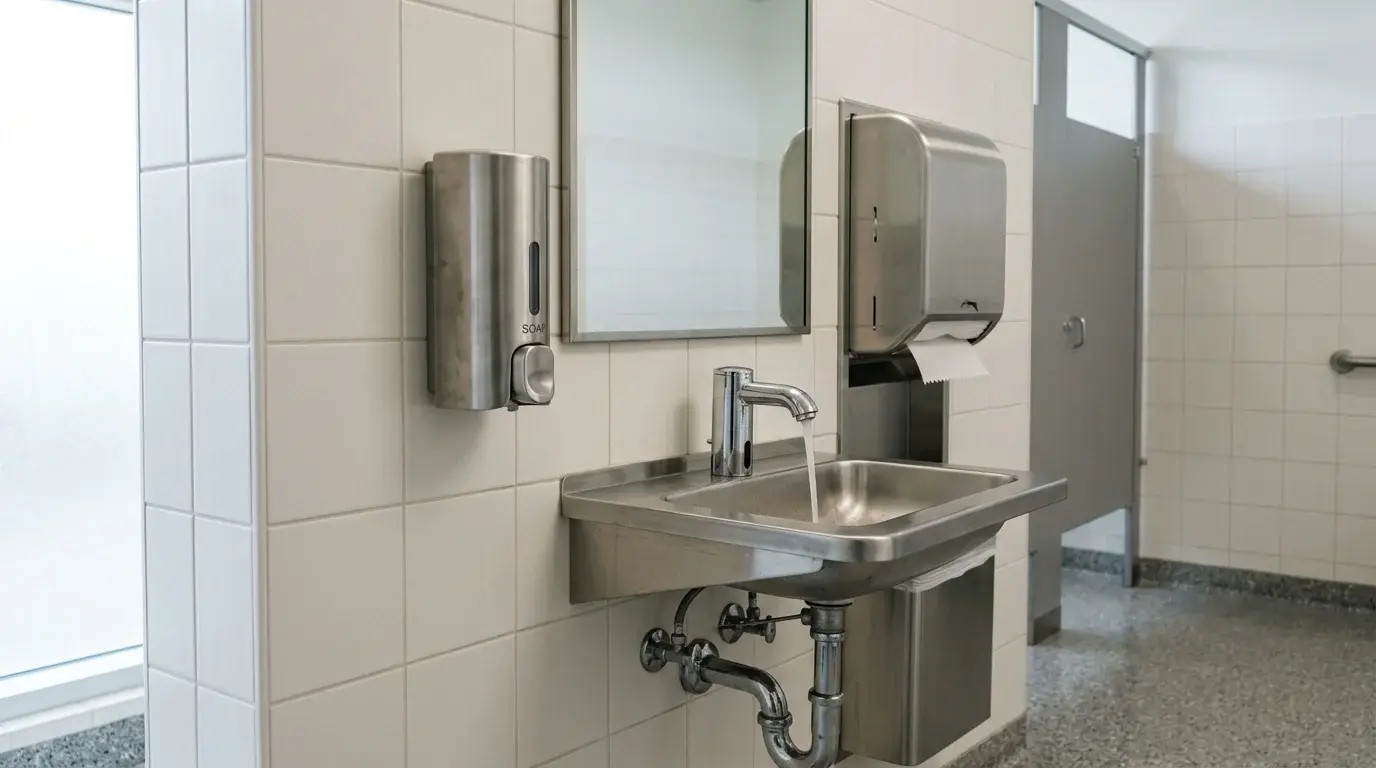
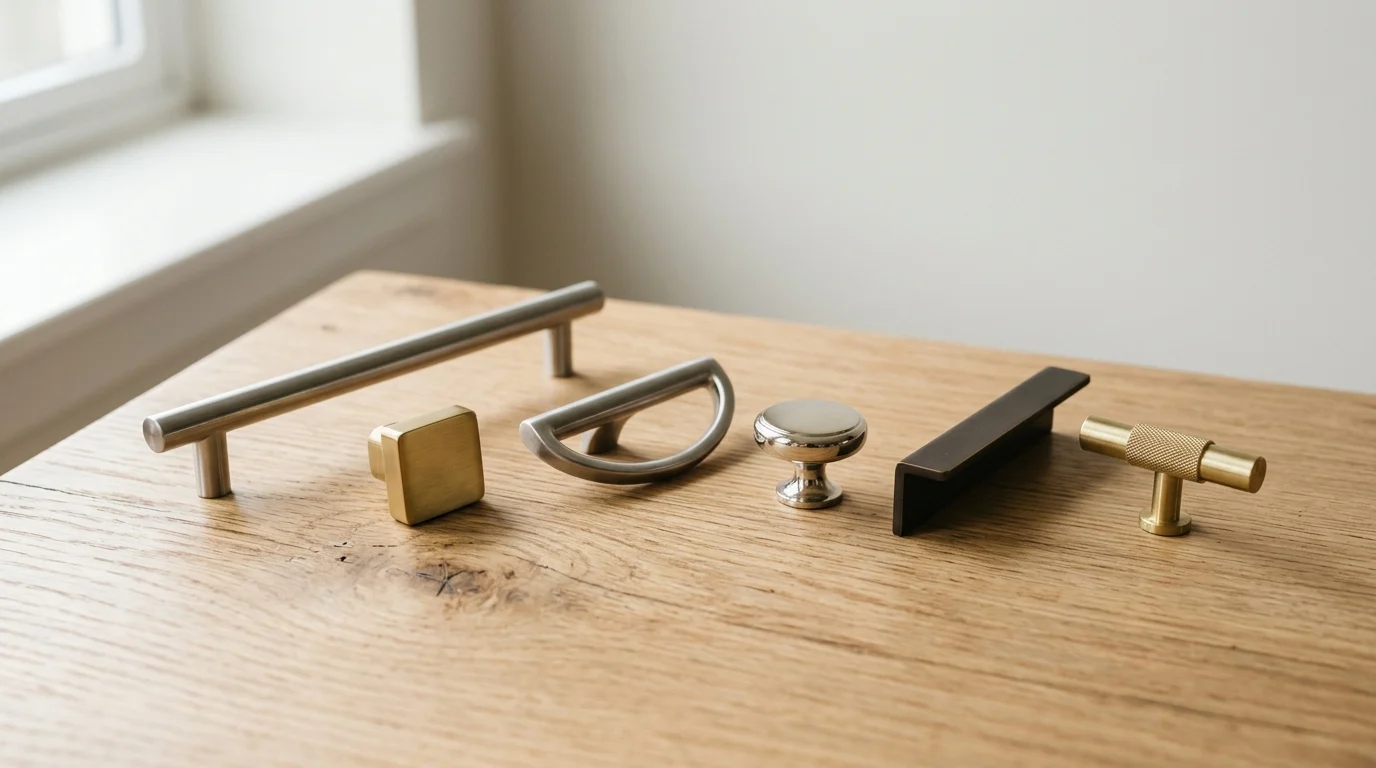
The finish on your hinge does more than define aesthetics—it also contributes to corrosion resistance. Polished stainless steel delivers a mirror-like shine that suits modern, minimalist bathrooms. Brushed stainless steel hides water spots and fingerprints better, making it practical for busy households.
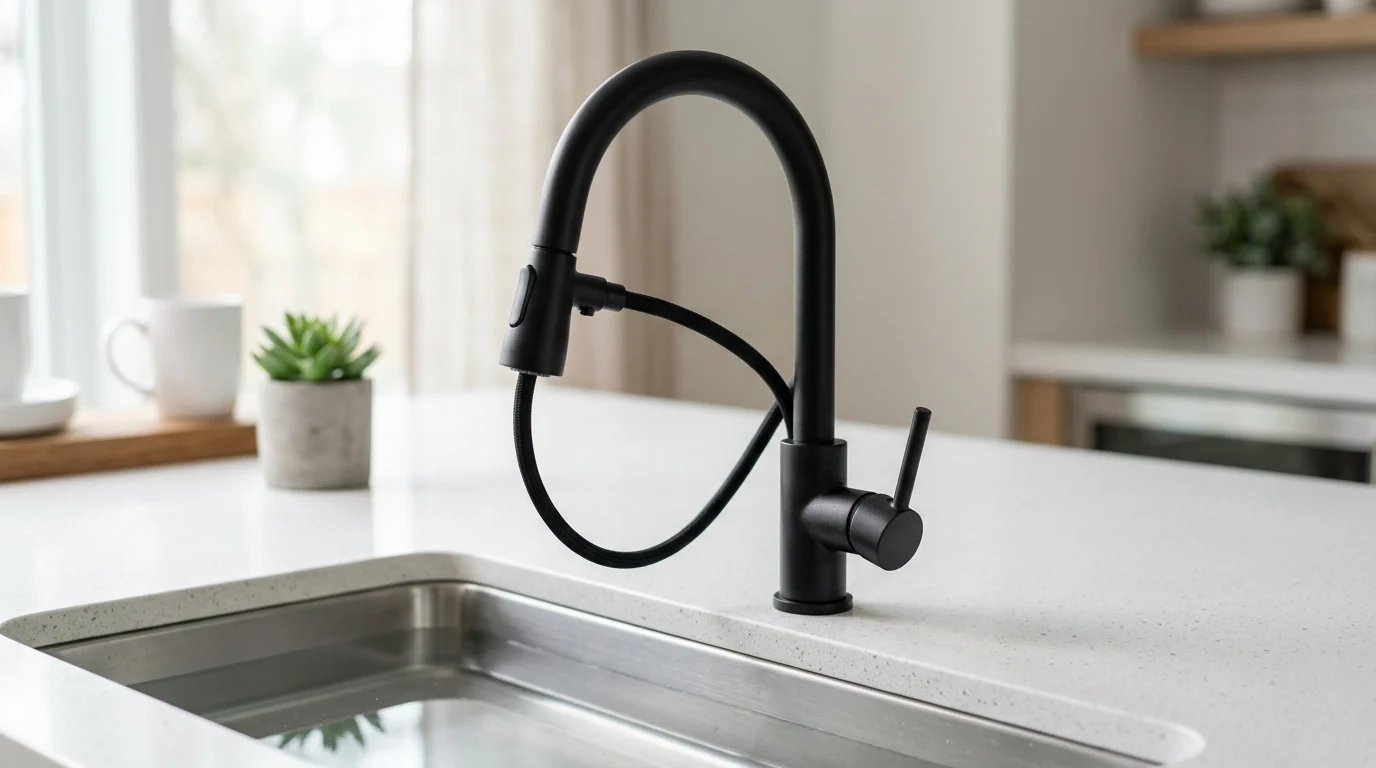
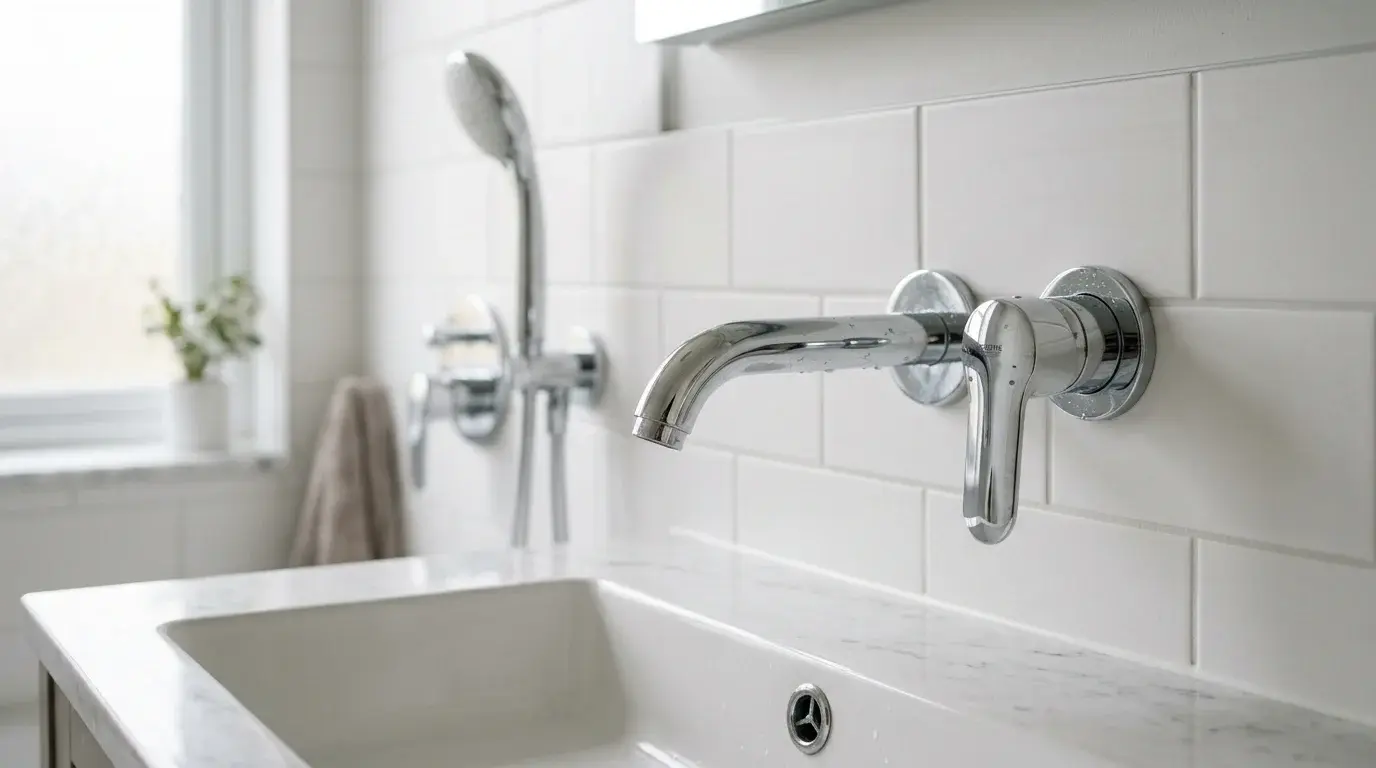
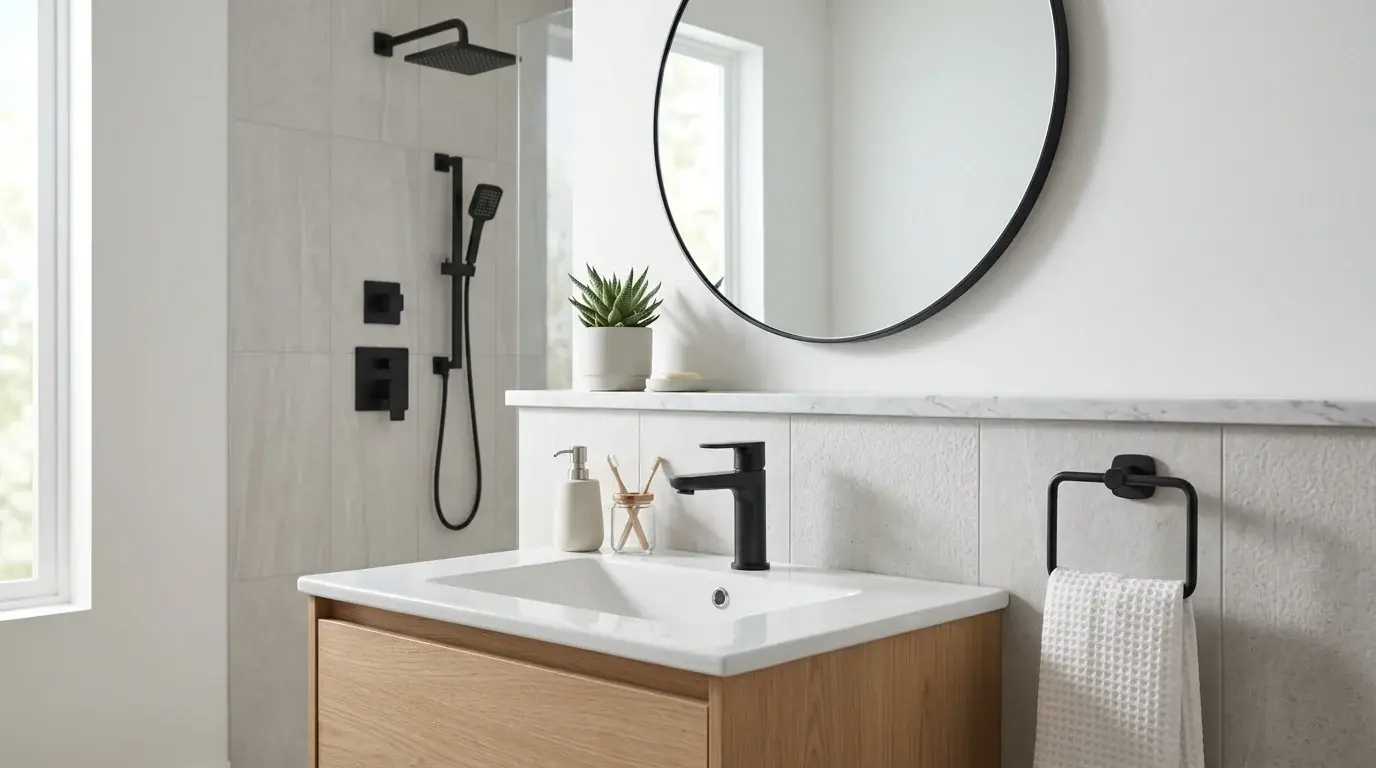
PVD (Physical Vapor Deposition) coatings—such as matte black, gold, or bronze—add color variety while boosting surface hardness. These coatings are applied at the molecular level, creating a bond far stronger than traditional electroplating. If you are selecting coordinating hardware like towel bars or faucetfixtures, ensure the finish matches across your entire Bathroom Hardware set for a cohesive look.
Pros and Cons: Stainless Steel Shower Hinges vs. Other Materials
| Feature | Stainless Steel (304/316) | Brass | Zinc Alloy |
|---|---|---|---|
| Corrosion Resistance | Excellent | Good (requires maintenance) | Fair (prone to white rust) |
| Durability | Very High | High | Moderate |
| Weight Capacity | High | High | Low to Moderate |
| Aesthetic Variety | Wide (PVD finishes available) | Classic warm tones | Limited finishes |
| Cost | Moderate to High | High | Low |
| Maintenance Required | Minimal | Regular polishing needed | Occasional cleaning |
Stainless steel Shower Hinges offer the best balance of durability, corrosion resistance, and overall value for most residential bathroom applications. Brass remains a viable option for traditional or luxury designs where budget allows for ongoing maintenance. Zinc alloy is best reserved for temporary installations or low-use settings.
Installation Best Practices
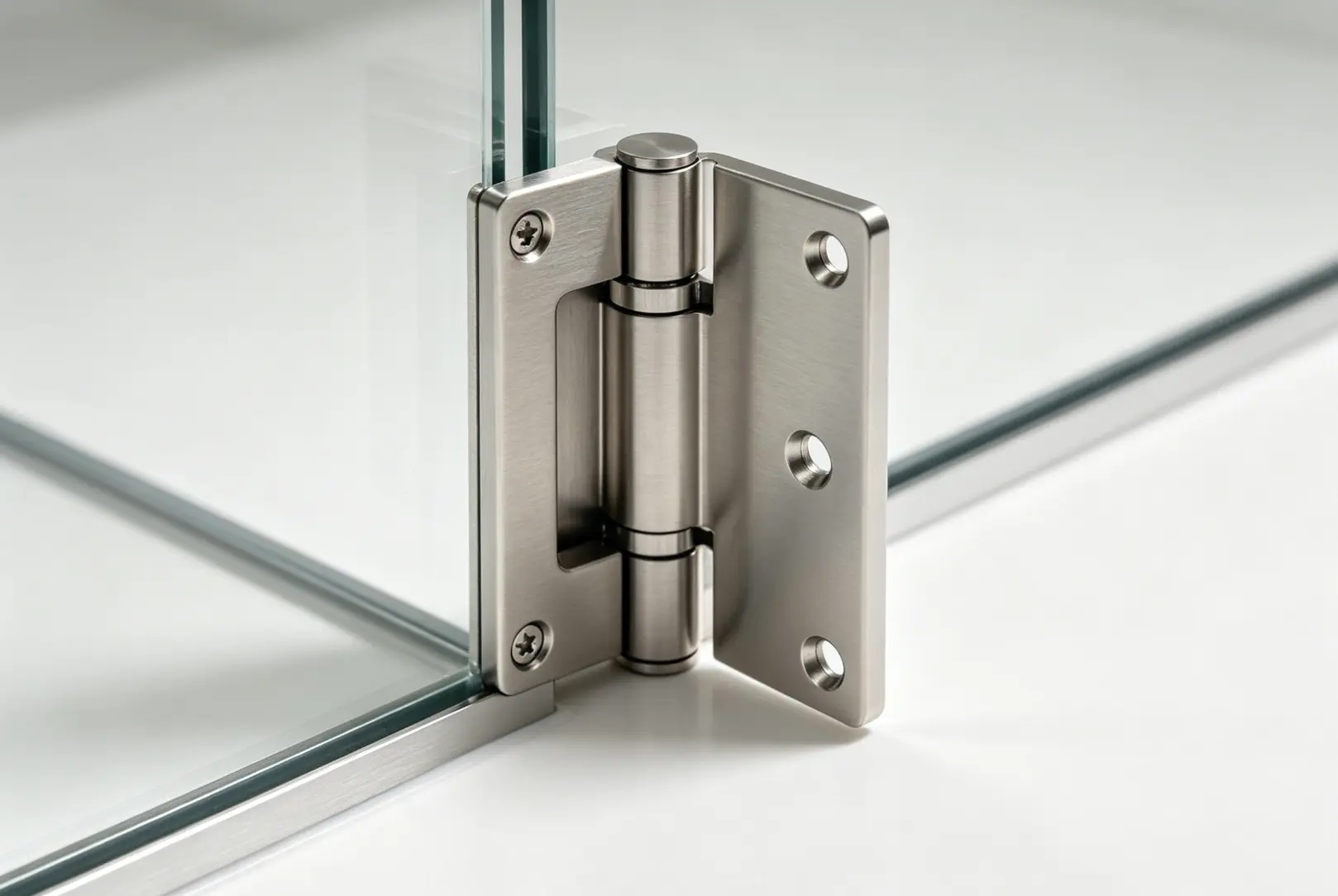
Proper installation extends hinge lifespan significantly. Ensure your wall structure can support the door weight—stud backing or reinforced mounting plates are essential for heavy frameless doors. Use silicone washers between the glass and hinge body to prevent direct metal-to-glass contact, which can cause stress fractures.
Apply a small bead of neutral-cure silicone sealant around the hinge perimeter on the exterior side to create a waterproof barrier. Avoid acidic or alkaline sealants, which can degrade stainless steel over time. Tighten mounting screws to the manufacturer's specified torque—over-tightening compresses the glass gasket and reduces its effectiveness.
For frameless installations, consider using a support bar or structural arm in addition to hinges, especially for doors exceeding 50 kg. This reduces load stress and extends hinge service life considerably.
Common Mistakes to Avoid
- Ignoring weight ratings — Always verify door weight against hinge specifications before purchase.
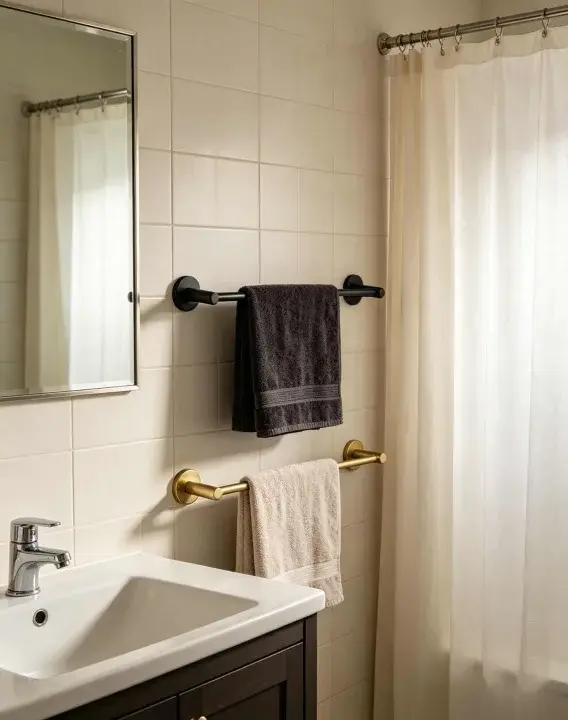
- Mixing metals — Pairing stainless steel hinges with brass or zinc hardware in the same enclosure can cause galvanic corrosion.
- Skipping the test swing — Open and close the door several times during installation to identify binding or misalignment early.
- Using incorrect cleaning products — Abrasive cleaners and bleach-based products damage stainless steel finishes and protective coatings.
- Neglecting seal gaskets — Worn or missing gaskets allow water to bypass the door and cause damage to surrounding structures.
How to Maintain Your Stainless Steel Shower Hinge
Even the highest-quality shower room fittings require basic upkeep to perform optimally. Rinse hinges with clean water after each shower to remove soap scum and mineral deposits. Wipe surfaces dry with a soft microfiber cloth—this simple habit prevents water spot buildup significantly.
For periodic deep cleaning, apply a specialty stainless steel cleaner with a soft cloth, following the grain direction. Avoid steel wool or scouring pads, which scratch the surface. If you notice any surface rust—typically a sign of contamination from iron particles—use a phosphoric acid-based stainless steel cleaner to dissolve the contamination without damaging the underlying material.
Inspect hinge mounting screws every six months. Thermal cycling and normal use can loosen fasteners over time. Re-tighten gently to avoid stripping the threads in tempered glass mounting holes.
Selection Checklist
Use this checklist when evaluating stainless steel shower hinges for your project:
- Confirm 304 or 316 stainless steel material with documented certification.
- Verify hinge weight capacity exceeds your glass door weight by at least 20%.
- Confirm glass thickness compatibility (typically 6 mm, 8 mm, or 10 mm).
- Check swing angle and handedness (left-hand / right-hand) matches your design.
- Confirm finish matches other bathroom hardware for a cohesive aesthetic.
- Review warranty coverage — reputable manufacturers offer 5 to 10-year warranties.
- Verify certifications such as ANSI Z97.1 (glass safety) or equivalent regional standards.
- Assess whether adjustable or fixed-angle hinges suit your installation requirements.
- Consider accessories such as seal strips, water deflectors, and support bars.
- Factor in lead time and availability for replacement parts should repairs be needed.
Frequently Asked Questions
What is the best grade of stainless steel for shower hinges?
304 stainless steel is the best all-around choice for shower hinges in most bathroom environments. It provides excellent corrosion resistance, durability, and value. If your bathroom is in a coastal area or exposed to saltwater air, 316 marine-grade stainless steel offers superior chloride resistance and justifies the higher cost.
How long do stainless steel shower hinges typically last?
High-quality stainless steel shower hinges typically last 15 to 25 years with proper installation and routine maintenance. Hinges in humid or coastal environments may experience shorter lifespans if not maintained regularly. Choosing a reputable manufacturer with certified materials significantly extends service life.
Can I replace brass hinges with stainless steel hinges on the same door?
In most cases, yes—stainless steel hinges can replace brass hinges if the weight rating, glass thickness, and mounting hole spacing match. However, the new hinges may require different screw sizes or adapter plates. Always confirm compatibility with the hinge manufacturer before making the switch.
Do I need a professional to install shower hinges?
While experienced DIYers can install shower hinges, professional installation is strongly recommended for frameless glass doors exceeding 40 kg. Professional installers ensure proper wall anchoring, correct torque specifications, and adequate sealing—all critical factors for safety and long-term performance.
Are expensive shower hinges worth the investment?
Yes, investing in premium stainless steel shower hinges pays off through superior corrosion resistance, higher weight ratings, and longer warranties. Budget hinges often use inferior stainless steel or thin plating that fails within a few years. The cost difference is minimal compared to the expense of repairing water damage from a failed shower enclosure.
Conclusion
Choosing the right stainless steel shower hinge for your bathroom comes down to matching material quality, weight capacity, and finish to your specific enclosure requirements. Prioritize 304 or 316 stainless steel with certified documentation, verify compatibility with your glass thickness and door weight, and select a finish that complements your broader bathroom hardware selection. Proper installation and regular maintenance will ensure your hinges perform flawlessly for decades. Explore the full range of shower room fittings, bathroom accessories, and faucet solutions at HZ DieCasting to complete your bathroom project with coordinated, high-quality hardware.