








Introduction
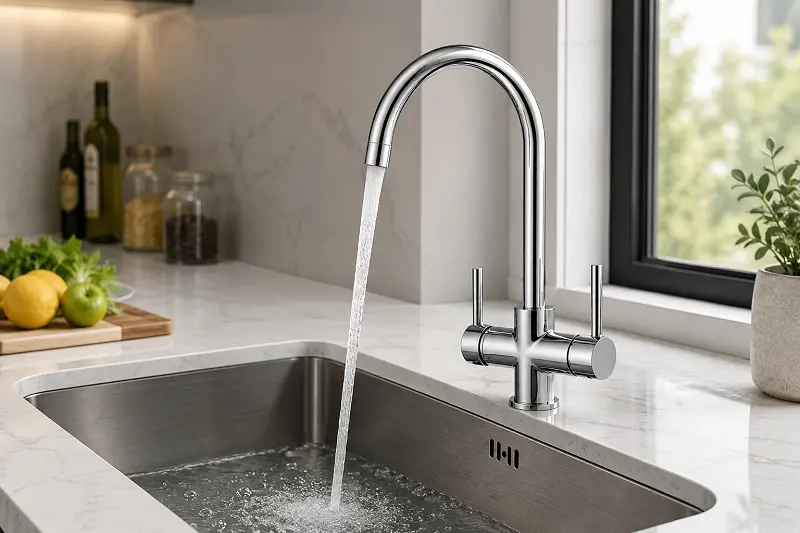
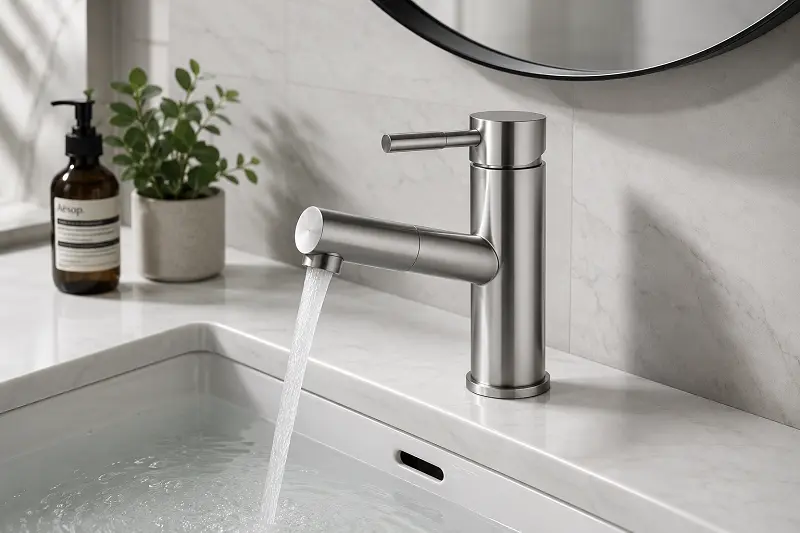
For Zinc Alloy Faucets, production quality depends as much on process control as on material choice. Precision die casting allows an OEM faucet supplier to form complex shapes with tight tolerances, smoother surfaces, and more consistent wall thickness, all of which affect plating quality, assembly fit, and long-term durability. It also helps reduce scrap, limit secondary machining, and support efficient high-volume manufacturing. This article explains how precision die casting improves Zinc Alloy Faucet production, what technical advantages it delivers on the factory floor, and why it matters for buyers evaluating cost, finish quality, and performance.
Why Precision Die Casting Matters for Zinc Alloy Faucets
Having spent years walking factory floors in the plumbing fixture industry, I can tell you firsthand that the material and manufacturing method you choose will make or break your product line. When we talk about bathroom and kitchen fixtures, Zinc Alloys—specifically Zamak 3 or Zamak 5—are absolute industry favorites. They offer a fantastic balance of cost-efficiency and mechanical durability. However, to achieve that flawless, mirror-like chrome finish on aZinc Alloy Faucet, you cannot just rely on basic casting techniques. You absolutely need precision die casting to meet modern consumer expectations.
Production goals and key terms
Production goals typically center on high-volume runs where minimizing secondary machining is critical to keeping costs down. Precision Die Casting involves injecting molten zinc into a hardened steel mold at extreme pressures, often exceeding 1,500 psi. This high-pressure environment ensures the liquid metal rapidly fills every intricate detail of the mold cavity before it solidifies. The primary goal here is achieving a near-net shape right out of the die. When evaluating a production line, the ideal process drastically reduces material waste and cuts down CNC machining time by at least 40% compared to traditional gravity casting.
Performance requirements and quality benchmarks
A high-quality faucet needs to withstand constant water pressure, physical daily use, and rapid temperature fluctuations without degrading. For Zamak 3 parts, a minimum tensile strength of around 280 MPa is standard. Moreover, subsurface porosity is the ultimate enemy of a good faucet. If the casting has microscopic air pockets trapped beneath the skin, the subsequent electroplating process will inevitably fail, leading to blistering or peeling chrome. A top-tier Faucet Supplier will keep the overall defect rate strictly below 1.5% by carefully controlling the mold temperature and the injection stroke speed, ensuring the metal density is perfectly uniform.
How an OEM Supplier Improves Faucet Quality
Partnering with an experienced OEM Faucet Supplier is a game-changer for your supply chain. A true OEM partner does not just blindly execute a CAD file; they actively engineer the manufacturing process to eliminate flaws before the first drop of molten metal ever hits the die. They use advanced mold flow simulation software to optimize the gating and venting systems. This proactive engineering ensures smooth metal flow, which directly impacts the final product's structural integrity and allows for that premium surface finish consumers demand.
Die casting factors that affect dimensional accuracy
Several factors affect dimensional accuracy during this process, with temperature control being paramount. Zinc is typically cast at a highly specific temperature range, usually between 410°C and 430°C. If the die temperature fluctuates by even 15°C across different zones, you risk severe thermal shrinkage or part warping. Shrinkage rates for standard Zinc Alloys generally hover around 0.6%, and an expert supplier will calculate this exact percentage into the initial mold design to ensure tight tolerances. Injection velocity also plays a crucial role inFaucet Production; if the plunger moves too fast, you trap air and create porosity, but if it moves too slow, the metal solidifies prematurely, causing visible cold shuts on the faucet body.
Supplier evaluation criteria
Vetting potential partners requires a strict set of quantitative criteria. You cannot just take a supplier's word for it; you need to look at their historic performance data. Here is a quick breakdown of what to look for when comparing standard vendors against premium OEM suppliers:
| Evaluation Criteria | Standard Supplier | Premium OEM Supplier |
|---|---|---|
| Dimensional Tolerance | ±0.10 mm | ±0.02 mm |
| Surface Defect Rate | < 5.0% | < 1.0% |
| Tooling Life (Shots) | 500,000 | 1,000,000+ |
| Secondary Machining | Heavy CNC required | Minimal (Near-net shape) |
Selecting a supplier that hits the premium benchmarks means fewer headaches during assembly and a much lower return rate from your end-users.
What to Check Before Choosing an OEM Faucet Supplier
Understanding technical specifications and manufacturing nuances is essential, but selecting a final partner requires a broader perspective. Technical capability is only half the battle. The other half involves logistics, regulatory compliance, and overall supply chain stability. You need an OEM partner who can deliver your products on time, every single time, without getting your shipments tangled in customs or failing local plumbing codes.
Sourcing, compliance, and logistics checks
Compliance is absolutely non-negotiable in this industry. For instance, if you are selling into the North American market, your fixtures must meet strict lead-free requirements, typically mandating less than 0.25% weighted average lead content under the Safe Drinking Water Act. Even though zinc itself inherently lacks lead, the brass internal components or specific plating processes used alongside the zinc body must be rigorously tested. On the logistics side, look for a Minimum Order Quantity (MOQ) that aligns with your inventory strategy—usually between 1,000 and 3,000 units for custom die-cast designs. You also have to factor in lead times; a well-oiled OEM operation should turn around initial tooling and first article inspections in 30 to 45 days, with mass production taking an additional 20 to 30 days.
Final supplier selection
Making the final call requires a holistic, data-driven view of the supplier's operations. By combining technical evaluations with strict logistical and compliance checks, you can secure a partnership that ensures long-term production success and consistent product quality.
Key Takeaways
- The most important conclusions and rationale for Faucet
- Specs, compliance, and risk checks worth validating before you commit
- Practical next steps and caveats readers can apply immediately
Frequently Asked Questions
Why is precision die casting preferred for zinc alloy faucets?
It creates near-net-shape parts with tight tolerances, smoother surfaces, and less CNC work. This helps zinc faucets achieve reliable chrome plating and lower production cost.
Which zinc alloys are commonly used for faucet production?
Zamak 3 and Zamak 5 are common choices. They offer a practical balance of strength, castability, and cost for bathroom and Kitchen Faucet components.
How does an OEM faucet supplier reduce plating defects?
By controlling mold temperature, injection speed, and venting to limit subsurface porosity. This reduces blistering or peeling after electroplating and improves finish consistency.
What quality benchmarks should I ask a faucet supplier like HZ Die Casting about?
Ask for dimensional tolerance, surface defect rate, tooling life, and machining needs. Strong targets are around ±0.02 mm tolerance, under 1% surface defects, and near-net-shape output.
What should I confirm before choosing a supplier from www.huazhuprecision.com?
Confirm Zinc Alloy grade, faucet type, tooling capability, plating requirements, and production volume. Also request sample data or past QC results to verify stable high-volume performance.