
Introduction
Selecting a custom faucet manufacturer for a wholesale Basin Faucet project affects far more than unit price. The right partner shapes product quality, finish consistency, certification compliance, lead times, and your ability to scale without costly setbacks. This article outlines how to evaluate manufacturers against your project requirements, verify whether you are dealing with a true factory or a middleman, and spot the production and quality-control details that directly impact margins and brand reputation. With a clear vetting approach, you can compare suppliers more confidently and move into sourcing decisions with fewer surprises.
Why Choosing the Right Custom Faucet Manufacturer Matters
I've spent years navigating the plumbing fixture supply chain, and I can tell you firsthand that partnering with the right Custom Faucet Manufacturer will make or break your product launch. When sourcing fixtures at scale, a slight misalignment in production capabilities or quality control can lead to massive downstream headaches. The market is saturated with middlemen and trading companies posing as direct factories, making a rigorous vetting process absolutely critical for your bottom line.
Define Project Requirements
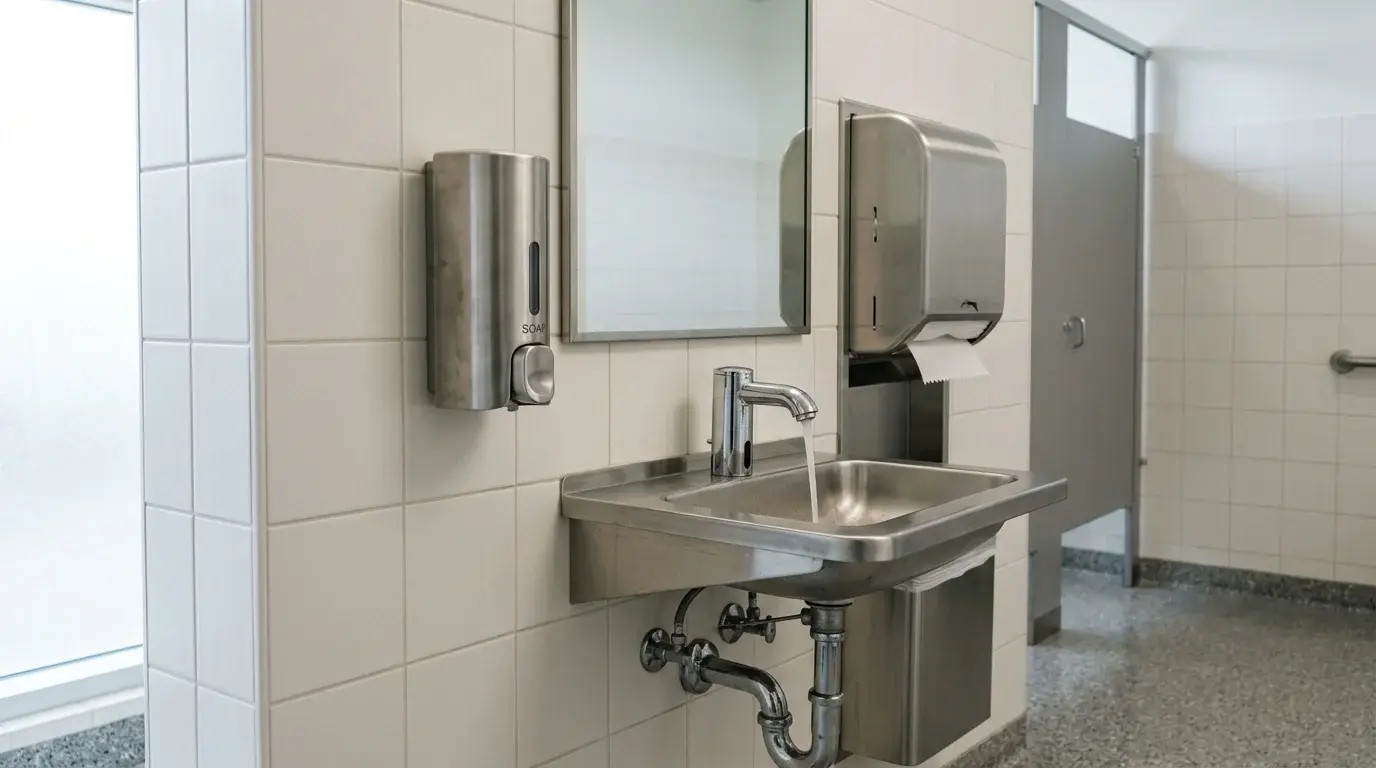
Before reaching out to suppliers, map out exactly what you are trying to build. Are you targeting high-end residential markets with heavy, lead-free brass bodies, or commercial spaces that demand touchless infrared sensors and vandal-resistant designs? Define your Minimum Order Quantity (MOQ) early on. Most reputable factories require an MOQ of 500 to 1,000 units for custom finishes like brushed gold, gunmetal, or matte black. If your initial run is only 200 units, filter your search specifically for manufacturers willing to do smaller pilot runs. Keep in mind that asking for an MOQ below standard production thresholds usually incurs a 15% to 20% premium on the per-unit cost.
Assess Business Risks and Brand Goals
The risks in this industry aren't just about receiving a leaky product; they involve brand reputation, costly returns, and strict legal compliance. If a batch of Wholesale Basin Faucet units fails a high-pressure burst test or leaches heavy metals into the water supply, recall and replacement costs can easily exceed $50,000—not to mention the permanent damage to brand trust. Your goals should dictate your risk tolerance. For instance, if you want to position your brand as eco-friendly, ensure your partner can consistently achieve a flow rate of 1.2 Gallons Per Minute (GPM) or lower to meet WaterSense standards. Aligning these technical goals with a factory that understands them mitigates catastrophic supply chain failures.
How to Evaluate Custom Faucet Manufacturers
Once you have a shortlist of potential partners, it is time to dig into the details. Never rely solely on a glossy profile or a slick website. You need to verify actual engineering capabilities, material sourcing, and compliance track records. Finding a solid manufacturing partner means asking tough technical questions right out of the gate, cutting through the sales pitch to see how they handle real production variables.
Compare Specifications, Materials, and Certifications
The core material dictates the lifespan and weight of your product, which consumers heavily associate with quality. Push for 59-1 brass (containing 59% copper and strictly less than 1% lead) for premium lines, or high-grade 304 stainless steelfor modern, corrosion-resistant designs. Zinc Alloy is cheaper but has a significantly higher defect rate, sometimes hitting 3% to 5% over a five-year lifecycle due to pitting and internal corrosion. Do not forget the internal components. Ask if they use recognizable, high-cycle ceramic cartridges from brands like Sedal or Kerox, and aerators from Neoperl. Finally, if selling in North America, cUPC and NSF/ANSI 61 certifications are non-negotiable. Request compliance certificates and verify the registration numbers against official databases.
Build a Practical Comparison Table
To keep evaluations objective, build a supplier comparison matrix. This helps visualize the trade-offs between cost, lead time, and material quality across different vendors. Here is a simplified version of the framework to use when evaluating a Faucet Manufacturer:
| Supplier Feature | Vendor A (Premium Brass) | Vendor B (Standard Zinc/Brass) | Vendor C (Stainless Steel) |
|---|---|---|---|
| Primary Material | 59-1 Low-Lead Brass | Zinc Alloy Body / Brass Core | 304 Stainless Steel |
| Average MOQ | 500 units | 1,000 units | 300 units |
| Unit Cost (Est.) | $35.00 - $45.00 | $18.00 - $25.00 | $28.00 - $38.00 |
| Lead Time | 45-60 days | 30-40 days | 40-50 days |
| Certifications | cUPC, NSF 61, CE | CE, ISO 9001 | cUPC, WaterSense |
| Cartridge Life | 500,000 cycles (Sedal) | 300,000 cycles (Local) | 500,000 cycles (Kerox) |
How to Validate and Finalize Your Manufacturer Choice
After doing the math, comparing specifications, and narrowing the list down to a couple of strong contenders, the validation phase begins. This is where you move from theoretical capabilities to physical proof. Sourcing a reliable Wholesale Faucet requires a hands-on approach to quality assurance and strict contractual boundaries before wiring a single dollar.
Review RFQs, Samples, and Production Processes
When sending out a Request for Quotation (RFQ), pay close attention to how costs are itemized. Are the ceramic cartridges, aerators, and flexible supply hoses priced separately, or bundled into the base price? If a custom mold is needed for a unique spout design, expect tooling costs to range from $1,500 to $4,000 depending on complexity. Always order physical samples before committing to a production run. Test the sample rigorously: check the plating thickness (a good PVD finish should be at least 0.2 to 0.5 microns thick to resist scratching) and request a salt spray test report for at least 24 to 48 hours to gauge corrosion resistance. If the sample passes, ask for a virtual or third-party audit of the production floor to ensure assembly lines and pressure-testing stations match the prototype's quality.
Negotiate Terms and Make the Final Decision
Finalizing the deal isn't just about haggling over the unit price; it's about setting clear expectations for when things go wrong, ensuring a resilient and long-term manufacturing partnership.
Key Takeaways
- The most important conclusions and rationale for Faucet
- Specs, compliance, and risk checks worth validating before you commit
- Practical next steps and caveats readers can apply immediately
Frequently Asked Questions
What MOQ should I expect for a custom wholesale basin faucet project?
Most custom faucet manufacturers quote 500–1,000 units, especially for special finishes. Smaller pilot runs are possible, but usually add about 15%–20% to the unit cost.
Which materials are best for basin faucets?
For premium quality, choose 59-1 low-lead brass or 304 stainless steel. Avoid relying on Zinc Alloy for long-term durability, especially in projects targeting residential or commercial quality standards.
What certifications should a faucet manufacturer provide?
For North America, ask for cUPC and NSF/ANSI 61 at minimum. If efficiency matters, confirm WaterSense-related performance like 1.2 GPM or lower and verify certificate numbers in official databases.
How can I tell if a supplier is a real faucet manufacturer and not a trading company?
Ask for factory audit records, production photos or videos, certification ownership, and details on tooling, cartridge brands, and testing. A real manufacturer should answer technical questions clearly and consistently.
What components should I check before approving a faucet supplier?
Confirm the ceramic cartridge and aerator brands first. Practical choices include Sedal or Kerox cartridges and Neoperl aerators, because they improve lifespan, flow control, and after-sales reliability.