

5 Essential Shower Room Accessories Every Home Needs
A well-equipped shower room combines functionality, durability, and style through carefully selected accessories. This guide covers the five essential Shower Room Accessories every home needs, from precision-crafted hardware to premium materials like 304 stainless steel that resist corrosion in wet environments. Whether renovating a master bathroom or upgrading a guest suite, investing in quality bathroom fittings ensures long-term performance and visual appeal.
Shower Head and Handheld Spray Set
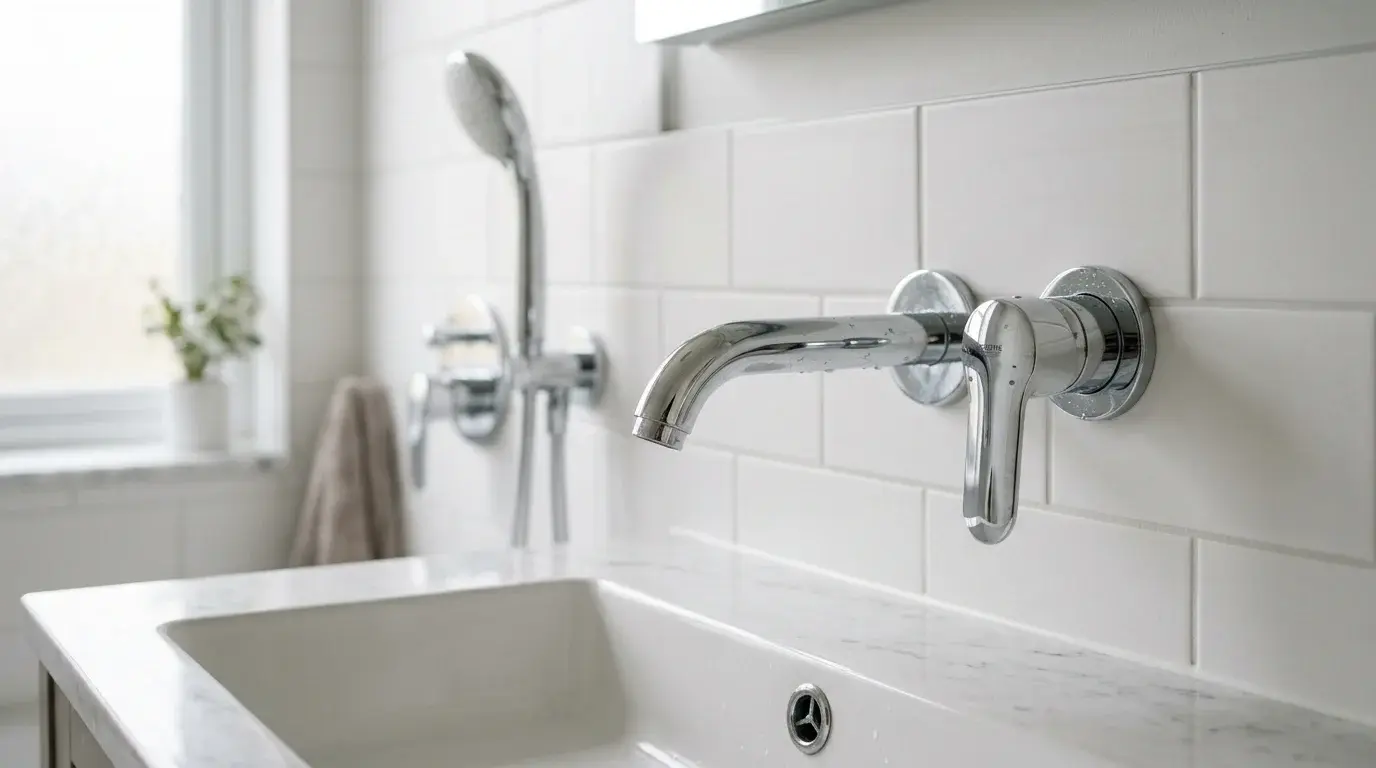
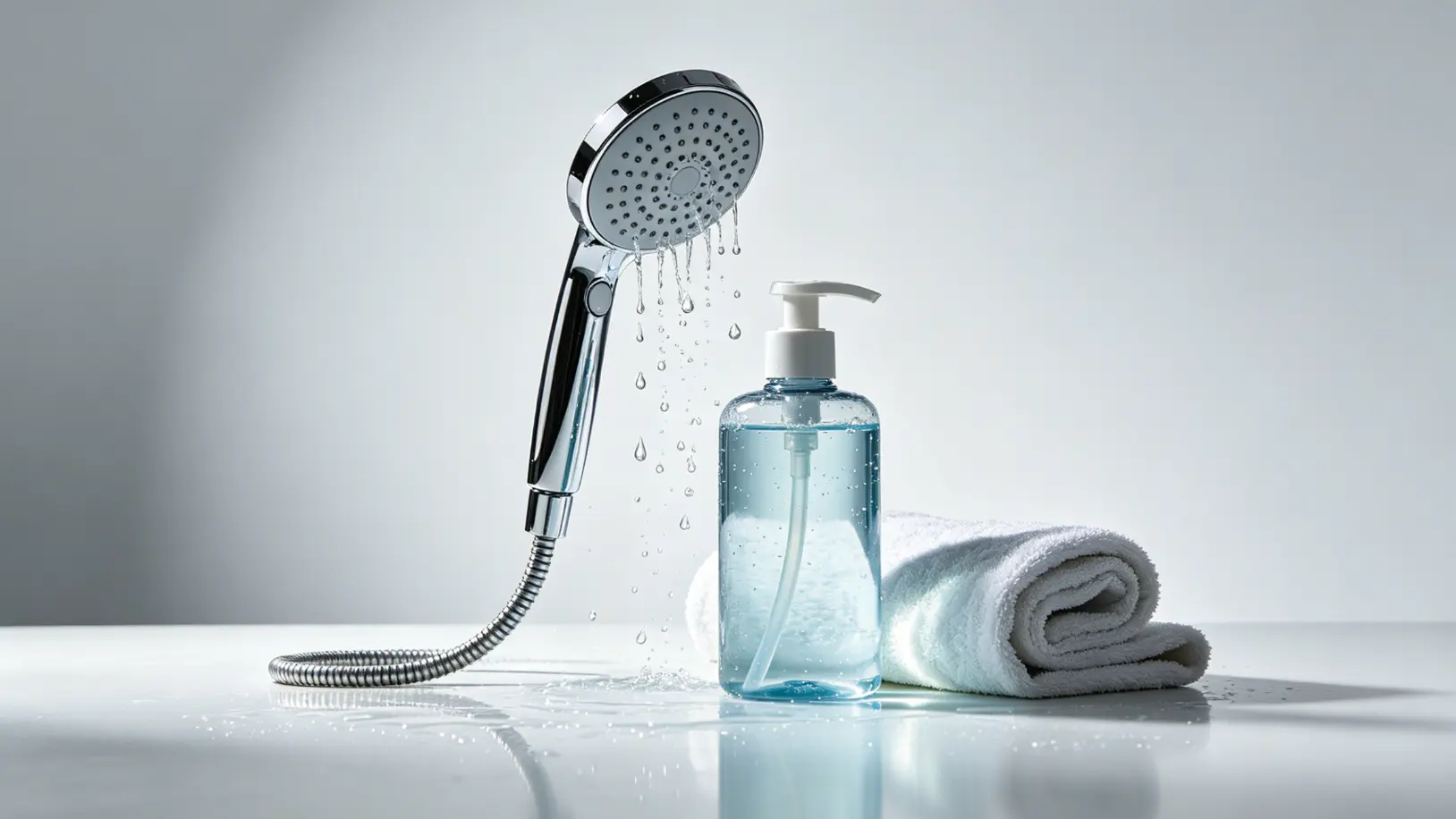
The shower head is the centerpiece of any shower room, directly impacting your daily water experience. Modern shower heads come in rainfall, high-pressure, and eco-spray designs, each offering distinct water distribution patterns. A handheld spray set paired with a durable brass or stainless steel bracket adds versatility for rinsing, cleaning the enclosure, and bathing children or pets. When selecting a shower head, consider flow rate (GPM), finish matching your existing bathroom fittings, and spray technology that prevents limescale buildup.
Flow Rate Comparison by Shower Head Type
| Type | Avg. Flow Rate (GPM) | Best For | Material Recommendation |
|---|---|---|---|
| Rainfall | 2.0–2.5 | Relaxation, low-pressure homes | 304 stainless steel, brass |
| High-Pressure | 2.5–3.0 | Strong spray, muscle relief | Zinc Alloy, chrome-plated brass |
| Eco-Spray | 1.5–2.0 | Water conservation | Stainless steel precision casting |
| Handheld | 2.0–2.5 | Flexibility, pet/baby bathing | 304 stainless steel, ABS+stainless |
Shower Door and Enclosure Hardware
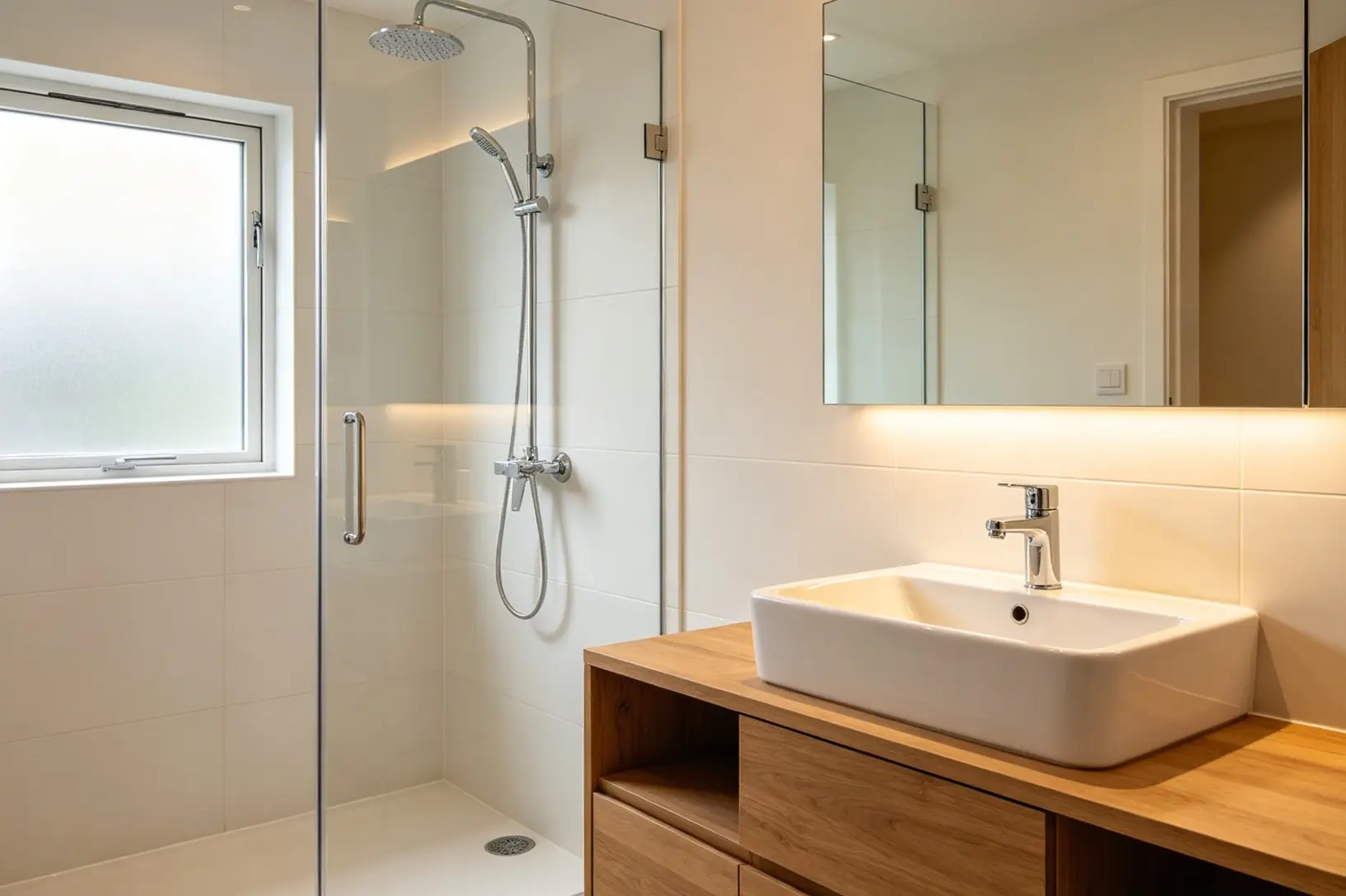
Shower door hinges, handles, and clamp fittings bear daily mechanical stress and constant moisture exposure. Inferior hardware corrodes within months, leading to door misalignment and potential water leakage. High-quality shower room fittings use 304 stainless steel or precision-cast stainless components that maintain structural integrity in humid conditions. Glass shower enclosures typically require hinge sets rated for door weights up to 50 kg, with self-closing mechanisms for steam retention. Select finishes that complement your faucetand Towel Bars for a cohesive bathroom aesthetic.
Wall-Mounted Shower Caddy and Storage Solutions
A wall-mounted shower caddy eliminates clutter by keeping shampoo bottles, soaps, and razors organized and off the floor. Adjustable caddies fit between walls and accommodate varying shelf heights, while tension-pole models suit rental properties without drilling. Materials matter significantly: chrome-plated steel resists rust, though 304 stainless steel caddies offer superior longevity in hard-water environments. Some homeowners opt for built-in recessed niches during renovation—a permanent storage solution that pairs beautifully with furniture hardware finishes for a seamless, minimalist look.
Grab Bars and Safety Hardware
Bathroom safety is a priority for households with elderly members, children, or individuals with mobility challenges. Grab Bars installed near the shower entrance, inside the enclosure, and beside the toilet provide essential support and reduce slip hazards. Structural Grab Bars mount directly into wall studs or use heavy-duty mounting plates, supporting up to 500 lbs of force. Modern designs incorporate decorative finishes that blend with contemporarydoor & window hardware aesthetics, proving that safety features need not compromise style. Always verify that grab bar hardware meets ADA compliance guidelines for residential installations.
Drainage System: Floor Drain and Linear Drain
An efficient drainage system prevents water pooling, mold growth, and bathroom floor damage. Traditional center drains work adequately, but linear drains along the shower threshold offer superior water evacuation and a sleek, barrier-free appearance. Quality Floor Drains feature removable strainers for hair collection, anti-odor seals, and corrosion-resistant bodies made from stainless steel precision casting or brass. Linear drains require proper slope planning (minimum 2% gradient) toward the drain channel and should be selected to match your tile layout. Investing in premium drainage hardware protects subflooring and reduces long-term maintenance costs.
Shower Drain Type Comparison
| Feature | Center Floor Drain | Linear Drain |
|---|---|---|
| Water flow capacity | Moderate | High (wider capture zone) |
| Installation complexity | Lower | Moderate (slope planning needed) |
| Aesthetic profile | Visible grate | Minimal, modern |
| Best for | Square/circular enclosures | Barrier-free, large format tiles |
| Material recommendation | 304 stainless steel, brass | Stainless steel precision casting |
Source: Plumbing standards ISO 16000 series, 2025.
Material Selection Guide for Shower Accessories
Choosing the right material for shower accessories directly affects durability, maintenance, and appearance. The following checklist summarizes key material properties:
- 304 Stainless Steel — Excellent corrosion resistance, ideal for humid environments, maintains finish long-term.
- Brass — Heavy, durable, naturally antimicrobial; resists dezincification in quality grades.
- Zinc Alloy — Cost-effective, good for decorative件; ensure quality plating to prevent corrosion.
- Aluminum Alloy — Lightweight, suitable for non-weight-bearing件; vulnerable to pitting in harsh water conditions.
- Stainless Steel Precision Casting — Complex shapes with superior strength; used for premium hinges, handles, and decorative hardware.
Pros and Cons Summary
| Material | Pros | Cons |
|---|---|---|
| 304 Stainless Steel | Corrosion-resistant, durable, low maintenance | Higher upfront cost |
| Brass | Heavy-duty, antimicrobial, premium feel | Heavier; can tarnish without lacquer |
| Zinc Alloy | Affordable, versatile shapes | Plating may wear; not for load-bearing件 |
| Aluminum Alloy | Lightweight, corrosion-resistant | Softer metal; prone to cosmetic damage |
| Stainless Steel Casting | Complex geometry, superior strength | Premium pricing |
Installation Best Practices
Proper installation ensures that even the highest-quality accessories perform as designed. Follow these numbered steps for optimal results:
- Locate wall studsusing a stud finder before mounting heavy items like Grab Bars or large caddies.
- Apply silicone sealant around all penetrations to prevent water intrusion behind tiles.
- Use level tools during installation to ensure grab bars, caddies, and door hardware align correctly.
- Tighten all fasteners to manufacturer torque specifications to prevent loosening over time.
- Test after installation — run water at full pressure to verify no leaks at connections, hinges, or drain fittings.
Frequently Asked Questions (FAQ)
1. What is the best material for shower room accessories in a humid climate? 304 stainless steel and brass are the top choices for humid environments because they resist rust, corrosion, and dezincification. These materials maintain their finish and structural integrity even with constant moisture exposure, making them ideal for coastal or tropical bathroom setups.
2. How often should shower door hinges and hardware be replaced? Quality hinges made from stainless steel precision casting can last 15–20 years with proper maintenance. Inspect hinges every 12 months for signs of wear, corrosion, or looseness. Replace immediately if the shower door shows sagging or if hardware displays surface pitting.
3. Are linear drains worth the extra installation cost compared to center drains? Linear drains offer a modern aesthetic, better water capture along shower thresholds, and easier accessibility for barrier-free designs. While installation requires slope planning, the long-term benefits in water management and style often justify the additional upfront investment.
4. Do grab bars need to be installed in wall studs, or do wall anchors work? Grab bars must anchor into wall studs or use heavy-duty toggle bolts rated for at least 250 lbs of force. Standard wall anchors are insufficient for safety-critical applications. Consult a professional installer if wall stud placement does not align with your desired grab bar location.
5. How do I prevent limescale buildup on stainless steel shower accessories? Wipe accessories dry after each use, and clean weekly with a mild vinegar solution or pH-neutral cleaner. Avoid abrasive scrubbers that damage protective finishes. For areas with hard water, installing a water softener significantly reduces mineral deposits on all bathroom hardware.
Conclusion
Equipping a shower room with five essential accessories—quality shower head, durable door hardware, organized storage, safety grab bars, and efficient drainage—creates a bathroom that is practical, safe, and visually cohesive. Prioritizing materials like 304 stainless steel and brass ensures corrosion resistance and longevity, while matching finishes across bathroom fittings and faucet selections unifies the overall design. Whether building new or renovating, these foundational accessories deliver daily comfort and lasting value for every household.