


3 Reasons Why 304 Stainless Steel is Best for Towel Bars
304 stainless steel is the premier material choice for towel bars in modern bathrooms, combining exceptional corrosion resistance with structural strength and long-term durability. This austenitic stainless steel grade consistently outperforms plastic, Zinc Alloy, and lower-grade steel alternatives in demanding bathroom environments. For homeowners and contractors seeking reliablebathroom fittings that stand the test of time, 304 stainless steel delivers unmatched performance in humid, high-moisture settings.
Reason 1: Exceptional Corrosion Resistance in Moist Environments
Bathrooms are high-humidity zones where moisture constantly contacts Towel Bars. 304 stainless steel contains 18–20% chromium and 8–10.5% nickel, forming a passive chromium oxide layer that actively resists rust and corrosion. This protective mechanism self-repairs when scratched, ensuring the bar remains intact even with daily use and cleaning.
According to the Nickel Institute (2024), 304 stainless steel is the most specified grade for architectural and residential applications in coastal and humid climates. Unlike Zinc Alloy fittings that can pit and degrade, 304 stainless steel maintains its surface finish indefinitely under normal bathroom conditions. This makes it ideal forshower room fittings where constant water exposure is standard.
The material's corrosion resistance also protects the bar's aesthetic appeal over time. Homeowners avoid the unsightly brown staining and pitting that plagues lesser materials, preserving a clean, modern bathroom appearance for years without special maintenance routines or abrasive cleaning products. The surface retains its original finish—brushed, matte, or polished—throughout the product's lifespan without requiring re-coating or refinishing.
Reason 2: Superior Strength and Load-Bearing Capacity
Towel Bars must support wet, heavy towels without bending or warping. 304 stainless steel offers excellent tensile strength—approximately 515 MPa yield strength—allowing it to hold heavy bath sheets and multiple towels simultaneously without structural deflection. This load-bearing reliability outperforms most alternative materials in residential settings.
The inherent rigidity of 304 stainless steel also prevents the "sagging" problem common with hollow or thin-walled alternatives. Whether installed in a master bathroom or a busy family guest bath, a 304 stainless steel towel bar maintains its level, secure mounting over years of use. This makes it a preferred choice for furniture hardware applications where consistent dimensional stability is non-negotiable.
For contractors and specifiers, the strength profile of 304 stainless steel simplifies installation. It accepts standard wall anchors reliably, reducing callbacks and warranty claims associated with failed Bathroom Hardware. The material also machines cleanly, allowing precision threading and mounting socket fabrication that ensures snug, wobble-free installations every time.
Reason 3: Low Maintenance and Long-Term Cost Efficiency
304 stainless steel Towel Bars require minimal upkeep to retain their appearance and function. A periodic wipe with a soft cloth and mild detergent is sufficient for routine cleaning—no special polishes, coatings, or rust inhibitors are needed. The passive oxide layer that protects against corrosion also resists fingerprints and water spots better than many polished alternatives.
While the initial purchase price of a 304 stainless steel towel bar may be slightly higher than plastic or standard steel options, the total cost of ownership is significantly lower. Plastic bars crack and discolor within a few years. Zinc Alloy bars corrode and weaken. A 304 stainless steel bar, however, can last the lifetime of the bathroom, eliminating replacement costs and the environmental waste of disposable hardware.
The material is also 100% recyclable, aligning with sustainable building practices. For projects targeting LEED certification or environmentally conscious builds, 304 stainless steel supports green building standards. The U.S. Department of Energy (2025) highlights stainless steel as a preferred material in sustainable infrastructure due to its recyclability and extended service life.
Material Comparison: 304 Stainless Steel vs. Alternatives for Towel Bars
| Feature | 304 Stainless Steel | Zinc Alloy | Brass | Plastic |
|---|---|---|---|---|
| Corrosion Resistance | Excellent | Moderate | Good | Poor |
| Tensile Strength | High (515 MPa yield) | Moderate | High | Very Low |
| Lifespan | 20+ years | 3–5 years | 10–15 years | 1–3 years |
| Maintenance | Minimal | Moderate | Moderate | High (replacement) |
| Load Capacity | Heavy towels | Moderate | Heavy towels | Light towels only |
| Cost Over 10 Years | Lowest | High | Moderate | Highest |
| Recyclability | 100% | Partial | 100% | Poor |
As the comparison table demonstrates, 304 stainless steel outperforms alternatives across virtually every key metric. Its higher upfront cost is offset by decades of reliable service and minimal maintenance requirements.
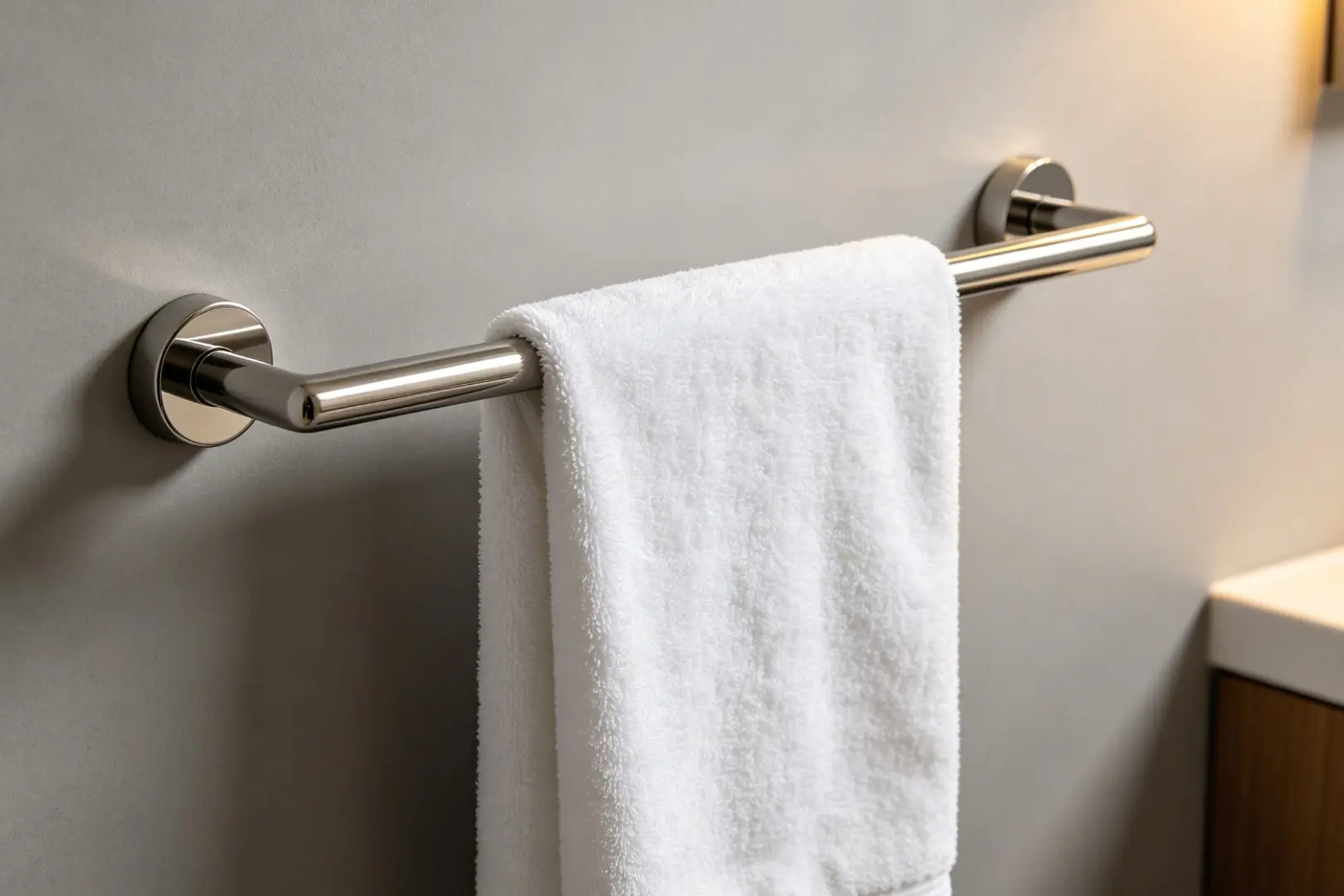
How to Select the Right 304 Stainless Steel Towel Bar
When choosing a 304 stainless steel towel bar for your bathroom, consider the following checklist:
- Verify the grade: Confirm the product is labeled 304 or 18/8 stainless steel, not just "stainless" or 201-grade steel.
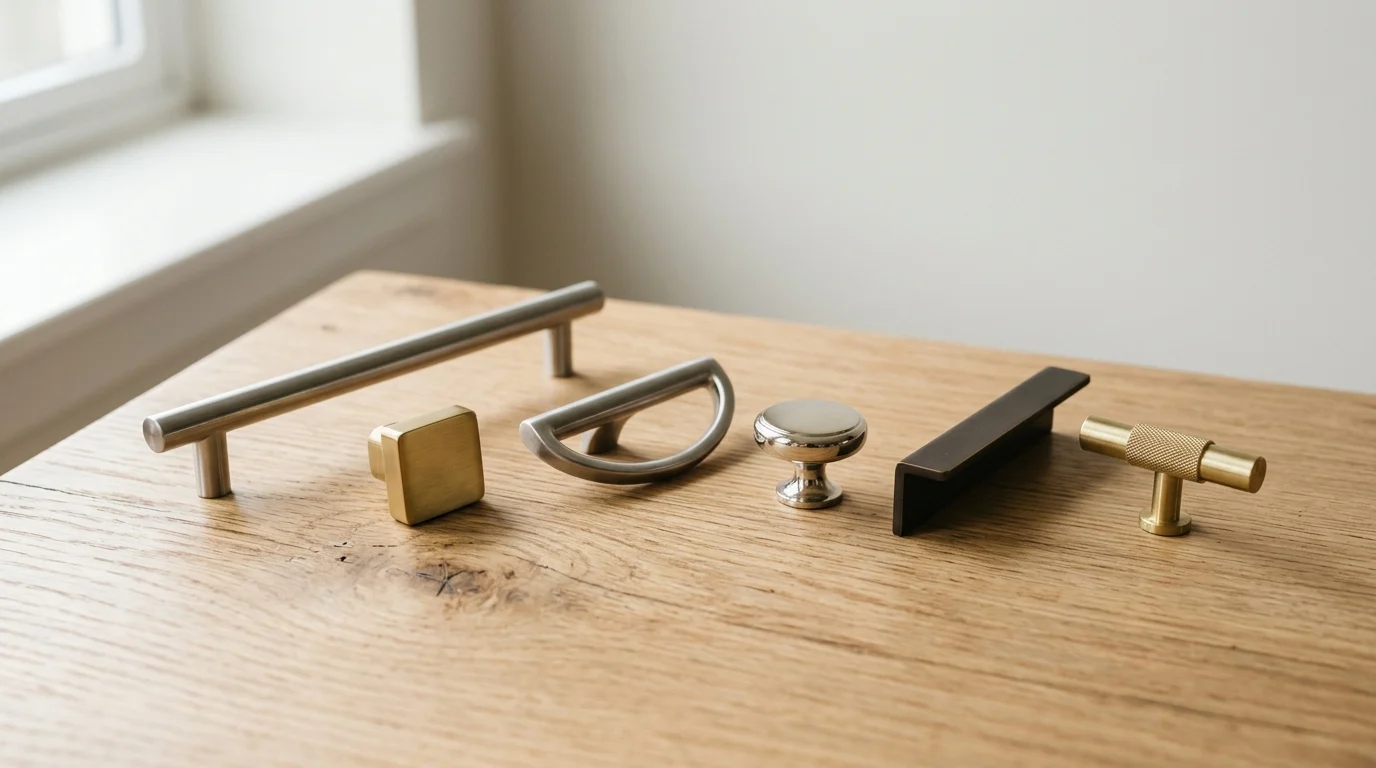
- Check the finish: Brushed nickel and matte finishes conceal scratches better than mirror polish in high-traffic bathrooms.
- Measure for load needs: Longer bars (24"+) should be mounted with wall anchors, not just drywall screws.
- Review mounting hardware: Solid, reinforced mounting plates distribute weight more effectively than thin bracket designs.
- Assess installation location: For faucet and shower-adjacent installations, ensure all hardware—including the towel bar—uses 304 stainless steel to match environmental exposure.
A well-chosen 304 stainless steel towel bar integrates seamlessly with door & window hardwareand other bathroom metalwork, creating a cohesive design language throughout the space. Matching the towel bar finish to other fixtures—such as Robe Hooks, toilet paper holders, and grab bars—creates a unified aesthetic that elevates the overall bathroom design while maintaining consistent material performance across all hardware.
FAQ: 304 Stainless Steel Towel Bars
1. Can 304 stainless steel towel bars be used in outdoor bathrooms? Yes. 304 stainless steel handles outdoor humidity and temperature fluctuations effectively, though in coastal outdoor environments with salt air exposure, 316 marine-grade stainless steel is recommended for extended longevity.
2. How do I clean fingerprints off a 304 stainless steel towel bar? A soft microfiber cloth dampened with warm water and a drop of mild dish soap removes fingerprints easily. Avoid abrasive scrubbers or bleach-based cleaners that can damage the passive oxide layer.
3. Will a 304 stainless steel towel bar rust in a steamy bathroom? No. The chromium oxide layer in 304 stainless steel provides robust protection against rust in typical bathroom steam environments, even with daily exposure to hot, humid air.
4. Is 304 stainless steel safe for households with allergies or sensitive skin? Yes. 304 stainless steel is hypoallergenic and does not leach nickel or chromium at levels that cause skin irritation, making it safe for sensitive users in shared bathrooms.
5. Can I install a 304 stainless steel towel bar on a tiled bathroom wall? Absolutely. Use appropriate tile drill bits and wall anchors designed for your tile type. 304 stainless steel brackets and screws provide the strength needed for secure mounting on tile surfaces.
Conclusion
304 stainless steel is the definitive best choice for towel bars in any bathroom setting. Its class-leading corrosion resistance protects against bathroom humidity, its exceptional strength handles heavy loads without bending, and its minimal maintenance requirements deliver the lowest total cost of ownership. For anyone sourcing bathroom fittings that combine performance, aesthetics, and longevity, 304 stainless steel towel bars are an investment that pays dividends for decades.