


Why Zinc Alloy Is Widely Used in Bathroom Hardware Manufacturing and OEM Applications
Zinc alloy has become one of the most popular materials in bathroom hardware manufacturing, particularly for OEM (Original Equipment Manufacturer) products. Its unique combination of durability, cost efficiency, and design flexibility makes it an ideal choice for shower room fittings, Bathroom Accessories, and a wide range of sanitary hardware components. As bathroom designs continue to evolve toward sleeker aesthetics and more complex geometries, zinc alloy provides manufacturers with a material solution that meets both functional and aesthetic demands. This article explores why zinc alloy is so widely used in the bathroom hardware industry and how it serves as a cornerstone material for OEM applications.
What Makes Zinc Alloy Ideal for Bathroom Hardware
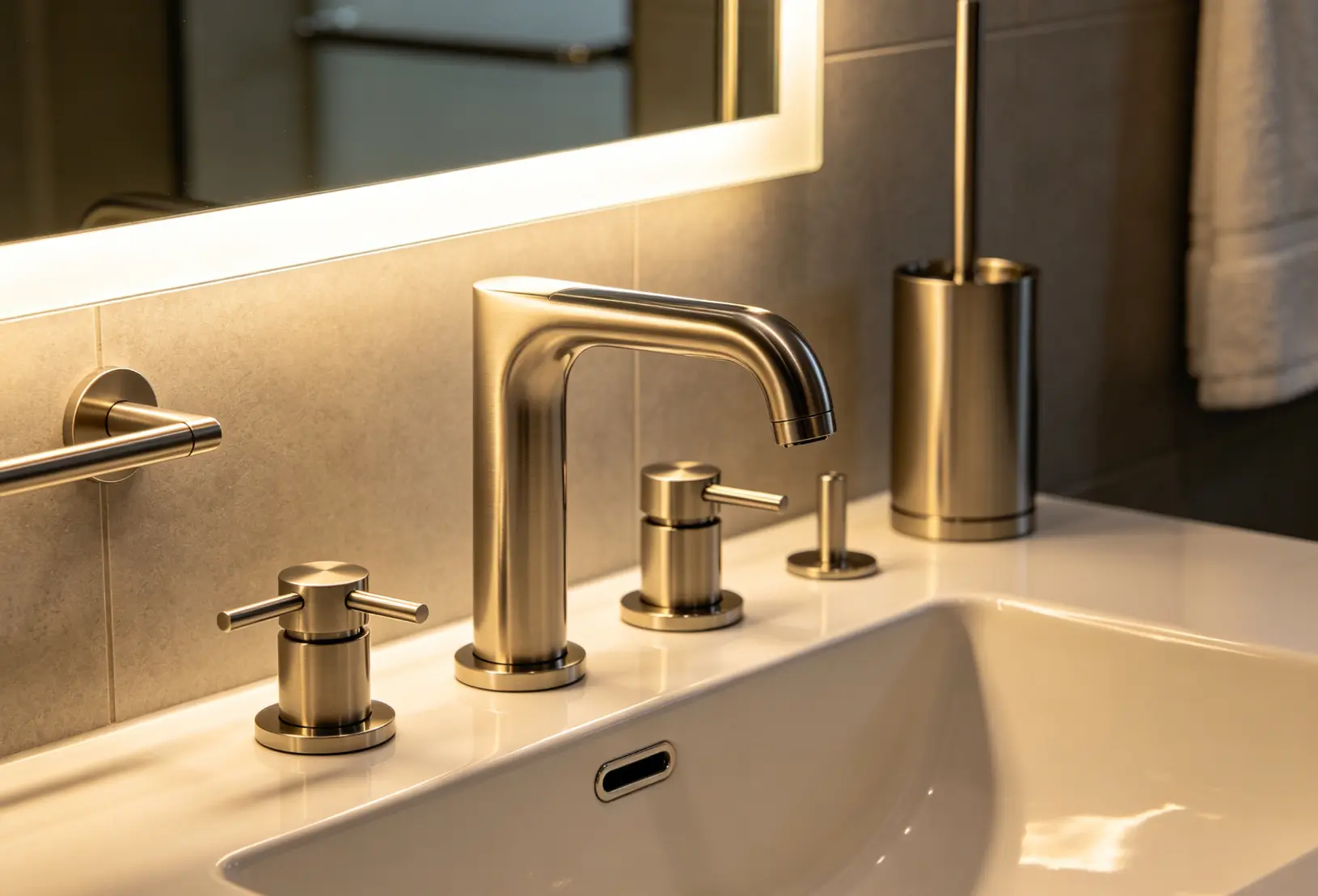
Zinc alloy's popularity in Bathroom Hardware stems from its excellent castability and mechanical properties. Die-cast zinc alloys can be shaped into intricate, thin-walled designs that would be difficult or impossible to achieve with other metals, making them perfect for modern Bathroom Hardware where style and precision matter equally. The material flows smoothly into complex molds, allowing manufacturers to produce high volumes of identical parts with minimal waste. Additionally, zinc alloys offer strong corrosion resistance when properly plated or coated, which is essential in wet bathroom environments. According to the American Society for Testing and Materials (ASTM), specific zinc alloy designations such as ASTM B86 provide standardized specifications ensuring consistent quality across commercial productions. This standardization gives OEM buyers confidence that their sourced components will meet uniform performance criteria regardless of the manufacturer.
Key Advantages of Zinc Alloy in OEM Bathroom Hardware
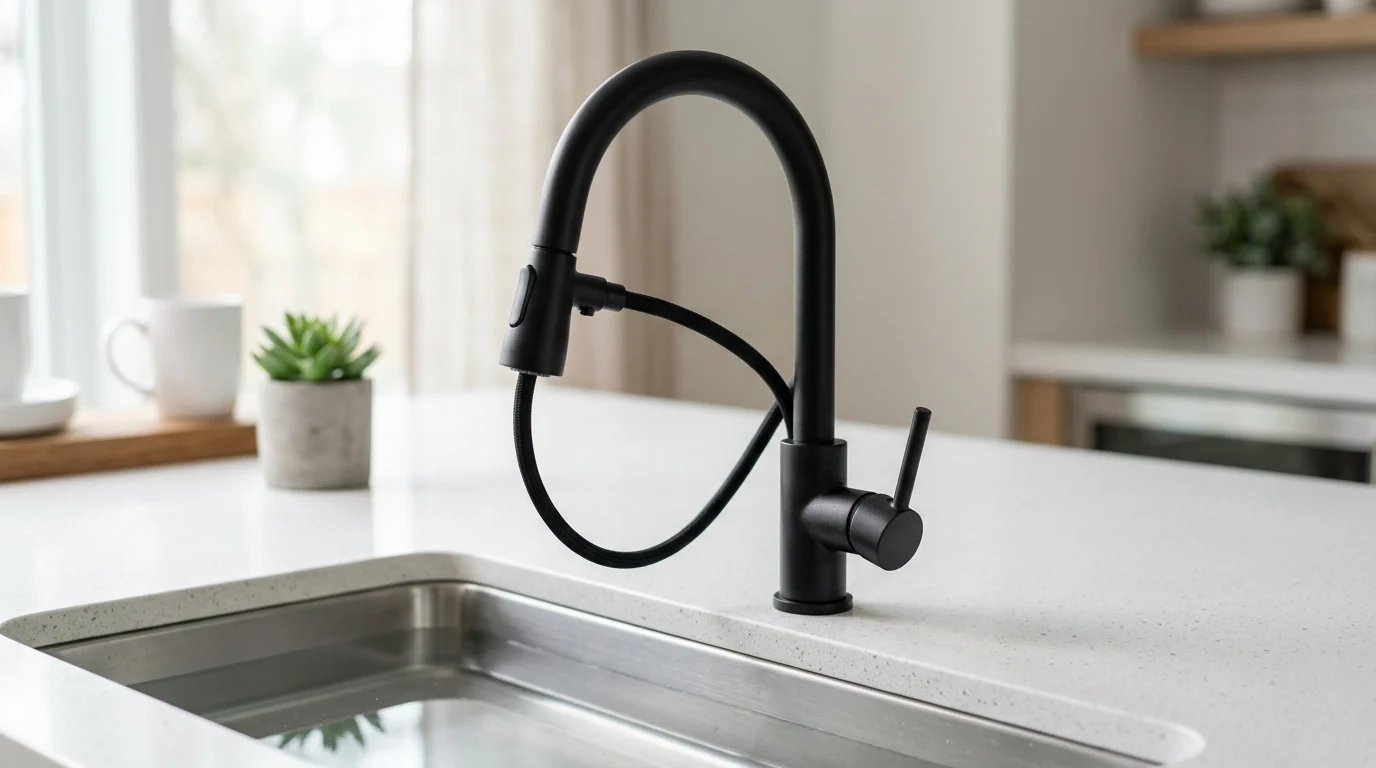
The advantages of zinc alloy extend well beyond its casting properties into broader manufacturing and commercial considerations. OEM buyers prioritize zinc alloy because it delivers a favorable strength-to-weight ratio, meaning Bathroom Hardware components are both sturdy and lightweight without excessive material costs. The material accepts a wide variety of surface finishes—including chrome plating, brushed nickel, matte black, and antique bronze—allowing Bathroom Hardware to match virtually any design aesthetic. From a production standpoint, zinc alloy die casting operates at lower temperatures than aluminum or brass, reducing energy consumption and extending die life, which directly lowers per-unit costs. The dimensional accuracy of zinc die-cast parts also minimizes the need for secondary machining, further streamlining the supply chain for OEM manufacturers.
Zinc Alloy vs. Other Materials in Bathroom Hardware
When selecting materials for Bathroom Hardware, manufacturers and OEM buyers often compare zinc alloy against alternatives such as brass, stainless steel, and aluminum alloy. Each material presents distinct trade-offs in terms of cost, weight, corrosion resistance, and manufacturability. The table below summarizes the primary characteristics of each material commonly used in Bathroom Hardware production.
| Material | Corrosion Resistance | Cost Level | Die Castability | Common Applications |
|---|---|---|---|---|
| Zinc Alloy | Good (with coating) | Low–Medium | Excellent | Handles, escutcheons, bathroom accessories |
| Brass | Excellent | High | Good | Premium faucets, valve bodies |
| 304 Stainless Steel | Excellent | High | Moderate | Shower heads, pipes, high-end fittings |
| Aluminum Alloy | Moderate | Medium | Excellent | Lightweight frames, shower door components |
| Copper | Excellent | High | Good | Decorative elements, premium hardware |
As the comparison shows, zinc alloy occupies a strategic middle ground—delivering better corrosion resistance than aluminum while avoiding the higher costs of brass or stainless steel. For OEM applications where parts are produced in high volumes and require detailed geometries, zinc alloy frequently emerges as the most cost-effective solution without sacrificing the quality that bathroom environments demand.
Types of Bathroom Hardware Made from Zinc Alloy
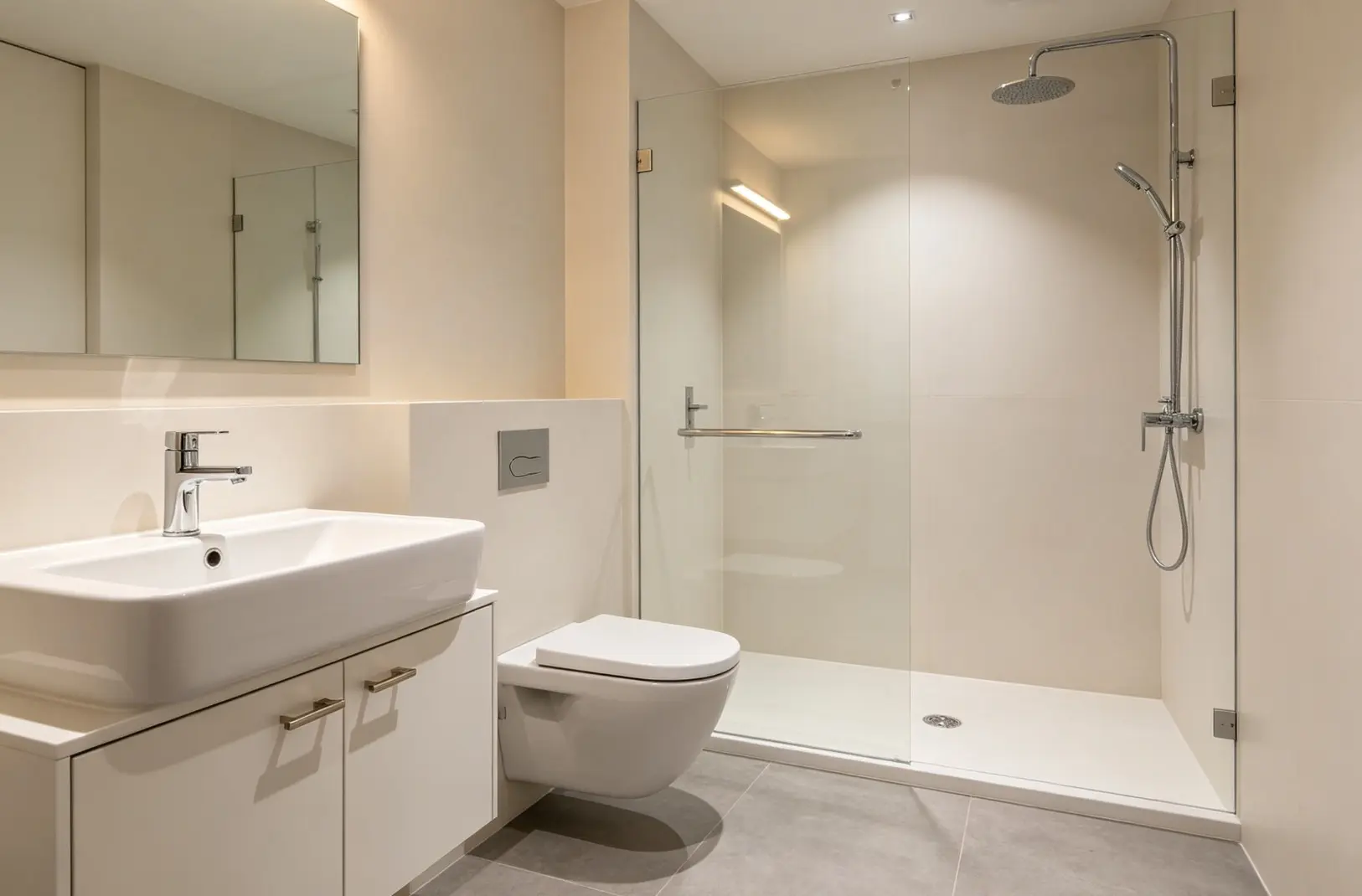
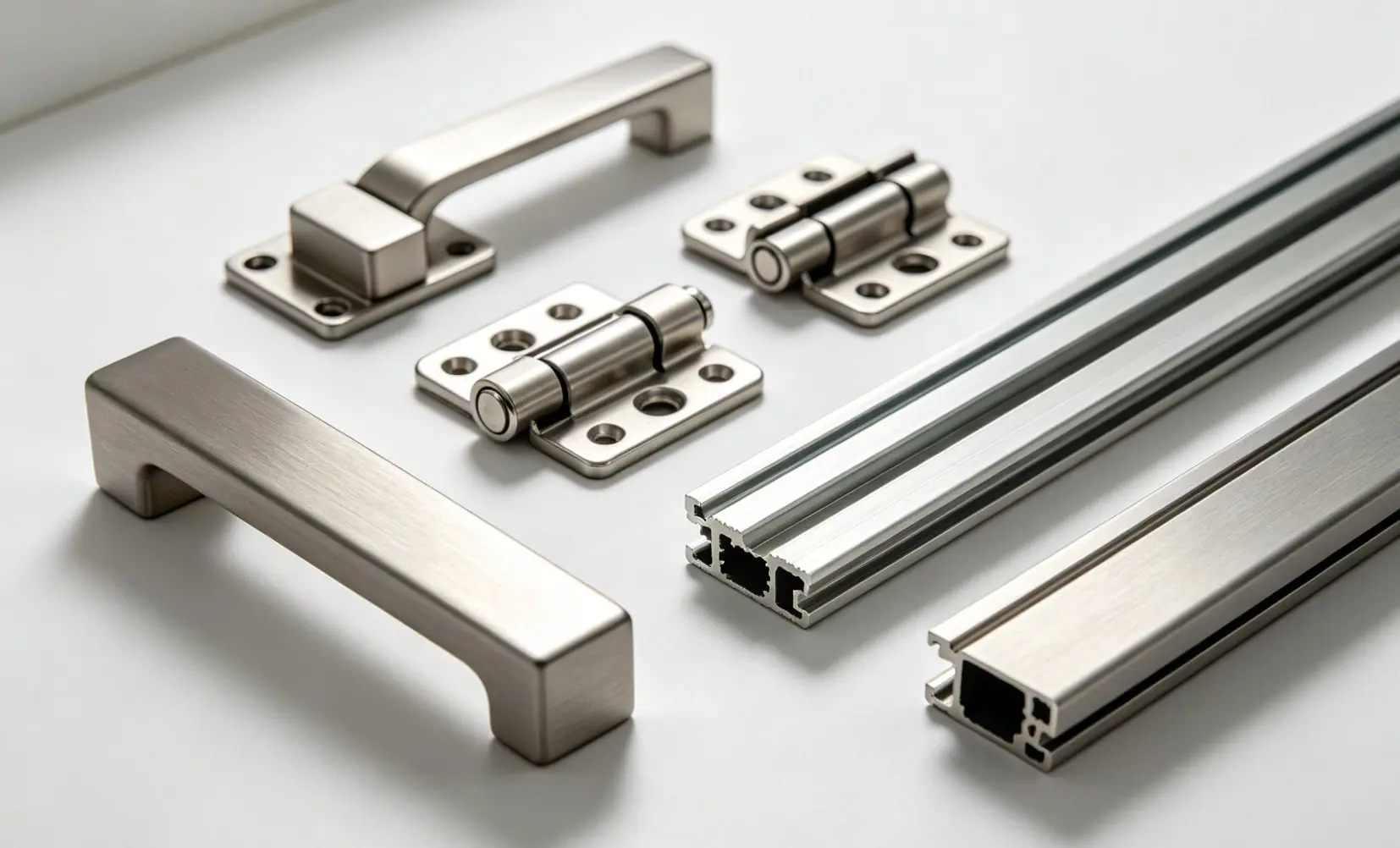
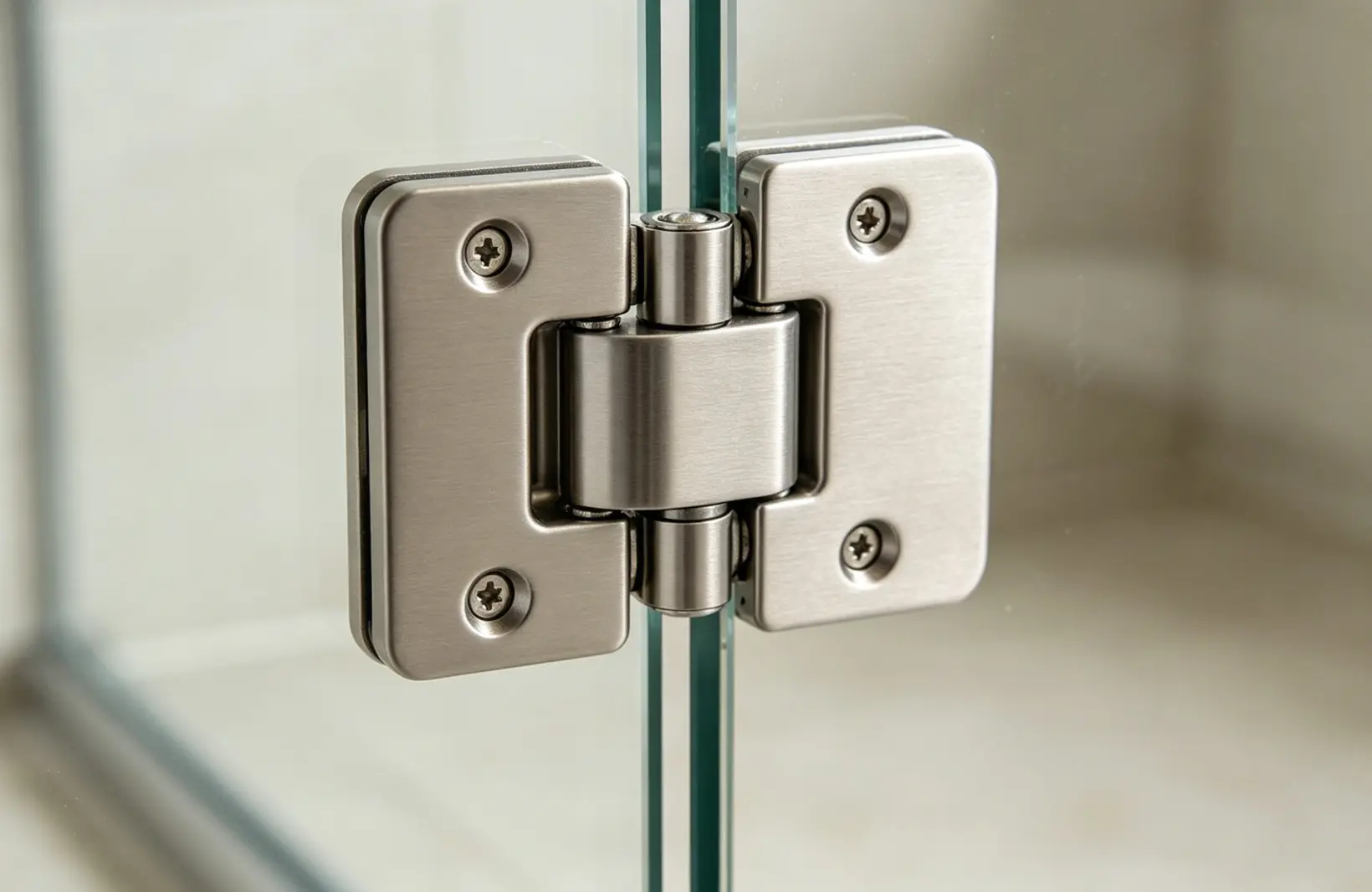
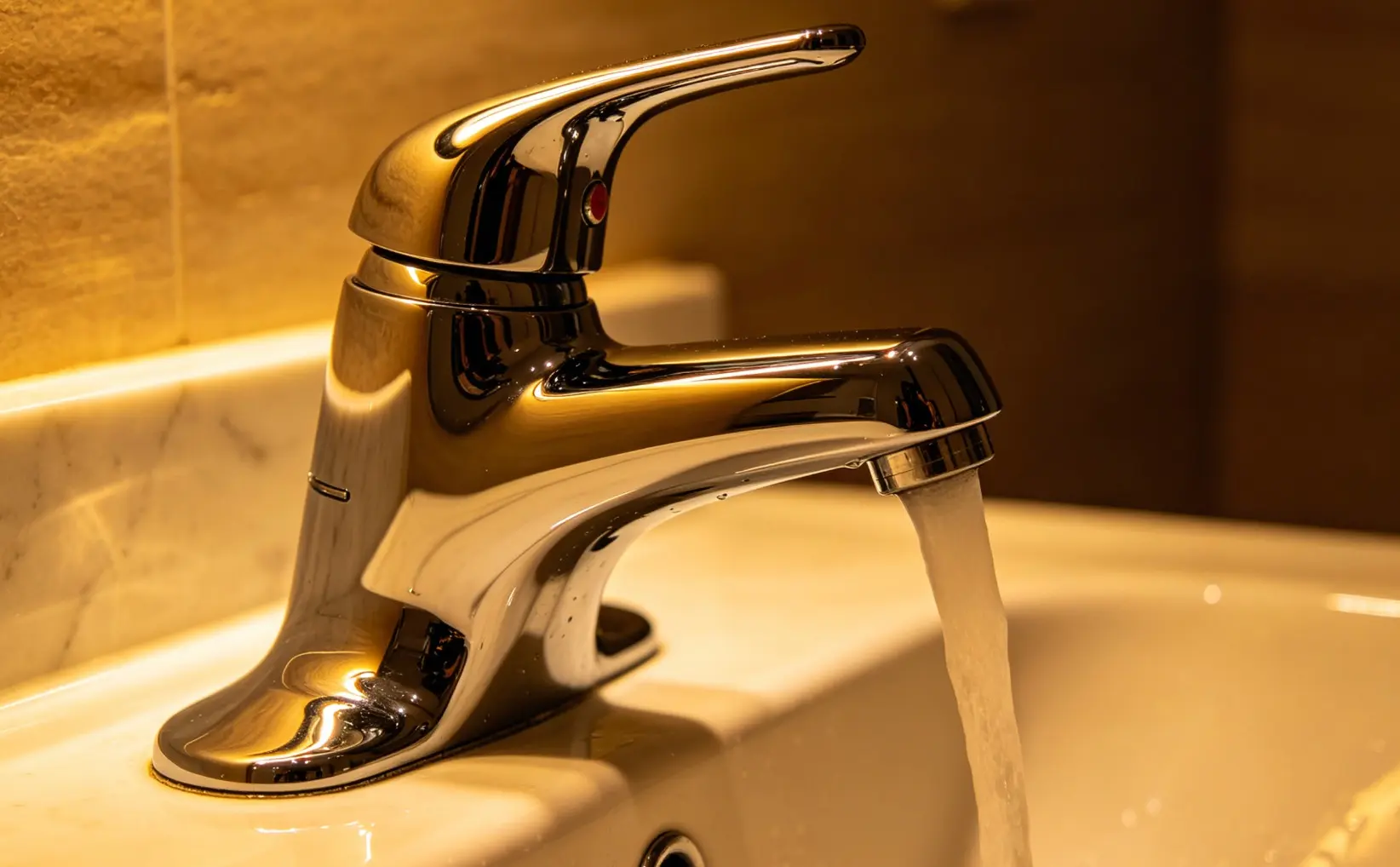
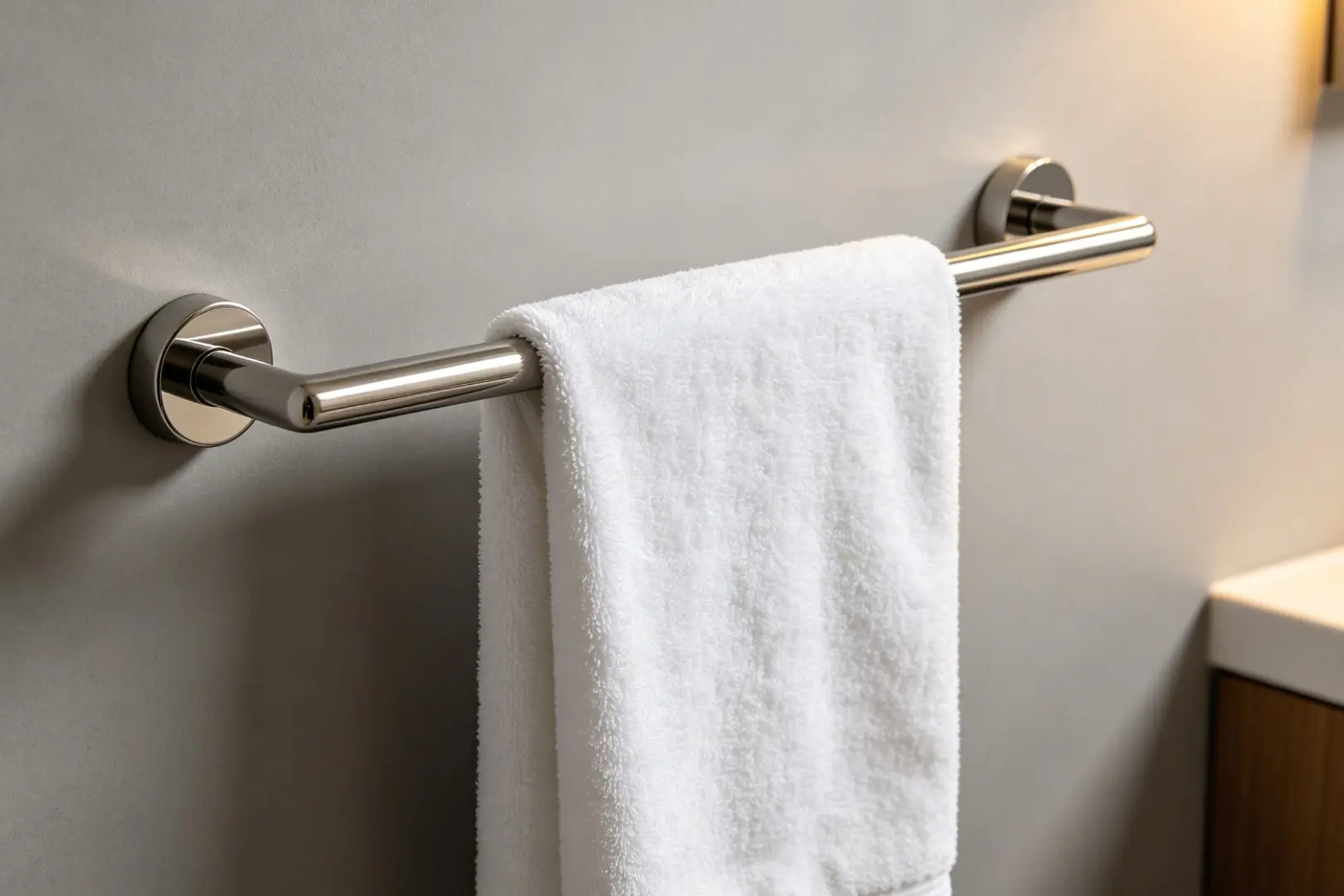
Zinc alloy die casting serves a diverse range of bathroom hardware applications, many of which are central to the overall user experience. Common components include faucet handles and escutcheons, towel bars and robe hooks, soap dispensers, toilet paper holders, shower door handles, and mounting brackets for bathroom mirrors. Each of these parts benefits from zinc alloy's ability to hold precise dimensions while accepting decorative finishes that withstand daily exposure to moisture and fingerprints. Manufacturers producing shower room fittings often rely on zinc alloy for handles, hinges, and connectors due to its smooth surface quality after plating. Similarly, producers of bathroom fittings use zinc alloy for accessory components that require both structural integrity and aesthetic appeal.
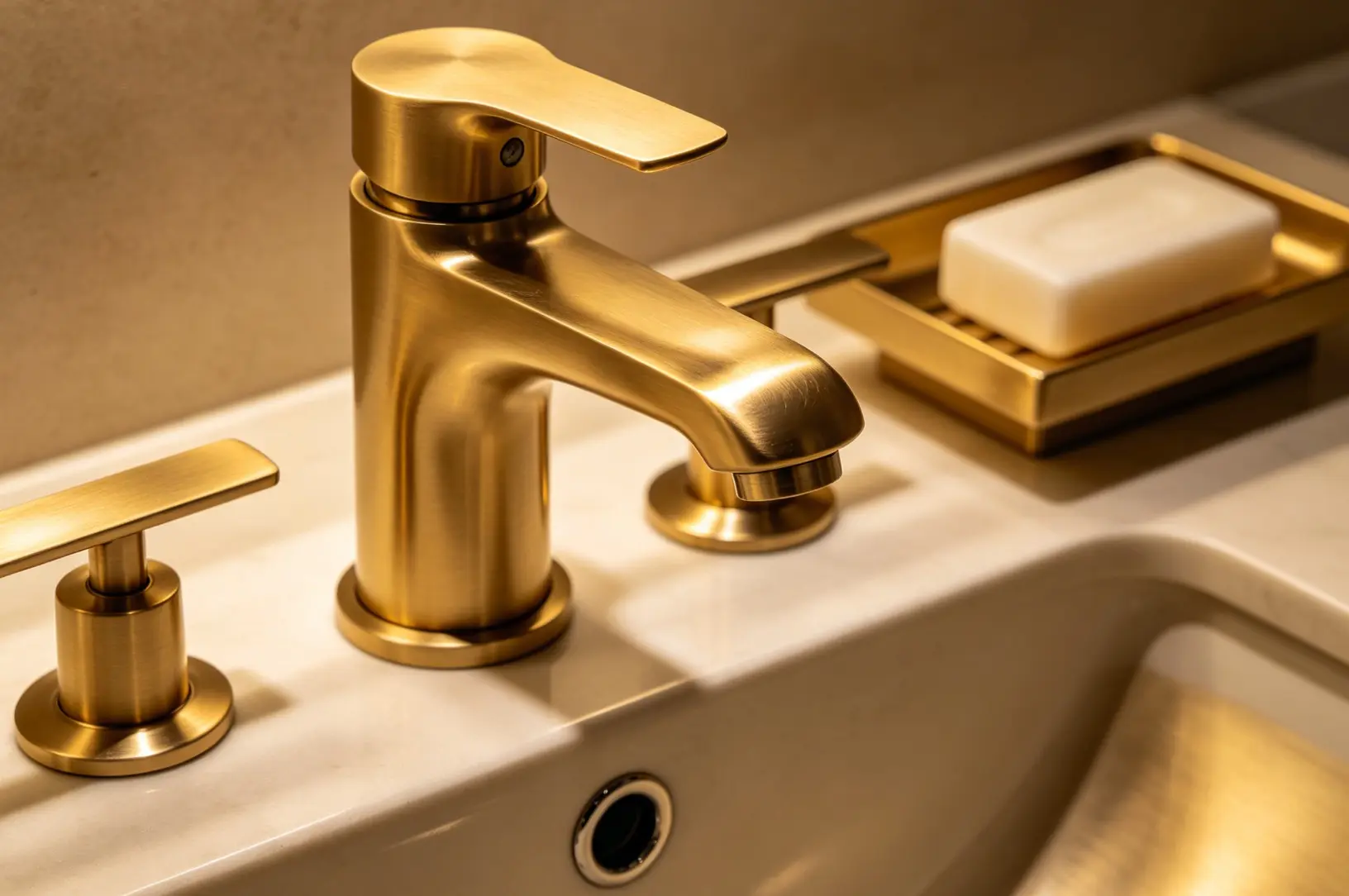
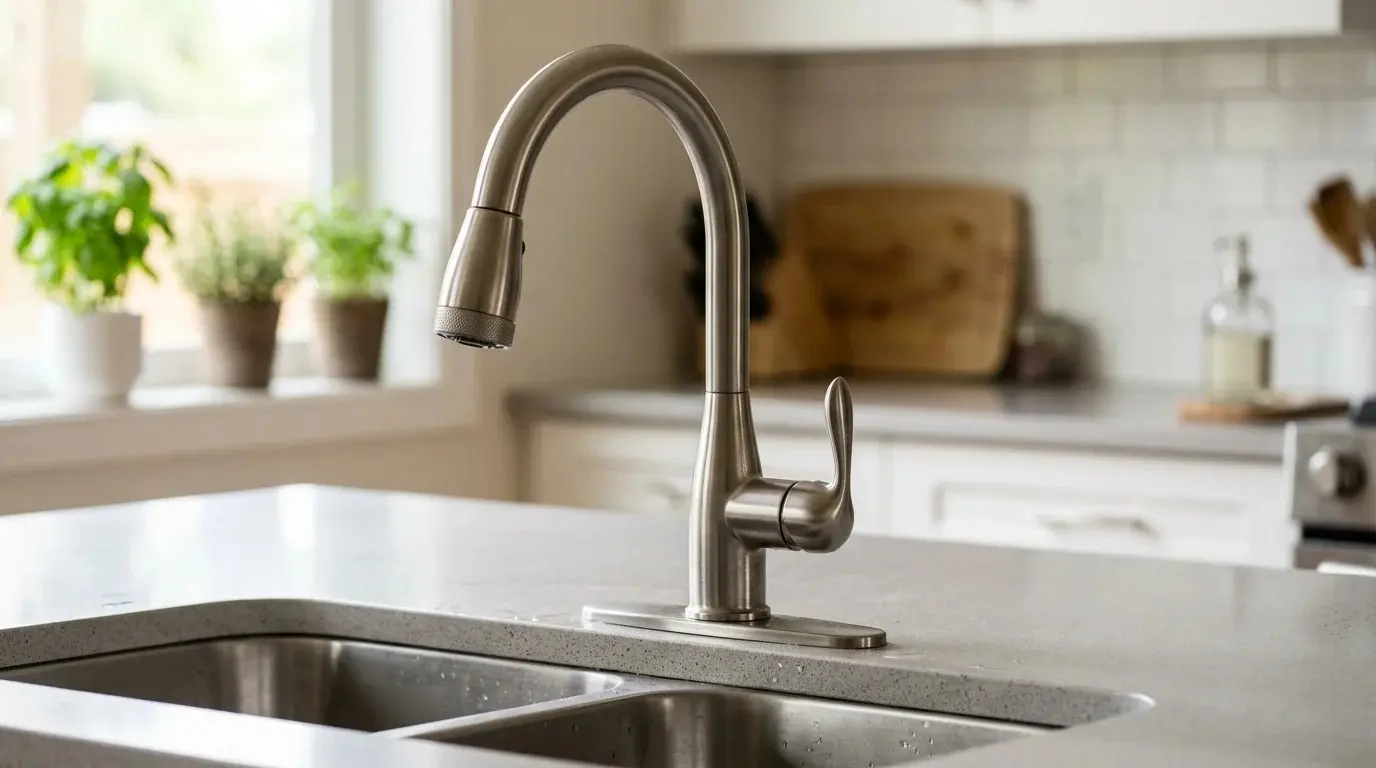
The versatility of zinc alloy also supports the production of faucet components, where it serves as the base material for decorative trim pieces, lever handles, and overflow covers. In the broader furniture hardware category, zinc alloy is used for cabinet pulls, drawer handles, and bathroom vanity hardware. Even in the door and window hardware sector, zinc alloy finds application for bathroom door handles, locksets, and hinges where consistent performance in humid conditions is critical.
Surface Treatment and Corrosion Protection
Surface treatment is a critical step in ensuring that zinc alloy bathroom hardware performs reliably over time. Without proper coating, zinc alloy can tarnish or develop white rust when exposed to prolonged moisture. Electroplating with chrome or nickel provides a hard, reflective surface that resists scratches and corrosion while delivering the premium look expected in bathroom environments. Powder coating and physical vapor deposition (PVD) offer additional finish options that enhance durability and color variety. The National Sanitation Foundation (NSF) establishes standards for plumbing materials and finishes that affect bathroom hardware, helping manufacturers ensure their coatings meet public health and safety benchmarks. ISO 9227, published by the International Organization for Standardization (ISO), defines salt spray testing methods that evaluate the corrosion resistance of metallic coatings, providing an objective measure of finish performance.
Cost Efficiency in High-Volume OEM Production
One of the most compelling reasons OEM buyers select zinc alloy for bathroom hardware is its cost efficiency in high-volume production runs. The die casting process allows for rapid production of complex shapes with minimal material waste, as excess zinc from the gating system can be reclaimed and recycled within the manufacturing cycle. Cycle times for zinc die casting are typically shorter than for brass or stainless steel, resulting in higher throughput per hour of machine operation. Energy consumption during melting and casting is also lower due to zinc's relatively low melting point of approximately 385–420°C, compared to brass at around 900°C or stainless steel at over 1,400°C. These combined factors make zinc alloy an economically attractive choice for OEM manufacturers seeking to balance quality, performance, and unit cost in competitive global markets.
Design Flexibility and Aesthetic Appeal
Modern bathroom design demands hardware that is not only functional but also visually cohesive with contemporary interiors. Zinc alloy's excellent mold-filling ability enables designers to create organic shapes, beveled edges, and fine surface details that define the look of premium bathroom collections. Whether the aesthetic calls for minimalist geometric forms or more ornate traditional styling, zinc alloy can deliver the required detail without the warping or surface defects that sometimes affect other die-cast materials. OEM manufacturers frequently commission custom mold designs to differentiate their product lines, and zinc alloy supports this customization without prohibitive tooling costs. The material's weight also contributes to a perception of quality—zinc alloy bathroom hardware has a satisfying heft that signals durability to consumers.
Environmental and Safety Considerations
Environmental responsibility is increasingly influencing material selection in the bathroom hardware industry, and zinc alloy performs well on multiple sustainability dimensions. Zinc is a naturally abundant element with a well-established recycling infrastructure; die-cast zinc parts are fully recyclable, and industry data indicates that a significant percentage of zinc used in manufacturing comes from recycled sources. The lower melting point of zinc alloy reduces energy consumption during production, contributing to a smaller carbon footprint compared to metals requiring higher-temperature processes. From a safety perspective, zinc alloy does not release harmful fumes during normal handling and processing, and properly finished zinc bathroom hardware does not pose health risks under typical use conditions. Regulatory agencies such as the U.S. Environmental Protection Agency (EPA) maintain guidelines on heavy metal content in consumer products, and compliant zinc alloy formulations ensure OEM buyers meet these requirements without complexity.
Common Standards and Specifications for Zinc Alloy Bathroom Hardware
OEM buyers should be familiar with the key standards that govern zinc alloy bathroom hardware to ensure consistent quality and regulatory compliance. ASTM B86 covers the standard specifications for zinc-aluminum casting alloys used in die castings, providing compositional requirements and mechanical property limits that define acceptable material performance. ASTM B789 offers guidelines for die casting process control that help manufacturers maintain dimensional accuracy and surface quality across production runs. For bathroom-specific applications, ASME A112.18.1 establishes performance requirements for plumbing fixtures hardware, including finish adhesion, torque resistance, and cycle testing. NSF 61 addresses drinking water system components, which is relevant for bathroom hardware that may contact potable water. Compliance with these standards provides OEM buyers with assurance that their zinc alloy bathroom hardware meets recognized quality and safety benchmarks.
How to Specify Zinc Alloy for Your OEM Bathroom Hardware Project
When specifying zinc alloy for OEM bathroom hardware, several technical factors should guide your material and process selection. First, identify the specific zinc alloy designation—such as Zamak 3, Zamak 5, or ZA-8—that best matches your mechanical property requirements, with Zamak 3 being the most common choice for general-purpose bathroom hardware due to its excellent castability and balance of strength and ductility. Second, define the surface finish specification, including the type of plating (chrome, nickel, or PVD), thickness requirements, and color tolerances, ensuring these align with the end-use environment and any applicable standards. Third, establish dimensional tolerances based on the functional requirements of the component, referencing ASTM B86 dimensional standards to determine appropriate tolerance classes. Finally, discuss secondary operations with your manufacturer, such as drilling, tapping, or assembly, to confirm that the zinc alloy part is compatible with downstream processes. Working with an experienced die casting manufacturer who understands bathroom hardware requirements can significantly streamline the specification process and reduce time to market.
Future Outlook for Zinc Alloy in Bathroom Manufacturing
The future of zinc alloy in bathroom hardware manufacturing appears strong, driven by ongoing advancements in alloy formulations and surface treatment technologies. New zinc alloy compositions are being developed to improve corrosion resistance, reduce brittleness, and enhance wear performance—addressing some of the historical limitations of traditional Zamak alloys. Innovations in coating technologies, including nano-ceramic finishes and advanced PVD processes, are extending the service life of zinc alloy bathroom hardware in demanding wet environments. As OEM buyers continue to seek cost-effective materials that do not compromise on quality or design flexibility, zinc alloy remains well-positioned to maintain its leading role in the bathroom hardware industry. Manufacturers who stay informed about evolving standards and material innovations will be best equipped to leverage zinc alloy's full potential in future product development.
Frequently Asked Questions
1. Is zinc alloy safe for bathroom hardware that contacts water?
Yes, zinc alloy bathroom hardware is safe for use in wet environments when it is properly plated or coated with corrosion-resistant finishes such as chrome or nickel. The underlying zinc alloy is protected from direct water contact, and compliant finishes meet relevant safety standards for plumbing fixtures.
2. How does zinc alloy compare to stainless steel in terms of durability for bathroom use?
Zinc alloy bathroom hardware is highly durable when properly finished, though stainless steel offers superior raw corrosion resistance without additional coating. For most residential and commercial bathroom applications, zinc alloy with quality plating provides excellent durability at a lower cost point than stainless steel.
3. Can zinc alloy bathroom hardware be recycled?
Yes, zinc alloy is fully recyclable. Both production scrap from the die casting process and end-of-life bathroom hardware components can be melted down and reformed without significant loss of material properties, making zinc alloy an environmentally responsible choice.
4. What surface finishes are available for zinc alloy bathroom hardware?
Zinc alloy accepts a wide variety of surface finishes including bright chrome plating, brushed nickel, matte black powder coating, antique bronze, and PVD coatings in gold, rose gold, and other colors. These finishes can be applied after casting to achieve both aesthetic and protective purposes.
5. What is the typical lead time for OEM zinc alloy bathroom hardware production?
Lead times vary based on order volume and complexity, but standard zinc alloy die casting production typically ranges from four to eight weeks including tooling setup, sampling, and initial production runs. Larger OEM orders with established tooling may achieve shorter per-unit lead times once production is underway.