

What Is a Frameless Shower Door Hinge? A Complete Buyer's Guide
A frameless shower door hinge is a precision-engineered hardware component that secures a glass shower door without a surrounding frame. Made from 304 stainless steel or solid brass, these hinges enable smooth operation while delivering a clean, minimalist aesthetic in modern bathrooms. This guide covers everything you need to know before purchasing.
Understanding Frameless Shower Door Hinges
What Is a Frameless Shower Door Hinge?
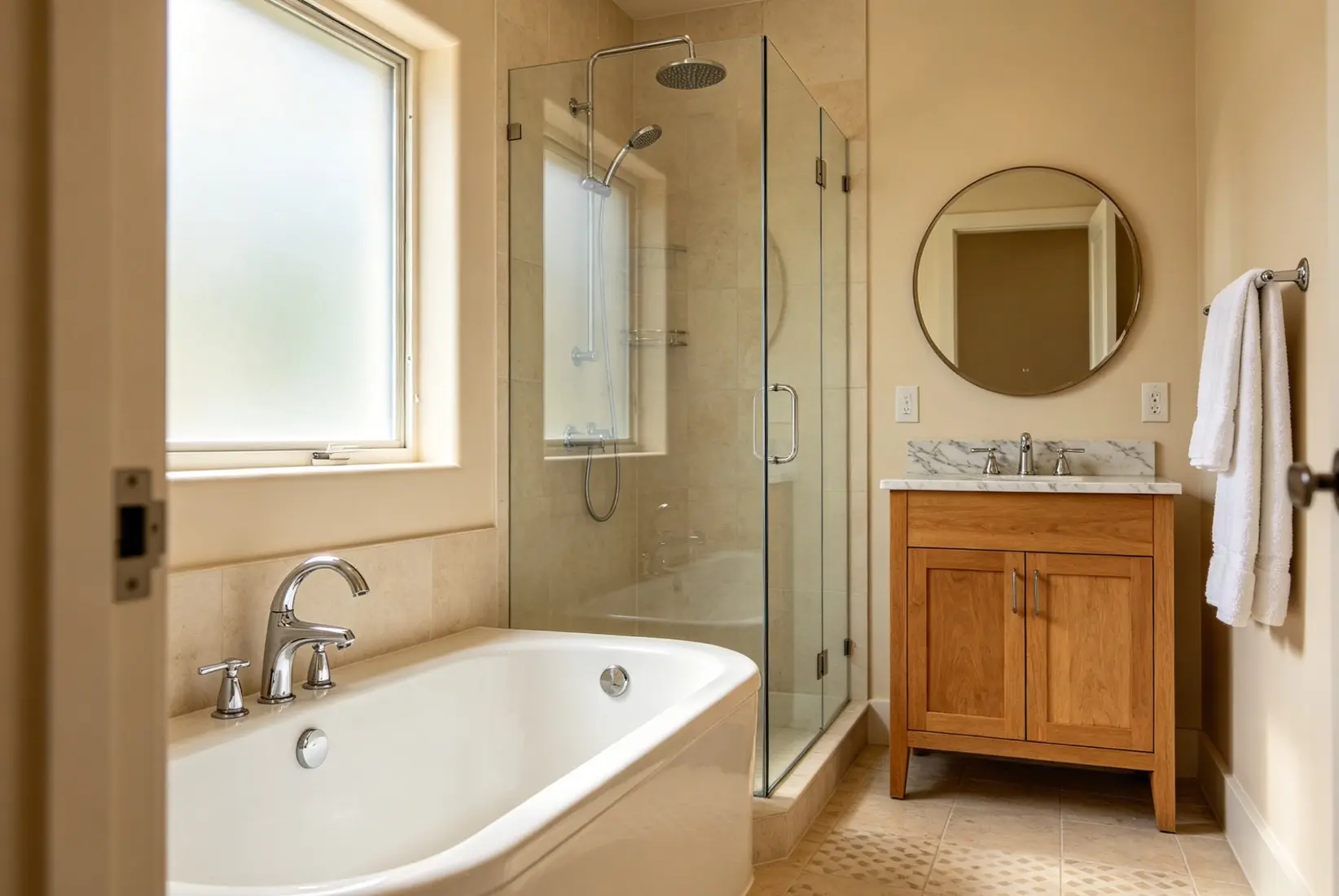
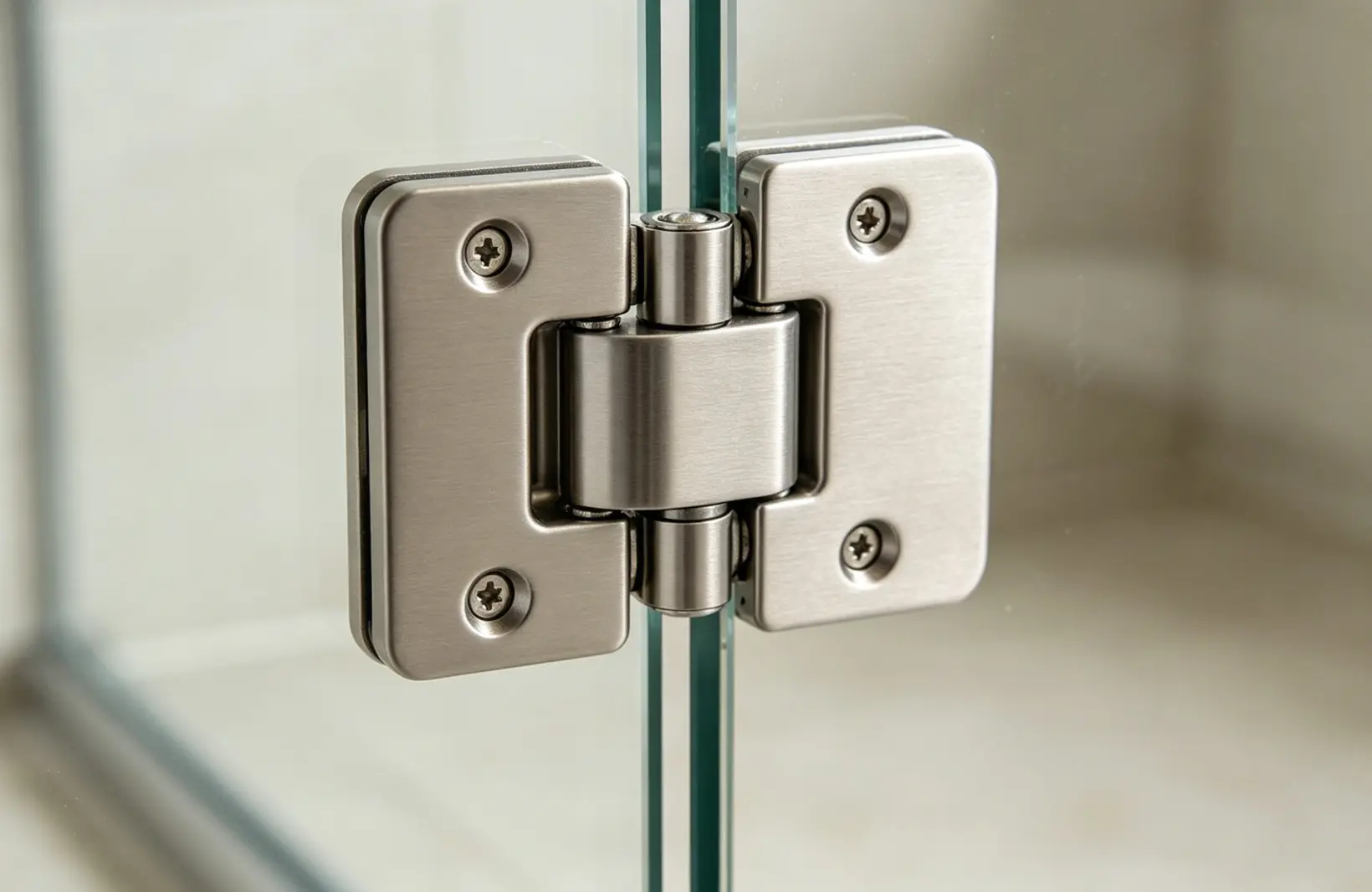
A frameless shower door hinge mounts a glass panel directly to a wall, glass-to-glass, or glass-to-header without enclosing it in a metal frame. Unlike traditional framed systems that grip glass along all edges, frameless hinges bear the entire door load at two or three attachment points, demanding significantly higher material strength.
The market for bathroom fittings has shifted toward frameless designs driven by minimalist demand. Premium hinges are crafted using investment casting or CNC machining to tolerances within 0.05mm. Most residential hinges support 3/8" to 1/2" thick glass with load ratings of 40 to 80 pounds per hinge.
How Frameless Hinges Differ from Framed Hinges
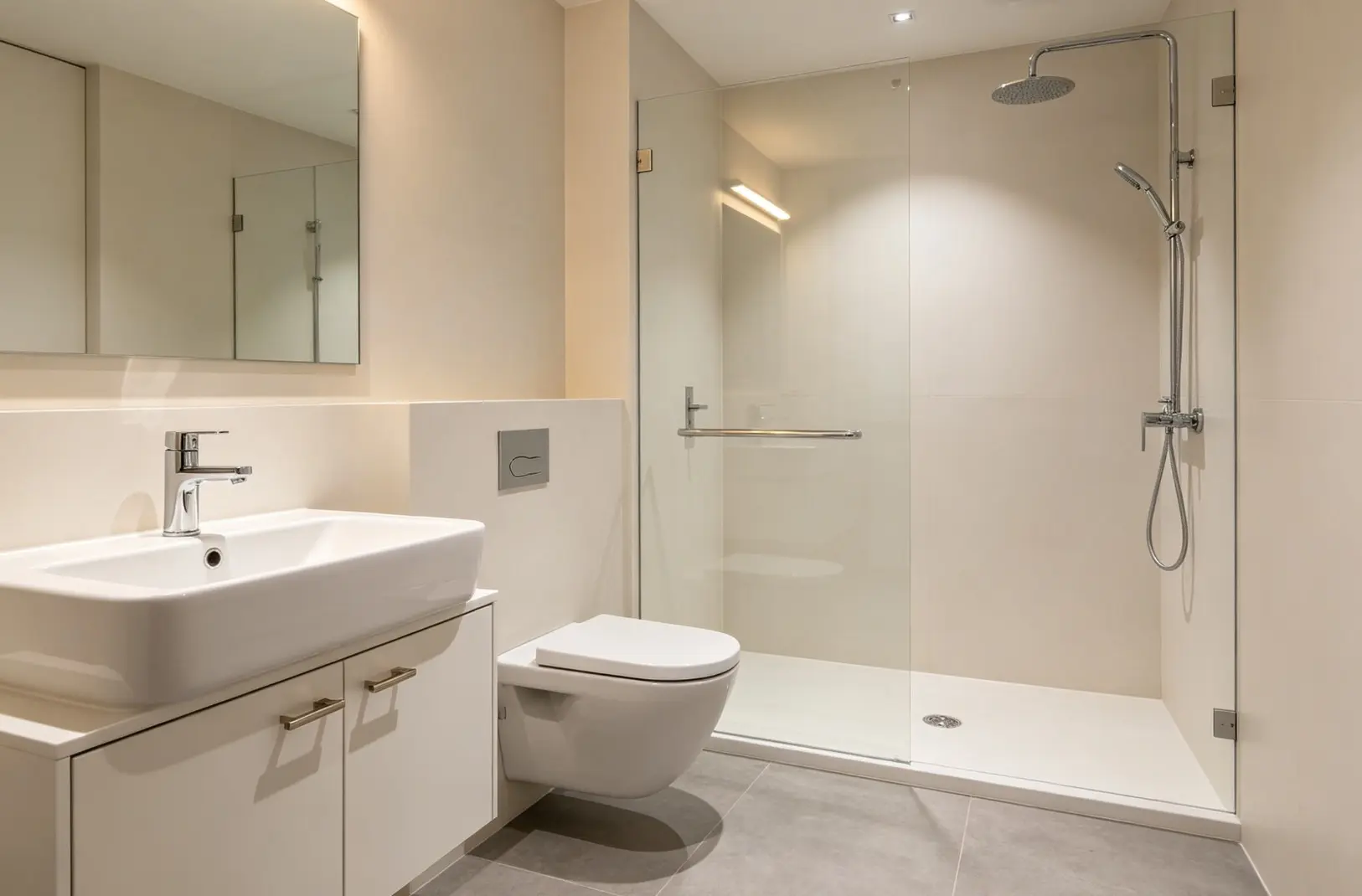
Framed hinges distribute weight evenly across a metal surround. Frameless hinges concentrate the entire door load at two or three points, requiring heavy-duty alloys instead of thin stamped metal. The visual impact is substantial — frameless eliminates aluminum channels, letting glass transparency dominate the enclosure.
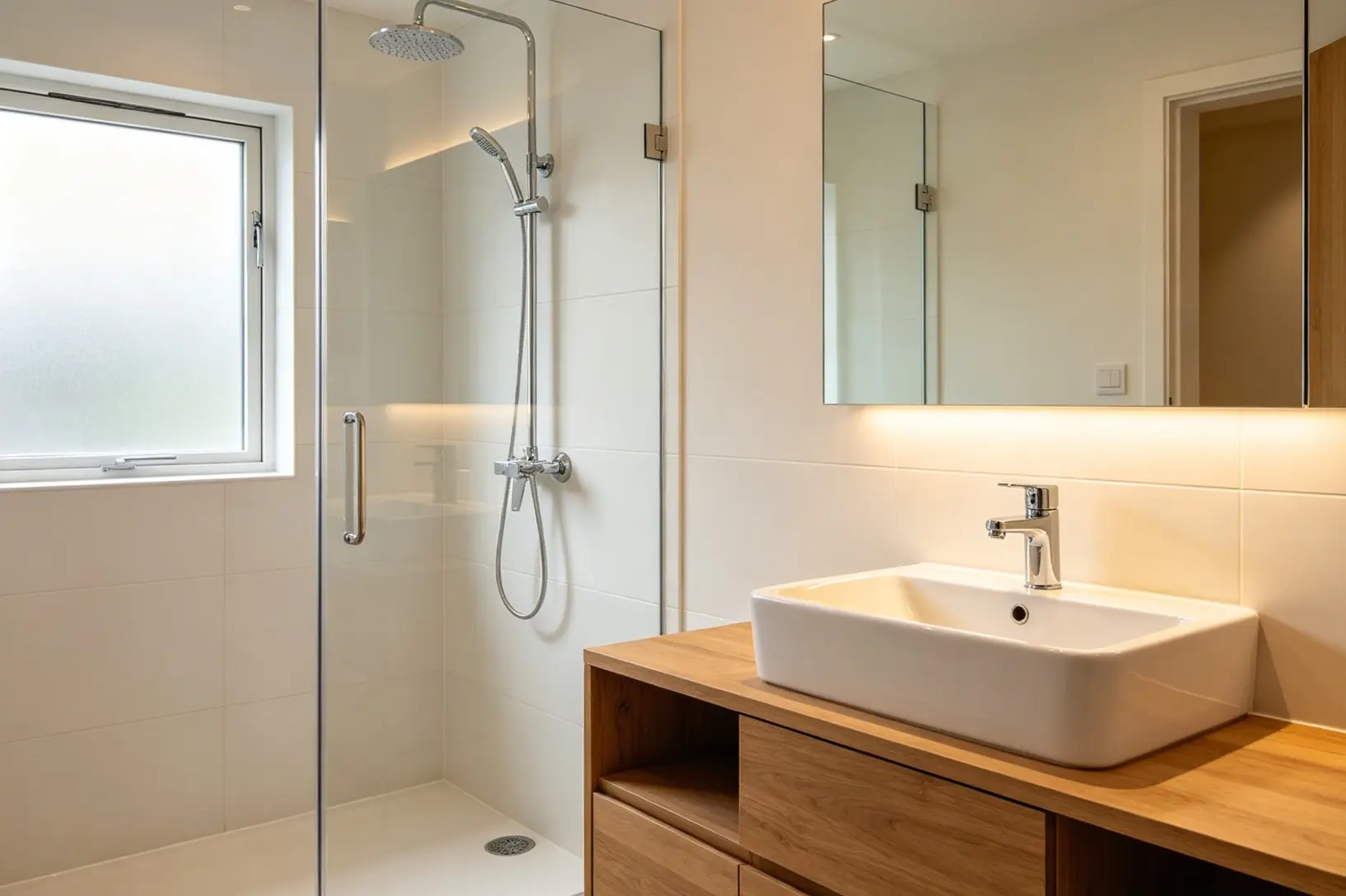
Cleaning is simplified with no frame channels for mold and mineral buildup. Homeowners investing in high-end shower room fittings cite aesthetics and easy maintenance as primary motivations.
Types of Frameless Shower Door Hinges
Wall-Mount Hinges
Wall-mount hinges attach directly to the shower wall, pivoting the door outward in alcove installations. They come in corner and inline configurations for different layouts. Installation requires solid wall studs or heavy-duty anchors capable of supporting dynamic door loads.
The hinge pivot point can be edge-positioned or offset inward to clear obstacles like vanity tops. Selecting the correct offset is critical for functional clearance.
Glass-to-Glass Hinges
Glass-to-Glass Hinges connect two panels at 90 or 135 degrees, common in corner and neo-angle enclosures. These hinges clamp both glass pieces and pivot at the joint, creating a seamless transition with no visible metal between panels.
Measuring the panel angle before purchase is essential. Most manufacturers offer standard pre-set angles with custom options available. Clamping screws must be torqued to manufacturer specifications to prevent glass stress.
Pivot Hinges vs. Continuous Pin Hinges
Pivot hinges concentrate rotation at top and bottom pins, allowing equal inward and outward swing. They suit tight spaces and cost less, but may flex with heavier doors.
Continuous pin hinges run the full door height, distributing load uniformly for smoother operation. They are preferred for heavier doors or commercial applications.
Materials and Finishes
304 Stainless Steel
304 stainless steel is the industry standard for premium frameless hinges due to corrosion resistance and strength. Chromium content forms a passive oxide layer preventing rust in humid bathrooms. At 16% chromium and 8% nickel, it outperforms 201 variants in durability.
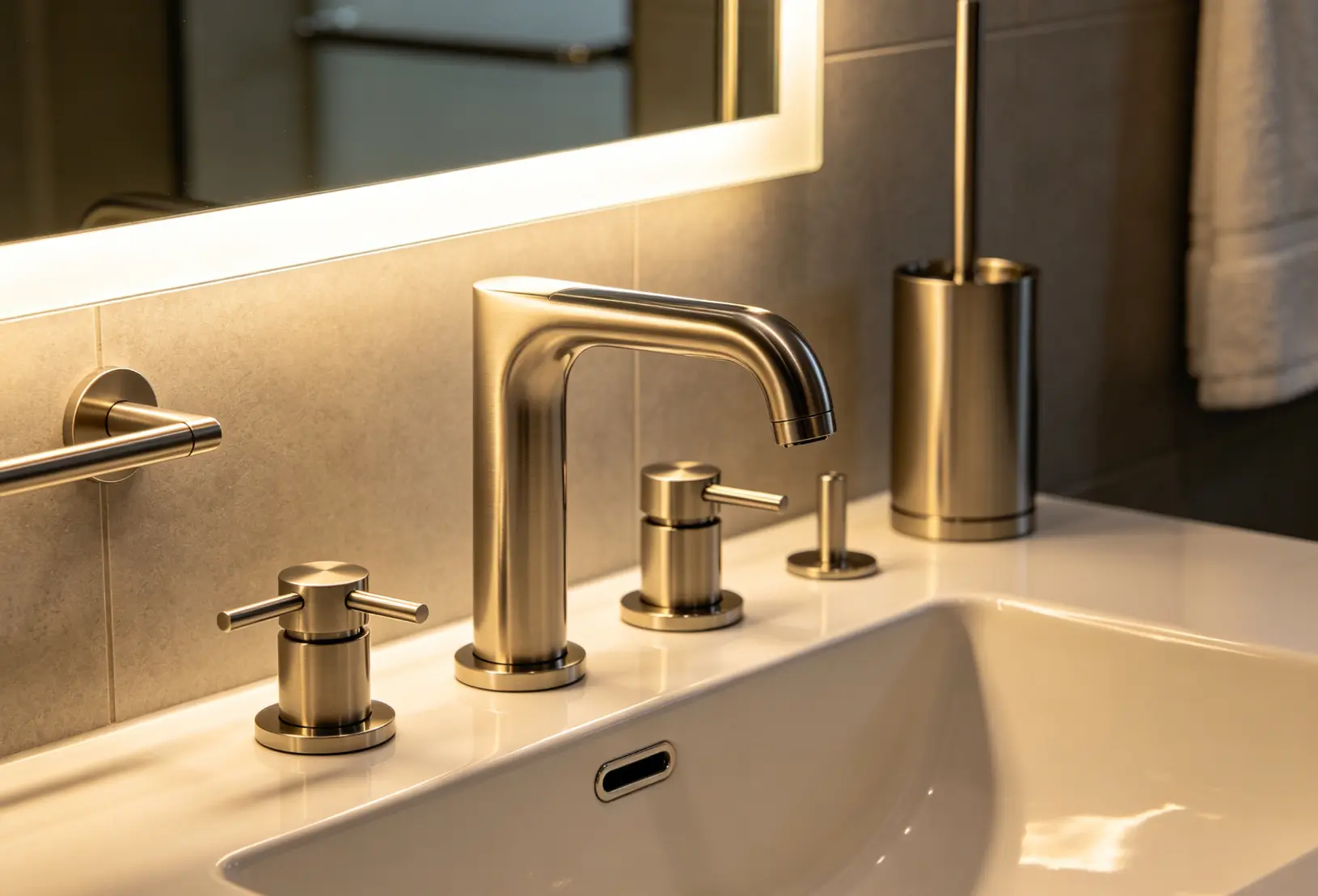
Stainless steel is ideal for coastal installations where salt air accelerates corrosion. It coordinates elegantly with matching faucet fixtures in the same material family.
Solid Brass
Solid brass offers a warm, traditional aesthetic for classic bathroom designs. It is inherently corrosion-resistant and develops a desirable patina over time. Lacquered brass maintains its shine indefinitely with minimal care.
Brass provides excellent dampening of door vibrations for a softer closing action. However, it is more expensive and softer than steel, making it prone to scratches in commercial settings.
Zinc Alloy
Zinc Alloy is a budget-friendly die-cast alternative with good plated corrosion resistance. It lacks long-term durability for heavy-use applications and suits only light-duty residential doors with low opening frequency.
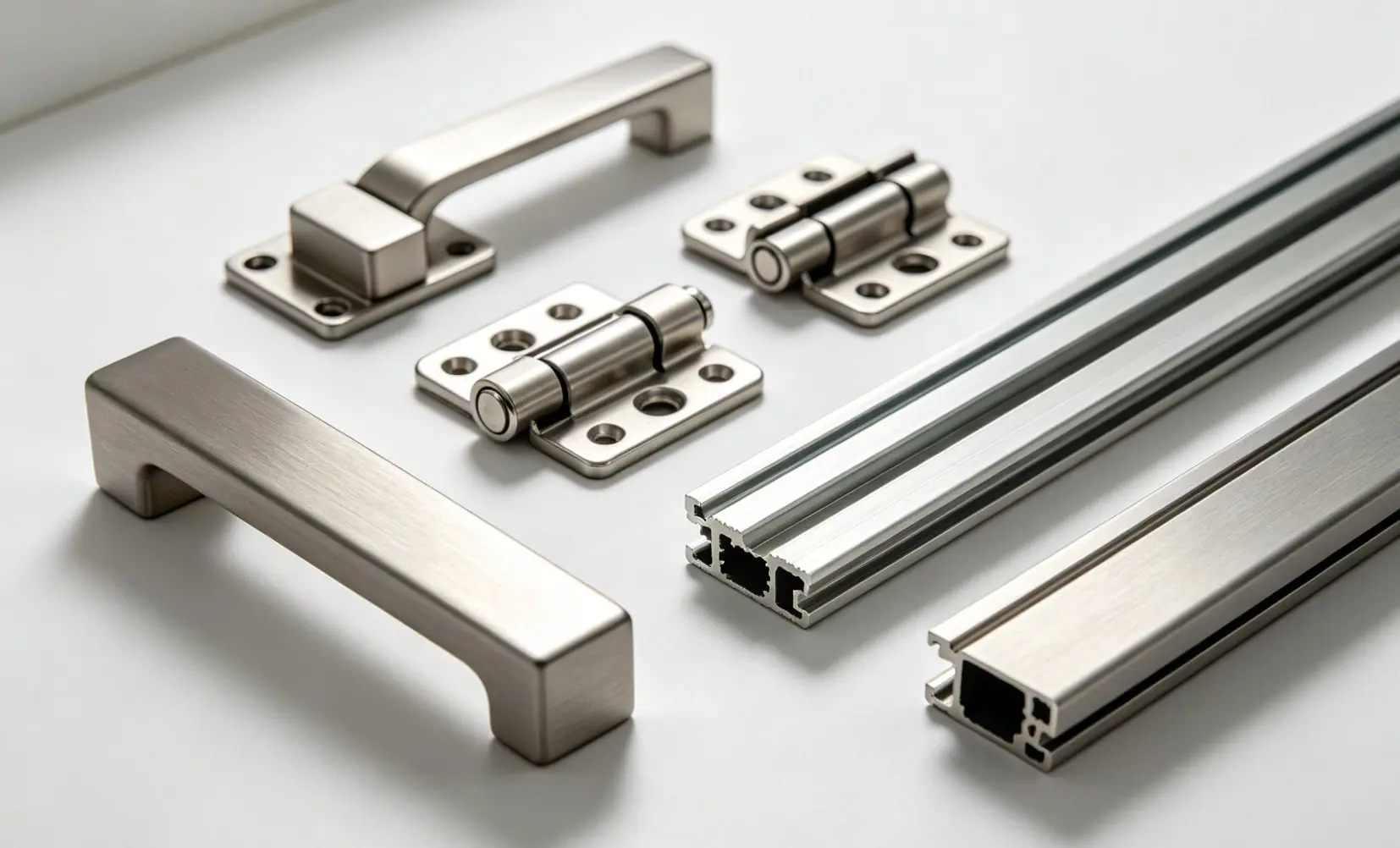
Zinc Alloy is frequently used indoor & window hardware for its casting fluidity. Buyers should verify load ratings before selecting it for doors exceeding 50 pounds.
Key Specifications to Consider
Glass Thickness Compatibility
Most frameless hinges accommodate 3/8" (10mm) or 1/2" (12mm) glass, sometimes both with interchangeable inserts. A hinge rated for 3/8" glass will not safely support 1/2" glass — mismatched specifications create safety risks and void warranties.
Tempered glass is mandatory for frameless shower doors per most building codes. The American Society of Mechanical Engineers (ASME) publishes load calculation standards for proper hinge selection.
Weight Capacity
A typical 60-pound frameless door requires hinges with combined rating of at least 120 pounds for safety margin. Three hinges distribute load more effectively for larger doors. The National Association of Home Builders reports improper hinge selection causes approximately 15% of residential frameless door failures.
Opening Angle and Swing Direction
Standard frameless hinges allow 90-degree or 180-degree opening. A 90-degree hinge suits doors opening against a side panel; 180-degree hinges permit full wall clearance for maximum accessibility.
Swing direction must be specified before ordering — left-hand and right-hand orientations are not interchangeable. Reversing a hinge creates incorrect pivot geometry and accelerated wear.
Feature Comparison Table
| Feature | Wall-Mount | Glass-to-Glass | Continuous Pin |
|---|---|---|---|
| Glass Thickness | 3/8" – 1/2" | 3/8" – 1/2" | 3/8" – 5/8" |
| Max Opening Angle | 180° | 135° | 180° |
| Weight Capacity | 40–80 lbs | 40–80 lbs | Up to 200 lbs |
| Complexity | Medium | High | Medium |
| Best For | Alcove installs | Corner showers | Heavy doors |
Installation Considerations
Proper Wall Anchoring
Structural integrity depends entirely on quality wall anchoring. Minimum requirement is No. 10 screws engaging at least 1.5 inches into solid wood studs, or toggle bolts rated for 200 pounds shear load per anchor.
Tile surfaces require carbide-tipped bits with light drilling pressure. Hole diameter must match anchor specifications — oversized holes allow movement stressing glass.
Glass Preparation and Gasket Installation
Frameless shower glass requires precise factory drilling before tempering. Hole positions must follow manufacturer templates exactly. Modifying tempered glass in the field causes immediate shattering.
Gaskets between glass and hinge distribute clamping pressure evenly. Over-compression induces glass stress; under-compression allows rattling. Professional installers use calibrated torque wrenches to exact specifications.
Selection Checklist
- Confirm glass thickness (3/8" or 1/2") before purchasing
- Determine swing direction — left-hand or right-hand
- Calculate total door weight and verify hinge capacity ratings
- Verify wall construction and plan appropriate anchoring
- Choose a finish matching existing bathroom fixtures
- Select 90°, 135°, or 180° opening based on room layout
- Choose hinge style — wall-mount, glass-to-glass, or continuous pin
- Review warranty terms and manufacturer support availability
- Order from suppliers providing installation templates
- Budget for professional installation if inexperienced with glass
FAQ
What is the difference between a frameless shower door hinge and a regular door hinge?
A frameless Shower Hinge supports tempered safety glass without a surrounding frame, bearing all door weight at two or three concentrated mounting points. Regular door hinges distribute weight through a door frame. Shower Hinges include gasket systems to protect glass from metal contact and are rated for specific glass thicknesses only.
How many hinges do I need for a frameless shower door?
Two hinges are sufficient for standard residential doors up to 36 inches wide and 80 pounds. Doors exceeding these dimensions, or those in commercial settings, should use three hinges to distribute load and prevent sagging. Always follow manufacturer and glass specifications.
Can I use a frameless shower door hinge with any glass type?
No. Frameless Shower Hinges require tempered or laminated safety glass, mandatory under most building codes. The glass must be prepared with correctly positioned holes before tempering. Annealed glass cannot be used — it shatters into dangerous sharp shards.
What finish options are available for frameless shower hinges?
Common finishes include polished chrome, brushed nickel, matte black, oil-rubbed bronze, and polished or brushed brass. Some manufacturers offer custom powder-coat colors, though these may carry limited warranty coverage.
How do I maintain frameless shower door hinges?
Wipe hinges dry after shower use and lubricate pivot mechanisms with silicone-based lubricant periodically. Avoid abrasive cleaners that scratch finishes. Inspect mounting screws annually and tighten as needed. Replace damaged gaskets promptly to maintain water seal integrity.