



Top 7 Materials Used in Shower Door Hardware Explained
When selecting shower door hardware materials, the choice of material directly determines durability, corrosion resistance, and long-term performance. Understanding the properties of each material helps manufacturers, architects, and homeowners make informed decisions for bathroom projects. This guide covers the seven most common materials used in shower door hardware today.
1. 304 Stainless Steel
304 stainless steel is one of the most widely used materials for shower door hardware due to its excellent corrosion resistance. It contains 18–20% chromium and 8–10.5% nickel, which form a passive oxide layer that protects against rust in moist bathroom environments. This material meets ASTM A240 standards for chromium and chromium-nickel stainless steel plate, sheet, and strip.
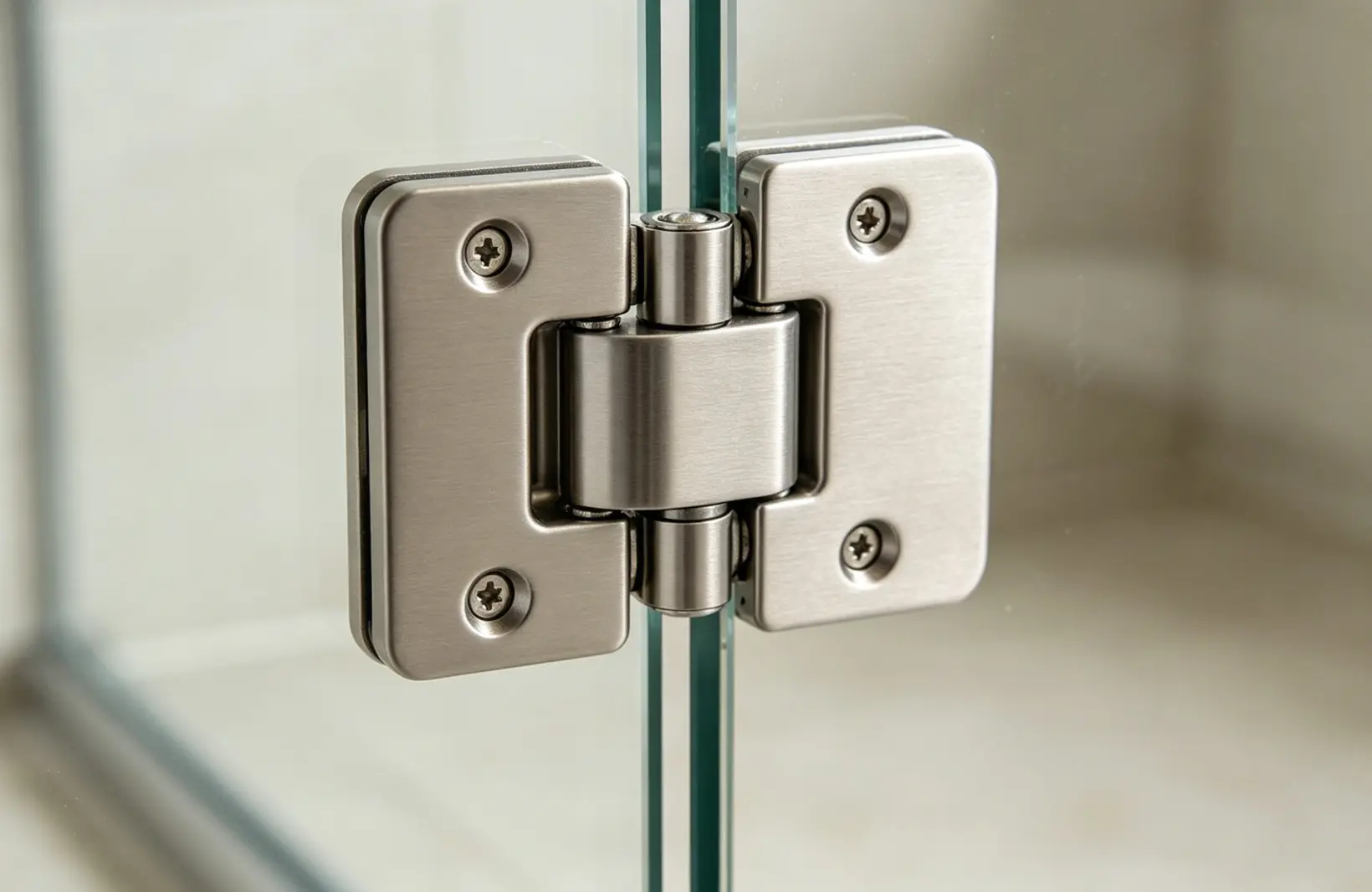
Shower door hinges, handles, and brackets made from 304 stainless steel offer superior strength and a sleek aesthetic. The NSF International certifies certain 304 stainless steel products as safe for potable water contact, making it suitable for hardware exposed to daily water splashes. Its versatility and affordability make it a preferred choice for both residential and commercial bathroom installations.
2. Zinc Alloy
Zinc Alloy is a popular material for shower door hardware due to its excellent castability and cost-effectiveness. Die-cast Zinc Alloy components can be shaped into complex geometries with tight tolerances, making them ideal for decorative handles, rosettes, and mounting plates. The material weighs more than aluminum but less than brass, providing a substantial feel without excessive cost.
According to the U.S. Environmental Protection Agency, Zinc Alloys used in plumbing hardware contribute to sustainable building practices when properly recycled. Zinc Alloy shower door hardware typically receives surface treatments such as chrome plating or powder coating to enhance corrosion resistance and visual appeal. Manufacturers favor Zinc Alloy for high-volume production runs where consistency and detail are critical.
3. Brass
Brass is an alloy primarily composed of copper and zinc, valued for its natural antimicrobial properties and timeless appearance. Shower door hardware crafted from brass resists bacterial growth on its surface, a significant advantage in high-humidity bathroom environments. The material's inherent density gives hardware a premium, solid feel that many homeowners and designers prefer.
Brass shower door hardware complies with lead content regulations established by the Safe Drinking Water Act, ensuring safety in residential plumbing applications. It machines and polishes to a high luster, allowing for elegant brushed, polished, or antiqued finishes. While brass costs more than Zinc Alloy or aluminum, its longevity and classic aesthetics often justify the investment in upscale bathroom projects.

4. Copper
Copper offers unique benefits as a material for shower door hardware, particularly its natural biostatic properties that inhibit microbial growth. This material has been used in plumbing for centuries, and modern copper shower door components continue to demonstrate excellent performance in wet environments. Copper develops a protective patina over time that actually enhances its corrosion resistance.
The National Institute of Standards and Technology recognizes copper alloys for their consistent mechanical properties and thermal conductivity. Copper shower Door Handles and hinges provide excellent electrical conductivity, which can be beneficial for grounding applications in certain bathroom configurations. Though less common than stainless steel or zinc alloy, copper hardware appeals to those seeking distinctive, historically inspired bathroom designs.
5. Aluminum Alloy
Aluminum alloy is a lightweight yet strong option for shower door hardware, particularly in frameless glass door systems. Extruded and die-cast aluminum components resist corrosion through the formation of a protective aluminum oxide layer on the exposed surface. This material machines easily and accepts a wide variety of finishes, including anodizing in bronze, black, and nickel tones.
ISO 6361 standards govern the technical specifications for aluminum alloy sheet and strip used in architectural applications. Aluminum shower door hardware reduces overall system weight, putting less stress on glass panels and supporting structures. For budget-conscious projects requiring durability and modern aesthetics, aluminum alloy provides an attractive balance of performance and cost.
6. Stainless Steel Precision Casting
Stainless steel precision casting produces high-strength shower door hardware components with exceptional dimensional accuracy and surface finish. This manufacturing process involves pouring molten stainless steel into precisely machined molds, creating complex shapes that would be difficult or impossible to achieve through machining alone. The result is hardware with superior mechanical properties and near-net-shape geometry.
Precision-cast stainless steel shower door hardware typically uses 316 stainless steel for enhanced corrosion resistance in harsh environments. This material contains molybdenum, which significantly improves resistance to pitting and crevice corrosion caused by chloride exposure. ASTM A743 standards define the composition and mechanical properties required for corrosion-resistant steel castings used in general applications. For high-end shower enclosures requiring intricate designs and maximum durability, precision-cast stainless steel represents the premium choice.
7. Multi-Material Combinations
Modern shower door hardware increasingly combines multiple materials to optimize performance, cost, and aesthetics. Common configurations pair a Zinc Alloy or aluminum body with a stainless steel pivot or bearing surface for smooth operation and reduced wear. These hybrid designs leverage the strengths of each material while minimizing individual weaknesses.
Surface coatings and plating further enhance multi-material hardware, providing unified appearance and additional corrosion protection. PVD (Physical Vapor Deposition) coatings offer extremely durable and scratch-resistant finishes in gold, black, and chrome tones. When selecting multi-material shower door hardware, verify that all component materials carry appropriate certifications for their intended use.
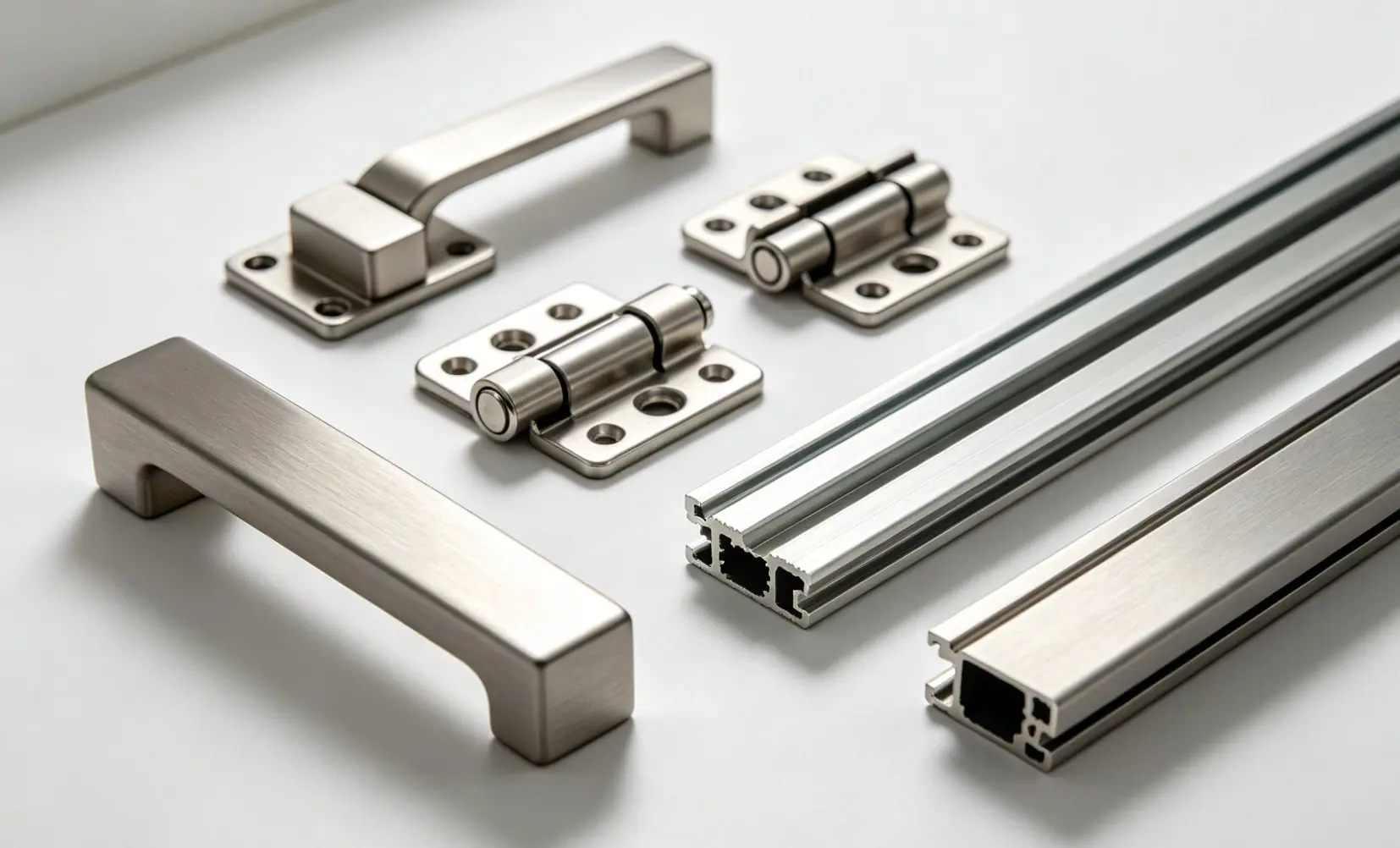
Comparison of Shower Door Hardware Materials
| Material | Corrosion Resistance | Strength | Cost Level | Common Applications |
|---|---|---|---|---|
| 304 Stainless Steel | Excellent | High | Moderate | Hinges, brackets, handles |
| Zinc Alloy | Good (with plating) | Moderate | Low–Moderate | Decorative rosettes, handles |
| Brass | Very Good | Moderate | High | Handles, decorative elements |
| Copper | Very Good | Moderate | High | Handles, grounding components |
| Aluminum Alloy | Good | Moderate | Low | Frameless door hardware |
| Precision Cast SS | Excellent | Very High | High | Premium hinges, complex shapes |
Key Properties by Application
| Application | Recommended Primary Material | Surface Treatment |
|---|---|---|
| Shower door hinges | 304 stainless steel, precision-cast SS | Mirror polish, brushed satin |
| Door Handles and knobs | Brass, Zinc Alloy, stainless steel | Chrome plating, PVD coating |
| Wall mounts and brackets | 304 stainless steel, aluminum alloy | Anodizing, powder coating |
| Glass-to-glass connectors | 304 stainless steel, Zinc Alloy | Chrome, satin nickel |
| Roller assemblies | Stainless steel, aluminum alloy | Hard anodizing, zinc plating |
Frequently Asked Questions
1. Which shower door hardware material is most corrosion-resistant?
304 and 316 stainless steel offer the highest corrosion resistance among common shower door hardware materials. The chromium content in stainless steel forms a passive oxide layer that actively protects against rust and staining in perpetually moist bathroom environments.
2. Is brass better than stainless steel for shower door hardware?
Both materials offer distinct advantages depending on the application and budget. Brass provides natural antimicrobial properties and a premium feel, while stainless steel delivers superior strength and easier maintenance at a generally lower cost. For coastal or high-humidity environments, stainless steel is typically the safer choice.
3. How long does shower door hardware last with normal use?
Quality shower door hardware made from stainless steel or brass can last 15–25 years with proper maintenance. Zinc alloy and aluminum hardware typically last 10–15 years depending on usage frequency and environmental conditions. Regular cleaning and avoiding abrasive cleaners extend hardware lifespan significantly.
4. Are zinc alloy shower door components durable enough for daily use?
Yes, properly manufactured zinc alloy hardware with appropriate plating or coating performs well in residential shower applications. The die-casting process creates dense, void-free components that withstand normal use. However, avoid excessive force or impact, as zinc alloy is less impact-resistant than stainless steel or brass.
5. Does shower door hardware require special maintenance by material type?
Stainless steel hardware needs only periodic wiping with a soft cloth and mild cleaner to maintain its appearance. Brass may benefit from occasional polishing to preserve its luster. Always avoid acidic or abrasive cleaners on any metal hardware, regardless of material composition.
Conclusion
Selecting the appropriate shower door hardware materials requires balancing performance requirements, aesthetic preferences, and budget constraints. 304 stainless steel offers the best overall value for most residential applications, while precision-cast stainless steel serves demanding commercial environments. Brass and copper provide premium options for high-end installations where antimicrobial properties and distinctive appearance are priorities. Zinc alloy and aluminum alloy deliver cost-effective solutions without sacrificing functional performance when properly finished and maintained.
For manufacturers and specifiers designing shower door systems, understanding material properties ensures reliable, long-lasting installations that meet customer expectations. As bathroom designs continue evolving toward minimalist aesthetics and premium finishes, multi-material hardware combinations offer the flexibility to achieve complex visual goals while maintaining structural integrity. Reviewing ASTM, NSF, and ISO standards helps verify that selected materials meet established quality and safety requirements for plumbing applications.