

Brass vs Stainless Steel Shower Hinges: Which One Is Better?
When selecting shower hardware, the debate between brass vs stainless steel Shower Hinges is one of the most common dilemmas homeowners and contractors face. Both materials offer distinct advantages in durability, corrosion resistance, and aesthetic appeal. Understanding the key differences between these two premium materials helps you make an informed decision for your bathroom project.
What Are Brass Shower Hinges?
Brass Shower Hinges are hardware components manufactured from an alloy of copper and zinc. This combination produces a dense, machinable material with natural antimicrobial properties and a warm, golden appearance. Brass has been used in plumbing and bathroom applications for centuries due to its excellent machinability and resistance to biofouling. Manufacturers often apply polished, brushed, or antique finishes to brass hinges to complement various bathroom styles.
What Are Stainless Steel Shower Hinges?
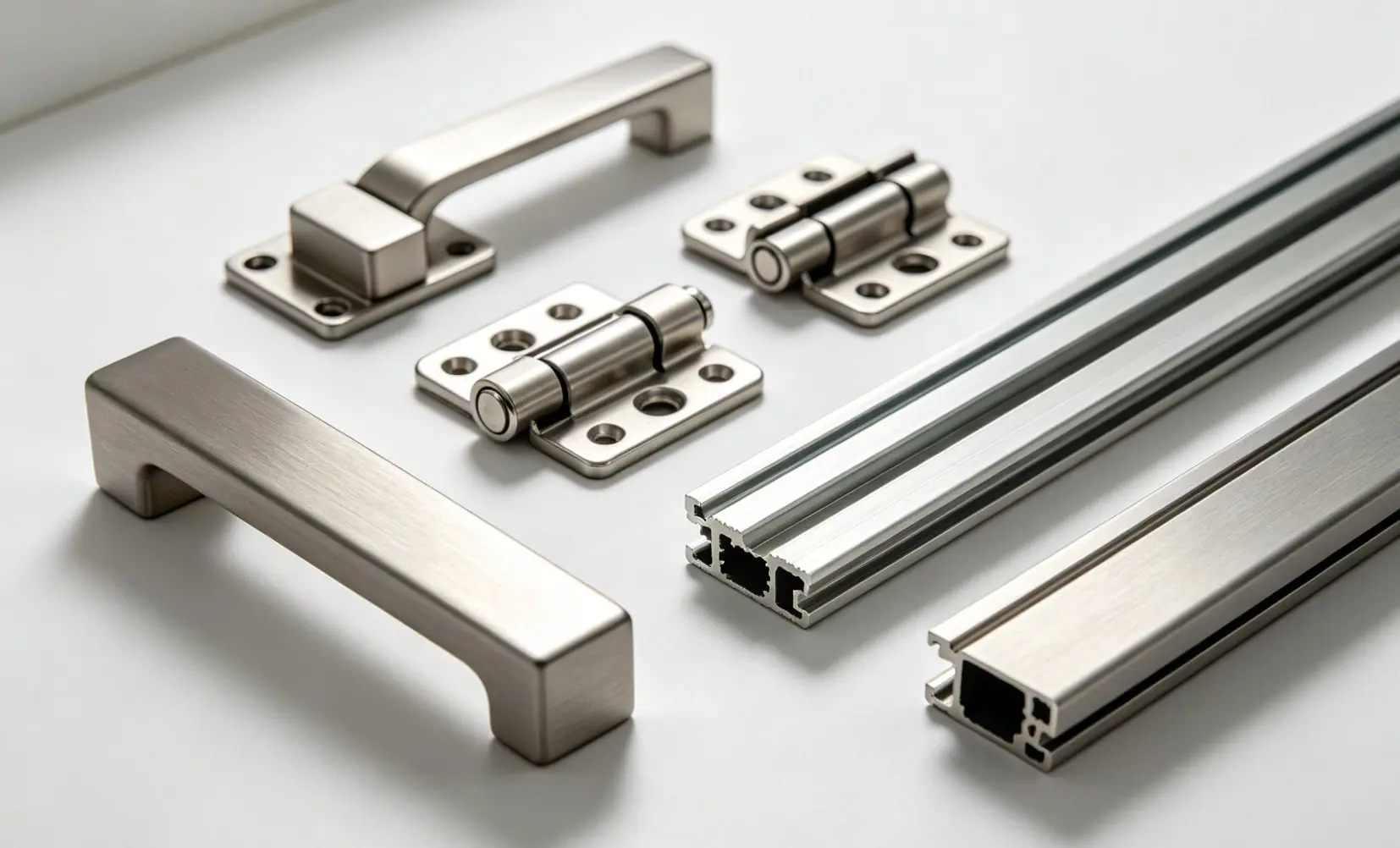
Stainless steel Shower Hinges are crafted from an iron-based alloy containing chromium and often nickel or molybdenum. The chromium content forms a passive oxide layer on the surface that provides exceptional corrosion resistance, especially in humid bathroom environments.304 stainless steel is the most common grade used in shower hardware due to its superior rust resistance and structural strength. This material delivers a sleek, modern aesthetic that appeals to contemporary bathroom designs.
Corrosion Resistance Comparison
Corrosion resistance is arguably the most critical factor when evaluating brass vs stainless steel Shower Hinges for wet environments.
Brass naturally resists dezincification and biofouling, meaning it inhibits the growth of bacteria and algae on its surface. In routine bathroom conditions, brass holds up well. However, exposure to certain water chemistries—particularly high-chloride water—can accelerate surface oxidation and cause dezincification over extended periods.
Stainless steel provides significantly superior corrosion resistance due to its passive chromium oxide layer. ASTM A240/A240M defines the chemical composition requirements for stainless steel plate, sheet, and strip, ensuring consistent material quality. This standard helps manufacturers produce hinges that maintain structural integrity in demanding bathroom conditions.
In neutral to mildly acidic water conditions, both materials perform admirably. However, in coastal regions or areas with high chloride content in the municipal water supply, stainless steel generally maintains its surface integrity longer without requiring additional protective coatings.
| Property | Brass | 304 Stainless Steel |
|---|---|---|
| Corrosion resistance (fresh water) | Excellent | Excellent |
| Corrosion resistance (high chloride) | Good | Very Good |
| Dezincification risk | Moderate | None |
| Surface oxide layer | N/A (alloy) | Passive Cr₂O₃ |
| Expected lifespan (coastal) | 10–15 years | 20–25 years |
| Maintenance requirement | Moderate | Low |
Strength and Structural Integrity
Brass offers good tensile strength suitable for standard glass shower door installations. The material absorbs vibration effectively and threads well, making installation straightforward. However, brass is softer than stainless steel and may deform under extreme loads or impact.
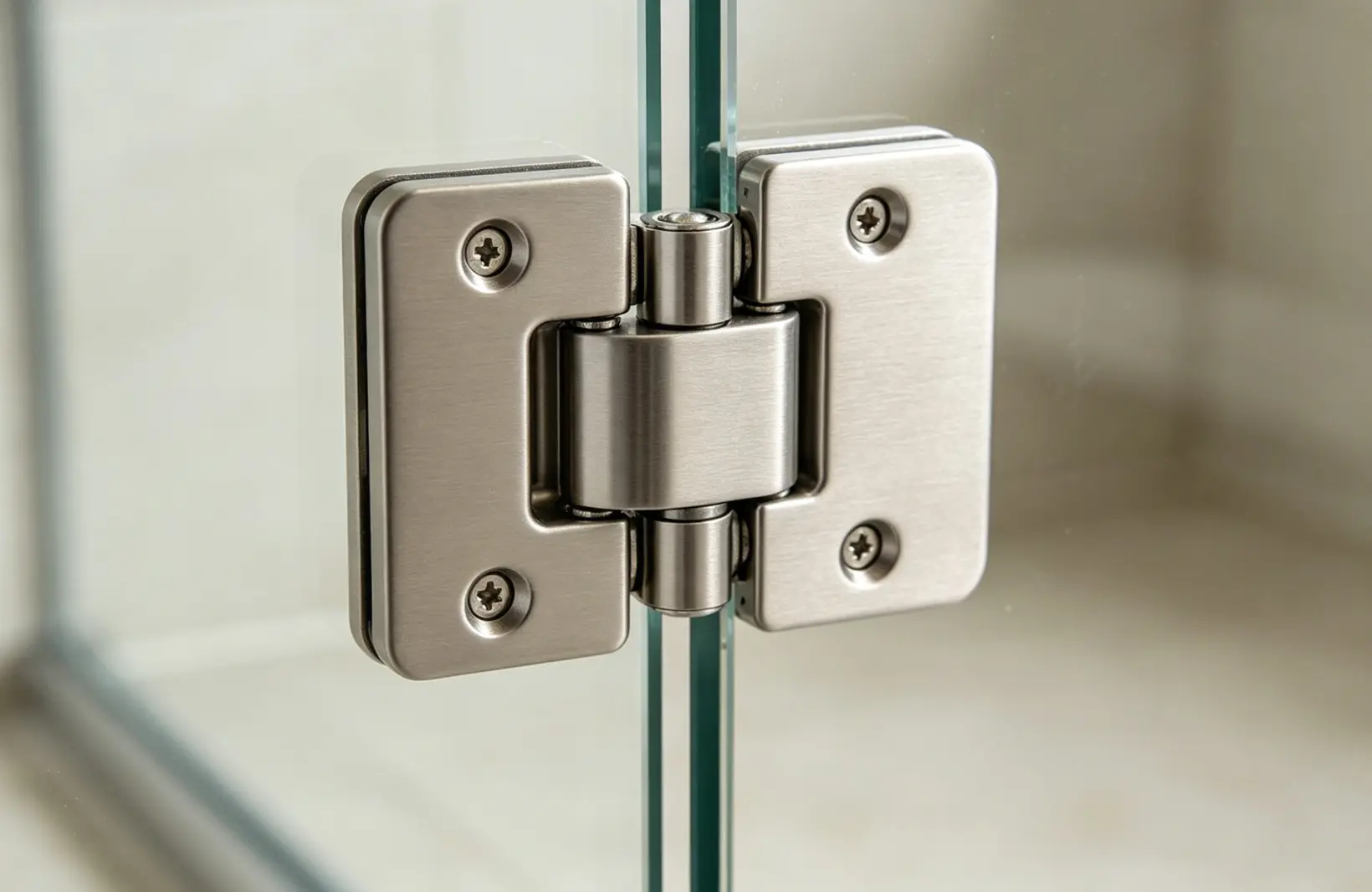
Stainless steel provides significantly higher tensile and yield strength. This makes it the preferred choice for frameless glass shower enclosures where the hinge must support the full weight of thick tempered glass panels. NSF/ANSI 61addresses drinking water system components, and while it primarily covers valves and faucets, the standards inform material selection philosophy for any Bathroom Hardware in contact with water.
Aesthetic and Design Considerations
The visual differences between brass and stainless steel Shower Hinges significantly influence bathroom design choices.
Brass brings warmth and traditional elegance. Available in polished, satin, antique, and oil-rubbed finishes, brass complements classic, transitional, and vintage-inspired bathroom aesthetics. Many homeowners associate brass hardware with luxury hotel bathrooms and high-end residential projects.
Stainless steeldelivers a cool, contemporary look that pairs naturally with minimalist and industrial design themes. Its neutral silver tone integrates seamlessly with chrome faucets, mirrors, and Bathroom Accessories commonly found in modern homes.
Cost and Budget Implications
Cost often drives the final decision between brass vs stainless steel Shower Hinges. Brass hinges typically command a higher price point due to the raw material cost and manufacturing complexity. Premium finishes on brass hardware add further to the expense.
Stainless steel hinges generally offer a more budget-friendly entry price, especially for standard 304-grade products. The lower maintenance requirements over the product lifecycle also contribute to a favorable total cost of ownership. For large-scale projects such as hotel bathroom installations or commercial shower facilities, the cost difference becomes substantial when multiplied across dozens of units.
Maintenance Requirements
Brass hinges require periodic polishing to maintain their lustrous appearance, especially in hard water regions where mineral deposits accumulate on the surface. Harsh chemical cleaners can damage certain brass finishes, so mild, pH-neutral cleaning solutions are recommended.
Stainless steel hinges demand minimal maintenance beyond routine wiping with a soft cloth and mild detergent. The passive chromium oxide layer resists staining and rarely requires polishing. Avoiding abrasive pads and chlorine-based cleaners preserves the surface finish and prevents micro-scratches.
Which Material Is Right for Your Project?
Choosing between brass vs stainless steel Shower Hinges depends on several project-specific factors. For coastal properties, bathrooms with high humidity, or frameless glass enclosures, stainless steel is the stronger and more corrosion-resistant option. For traditional interiors, warm-toned design schemes, or applications where antimicrobial properties are valued, brass remains an excellent choice.
Consider these key decision factors:
- Environmental exposure: High chloride or acidic water favors stainless steel.
- Design aesthetic: Warm traditional interiors favor brass; cool modern interiors favor stainless steel.
- Glass panel weight: Heavy frameless glass requires the superior strength of stainless steel.
- Budget constraints: Standard stainless steel hinges offer lower upfront cost.
- Maintenance preference: Low-maintenance buyers should choose stainless steel.
Both materials represent quality choices for shower hardware when sourced from reputable manufacturers. Reviewing material certifications and verifying compliance with relevant ASTM and NSF standards ensures you receive hardware that performs safely over its intended service life.
Environmental and Health Considerations
Both brass and stainless steel are fully recyclable materials, supporting sustainable building practices. Brass contains copper, which offers natural antimicrobial benefits—a consideration for family bathrooms where hygiene is paramount. Stainless steel's smooth, non-porous surface resists bacterial adhesion, making it a hygienic choice for high-traffic commercial shower facilities.
For bathrooms in healthcare settings, schools, or senior living environments, material selection should align with infection control protocols. Consult local building codes and water treatment conditions when specifying shower hardware for these applications.
FAQ: Brass vs Stainless Steel Shower Hinges
1. Can stainless steel Shower Hinges rust in the shower?
304 stainless steel contains at least 18% chromium, which forms a protective oxide layer that prevents rust formation under normal shower conditions. In environments with extremely high chloride exposure, occasional surface discoloration called "tea staining" may occur, but structural rust is extremely rare with proper grade stainless steel.
2. Do brass shower hinges turn green over time?
Brass can develop a patina or surface oxidation, particularly in humid or coastal environments. This darkening is cosmetic and does not compromise structural integrity. Regular cleaning and applying a protective wax coating can slow patina formation if the original finish is preferred.
3. Which hinge material is stronger for heavy frameless glass doors?
Stainless steel provides approximately twice the tensile strength of brass, making it the superior choice for supporting heavy frameless glass panels. Most glass shower door manufacturers specify stainless steel hinges for panels exceeding 3/8 inch thickness due to its superior load-bearing capacity.
4. Are brass shower hinges safe for drinking water systems?
Brass has been used extensively in plumbing applications for decades and is considered safe for drinking water contact when it meets relevant standards. Certified brass hardware undergoes testing to ensure lead content remains below safe thresholds established by regulatory authorities.
5. Which material lasts longer in a typical bathroom environment?
Under standard bathroom conditions, both materials offer excellent longevity. Stainless steel generally provides a longer service life in humid, coastal, or high-humidity environments, while brass performs exceptionally well in controlled residential bathroom settings with moderate water chemistry and proper maintenance.
Final Recommendation
The choice between brass vs stainless steel shower hinges ultimately reflects your priorities: aesthetic warmth and antimicrobial properties versus maximum corrosion resistance and structural strength. For most residential bathrooms, either material delivers reliable performance when properly maintained. In demanding environments or for heavy-duty applications, stainless steel provides the extra durability and peace of mind that comes from superior mechanical properties and minimal maintenance requirements. Evaluate your specific bathroom conditions, design goals, and budget to select the hinge material that best aligns with your project needs.