
Understanding ADA Compliance for Towel Bar Height and Placement
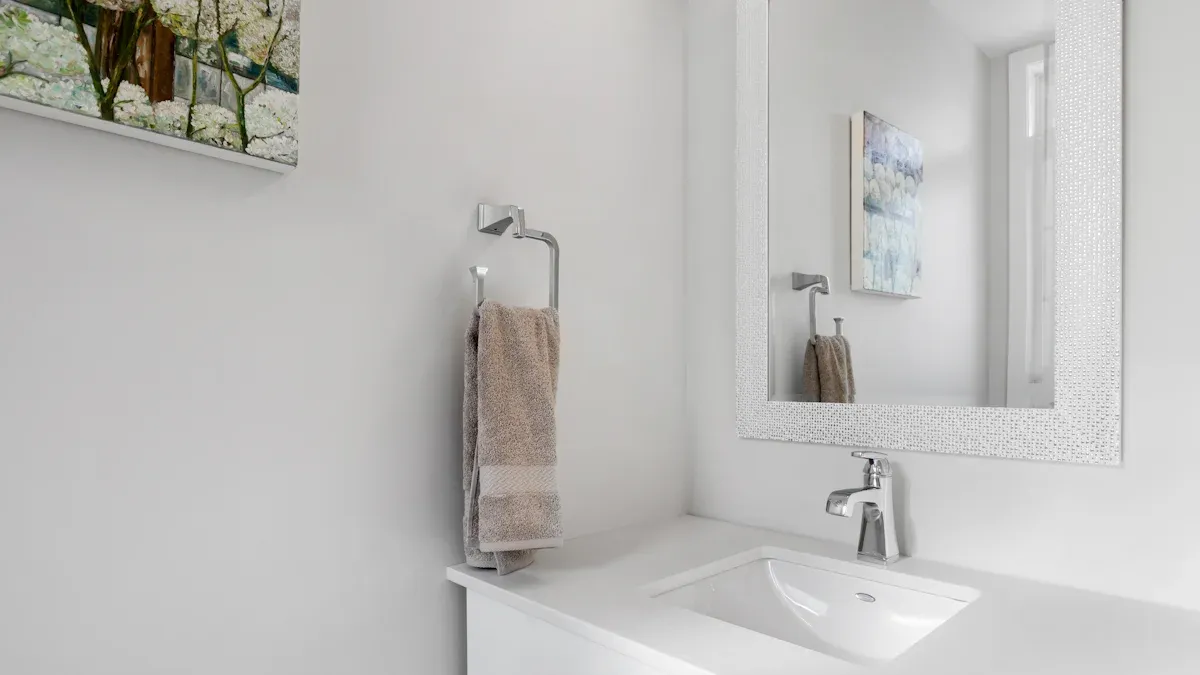
The standard ADA compliant height for Towel Bars is 48 inches from the floor. This critical measurement ensures accessibility for all users. Approximatelyone in every five Americans has a disability, directly benefiting from thoughtful design. An ADA Compliant Towel Bar promotes independence for these individuals. Proper placement of a Towel Bar also enhances inclusivity for everyone in a space.
Key Takeaways
- ADA rules help everyone use Towel Bars easily, especially people with disabilities.
- Towel Bars must be 48 inches from the floor for easy reach, but this can change with obstacles.
- Clear space around Towel Bars helps wheelchair users move freely.
- Not following ADA rules can lead to big fines and legal problems for businesses.
- Place Towel Bars near sinks andshowers, but never behind safety Grab Bars.
- Always measure carefully from the finished floor to install Towel Bars correctly.
- Universal design makes spaces work for all people, not just those with disabilities.
What is the ADA Compliant Towel Bar Height?
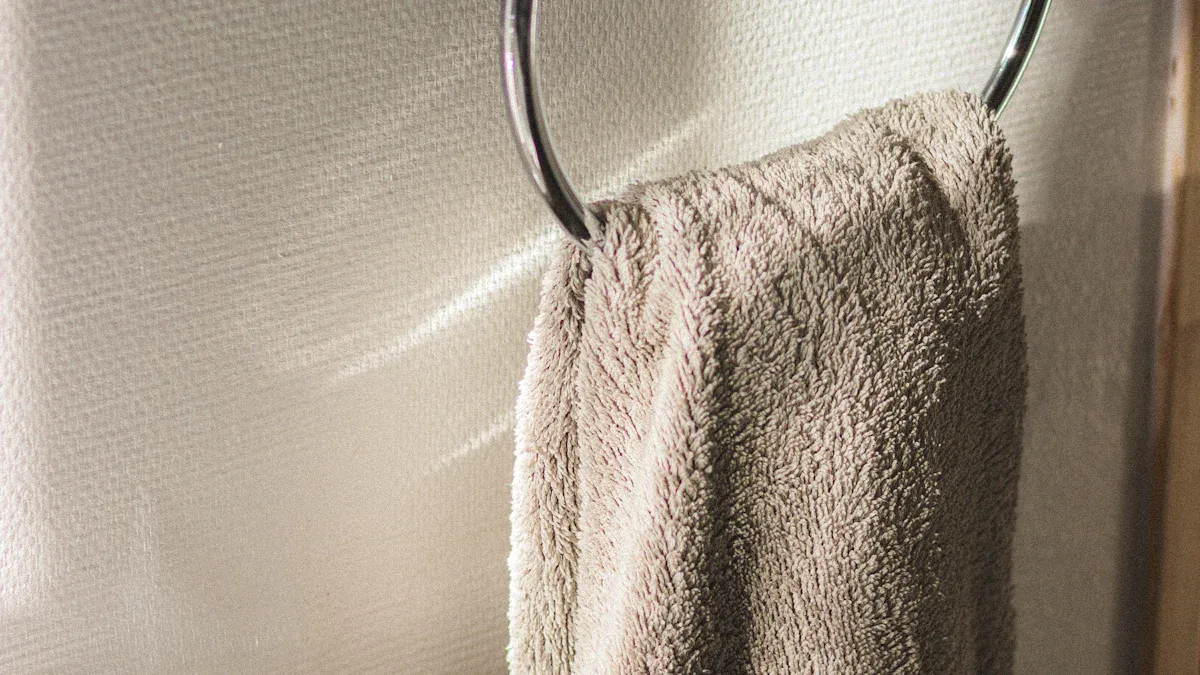
The Americans with Disabilities Act (ADA) sets specific guidelines for towel bar height. These rules ensure that individuals with various physical abilities can easily access and use Towel Bars. Understanding these height requirements is essential for creating inclusive and accessible spaces.
Maximum High Reach for ADA Compliant Towel Bar
Understanding the 48-Inch Rule
The ADA establishes a maximum high reach for Towel Bars. This standard height is 48 inches from the finished floor to the top of the towel bar. This measurement allows individuals using wheelchairs to reach the towel bar comfortably. It also accommodates people with limited upper body movement. The 48-inch rule ensures that the towel bar remains within an accessible range for most users.
Exceptions for Obstructions
Sometimes, an obstruction might exist below the towel bar. For example, a counter or a vanity can create such an obstruction. If an obstruction is present, the maximum high reach can change. When an obstruction is 20 inches deep or less, the maximum high reach remains 48 inches. However, if the obstruction is deeper than 20 inches but not more than 25 inches, the maximum high reach reduces to 44 inches. These exceptions ensure that the towel bar remains usable even with other bathroom fixtures nearby.
Minimum Low Reach for ADA Compliant Towel Bar
Accommodating Limited Mobility
ADA guidelines also address the minimum low reach for Towel Bars. This ensures that individuals with limited mobility can access towels without difficulty. A lower placement helps people who use wheelchairs or those who have difficulty reaching upwards. It promotes independence and ease of use for a wider range of users.
The 36-Inch Guideline
While the ADA primarily focuses on maximum reach, a practical minimum low reach often comes into consideration. Many designers and builders use a 36-inch guideline for the bottom edge of a towel bar. This height allows for comfortable access for individuals in wheelchairs. It also prevents the towel bar from being too low for standing users. This guideline helps create a versatile and accessible environment for everyone. An ADA Compliant Towel Bar considers both high and low reach limits.
Defining ADA Compliance for Towel Bars
What Constitutes ADA Compliance?
Purpose of ADA Standards
ADA compliance refers to specific standards. These standards prevent discrimination based on disability. They guarantee equal access in both public and private facilities. The goal involves designing spaces accessible to everyone. This particularly helps those with mobility issues or other disabilities. This commitment to inclusivity ensures buildings meet specific legal standards. It covers accessible entrances, room layouts, and design guidelines. These guidelines assist individuals with physical, visual, or auditory impairments.
Accessible design includes several key features:
- Ramps for independent entry and exit, especially for wheelchair users.
- Wider doors and hallways to accommodate mobility aids.
- Accessible restrooms.
- Parking accommodations, often near building entrances.
- Standard amenities like elevators.
- Step-free pathways and reachable counters.
Who Must Adhere to ADA Guidelines?
ADA compliance levels can range from basic to comprehensive. This depends on a building's age, size, and intended use. Older buildings might be 'grandfathered in' with partial adjustments. New constructions and significant renovations generally must adhere to higher accessibility standards. Government agencies like HUD provide guidelines. They clarify which structures require full compliance and under what conditions. The first ADA Standards for Accessible Design, known as the '1991 ADA Standards', were adopted on July 26, 1991. Revised ADA Standards, the '2010 ADA Standards', were adopted on September 15, 2010. They included Guidance on the 2010 Standards.
Why is ADA Compliant Towel Bar Placement Crucial?
Ensuring Universal Accessibility
Proper placement of an ADA Compliant Towel Bar is crucial. It ensures universal accessibility. This means everyone can use the facilities comfortably. People with diverse abilities can access towels easily. This promotes independence and dignity for all users. Thoughtful design creates inclusive environments.
Avoiding Legal Non-Compliance
Failing to meet ADA standards carries significant legal risks. Businesses can face lawsuits and settlements. Some ADA settlements exceed hundreds of hundreds of dollars. Many U.S. states have their own accessibility legislation with specific consequences. For example:
- California's Unruh Civil Rights Act allows plaintiffs to seek $4,000 per inaccessible instance.
- New York Human Rights Law enables plaintiffs to recover monetary damages.
- Colorado HB21-1110 requires compliance by state agencies, with failure resulting in injunctive relief and a $3500 fine.
Federal fines under Title III are substantial. A first-time violation can cost $115,231. A second offense can reach $230,464. The U.S. Department of Justice (DOJ) enforces these penalties. They often arise from DOJ lawsuits. Legal action incurs significant legal fees. It also requires timely remediation and potential operational changes. Non-compliance also damages a company’s reputation. Negative publicity can deter customers and business partners. This leads to a decline in revenue and market share.
Specific ADA Compliant Towel Bar Placement Requirements
The Americans with Disabilities Act (ADA) provides detailed rules for towel bar placement. These rules ensure everyone can use the towel bar. They cover how far a person can reach forward and to the side. They also define the clear space needed on the floor.
Forward Reach Guidelines
Forward reach refers to how far a person can reach directly in front of them. The ADA sets limits for both high and low forward reaches.
Maximum High Forward Reach
The ADA specifies a maximum high forward reach. A person can reach 48 inches from the floor if no obstruction exists. This height allows most users, including those in wheelchairs, to access the towel bar. If an obstruction is present, the maximum reach changes. For an obstruction 20 inches deep or less, the maximum high forward reach remains 48 inches. However, if the obstruction is deeper than 20 inches but not more than 25 inches, the maximum high forward reach becomes 44 inches. This ensures the towel bar stays within reach even with a counter or sink in the way.
Minimum Low Forward Reach
The ADA also defines a minimum low forward reach. This ensures accessibility for individuals who need to reach downwards. The lowest point for a forward reach is 15 inches from the floor. This guideline helps wheelchair users or people with limited upper body movement. They can easily access items placed at this height.
Side Reach Guidelines
Side reach refers to how far a person can reach to their side. These guidelines are important for towel bars placed next to a clear floor space.
Maximum High Side Reach
The maximum high side reach is 48 inches from the floor. This applies when no obstruction blocks the side approach. If an obstruction exists, the maximum side reach changes. For an obstruction 10 inches deep or less, the maximum high side reach is 48 inches. If the obstruction is deeper than 10 inches but not more than 24 inches, the maximum high side reach becomes 46 inches. This ensures a person can still reach the towel bar from the side.
Minimum Low Side Reach
The minimum low side reach is 15 inches from the floor. This rule ensures that individuals can reach items placed low to the side. It helps people in wheelchairs or those with difficulty lifting their arms. This low placement makes the towel bar accessible for a wider range of users.
Clear Floor Space for ADA Compliant Towel Bar
Proper clear floor space is essential for an ADA Compliant Towel Bar. This space allows a person using a wheelchair to approach and use the towel bar.
Required Clear Floor Space Dimensions
The ADA requires a clear floor space of at least 30 inches by 48 inches (760 mm by 1220 mm). This space must be level and free of any obstacles. It provides enough room for a wheelchair user to maneuver and position themselves. This clear area allows for a direct approach to the towel bar.
Positioning Relative to Clear Floor Space
Install the towel bar so it is accessible from the required clear floor space. The clear floor space must allow a person to approach the towel bar directly. No permanent fixtures or objects should block this clear area. This ensures a wheelchair user can get close enough to reach the towel bar comfortably.
Strategic Placement of ADA Compliant Towel Bar
Strategic placement of towel bars is essential for accessibility. It ensures all users can comfortably reach and utilize them. Thoughtful positioning enhances the overall functionality of a bathroom. It also supports independence for individuals with disabilities.
Proximity to Fixtures
Near Sinks and Lavatories
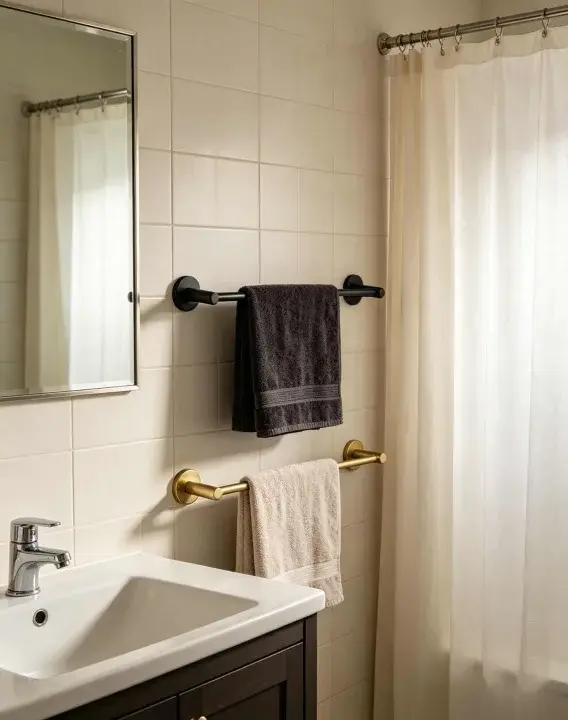
Placing towel bars near sinks and lavatories offers convenience. Users can dry their hands immediately after washing. This reduces the risk of water dripping onto the floor. It also prevents slips and falls. The towel bar should be within easy reach from the sink. This allows a person to remain seated in a wheelchair while accessing the towel.
Within Reach of Showers and Tubs
Towel bars must also be accessible from showers and tubs. This allows users to grab a towel upon exiting. It prevents them from having to move across the bathroom while wet. This placement enhances safety and comfort. Position the towel bar so a person can reach it from inside the shower or tub area.
Avoiding Obstructions
No Placement Behind Grab Bars
Proper placement avoids obstructions. Towel bars should never be behind grab bars. Grab bars serve a critical safety function. They provide support for balance and movement. Placing a towel bar behind a grab bar obstructs its use. It also compromises the grab bar's effectiveness. Maintain clear space around grab bars. At least 1.5 inches of space must exist between the grab bar and the wall. This allows for easy gripping. Objects below and at the ends of the grab bar also need 1.5 inches of distance. This prevents obstruction. Objects above the grab bar should be at least 12 inches from its top. This ensures users can grip the bar from various angles without hindrance.
Clearance Around Other Fixtures
Ensure adequate clearance around other bathroom fixtures. This includes toilets, vanity cabinets, and shower doors. A towel bar should not impede movement or access to these areas. It must not create a hazard. Consider the swing of doors and the space needed for transfers.
Multiple Towel Bar Considerations
Accommodating Diverse User Needs
Some spaces benefit from multiple towel bars. This accommodates diverse user needs. One towel bar can be at the maximum high reach. Another can be at the minimum low reach. This provides options for both standing and seated individuals. It offers greater flexibility.
Grouping for Optimal Accessibility
Grouping towel bars can also optimize accessibility. Place them in logical zones. For example, one near the sink and another near the shower. This minimizes unnecessary movement. It ensures a towel is always within easy reach. This thoughtful arrangement improves the user experience for everyone.
Common Mistakes in ADA Compliant Towel Bar Installation
Installing towel bars correctly is vital for accessibility. However, installers often make common mistakes. These errors can compromise accessibility and lead to non-compliance. Understanding these pitfalls helps ensure proper installation.
Incorrect Height Measurements
Measuring from the Wrong Reference Point
A frequent error involves measuring from an incorrect reference point. Installers must measure the towel bar height from the finished floor. This means the final floor surface, including any tiles or carpeting. Measuring from the subfloor or an unfinished surface leads to inaccurate heights. Such mistakes can place the towel bar too high or too low. This makes it inaccessible for users with disabilities.
Ignoring Floor Level Variations
Bathrooms can have slight variations in floor level. Installers sometimes overlook these differences. They might measure from one spot and assume the floor is perfectly level throughout. This assumption can result in a towel bar that is compliant on one end but not the other. Always check floor levels across the installation area. Use a level to ensure consistent height relative to the floor.
Obstructed Access Points
Placement Behind Doors
Placing a towel bar behind a door creates a significant obstruction. When the door opens, it blocks access to the towel bar. This prevents wheelchair users or individuals with limited mobility from reaching towels. Always ensure the towel bar is in an open, unobstructed area. It should be accessible even when the bathroom door is fully open.
Overlapping with Other Bathroom Elements
Towel bars sometimes overlap with other bathroom fixtures. This includes grab bars, toilet paper dispensers, or vanity edges. Such overlapping reduces clear space. It can also make the towel bar difficult or impossible to use. Installers must plan placement carefully. Ensure sufficient clearance around all bathroom elements. This prevents interference and maintains functionality.
Insufficient Clear Floor Space
Lack of Maneuvering Room
A critical mistake is failing to provide adequate clear floor space. Users in wheelchairs need specific dimensions to approach and use a towel bar. Without enough room, they cannot position themselves correctly. This renders the towel bar unusable for them. Ensure a clear floor space of at least 30 inches by 48 inches in front of the towel bar. This allows for proper maneuvering.
Permanent Obstacles in the Path
Permanent obstacles in the clear floor space also create problems. These can include built-in cabinets, waste receptacles, or even structural columns. Such obstacles block the path to the towel bar. They prevent a direct approach. Towel racks or bars must be placed within reach. This means within 54 inches of the floor for a side approach or 48 inches for a forward approach. Clear floor space is required in accessible guest-room bathrooms. This allows individuals using wheelchairs to turn around comfortably. Installers must ensure the entire clear floor space remains free of any permanent obstructions.
Practical Tips for Achieving ADA Compliant Towel Bar Installation
Achieving ADA compliance for towel bar installation requires careful planning. It also demands precise execution. Following practical tips helps ensure accessibility for all users.
Utilizing Accurate Measuring Tools
Precision Tape Measures
Accurate measurements are crucial for ADA compliance. Installers must use high-quality tools. Precision tape measures help ensure exact height. Always measure from the finished floor. This includes any tiles or carpeting. Measuring from an unfinished surface leads to incorrect heights. Such mistakes can make the towel bar inaccessible.
Laser Levels for Horizontal Alignment
Laser levels ensure horizontal alignment. They project a perfectly straight line. This helps install towel bars perfectly level. A level towel bar looks better. It also functions correctly. It prevents towels from sliding off. This tool helps avoid sloped installations.
Consulting Official ADA Guidelines
Referencing the ADA Standards for Accessible Design
Always consult official ADA guidelines. These documents provide exact requirements. The U.S. Access Board’s website offers in-depth information. It features user-friendly hyperlinks. This site also hosts the Guide to the ADA Accessibility Standards. This guide provides plain language explanations and illustrations. ADA.gov also provides the 2010 ADA Standards for Accessible Design. These are available in HTML and PDF formats. The Department of Justice offers official Guidance on the 2010 Standards.
Staying Updated on Revisions and Interpretations
Guidelines can change. Installers should stay updated on revisions. Regularly check official sources for new interpretations. This ensures ongoing compliance. It helps avoid future issues.
Professional Installation and Verification
Hiring Experienced Contractors
Hiring experienced contractors is a smart choice. They possess specialized expertise. They have deep knowledge of ADA standards and best practices. These professionals also have access to a trusted contractor network. This network includes skilled individuals in ADA-compliant construction. They offer end-to-end project management. This covers everything from design to execution. They deliver projects on time. They do not compromise quality. Their solutions are future-proof. They meet current requirements and anticipate future updates. This ensures regulatory compliance. It helps avoid legal consequences. It also expands the customer base. It improves user experience. This enhances reputation and brand image. It saves costs in the long run.
Conducting Post-Installation Accessibility Audits
After installation, conduct accessibility audits. These audits verify compliance. Check all measurements and clearances. Ensure the towel bar meets all ADA requirements. This final check confirms proper installation. It guarantees accessibility.
ADA Compliant Towel Bar in Various Settings
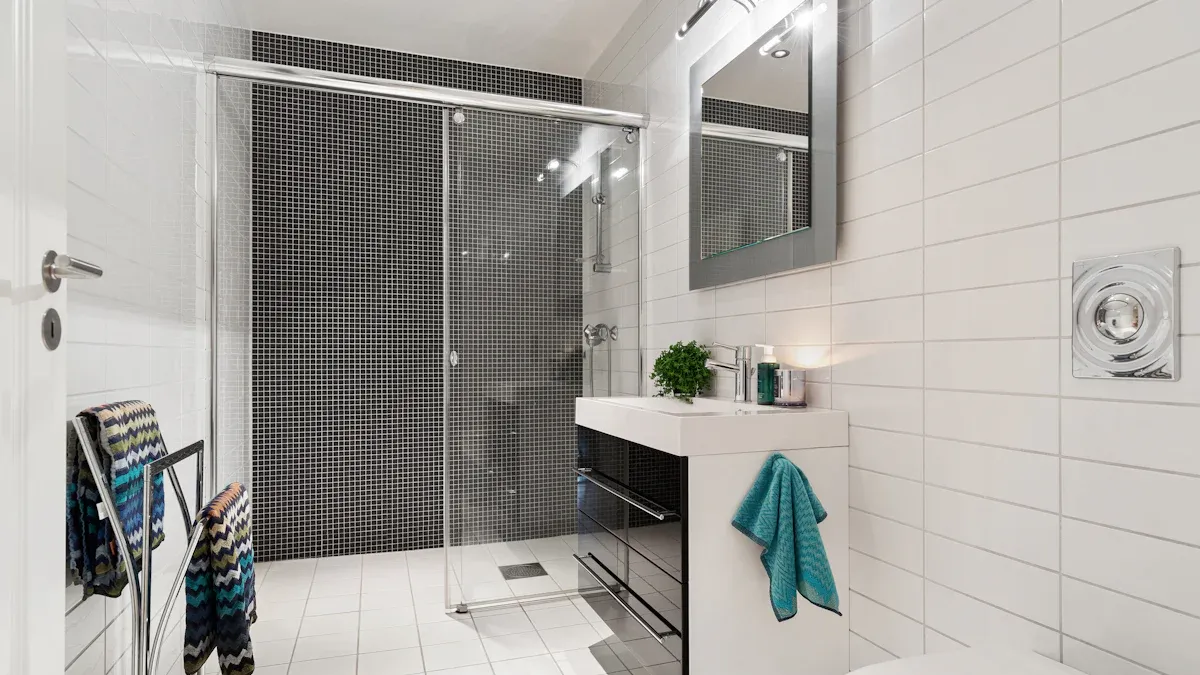
Towel bar placement requirements differ across various environments. Understanding these distinctions is crucial. Different settings serve different populations. This impacts accessibility needs.
Commercial vs. Residential Properties
Public Accommodation Requirements
Commercial properties must adhere strictly to ADA guidelines. These include businesses, government buildings, and public spaces. They serve the general public. Therefore, they must provide equal access for everyone. This means installing towel bars at specific heights. They also need clear floor space. Failure to comply can result in legal penalties. Businesses prioritize universal access.
Private Residence Recommendations
Private residences do not face the same legal mandates. ADA guidelines are recommendations for homes. Homeowners can choose to implement them. Many people consider future needs. They might plan for aging family members. They also consider guests with disabilities. Incorporating ADA principles enhances comfort and safety. It also increases a home's value.
Healthcare Facilities Standards
Specific Patient Room Needs
Healthcare facilities have stringent accessibility standards. Patient rooms require careful design. Towel bars must be easily reachable from beds or wheelchairs. This supports patient independence. It also assists caregivers. Placement considers patient mobility levels. It also accounts for medical equipment.
Enhanced Accessibility Protocols
Healthcare settings often exceed basic ADA requirements. They implement enhanced accessibility protocols. This ensures maximum safety and usability. For example, they might install multiple towel bars at different heights. This accommodates diverse patient needs. They also ensure robust installation. This supports frequent use and cleaning.
Hospitality Industry Compliance
Hotel Room Accessibility
Hotels must provide accessible rooms. These rooms include ADA-compliant features. Towel bars are a key component. They must meet height and placement standards. This ensures guests with disabilities have a comfortable stay. Hotels often offer various accessible room types. These cater to different needs.
Public Restroom Standards
Public restrooms in hotels also require ADA compliance. This includes towel bar placement. These facilities serve all hotel guests and visitors. Therefore, they must be fully accessible. Clear floor space is essential. Towel bars must be within reach. This ensures dignity and ease of use for everyone.
Beyond Compliance: Universal Design for Towel Bars
Universal design extends beyond basic ADA compliance. It creates environments, products, and services accessible to the widest possible range of people. This includes individuals regardless of their age, ability, or life status. These principles aim for an inclusive world. They cater to everyone's needs. This ultimately leads to a seamless user experience for all individuals. This applies regardless of gender, location, native language, or physical abilities.
Principles of Universal Design
Designing for All Abilities
Universal design focuses on creating spaces usable by everyone. It considers diverse abilities from the outset. The Center for Universal Design at North Carolina State established seven core principles. These principles guide the design of products, services, or environments. They include equitable use, meaning the design is useful and marketable to people with diverse abilities. They also emphasize flexibility in use. This means the design accommodates a wide range of individual preferences and abilities.
Benefits of Inclusive Environments
Inclusive environments offer significant benefits. They promote independence and dignity for all users. Designs are simple and intuitive. They are easy to understand, regardless of user experience or knowledge. Perceptible information ensures effective communication. This happens regardless of ambient conditions or sensory abilities. Designs also show tolerance for error. They minimize hazards and adverse consequences of accidental actions. Low physical effort is another key benefit. The design can be used efficiently and comfortably with minimum fatigue.
Applying Universal Design to ADA Compliant Towel Bar
Ergonomic Considerations
Applying universal design to towel bars involves ergonomic considerations. Ergonomics focuses on efficiency and comfort in the working environment. For towel bars, this means placement and design minimize physical effort. For example, automatic doors exemplify low physical effort. Similarly, a towel bar designed with universal principles allows easy access for all. This includes individuals with limited grip strength or reach.
Aesthetic Integration and Functionality
Universal design ensures aesthetic integration and functionality. An ADA Compliant Towel Bar does not need to look purely utilitarian. Designers can create solutions that are both accessible and visually appealing. They blend seamlessly into the bathroom's overall design. This approach enhances the user experience without compromising style.
Future-Proofing Your Space with ADA Compliant Towel Bar
Anticipating Evolving Accessibility Needs
Universal design helps future-proof spaces. It anticipates evolving accessibility needs. Populations age, and individual abilities can change over time. Designing for a broad spectrum of users from the beginning avoids costly retrofits later. It ensures the space remains functional for years to come.
Enhancing Property Value and Appeal
Implementing universal design enhances property value and appeal. Properties designed with inclusivity attract a wider range of potential occupants. This includes families with young children, older adults, and individuals with disabilities. Such thoughtful design makes a property more marketable. It demonstrates a commitment to accessibility and user comfort.
The standard ADA compliant height for towel bars is 48 inches from the floor. A minimum low reach of 36 inches provides additional accessibility. Proper placement near sinks, showers, or bathtubs is crucial. Users must avoid obstructions like grab bars for an effective ADA Compliant Towel Bar. Adhering to ADA guidelines ensures accessibility for all individuals. This also prevents potential legal issues.
FAQ
What is the standard ADA compliant height for a towel bar?
The standard ADA compliant height for a towel bar is 48 inches from the finished floor. This measurement ensures accessibility for individuals, including those using wheelchairs.
Are there exceptions to the 48-inch rule for towel bars?
Yes, exceptions exist for obstructions. If an obstruction is 20 inches deep or less, the maximum high reach remains 48 inches. If it is deeper than 20 inches but not more than 25 inches, the maximum high reach becomes 44 inches.
Why is clear floor space important for ADA compliant towel bars?
Clear floor space is crucial. It allows individuals using wheelchairs to approach and maneuver comfortably to reach the towel bar. A minimum of 30 inches by 48 inches is required.
Do residential properties need to follow ADA towel bar guidelines?
Private residences do not face the same legal mandates as commercial properties. ADA guidelines serve as recommendations for homes. Many homeowners choose to implement them for enhanced accessibility and future needs.
What are the consequences of not having ADA compliant towel bars?
Failing to meet ADA standards can lead to significant legal risks. Businesses may face lawsuits, substantial fines, and damage to their reputation. Federal fines for violations are considerable.
Can a towel bar be placed behind a grab bar?
No, a towel bar should never be placed behind a grab bar. Grab bars provide critical safety support. Placing a towel bar there obstructs its use and compromises its effectiveness.
What is universal design in relation to towel bars?
Universal design extends beyond basic ADA compliance. It creates environments usable by everyone, regardless of age or ability. For towel bars, this means designing for maximum comfort and ease of use for all individuals.