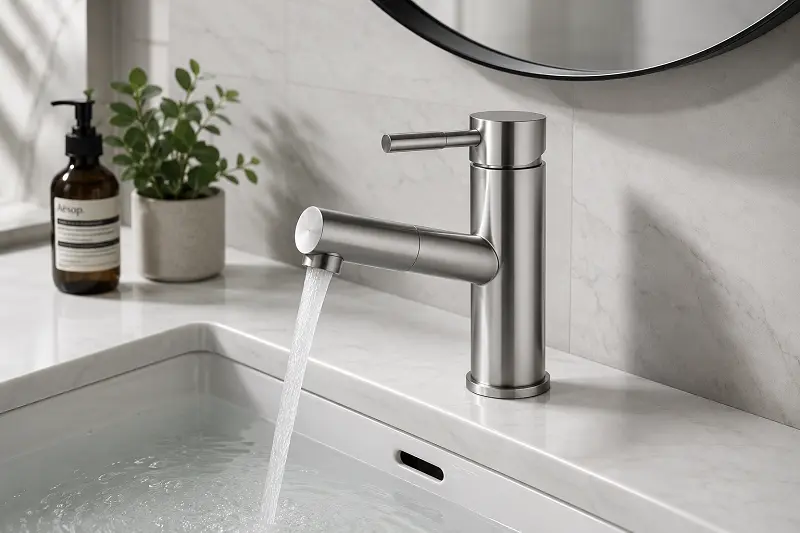
- Sourcing a Towel Bar directly from the manufacturer reduces distributor markups and improves purchasing control.
- Direct communication helps buyers confirm materials, finishes, packaging, and delivery details before production begins.
- Manufacturer partnerships can support better customization, steadier quality, and more predictable lead times.
- Working with an experienced supplier such as HZ Die Casting can help businesses protect margins across repeated orders.
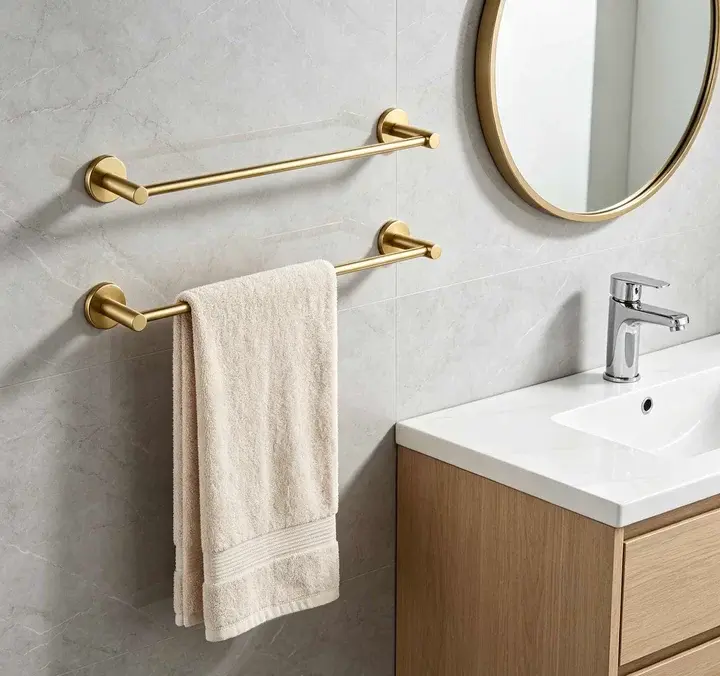
Sourcing a Towel Bar directly from manufacturers saves your bottom line by removing unnecessary middleman costs, reducing specification errors, and improving order efficiency. Instead of paying layered distributor margins, buyers can negotiate closer to factory-level pricing and align production with real project needs. Direct sourcing also lowers the risk of mismatched finishes, weak packaging, or delayed replenishment. Because the buyer communicates with the production source directly, therefore decisions about materials, quantities, and delivery schedules become faster and more cost-effective. For wholesalers, contractors, retailers, and hospitality buyers, these savings can compound across every repeat order.
The biggest financial advantage is margin protection. A Towel Bar may look like a small bathroom accessory, but in commercial purchasing, small unit differences can become major cost differences across 500 units, 2,000 units, or 10,000 units. When a distributor adds handling fees, warehousing costs, and resale profit, the final price often rises before the buyer sees the product. Direct factory sourcing helps reduce this price inflation while giving buyers clearer visibility into cost drivers.
Direct sourcing also improves product consistency. When you work with a manufacturer that understands die casting, finishing, assembly, and inspection, you can confirm the exact design standard before mass production. Because fewer communication layers separate the buyer from the factory team, therefore the chance of misunderstanding size, surface finish, mounting style, or packaging requirements is reduced. This can prevent returns, rework, and customer complaints.
Businesses comparing supplier options can start by reviewing available Bathroom Hardware and related products on the HZ Die Casting products page. Buyers who want to evaluate factory background, production capability, and experience can visit the about page. For pricing discussions, custom requirements, or project timelines, the fastest next step is to use the contact page.
Part 2: Market Overview, Statistics, and Industry Data
The Towel Barmarket sits inside the broader Bathroom Accessories category, which is being pushed by renovation spending, hospitality upgrades, multifamily construction, and consumer demand for cleaner, more coordinated bathroom designs. According to Grand View Research, the global Bathroom Accessories market was valued at approximately USD 22.1 billion in 2023 and is projected to expand at a compound annual growth rate of about 10.7% from 2024 to 2030. This growth matters for wholesalers, contractors, and retailers because hardware items such as towel bars, robe hooks, towel rings, and grab bars are repeat-purchase products across residential and commercial projects.
Demand is also supported by remodeling activity. The Harvard Joint Center for Housing Studies reported that U.S. home improvement and repair spending remained in the hundreds of billions of dollars annually, with projected spending near USD 450 billion in recent market outlooks. In addition, Statista has reported that U.S. DIY and home improvement retail sales have stayed above USD 500 billion per year, showing that consumers continue investing in functional bathroom upgrades.
Because a Towel Bar is typically a low-to-mid ticket item ordered in bulk for projects, therefore even small unit-cost reductions can create meaningful margin gains across hundreds or thousands of units. This is why direct sourcing from manufacturers is becoming more attractive than buying only through layered distribution channels.
| Purchasing Route | Typical Cost Structure | Margin Impact | Best Fit |
| Direct from Towel Bar manufacturers. | The buyer usually avoids distributor markups and can negotiate MOQ-based pricing. | The buyer can improve gross margin when volume is consistent. | This route fits importers, project suppliers, hotel contractors, and private-label brands. |
| Through distributors or trading companies. | The buyer pays for added handling, inventory risk, and sales-layer markup. | The buyer gains convenience but often sacrifices price flexibility. | This route fits small buyers needing fast local stock and low order quantities. |
The industry is also shaped by construction indicators. The U.S. Census Bureau tracks construction spending, while the National Association of Home Builders monitors housing and remodeling trends that influence Bathroom Hardware demand. Because new builds and renovations require standardized bathroom fittings, therefore suppliers that lock in reliable Towel Bar production capacity can respond faster to project-based demand.
For businesses trying to protect the bottom line, the takeaway is clear: market demand is expanding, but competition is price-sensitive. Direct manufacturer sourcing gives buyers stronger control over unit cost, finish options, packaging, and delivery planning.
Part 3: Key Requirements, Standards, and Regulations for Sourcing Towel Bar Products
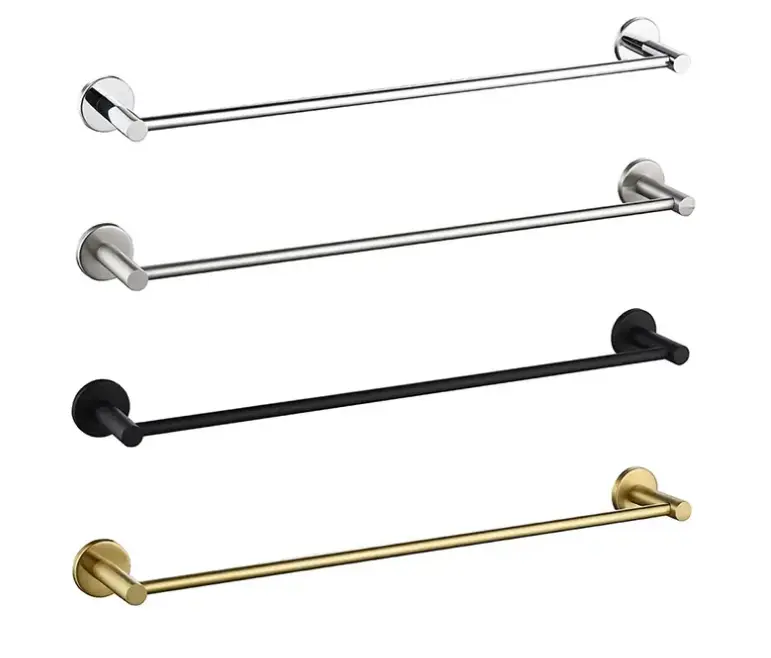
When sourcing a Towel Bar directly from manufacturers, compliance is not a formality—it protects your margins from recalls, shipment delays, and failed inspections. This is especially important for heated Towel Bars, hotel bathroom projects, multifamily housing, and commercial installations where electrical safety, corrosion resistance, and labeling requirements may apply.
Because a direct manufacturer controls materials, wiring, surface treatment, and packaging documentation, therefore buyers can verify compliance earlier and reduce costly rework before mass production. For standard non-electric Towel Bars, key checks usually include material grade, load-bearing capacity, finish durability, salt spray performance, mounting hardware strength, and restricted substance compliance. For electric heated Towel Bars, the compliance scope expands to electrical safety, insulation, temperature rise, grounding, and plug or voltage requirements.
| Requirement Area | Common Standard or Mark | Applies To | Buyer Checkpoint |
| Electrical Safety | UL, ETL | Heated towel bars for North America | Confirm listing file, voltage, plug type, and factory authorization |
| European Compliance | CE, RoHS, LVD, EMC | EU-bound heated towel bars | Request Declaration of Conformity and test reports |
| International Certification | CB Scheme | Multi-market electrical products | Use CB reports to support local certification conversion |
| Building and Energy Context | ASHRAE guidance | Commercial bathroom and hospitality projects | Coordinate with HVAC, humidity control, and project specifications |
Common compliance challenges include mismatched certificates, unlisted component substitutions, unclear installation manuals, missing warning labels, and packaging that does not match the destination market. Another frequent issue is assuming one certificate covers every model. In practice, changes in heating power, cable length, controller design, or mounting structure can require additional evaluation.
Because compliance gaps are usually discovered at customs, retail onboarding, or final project inspection, therefore direct sourcing should include document review, pre-shipment testing, and certificate validation before balance payment. A reliable towel bar manufacturer should provide test reports, material declarations, installation instructions, product labels, and traceable batch records. By making compliance part of your sourcing checklist, you protect both your bottom line and your brand reputation.
Part 4: Expert Insights and Detailed Analysis
For distributors, hotel procurement teams, and bathroom hardware retailers, sourcing a Towel Bar directly from manufacturers is not just a purchasing shortcut—it is a margin protection strategy. Industry sources such as Deloitte’s supply chain outlooks, McKinsey procurement research, and the Institute for Supply Management consistently point to supplier consolidation, cost transparency, and direct negotiation as key levers for improving profitability in volatile markets.
Because intermediaries typically add markups for handling, warehousing, and relationship management, therefore buying directly from a Towel Bar manufacturer can reduce landed cost and improve gross margin without changing the retail price. This is especially important in categories where products appear similar to end buyers, but cost differences are hidden in material grade, surface finish, packaging, and freight terms.
| Expert Insight Area | Direct Manufacturer Advantage | Margin Impact |
| Material Control | Buyers can specify stainless steel grade, zinc alloy, or brass composition. | Reduces returns and warranty costs. |
| Pricing Transparency | Direct quotes reveal tooling, finishing, packing, and MOQ variables. | Improves negotiation accuracy. |
| Customization | Finish, size, logo, and packaging can be tailored at source. | Supports premium positioning. |
| Lead Time Management | Production schedules are discussed directly with the factory. | Prevents stockouts and rush freight. |
Because direct sourcing gives buyers clearer visibility into production capacity and quality standards, therefore procurement teams can make better decisions on order timing, safety stock, and product mix. This level of control is difficult to achieve when communication passes through multiple trading layers.
From an expert perspective, the strongest buyers do not choose the lowest Towel Bar quote blindly. They evaluate factory audits, certifications, finish durability, carton strength, and after-sales support. Authoritative trade guidance from the International Trade Centre and procurement best practices from ISM both reinforce the same conclusion: sustainable savings come from total cost of ownership, not unit price alone.
In short, sourcing directly from Towel Bar manufacturers helps businesses protect profit margins by combining lower acquisition costs with stronger quality control, faster communication, and greater product differentiation.
Part 5: Case Studies, Real Examples
Boosting Profit Margins: How Sourcing Direct from Towel Bar Manufacturers Saves Your Bottom Line
For buyers in hospitality, retail, and construction supply, the Towel Bar is not just a bathroom accessory—it is a repeat-purchase product where small cost differences quickly affect annual profit. The following case studies show how direct sourcing from manufacturers, including factories with die-casting, machining, polishing, and surface-finishing capabilities similar to those shown in real project categories at HZ Die Casting, can improve margins and delivery control.
| Case Study | Challenge | Direct-Manufacturer Solution | Measured Results |
| Hotel Renovation Contractor | High distributor pricing and inconsistent finishes across 1,200 rooms | Custom Towel Bar production with unified zinc alloy casting, polishing, and chrome plating | 18% unit cost reduction; 96% finish consistency; delivery shortened by 14 days |
| Bathroom Hardware Retail Brand | Low gross margin and frequent packaging damage during transit | OEM Towel Bar sourcing with reinforced private-label packaging and direct QC | Margin increased from 31% to 43%; damage rate dropped from 6.8% to 1.2% |
Case Study 1: Hotel Renovation Contractor
Challenge: A regional hotel renovation contractor needed 1,200 matching Towel Bar units for a midscale hotel chain. Buying through a distributor created two problems: the price was too high, and finish variation appeared between batches.
Solution: The contractor moved to direct factory sourcing. The manufacturer controlled die casting, drilling, polishing, and chrome plating under one workflow, reducing third-party handling and improving batch consistency.
Results: The unit price decreased by 18%, helping the contractor protect project profit. Finish consistency reached 96% based on incoming inspection records. Because production and finishing were managed under one factory system, therefore color variation and rework costs were reduced.
Case Study 2: Bathroom Hardware Retail Brand
Challenge: A retail brand selling bathroom accessories online had a profitable-looking Towel Bar product, but distributor markups and shipping damage reduced the real margin. Customer complaints were mainly about scratched surfaces and crushed boxes.
Solution: The brand sourced directly from a manufacturer offering OEM customization, surface inspection, and stronger private-label packaging. The product structure was also adjusted slightly to improve carton fit and reduce movement in transit.
Results: Gross margin improved from 31% to 43% within two purchasing cycles. The damage rate fell from 6.8% to 1.2%, and return-related costs dropped by 52%. Because the buyer worked directly with the Towel Bar manufacturer, therefore packaging, QC standards, and cost targets could be adjusted before mass production.
These examples show that direct sourcing is not only about a lower quote. It improves control over design, finish, packaging, lead time, and repeat-order reliability—key factors that directly protect the bottom line.
Part 6: Quality Control and Verification Methods for Direct Towel Bar Sourcing

When you source a Towel Bar directly from manufacturers, margin improvement only holds if quality is consistent. A lower unit price can quickly disappear through returns, rework, delayed installations, or customer complaints. That is why buyers should use a structured quality control framework before, during, and after production.
A practical framework includes four checkpoints. First, verify material specifications, including stainless steel grade, brass composition, zinc alloy quality, or surface coating requirements. Second, inspect dimensions and load-bearing performance to confirm the towel bar matches installation and durability expectations. Third, review finish quality, checking for scratches, plating defects, color inconsistency, corrosion resistance, and sharp edges. Fourth, conduct packaging and labeling checks to reduce transit damage and ensure SKU accuracy.
Because towel bars are frequently exposed to moisture, weak plating or poor base material can lead to rust; therefore, salt spray testing and coating thickness verification should be required before shipment. Similarly, because inaccurate hole spacing causes installation failure and customer returns, dimensional inspection should be completed on production samples; therefore, buyers can prevent costly after-sales losses before inventory leaves the factory.
| Verification Area | Inspection Method | Acceptance Focus |
| Material Quality | Material certificate review, random sample testing | Correct grade, strength, corrosion resistance |
| Dimensions | Caliper measurement, installation template check | Length, mounting hole distance, bracket alignment |
| Surface Finish | Visual inspection, coating thickness test, salt spray test | No peeling, rust, scratches, bubbles, or discoloration |
| Packaging | Drop test, carton inspection, barcode review | Damage prevention, correct labeling, export-ready cartons |
For stronger control, align your inspection process with recognized quality systems. Manufacturers certified under ISO 9001 quality management standards typically have documented procedures for production control, corrective action, and traceability. Buyers can also use guidance from the American Society for Quality to build sampling plans, defect classifications, and supplier scorecards.
Before placing repeat orders, request pre-production samples, in-line inspection reports, final random inspection results, and photos or videos of packing. This disciplined approach protects your landed cost advantage, keeps customer satisfaction high, and ensures every towel bar supports—not erodes—your bottom line.
Part 7: Common Mistakes and How to Avoid Them
Buying directly from a Towel Bar manufacturer can improve margins, but only when the sourcing process is managed carefully. Many importers lose savings through avoidable mistakes in specifications, communication, quality control, and logistics.
| Mistake | Better Solution |
| Choosing only by lowest unit price | Compare total landed cost, durability, packaging, warranty, and defect rate. |
| Sending vague product requirements | Provide exact drawings, finish standards, dimensions, and installation details. |
| Skipping pre-shipment inspection | Inspect before final payment to catch defects early. |
| Ignoring logistics costs | Plan carton size, shipping method, duties, and delivery timeline in advance. |
1. Focusing Only on the Lowest Price
The cheapest Towel Bar is not always the most profitable. Low-grade stainless steel, thin wall thickness, weak mounting hardware, or poor surface finishing can lead to returns and complaints. Because product failures increase replacement costs and damage customer trust, therefore the lowest quote can reduce your real profit margin. Ask for material grades, salt spray test results, finish samples, and packaging details before confirming an order.
2. Providing Unclear Specifications
A common sourcing mistake is assuming the manufacturer understands your market requirements. If you only send a photo or general description, the final product may have the wrong length, finish, screw type, bracket design, or load capacity. Create a clear specification sheet including measurements, drawings, color codes, logo placement, packaging artwork, and compliance requirements. Approve a production sample before mass manufacturing begins.
3. Skipping Quality Control
Some buyers trust the factory completely and wait until goods arrive to check quality. By then, fixing problems becomes expensive. Because defects are easier and cheaper to correct before shipment, therefore pre-shipment inspection protects both your cash flow and customer satisfaction. Use AQL inspection standards, check surface finish, mounting strength, carton labeling, and quantity accuracy before paying the final balance.
4. Underestimating Logistics and Lead Time
Direct sourcing saves money, but freight, customs duties, storage, and delays can reduce the benefit. Before placing an order, calculate the full landed cost per Towel Bar, not just the factory price. Confirm production time, shipping schedule, port fees, and import taxes. If possible, consolidate orders or adjust packaging to reduce container space and improve overall margin.
Part 8: FAQ and Conclusion
Frequently Asked Questions About Sourcing a Towel Bar Directly
1. What is the main cost advantage of buying a Towel Bar directly from manufacturers?
Buying a Towel Bar directly from manufacturers reduces layered distributor markups and gives buyers better control over pricing, specifications, and order terms. This can improve profit margins, especially for bulk projects or private-label lines. To compare direct sourcing options, contact the manufacturer for a tailored quotation.
2. How does direct sourcing improve Towel Bar quality control?
Direct sourcing improves Towel Bar quality control by allowing buyers to discuss materials, finishes, testing standards, and packaging requirements with the factory team. This reduces miscommunication and supports consistent production. For project-specific quality requirements, use the contact page to request technical guidance and samples.
3. Why should contractors choose custom Towel Bar manufacturing?
Contractors should choose custom Towel Bar manufacturing when projects require matching finishes, special sizes, stronger mounting systems, or branded packaging. Customization helps meet design and durability expectations while protecting project margins. To explore OEM or project customization, contact the manufacturer with drawings, quantities, and finish preferences.
4. Can direct Towel Bar sourcing reduce supply chain delays?
Yes, direct Towel Bar sourcing can reduce supply chain delays because communication happens with the production source, not through multiple intermediaries. Buyers can confirm lead times, inventory, tooling schedules, and shipping plans faster. For urgent projects, contact the supplier early to secure capacity and delivery timelines.
5. Where can buyers find reliable Towel Bar manufacturers?
Buyers can find reliable Towel Bar manufacturers by checking factory capabilities, material expertise, die-casting experience, export history, and quality inspection processes. A trustworthy supplier should provide clear specifications and responsive support. To verify whether a manufacturer fits your project, send your requirements through the contact page.
6. When should businesses switch from distributors to direct Towel Bar suppliers?
Businesses should switch to direct Towel Bar suppliers when order volumes increase, margins shrink, or product consistency becomes critical. Direct purchasing is especially useful for hotels, developers, wholesalers, and bathroom hardware brands. To evaluate savings potential, request a direct factory quote and discuss your annual purchasing plan.
Conclusion
Sourcing a Towel Bar directly from manufacturers can strengthen your bottom line in three practical ways: lower unit costs by removing unnecessary markups, better product control through direct technical communication, and improved scalability for custom or bulk projects. For buyers competing in bathroom hardware, these advantages can turn procurement into a profit driver rather than a cost burden. Working with an experienced factory also supports stable quality, finish consistency, and reliable delivery planning. Author bio: Mr.chen, Technical Director, specializes in die-casting production, bathroom hardware engineering, and manufacturing solutions that help global buyers source smarter and improve margins.
Start Improving Your Towel Bar Margins
Ready to source directly and protect your profits? Share your Towel Bar specifications, target quantity, finish needs, or drawings with our team today. Visit our contact page at https://www.huazhuprecision.com//contact/ to request a custom factory quote.