
How to Select the Best Zinc Alloy Robe Hook for High-Traffic Commercial Restrooms
To select the best Zinc AlloyRobe Hookfor high-traffic commercial restrooms, focus on load performance, finish durability, safe geometry, and mounting reliability. The hook must resist daily pulling, moisture, disinfectants, and accidental impact while remaining easy to clean. Choose a design with a thick mounting base, smooth edges, and a corrosion-resistant coating. Also review the manufacturer’s die casting capability, quality control process, and ability to provide stable batch production. Because commercial restrooms experience repeated use every hour, therefore a Robe Hook must be evaluated as a functional hardware component, not only as a decorative accessory.
Why Zinc Alloy Works Well for Commercial Robe Hook Applications
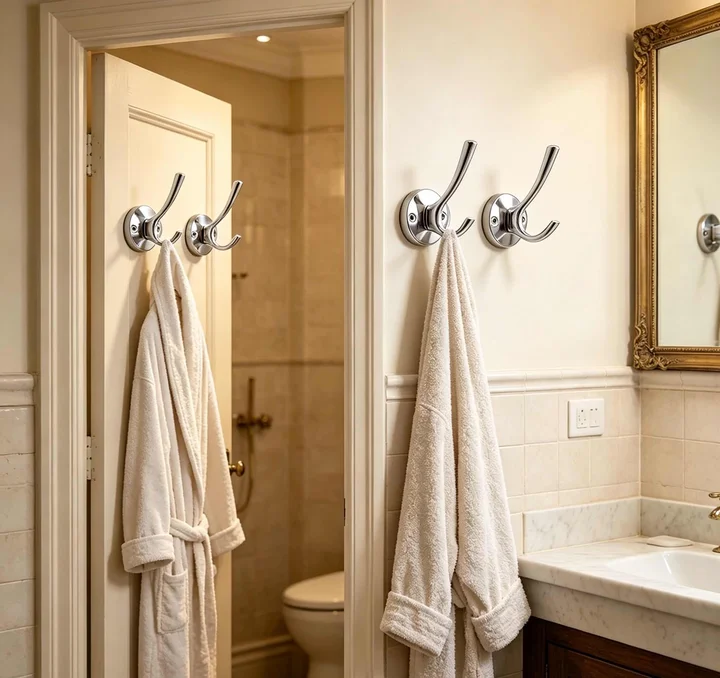
Zinc Alloy is widely used for restroom hardware because it supports precise die casting, clean surface finishing, andstrong shape consistency. For commercial spaces such as hotels, offices, schools, shopping centers, and transport facilities, these qualities help maintain both appearance and performance over time.
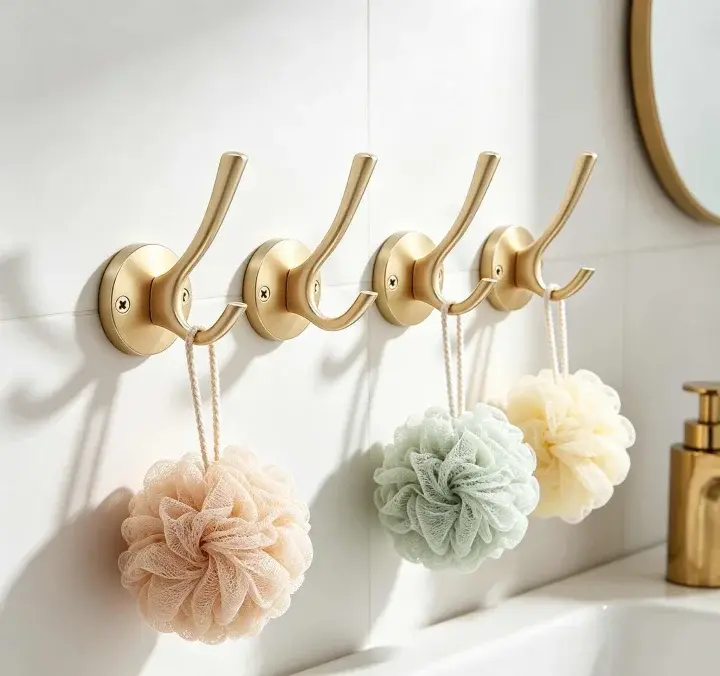
A Zinc Alloy Robe Hook can be produced with smooth curves, reinforced ribs, and compact mounting structures. This matters in public restrooms where users may hang coats, bags, uniforms, or personal items. Because Zinc Alloy fills detailed mold cavities with high stability, therefore manufacturers can create hooks that combine compact size with dependable structural strength.
Key Selection Factors for High-Traffic Restrooms
- The Robe Hook should have a reinforced mounting area so that it stays stable under repeated pulling and side pressure.
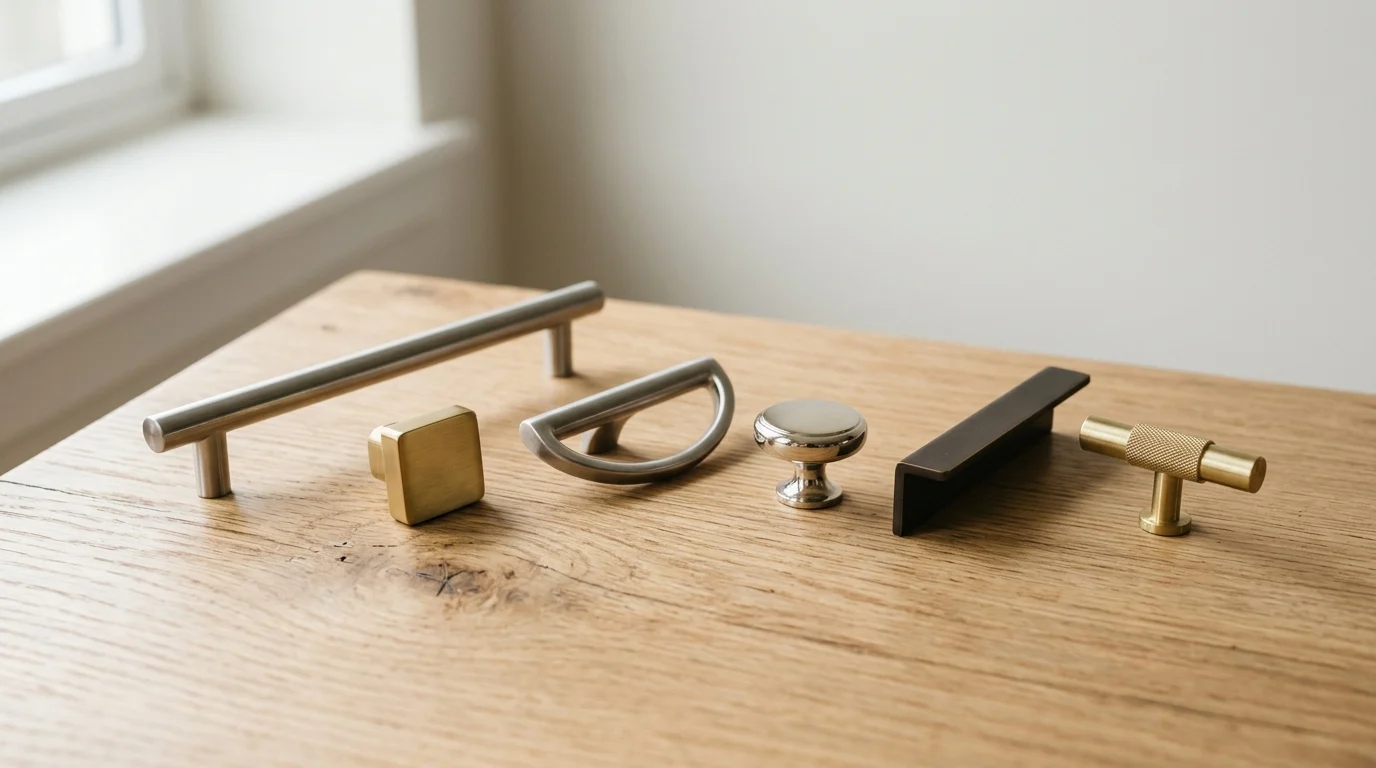
- The surface finish should resist moisture, fingerprints, and routine cleaning chemicals used in commercial maintenance.
- The hook shape should include rounded edges so that users are protected from scratches during fast restroom use.
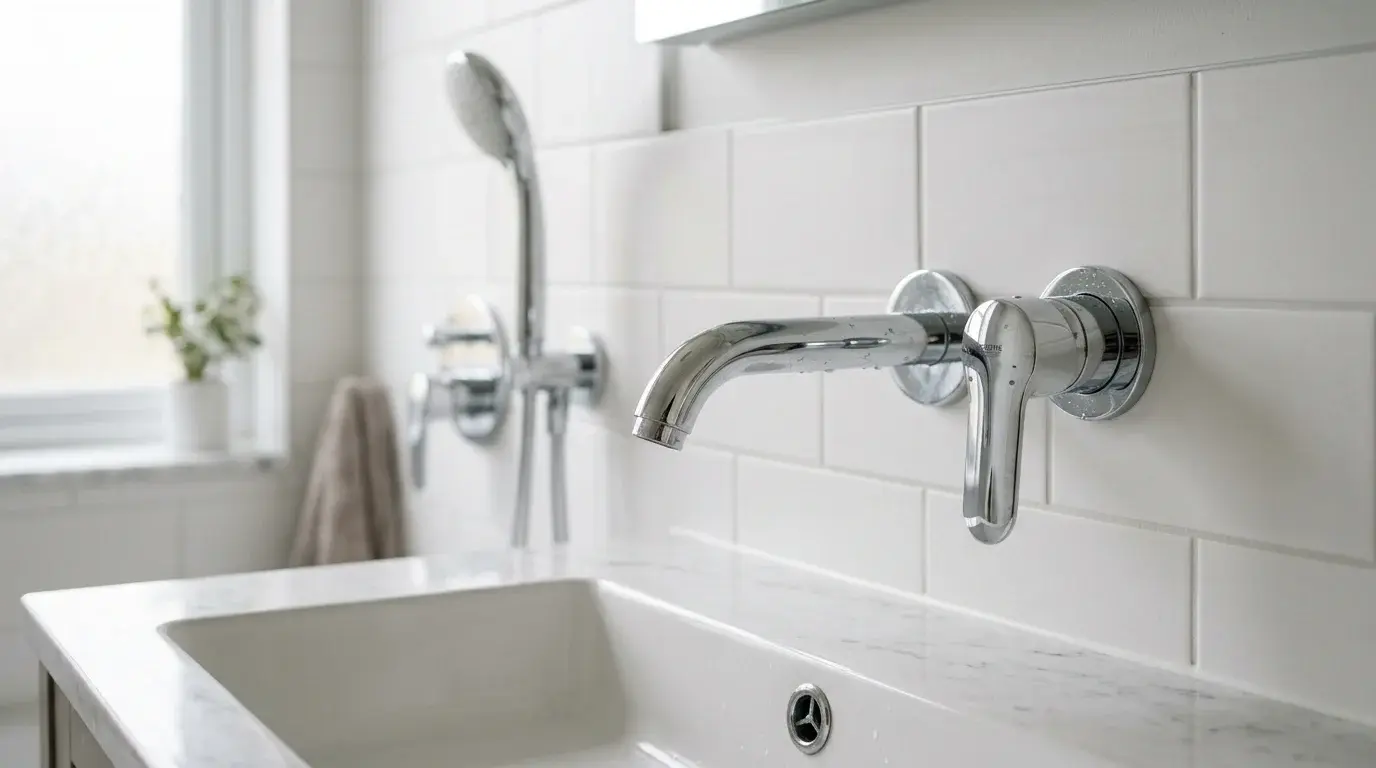
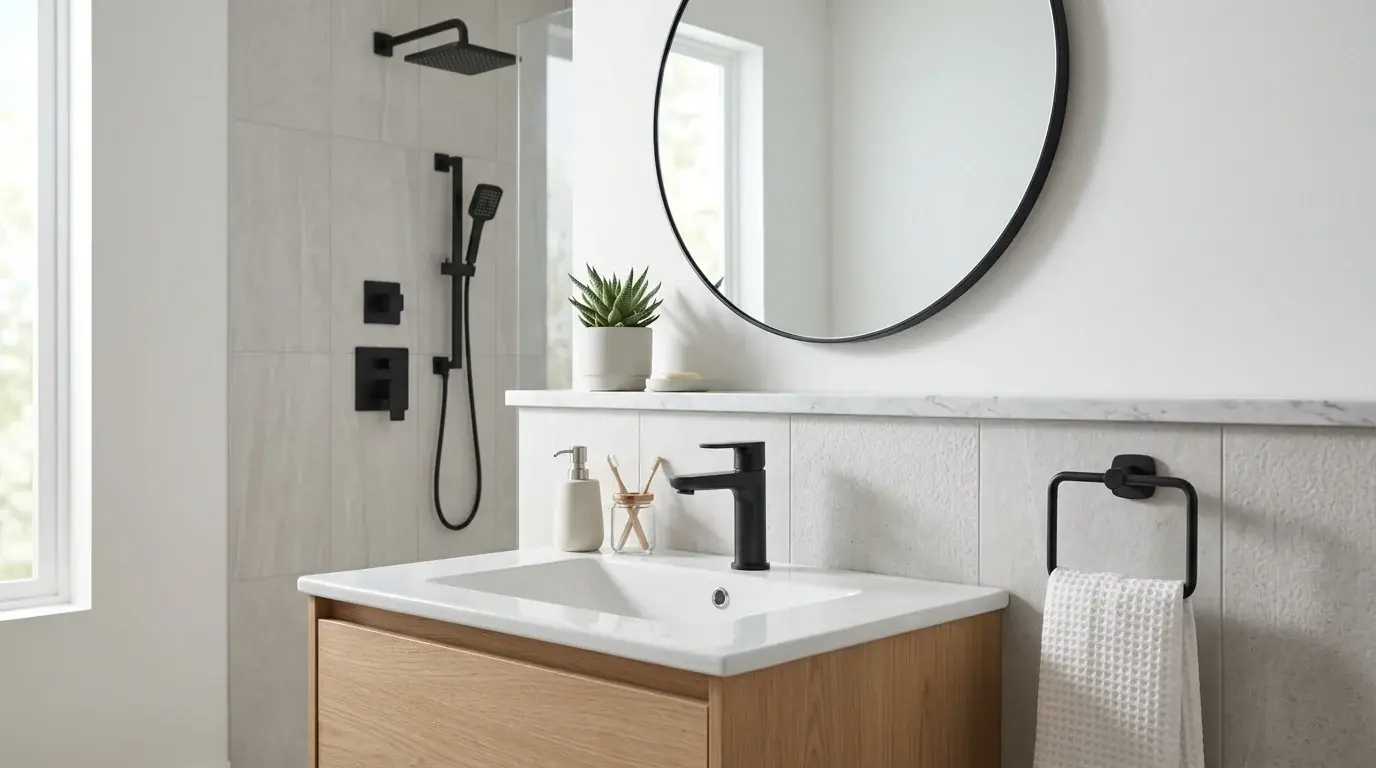
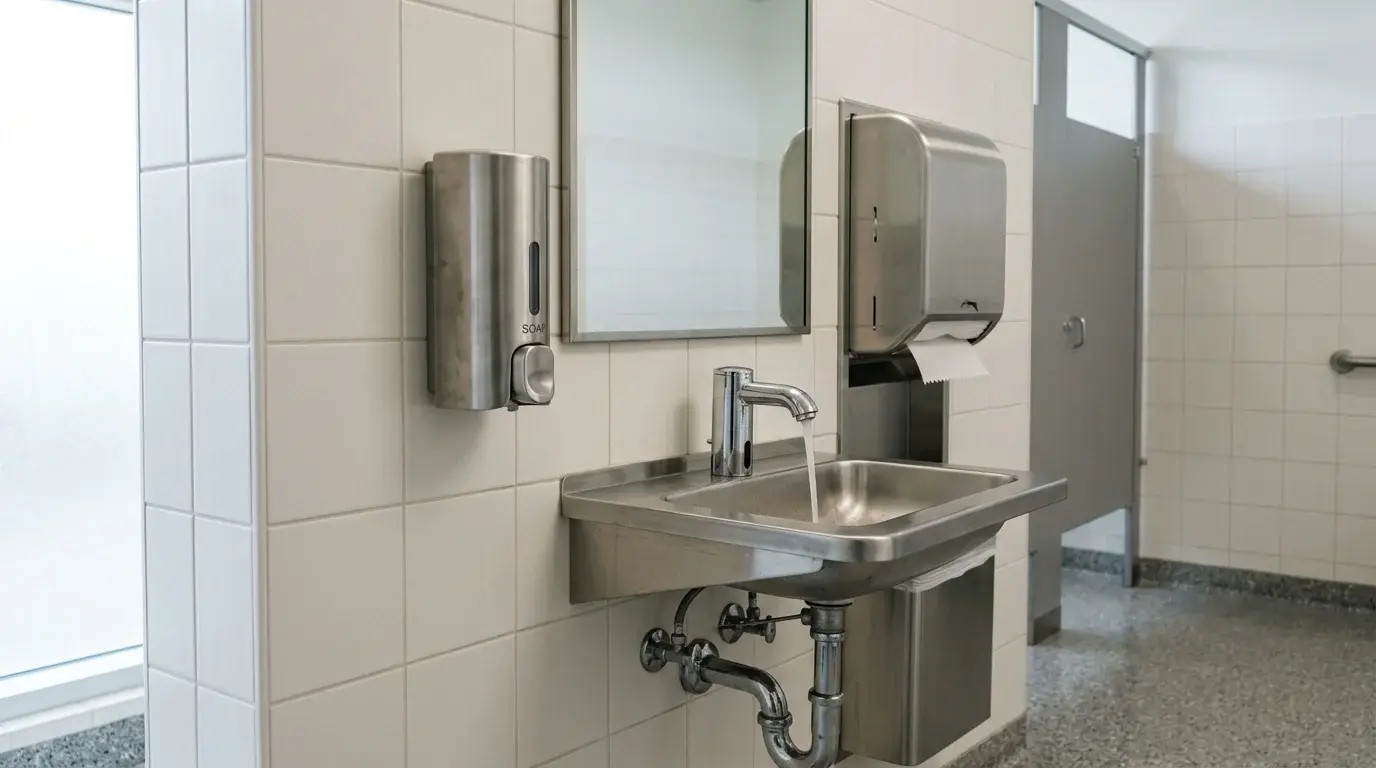
- The design should match nearby partitions, door hardware, faucets, and other visible restroom accessories.
Before choosing a supplier, review available product categories on the products page, check manufacturing background on the about page, and discuss project requirements through the contact page. In Part Two, we will compare finishes, mounting methods, and inspection details for commercial purchasing decisions.
Part 2: Market Overview, Statistics, and Industry Data
The commercial restroom accessories market is growing alongside hospitality, healthcare, education, retail, and transportation projects. According to Grand View Research, the global Bathroom Accessories market was valued at approximately USD 24.6 billion in 2023, with continued demand driven by renovation and commercial construction. Statista also reports that global construction output is projected to reach about USD 15.2 trillion by 2030, which supports long-term demand for durable restroom fixtures, including every Robe Hook installed in public facilities.
Because high-traffic commercial restrooms experience repeated pulling, impact, moisture exposure, and cleaning-chemical contact, therefore material selection directly affects replacement frequency and lifecycle cost. Zinc alloy is widely used because it can be die-cast into clean shapes, plated for corrosion resistance, and produced at a moderate cost compared with many premium stainless steel options.
| Material | Commercial Strength | Cost Position | Best Use Case |
|---|---|---|---|
| Zinc alloy | It offers solid strength for daily coat, bag, and garment hanging. | It usually sits in the mid-range cost category. | It is suitable for hotels, offices, schools, and retail restrooms. |
| Stainless steel | It provides excellent corrosion resistance and impact durability. | It is often more expensive than zinc alloy. | It is suitable for airports, stadiums, hospitals, and coastal facilities. |
| Plastic | It provides limited strength under heavy public use. | It is generally the lowest-cost option. | It is suitable for low-traffic or temporary installations. |
Industry standards also influence specification. The 2010 ADA Standards for Accessible Design guide mounting clearances and protruding-object concerns, while corrosion and finish durability are often evaluated through recognized methods such as ASTM B117 salt spray testing. Because a Robe Hook can become a frequent touchpoint in wet, crowded environments, therefore buyers should compare finish adhesion, mounting hardware, and load expectations instead of judging by appearance alone.
Part 3: Key Requirements, Standards, and Regulations
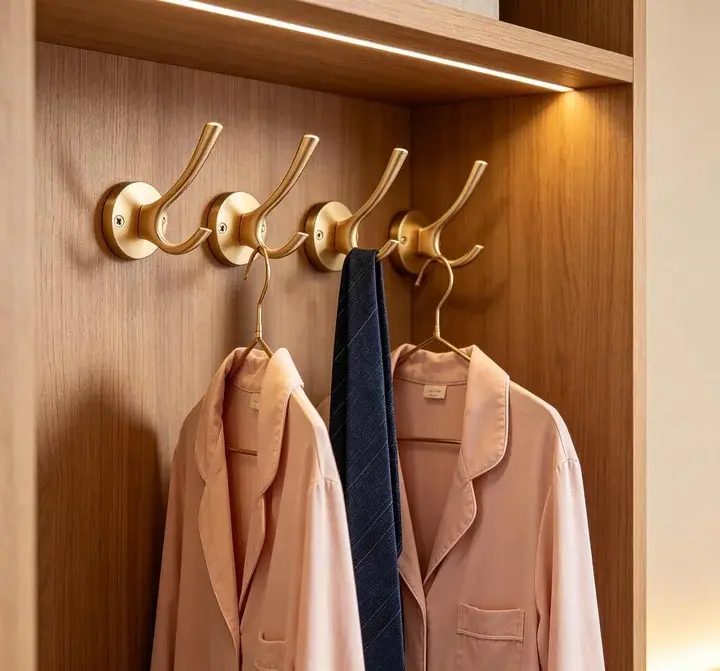
When specifying a Robe Hook for high-traffic commercial restrooms, compliance is not only about appearance or load capacity. Facility managers should confirm that the hook, its finish, mounting hardware, and installation method align with safety, accessibility, corrosion-resistance, and building-operation requirements.
| Requirement Area | Applicable Standard or Reference | What to Check for a Zinc Alloy Robe Hook |
|---|---|---|
| Electrical Safety | UL, ETL, CE, CB Scheme | Needed when the hook includes lighting, heating, sensors, or connected components. |
| Ventilation Environment | ASHRAE | Confirm restroom humidity control to reduce corrosion and finish degradation. |
| Accessibility | ADA or local accessibility codes | Verify mounting height, reach range, projection, and user access. |
| Material and Finish | ASTM, ISO, or project specifications | Review salt-spray resistance, plating thickness, and chemical-cleaner compatibility. |
How to Select the Best Zinc Alloy Robe Hooks for High-Traffic Commercial Restrooms
In high-traffic commercial restrooms, a Robe Hook is not a minor accessory; it is a repeated-contact fixture that affects durability, user convenience, maintenance cost, and perceived restroom quality. Facility managers should evaluate zinc alloy hooks by load capacity, coating performance, installation method, and resistance to tampering.
| Selection Factor | Expert Insight | Recommended Standard |
|---|---|---|
| Finish Quality | Choose chrome, brushed nickel, or powder coating with verified salt-spray performance. | ASTM B117 corrosion testing |
| Load Capacity | Specify hooks that support bags, coats, and accidental pulling without deformation. | Manufacturer load test data |
| Mounting Security | Use concealed screws and wall anchors suitable for tile, drywall, or partitions. | IFMA maintenance best practices |
| User Accessibility | Install at practical reach heights and avoid sharp projections. | ADA reach-range guidance |
Part 5: Case Studies and Real Examples
Case Study 1: Airport Terminal Restroom Retrofit
Challenge: A regional airport reported frequent hook loosening and finish peeling in restroom stalls serving more than 8,000 users per day. Stainless hooks were being replaced every 9 to 12 months due to vandalism, moisture exposure, and luggage impact.
Solution: The facility team selected a one-piece zinc alloy die-cast Robe Hook with reinforced ribs, concealed screw mounting, and a chrome-plated anti-corrosion finish. The supplier also adjusted the hook radius to reduce snagging from bags and coats.
Case Study 2: Shopping Mall Restroom Upgrade
Challenge: A large shopping mall needed a cost-effective Robe Hook for 320 restroom stalls. The previous hooks had inconsistent finishes and weak screw anchors, creating a poor appearance in premium retail areas.
Solution: The mall chose a custom zinc alloy die-cast hook with powder-coated matte black finishing, thicker mounting bosses, and batch-level surface inspection.
| Project | Main Challenge | Selected Robe Hook Solution | Measured Result |
|---|---|---|---|
| Airport Terminal | Vandalism, impact, frequent loosening | Reinforced zinc alloy hook with concealed screws | 72% fewer replacements in 18 months |
| Shopping Mall | Weak anchors, poor finish consistency | Custom die-cast hook with matte powder coating | 34% lower annual maintenance cost |
Part 6: Quality Control and Verification Methods
- Material verification: Confirm that the hook is made from qualified zinc alloy, with no visible porosity, cracks, or casting defects.
- Surface finish inspection: Check plating thickness, coating adhesion, and corrosion resistance.
- Dimensional control: Verify hole spacing, wall plate flatness, and mounting stability.
- Load and pull testing: Test under repeated downward and outward force.
- Batch documentation: Request inspection reports and production records.
| Verification Item | Recommended Method | Acceptance Criteria |
|---|---|---|
| Material quality | Supplier material report and random visual inspection | No cracks, voids, or weak casting marks |
| Finish durability | Salt spray or humidity exposure test | No peeling, blistering, or excessive discoloration |
| Mounting strength | Static load and pull-force test | Hook remains secure without deformation |
| Dimensional accuracy | Caliper measurement and installation trial | Fits specified screws and mounting template |
Part 7: Common Mistakes and How to Avoid Them
1. Choosing Hooks Based on Price Alone
The solution: Compare total value, not just unit price. Check zinc alloy density, finish quality, load capacity, and warranty terms.
2. Ignoring the Finish and Corrosion Resistance
The solution: Select finishes designed for commercial environments, such as chrome, brushed nickel, or PVD-treated surfaces.
| Mistake | Better Solution |
|---|---|
| Selecting the cheapest hook without checking material thickness | Choose zinc alloy hooks with verified strength and commercial-grade mounting hardware |
| Using a finish that cannot resist humidity or chemicals | Specify corrosion-resistant plating and confirm maintenance instructions |
| Installing hooks only into drywall | Use wall anchors, backing plates, or solid blocking for secure installation |
Part 8: FAQ & Conclusion
What is the best Robe Hook material for high-traffic commercial restrooms?
The best Robe Hook material for high-traffic commercial restrooms is durable zinc alloy with a reliable plated or powder-coated finish.
How do I choose a Robe Hook that will not loosen quickly?
Choose a Robe Hook with a solid mounting base, strong screws, and a design suitable for repeated pulling and hanging.
Why is zinc alloy commonly used for commercial Robe Hook products?
Zinc alloy is commonly used for commercial Robe Hook products because it supports precise die casting, smooth surfaces, and strong structural performance.
Conclusion
Selecting the right zinc alloy Robe Hook for high-traffic commercial restrooms depends on three key takeaways: choose durable material and corrosion-resistant finishes, verify secure mounting and load performance, and work with a supplier that understands commercial restroom demands. This guide is written by Mr.Tong, Technical Director.
Need Help Choosing the Right Robe Hook?
Ready to source durable zinc alloy Robe Hook solutions for your commercial restroom project? Contact HZ Die Casting today for technical support and quotation assistance:
https://www.huazhuprecision.com//contact/
Contact Mr. Tong for expert guidance:
https://www.facebook.com/people/Ningbo-Huazhu-Precision-Machinery-CO-Ltd/61586937534622/