

Introduction
In contemporary interiors, luxury often shows up in the smallest details, and Furniture Hardware is one of the clearest signals. Minimalist pulls, concealed hinges, and near-invisible drawer systems do more than keep lines clean: they reveal how well a piece is designed, built, and finished. Because there is so little visual distraction, performance matters more—smooth motion, quiet soft-close action, tight tolerances, and durable materials all become part of the aesthetic. This article examines how minimalist hardware shapes a premium look and feel, what separates high-end components from basic versions, and which design choices make modern furniture feel genuinely refined.
Why Minimalist Furniture Hardware Signals Luxury
When I walk into a high-end contemporary space, the first thing I notice isn't the massive sectional or the statement lighting—it's the hardware. Or rather, the distinct lack of it. Minimalist Furniture Hardware has steadily become a defining feature in modern interior design. It whispers luxury instead of shouting it, proving that you don't need ornate, over-the-top embellishments to convey value.
But here is the catch: when you strip away the decorative elements, every single functional flaw becomes glaringly obvious. Minimalist design is completely unforgiving. Without heavy ornamentation to distract the eye, the quality of the raw materials, the precision of the engineering, and the flawlessness of the finish must carry the entire weight of the design's premium appeal.
Defining luxury beyond appearance
Luxury isn't just about how a piece catches the light; it's heavily dictated by how it feels and sounds in daily use. When I pull open a heavy, solid oak drawer, I expect absolute silence and a buttery-smooth glide. We are talking about strict acoustic profiles where premium soft-close mechanisms must operate consistently under 30 decibels.
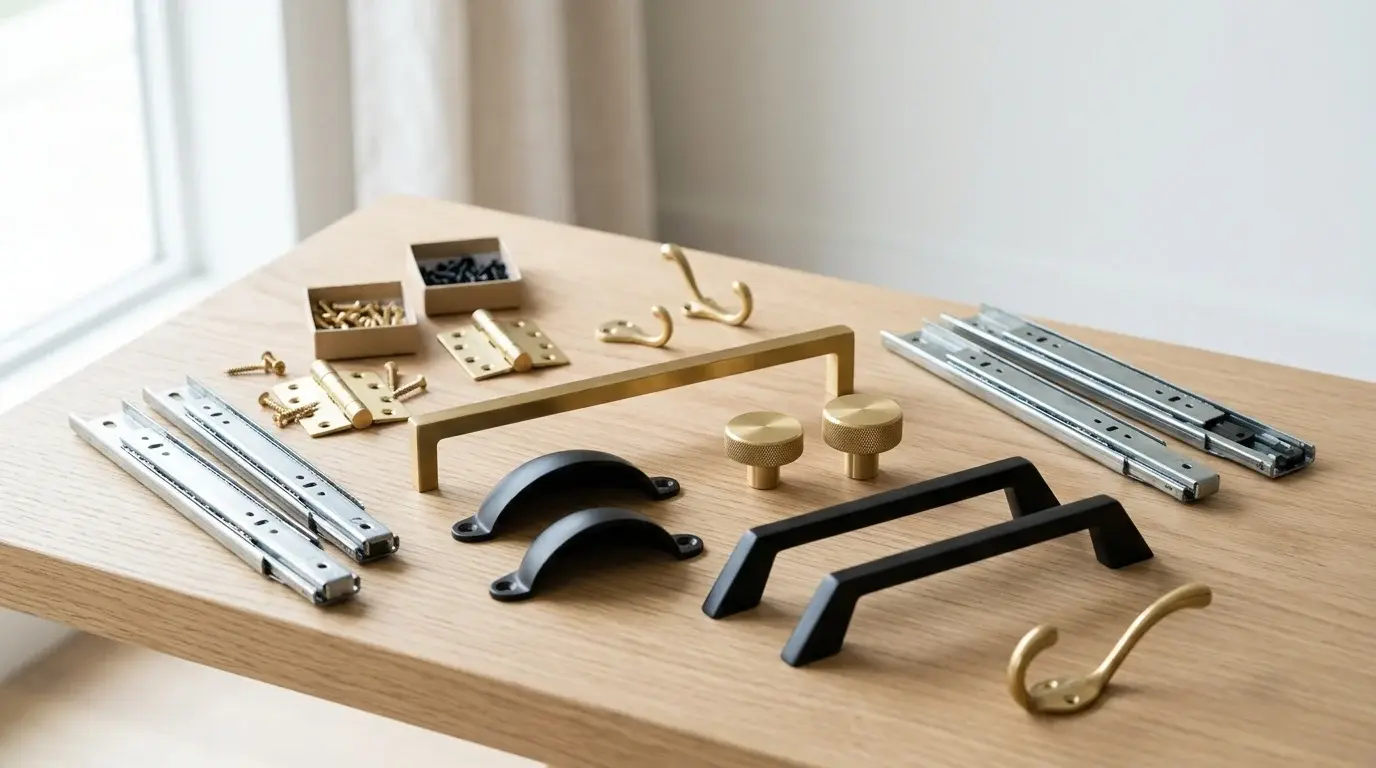
Achieving this level of quiet elegance requires precision-engineered Invisible Hinges and runners that don't just hold static weight, but actively manage kinetic energy flawlessly. The tactile resistance—perhaps needing exactly 15 Newtons of pull force to initiate opening—tells the user immediately that they are interacting with a high-caliber product engineered for longevity.
Minimal details that shape premium perception
The true magic of minimalism lies in the unforgiving nature of its details. If you're designing a credenza with Flush Pulls, there is zero room to hide a sloppy routing job or a misaligned edge. I always scrutinize the gap consistencies between the hardware and the wood.
Premium perception is built entirely on manufacturing tolerances tighter than +/- 0.2mm. When a sleek metal handle sits perfectly flush with a matte cabinet face, it stops being a mere accessory and transforms into an integrated, intentional part of the architecture. It is this millimeter-perfect alignment that subconsciously signals high-end craftsmanship to the buyer.
How to Evaluate Minimalist Furniture Hardware
So, how do we separate the genuinely premium pieces from the cheap knockoffs posing as minimalist? Over the years, I've learned that evaluating minimalist hardware requires looking right past the sleek lifestyle photography and digging straight into the engineering specifications.
You have to handle the product, test its physical limits, and verify the materials. A beautiful design means nothing if the underlying metallurgy and coating processes can't withstand the rigors of daily human interaction.
Materials, finishes, tolerances, and touchpoints
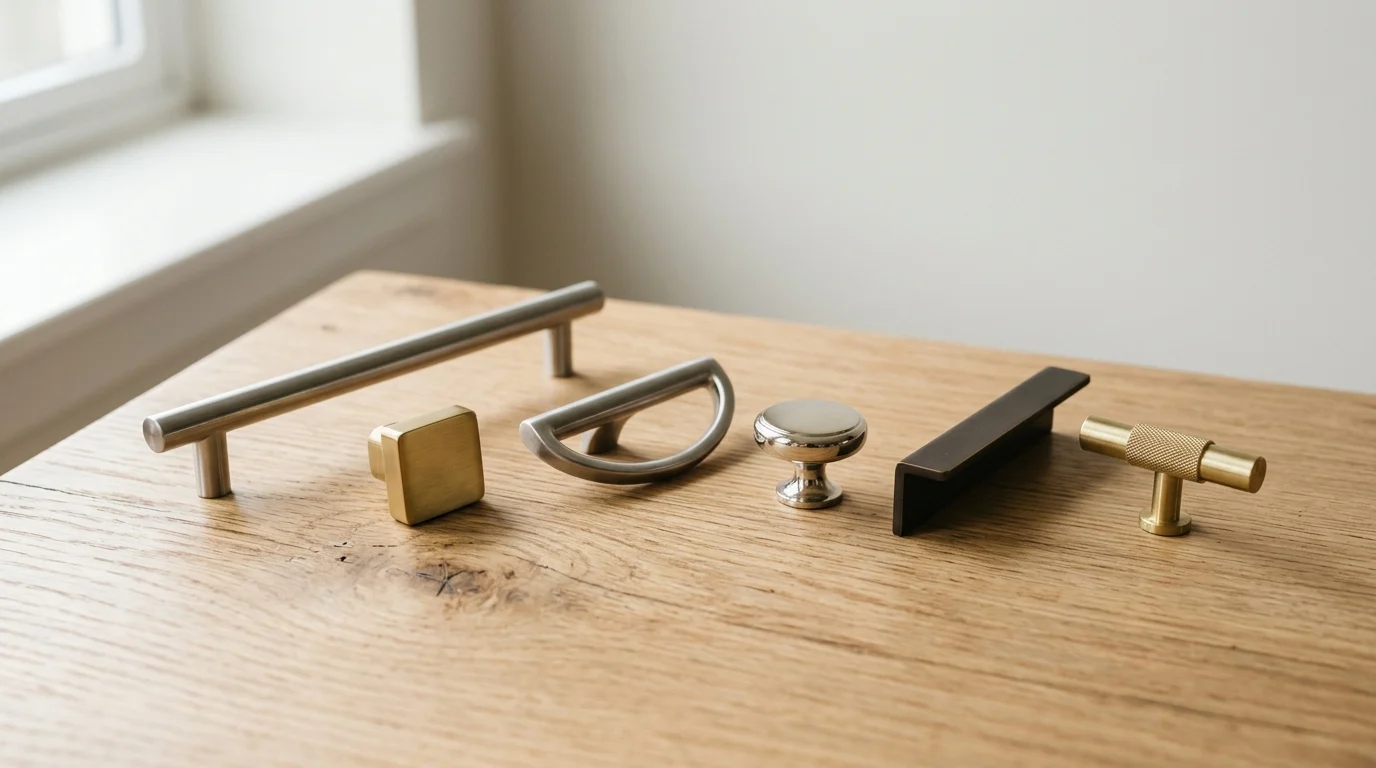
It all comes down to the touchpoints and material integrity. A hollow, lightweight handle betrays itself the second you grab it. I consistently specify solid brass or high-density zinc alloys for items like T-Bar Knobs because that physical, concentrated weight signals immediate quality to the brain.
Finishes matter just as much as the core material. Instead of standard, easily chipped electroplating, I specifically look for PVD (Physical Vapor Deposition) coatings. A high-end PVD layer might only be 0.3 to 0.5 microns thick, but it increases scratch and corrosion resistance exponentially. This ensures that delicate-looking Slimline Handles remain completely pristine even after enduring 50,000 actuation cycles in a busy kitchen.
A practical comparison framework
To keep things organized when sourcing for complex interior builds, I use a basic comparative framework to weigh aesthetics against installation realities. Here is how I typically break down the options for contemporary custom cabinetry:
| Hardware Type | Key Metric / Tolerance | Visual Profile | Typical Lifecycle |
|---|---|---|---|
| Hidden Drawer Runners | 30kg - 40kg dynamic load | Completely concealed | 80,000+ cycles |
| Edge-Mounted Pulls | 1.5mm - 2mm panel gap | Ultra-low profile | 50,000+ cycles |
| Recessed Flush Pulls | +/- 0.15mm routing tolerance | Flush with surface | 100,000+ cycles |
This framework helps me quickly determine if a specific piece fits the structural demands of the project. For instance, if I need a deep drawer to hold heavy cast-iron cookware, the 40kg dynamic load rating takes precedence over everything else, dictating exactly which hidden runner I can safely specify.
How to Choose the Right Furniture Hardware Partner
Finding the right hardware is only half the battle; finding the right manufacturing partner to bring it to life is where the real work begins. You need a supplier who understands that minimalist design requires maximum precision from the factory floor all the way to the final packaging.
Without a reliable partner, even the best designs will suffer from inconsistent finishes, loose tolerances, and frustrating supply chain delays.
Steps for aligning custom hardware with project goals
When I'm aligning custom hardware with a new project, I start by auditing the manufacturer's operational capabilities. A great partner—much like Ningbo Huazhu Precision Machinery Co., Ltd., which has been systematically refining its craft since 2007 and rebranded in 2015 as a full-service enterprise—will integrate R&D seamlessly with production.
For custom minimalist pieces, I usually expect a rapid prototyping lead time of 15 to 20 days. You also need to negotiate Minimum Order Quantities (MOQs) early in the process. Custom architectural finishes or bespoke dimensions often require MOQs ranging from 500 to 1,000 units, so factoring this into your project's overall scale and budget is absolutely crucial to avoid bottlenecks.
Balancing luxury, function, and cost
Balancing luxury aesthetics, daily function, and production cost is the ultimate tightrope walk in our industry. You might want the heavy, premium feel of CNC-machined solid brass, but the budget dictates high-pressure zinc die-casting. A capable manufacturer can guide you through these material trade-offs without sacrificing the final minimalist look.
I always hold my partners to strict quality control standards, demanding a near-zero defect rate.
Key Takeaways
- The most important conclusions and rationale for Furniture Hardware
- Specs, compliance, and risk checks worth validating before you commit
- Practical next steps and caveats readers can apply immediately
Frequently Asked Questions
What makes minimalist furniture hardware feel luxurious?
Luxury comes from precision: tight tolerances, silent soft-close action, solid metal weight, and flawless finishes. In minimalist interiors, even small alignment or coating defects are easy to see.
Which materials work best for contemporary minimalist hardware?
Solid brass and high-density Zinc Alloy are strong choices. They provide a premium feel, durable performance, and clean lines suited to modern cabinetry and furniture.
Why are hidden hinges and drawer runners popular in minimalist design?
They keep sightlines clean and reduce visual clutter. On contemporary cabinets, concealed hardware also supports the seamless, built-in look associated with high-end interiors.
How can I check the quality of furniture hardware before buying?
Look for smooth operation, consistent gaps, solid weight, durable PVD finishes, and clear cycle/load specs. On www.huazhuprecision.com, product details can help compare these practical benchmarks.
What tolerance should I expect for flush pulls and slimline handles?
For premium results, aim for very tight fitment, typically around +/-0.2mm or better. This helps flush pulls and slimline handles sit cleanly without visible misalignment.