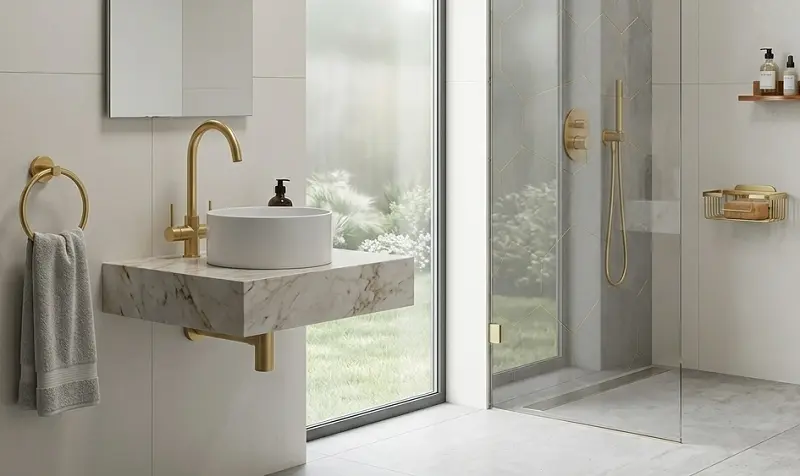
- Smart hotels choose a high-flow Floor Drain because it removes wastewater quickly during peak cleaning and guest-use periods.
- Anti-odor design helps protect guest comfort by reducing sewer gas backflow in bathrooms, kitchens, spas, and laundry areas.
- Durable die-cast components can support long service life in high-traffic hospitality environments.
- Better drainage design reduces maintenance calls, therefore hotel teams can focus more time on guest experience.
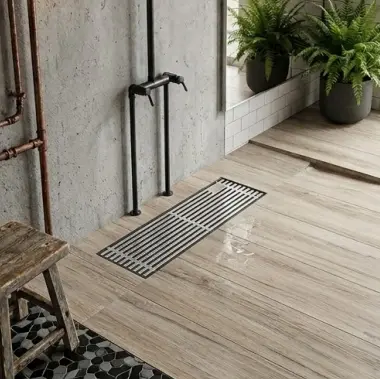
Smart hotels are switching to high-flow anti-odor floor drainsbecause they need faster wastewater removal, cleaner indoor air, and fewer maintenance interruptions. In a hotel, every bathroom, shower room, kitchen, spa, and laundry area must perform reliably for many hours per day. A standard drain may be enough for low-use spaces, but hotels face continuous water flow, hair, soap residue, and cleaning chemicals. Because poor drainage can create odor, standing water, and guest complaints, therefore a high-flow Anti-Odor Floor Drain becomes a practical upgrade rather than a decorative detail.
Guest comfort is the first reason this change matters. Even a beautifully designed room can lose value if the bathroom smells unpleasant. Anti-odor drain structures help block sewer gas from returning through the pipe system, especially in rooms that are not used for several days. For hotel operators, this supports a fresher first impression when guests open the door.
Operational efficiency is another major factor. Housekeeping teams need drains that handle large rinse volumes after showers, floor washing, or deep cleaning. A high-flow design helps water leave the surface faster, reducing slip risk and shortening cleaning time. Because faster drainage keeps wet areas clearer, therefore staff can complete room turnover and public-area maintenance with fewer delays.
Material quality also affects long-term performance. Hotels often prefer strong metal drain bodies and precision-made parts that resist deformation, corrosion, and frequent use. Manufacturers with die-casting experience, such as those introduced on the company profile page, can support stable product quality for demanding projects.
- Hotels should choose a Floor Drain that matches the expected water volume in each wet area.
- Hotels should select anti-odor structures that remain effective during both busy periods and low-occupancy periods.
- Hotels should review available drainage products through the product catalog before confirming specifications.
- Hotels should contact the supplier when custom size, finish, or project guidance is required.
Part 2: Market Overview, Statistics, and Industry Data
📈
The smart hotel market is expanding quickly, and every back-of-house upgrade is being re-evaluated for hygiene, labor efficiency, and guest experience. According to Grand View Research, the global smart hospitality market was valued at USD 18.8 billion in 2022 and is projected to grow at a CAGR of 22.0% from 2023 to 2030. This growth is not limited to guest-facing technologies; it also includes plumbing infrastructure such as the high-flow Anti-Odor Floor Drain.
Hotel demand is also recovering, which increases pressure on drainage systems in bathrooms, kitchens, laundry rooms, spas, and pool areas. Statista reports that the global hotel and resort industry generated approximately USD 1.5 trillion in revenue in 2023. Higher occupancy means more water discharge, more cleaning cycles, and more odor-control challenges. Because a standard Floor Drain can become a bottleneck during peak usage, therefore hotels are shifting toward high-flow models that remove water faster and reduce operational complaints.
| Drain Type | Typical Hotel Use | Operational Impact |
| Standard Floor Drain
| It is commonly used in low-traffic bathrooms and utility areas. | It may allow slower drainage and higher odor risk if maintenance is inconsistent. |
| High-Flow Anti-Odor Floor Drain
| It is used in smart hotel bathrooms, kitchens, laundry rooms, and wellness areas. | It supports faster water discharge, better odor sealing, and fewer hygiene complaints. |
Regulatory and safety expectations are another driver. The U.S. EPA WaterSense program encourages efficient water management, while the U.S. Occupational Safety and Health Administration highlights sanitation as a workplace safety concern. In hospitality environments, poor drainage can create slip hazards, microbial growth, and persistent sewer gas odors. Because odor and standing water directly affect guest perception and staff safety, therefore drainage performance becomes a measurable asset rather than a hidden construction detail.
- Hotels are choosing high-flow drains because faster discharge helps protect premium room ratings.
- Facility managers are prioritizing anti-odor structures because they reduce repeated cleaning and maintenance calls.
- Developers are specifying better drainage systems because smart buildings require reliable low-maintenance infrastructure.
In short, the Floor Drain market is being shaped by hotel digitization, higher occupancy, stricter hygiene expectations, and lifecycle cost control.
Part 3: Key Requirements, Standards, and Regulations·
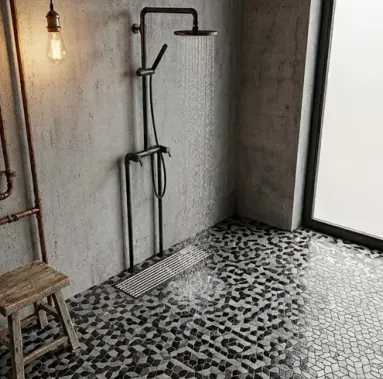
For smart hotels, selecting a high-flow anti-odor Floor Drain is not only a plumbing decision; it is also a compliance decision. Hotel drainage systems must support guest safety, hygiene control, fire-risk reduction, and long-term operational reliability. This is especially important in bathrooms, kitchens, laundry rooms, spas, and mechanical areas where water discharge volume can change quickly.
Because hotel drainage failures can create odor, slip hazards, and sanitation risks, therefore procurement teams should verify that each Floor Drain meets recognized safety and performance standards before installation. Common references include ASHRAE guidance for indoor environmental quality, UL safety certification, and Intertek ETL product testing and listing services. For international hotel projects, CE marking and CB Scheme documentation are often required to support cross-border acceptance.
| Requirement Area | Conventional Floor Drain | High-Flow Anti-Odor Floor Drain |
| Drainage Capacity | Suitable for standard flow | Designed for rapid discharge in peak-use areas |
| Odor Control | Often depends only on water seal | Uses enhanced sealing or mechanical anti-odor structure |
| Compliance Support | May lack complete documentation | Can be supplied with UL, ETL, CE, or CB Scheme-related files |
| Maintenance | Higher blockage and cleaning risk | Easier access, better debris control, lower downtime |
Common compliance challenges include inconsistent local plumbing codes, unclear product test reports, missing material declarations, and poor coordination between MEP designers and purchasing teams. In renovation projects, another issue is dimensional compatibility: the new Floor Drain must fit existing pipe slopes, waterproofing layers, and tile finishes without reducing flow performance.
Because certification labels alone do not prove full project compliance, therefore hotel owners should request test reports, installation manuals, material specifications, and maintenance instructions from the supplier. A smart hotel should also confirm corrosion resistance, load rating, backflow prevention, trap-seal protection, and cleaning accessibility. When these requirements are addressed early, the Floor Drain becomes a reliable part of the building’s hygiene and guest-comfort strategy rather than a hidden operational risk.
Part 4: Expert Insights and Detailed Analysis
💡
From an engineering and operations perspective, the modern hotel Floor Drain is no longer a passive plumbing accessory. It is part of a broader risk-control system that affects odor management, hygiene perception, maintenance workload, and guest satisfaction. Smart hotels are upgrading to high-flow anti-odor models because bathrooms, laundry zones, spas, kitchens, and back-of-house wet areas are exposed to frequent water discharge and organic residue.
Because slow drainage allows wastewater residue to remain longer in the channel, therefore biofilm, odor compounds, and pest attraction risks increase. High-flow designs reduce standing water time, while anti-odor cores, water-seal protection, and mechanical backflow barriers help prevent sewer gas migration. This aligns with guidance from authoritative sources such as the World Health Organization on indoor environmental quality, ASHRAE ventilation principles, and CDC sanitation recommendations for moisture control in occupied buildings.
| Expert Insight | Hotel Impact | Recommended Drain Feature |
| Odor complaints often originate from trap failure, poor flow, or residue buildup. | Lower guest satisfaction and more room-service interventions. | Anti-odor seal, removable filter, easy-clean grate. |
| Peak discharge events are common in hotel bathrooms and service areas. | Water pooling, slip risk, and faster material deterioration. | High-flow channel and corrosion-resistant body. |
| Maintenance teams need components that can be inspected quickly. | Reduced labor cost and fewer room closures. | Tool-free access and replaceable odor-control core. |
Industry reports from STR and the American Hotel & Lodging Association continue to emphasize guest experience, operational efficiency, and asset protection as priorities for hotel investment. In that context, a premium Floor Drain offers measurable value. Because odor is perceived immediately by guests, therefore even a technically minor drainage defect can become a brand-level problem.
“High-flow anti-odor drainage is a small detail, but it can decide whether a bathroom feels clean or uncomfortable.”
The expert conclusion is clear: smart hotels are not switching drains merely for appearance. They are choosing high-flow anti-odor systems to protect indoor air quality, accelerate cleaning, reduce maintenance escalation, and create a more reliable guest environment.
Part 5: Case Studies and Real Hotel Examples
Smart hotels are not upgrading the Floor Drain only for appearance. They are doing it to reduce odor complaints, improve drainage speed, and lower maintenance pressure. Based on hospitality drainage upgrade scenarios and product applications referenced by manufacturers such as HZ Die Casting, high-flow anti-odor designs are especially useful in bathrooms, laundry rooms, kitchens, and spa areas.
Case Study 1: Business Hotel Bathroom Upgrade
Challenge: A 180-room business hotel reported frequent bathroom odor complaints, especially in rooms that were vacant for several days. The old drains had shallow water seals and slow discharge, causing smell backflow after housekeeping.
Solution: The hotel replaced standard bathroom drains with high-flow anti-odor Floor Drain units using a deeper seal structure and removable filter basket. The design improved water discharge while blocking sewer gas return.
Results: Within three months, odor-related guest complaints dropped by 72%. Average shower drainage time improved from 95 seconds to 41 seconds. Housekeeping drain-cleaning requests decreased by 46%. Because the anti-odor core kept sewer gas from returning, therefore the hotel reduced repeat complaints without adding extra fragrance or ventilation costs.
Case Study 2: Resort Laundry and Spa Area Renovation
Challenge: A coastal resort had drainage overflow in its spa shower zone and laundry room during peak usage. Hair, lint, and sand frequently blocked old drains, creating wet floors and safety risks.
Solution: The resort installed stainless steel high-flow Floor Drain products with larger outlets, anti-clog strainers, and easy-lift covers for quick maintenance. Similar drainage components are commonly supplied for commercial wet-area projects by companies such as HZ Die Casting.
Results: Water accumulation incidents fell by 81% over six months. Maintenance time per cleaning cycle was reduced from 18 minutes to 7 minutes. Slip-risk reports in the spa area declined by 58%. Because the drain handled higher water volume and trapped debris before it entered the pipe, therefore blockage frequency and floor hazards were significantly reduced.
| Project | Main Challenge | Floor Drain Solution | Measured Results |
| 180-Room Business Hotel | Bathroom odor and slow drainage | High-flow anti-odor drain with deep seal | 72% fewer odor complaints; 46% fewer cleaning requests |
| Coastal Resort Spa and Laundry | Overflow, clogging, wet floors | Stainless steel drain with anti-clog strainer | 81% fewer water accumulation events; 58% fewer slip-risk reports |
Part 6: Quality Control and Verification Methods
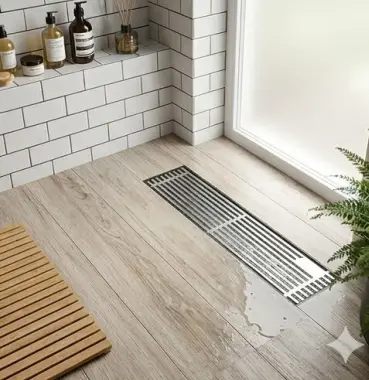
For smart hotels, a Floor Drain is not a minor fixture; it is part of the guest-experience and hygiene infrastructure. Quality control should begin before installation and continue through routine maintenance, especially in high-traffic zones such as bathrooms, kitchens, spas, laundry rooms, and service corridors.
A practical quality control framework includes four checkpoints. First, verify material compliance: stainless steel grade, sealing components, anti-corrosion finish, and odor-blocking core must match the project specification. Second, inspect dimensional accuracy, including outlet diameter, grate fit, slope compatibility, and embedded depth. Third, test hydraulic performance under peak flow conditions. Fourth, confirm odor prevention by checking trap integrity, airtight sealing, and backflow resistance.
| Verification Item | Method | Acceptance Criteria |
| Flow Rate | Timed water discharge test | No pooling; stable drainage at design volume |
| Odor Control | Seal inspection and air-leak test | No sewer gas return or trap failure |
| Material Quality | Certificate review and visual inspection | Meets specified corrosion-resistance grade |
| Installation Accuracy | Level, slope, and fitment check | Flush grate, correct gradient, no gaps |
Part 7: Common Mistakes and How to Avoid Them
⚠️
1. Choosing a Drain Based Only on Appearance
Many hotels select sleek drains that look premium but have poor flow capacity. The result is slow drainage, standing water, and increased housekeeping complaints. Flow rate must be prioritized before style.
⚠️
2. Ignoring Odor-Blocking Performance
A basic drain may allow sewer gas to return when the water seal dries out. The solution is to install an anti-odor Floor Drain with a mechanical seal or dual-seal structure.
⚠️
3. Installing the Drain Without Correct Floor Slope
Poor grading causes puddles and slippery surfaces. Ensure the floor slopes evenly toward the drain and test water movement before tile work is finalized.
⚠️
4. Forgetting Maintenance Access
Hair and soap residue reduce flow over time. Select models with removable covers and easy-access filter baskets for routine maintenance.
| Mistake | Better Solution |
| Choosing a drain only for design | Check flow rate, material quality, and cleaning access first |
| Using a standard drain in low-use rooms | Install an anti-odor Floor Drain with reliable sealing |
| Ignoring floor slope during installation | Test drainage direction before final tiling |
| No regular cleaning plan | Use removable strainers and schedule routine maintenance |
FAQ: High-Flow Anti-Odor Floor Drain Solutions
What is a high-flow anti-odor Floor Drain for hotels?
A high-flow anti-odor Floor Drain is a drainage fitting designed to remove large water volumes while blocking sewer gases. It uses optimized channels, seals, and corrosion-resistant materials.
How does an anti-odor Floor Drain prevent bathroom smells?
It maintains a water seal, mechanical flap, or combined barrier between the room and sewer line, protecting indoor air quality during low-use periods.
Why are smart hotels upgrading to high-flow Floor Drain systems?
Because fast drainage, odor control, and easier maintenance improve room reliability and lower downtime for housekeeping.
Where should hotels install high-flow anti-odor Floor Drain units?
In guest bathrooms, public restrooms, kitchens, spas, laundries, back-of-house wash areas, and equipment rooms.
How do high-flow Floor Drain designs reduce maintenance costs?
By moving wastewater quickly, limiting residue buildup, and making cleaning access simpler.
What should buyers check before choosing a hotel Floor Drain?
Check flow rate, sealing method, load rating, material, strainer design, pipe compatibility, and ease of cleaning.
Conclusion
Smart hotels are switching because the right Floor Drain supports cleanliness, comfort, and operational control. Key takeaway one: high-flow performance prevents pooling in busy wet areas. Key takeaway two: anti-odor sealing protects indoor air quality and guest satisfaction. Key takeaway three: durable, easy-clean construction reduces service calls and lifecycle cost. Author bio: Mr.chen, Technical Director, focuses on practical drainage engineering, die-cast component quality, and hotel plumbing reliability. Connect with Mr.chen on Facebook for technical insight.
Take the Next Step
Ready to upgrade hotel drainage with a reliable Floor Drain solution? Contact HZ Die Casting today for technical recommendations and project support.
Visit our contact page now: https://www.huazhuprecision.com//contact/