


Top 10 Shower Hinge Stories: Always Choose Wisely for Your Bathroom
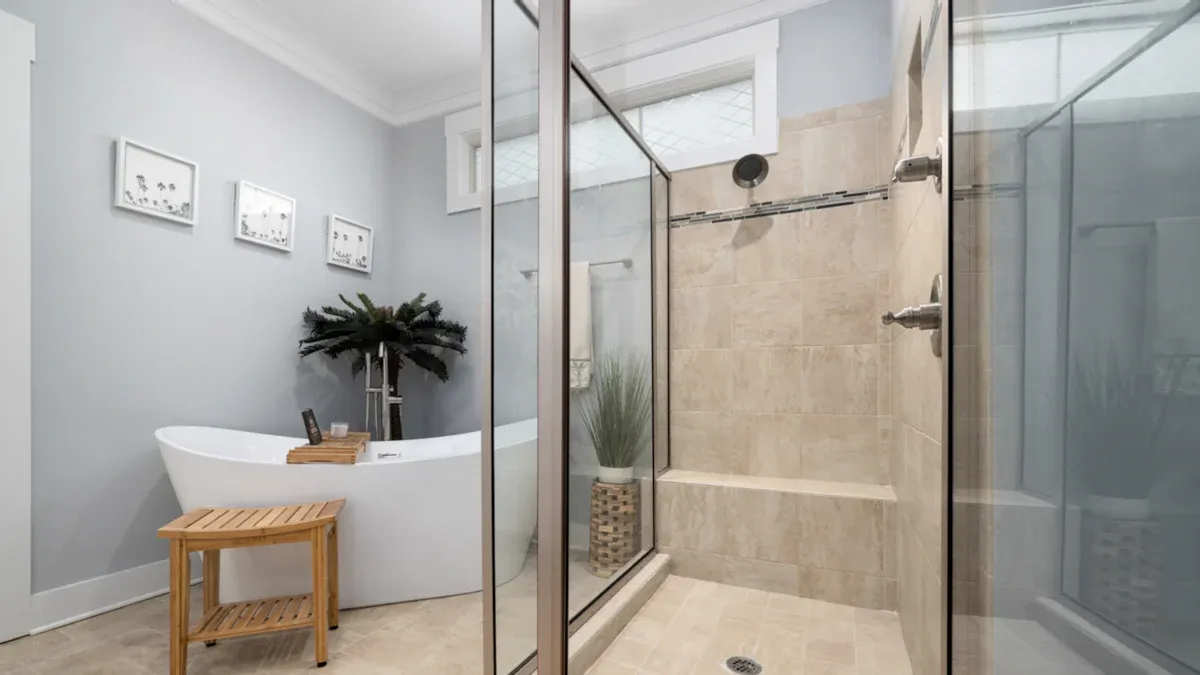
Selecting the correct Shower Hinge is essential for optimal bathroom functionality. A high-quality hinge ensures smooth operation and reliable support for your shower door. The right Shower Glass Hinge also significantly enhances the bathroom's aesthetic appeal, contributing to a sleek and modern look. Customers make an informed decision for lasting satisfaction, guaranteeing durability and style in their space.
Key Takeaways
- Good Shower Hinges make your shower door work well and look nice.
- Different hinges work for different shower doors, like pivot or wall-mount hinges.
- Choose hinge materials like stainless steel or brass for long-lasting use.
- Match your hinge style and color to your bathroom's look.
- Always check the door's weight to pick hinges that are strong enough.
- Clean your hinges often and fix squeaks or sags quickly.
- Think about how much hinges cost and how long they will last.
- Avoid common mistakes like using weak hinges or clashing styles.
Understanding Shower Hinge Fundamentals
Shower hinges are more than simple connectors; they are critical components that dictate both the performance and appearance of a shower enclosure. Understanding their basic principles helps consumers make informed choices. These essential pieces of hardware ensure the shower door operates correctly and complements the bathroom's design.
The Dual Role of Shower Hinges
Shower Hinges perform two distinct yet equally important roles within the bathroom environment. They provide essential mechanical function and contribute significantly to the overall visual appeal.
Shower Hinge Functionality
Hinges primarily facilitate the smooth operation of a shower door. They bear the door's weight, allowing it to pivot open and closed with ease. A well-engineered hinge ensures the door moves fluidly, without sticking or excessive force. This functionality also includes maintaining the door's position when closed, creating a secure seal. High-quality hinges prevent sagging over time, ensuring the door remains perfectly aligned for years of reliable use.
Shower Hinge Aesthetics
Beyond their mechanical purpose, hinges play a crucial role in the bathroom's aesthetic. They are visible elements that can either blend seamlessly with the design or stand out as a focal point. Manufacturers offer hinges in various styles and finishes, allowing them to match existing fixtures like faucets and Towel Bars. A sleek, minimalist hinge enhances a modern bathroom, while an ornate design complements a traditional space. The right hinge elevates the bathroom's visual harmony.
Shower Hinge Impact on Door Movement
The quality and type of hinge directly influence how a shower door moves and performs daily. Proper hinge selection ensures optimal door operation and longevity.
Ensuring Shower Hinge Stability
Robust hinges provide essential stability for the shower door. They securely attach the glass panel to the wall or another glass panel, preventing any wobbling or undue movement. This stability is crucial for safety, especially with heavy glass doors. Strong hinges distribute the door's weight effectively, reducing stress on the glass and mounting points. This prevents potential damage and ensures the door feels solid and secure during use.
Preventing Shower Door Misalignment
Correctly chosen and installed hinges are vital for preventing shower door misalignment. Misalignment can lead to gaps, water leaks, and difficulty in opening or closing the door. Hinges with precise engineering ensure the door hangs perfectly plumb and level. This maintains a tight seal when the door is closed, keeping water inside the shower enclosure. Adjustable hinges offer the flexibility to fine-tune the door's position, achieving a perfect fit and preventing future issues.
Exploring Shower Hinge Types
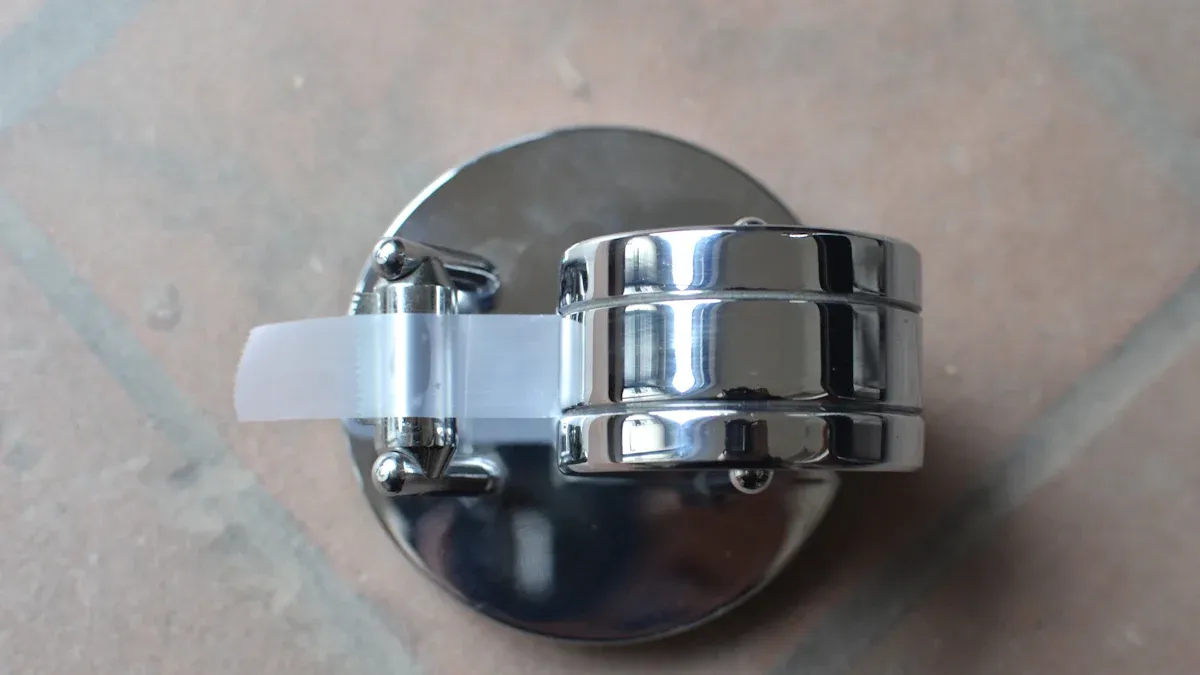
Understanding the various types of shower hinges helps consumers select the best option for their specific bathroom design and functional needs. Each hinge type offers unique advantages in terms of installation, aesthetics, and door movement.
Pivot Shower Hinges
Pivot hinges are a popular choice for many shower enclosures, known for their robust design and smooth operation.
Pivot Hinge Design
Pivot hinges typically feature a pin at the top and bottom of the door, allowing it to rotate on a central axis. This design often supports heavier glass panels compared to other hinge types. They distribute the door's weight effectively, ensuring stability and smooth movement. For instance, a single Brixwell H-PIVGTCA-W Adjustable Glass To Curb Mount Pivot Hinge can support 40 lbs, meaning two such hinges can handle a door weighing up to 120 lbs with a maximum width of 36 inches. Similarly, a Chrome Prima Shower Door Hinge supports up to 100 lbs for a door up to 31 inches (787 mm) wide when using two hinges.
| Hinge Type | Weight Capacity Per Hinge | Max Door Weight (2 Hinges) | Max Door Width |
|---|---|---|---|
| Brixwell H-PIVGTCA-W Adjustable Glass To Curb Mount Pivot Hinge | 40 lbs | 120 lbs | 36 inches |
| Chrome Prima Shower Door Hinge | N/A | 100 lbs | 31 inches (787 mm) |
Pivot Hinge Applications
Installers frequently use pivot hinges in frameless shower doors where a clean, minimalist look is desired. Their design allows the door to swing both inward and outward, offering flexibility in bathroom layouts. They are particularly suitable for larger, heavier glass doors due to their superior weight-bearing capabilities.
Wall-Mount Shower Hinges
Wall-mount hinges provide a direct and secure connection between the shower door and an adjacent wall.
Wall-Mount Hinge Structure
These hinges attach directly to a finished wall surface on one side and to the glass shower door on the other. They typically consist of a mounting plate that fastens to the wall studs and a hinge mechanism that clamps onto the glass. This structure ensures a strong, stable connection.
Wall-Mount Hinge Support
Wall-mount hinges offer excellent support for shower doors, especially when the door needs to swing from a fixed wall. They are crucial for maintaining the door's alignment and preventing sagging over time. Proper installation into wall studs is essential to maximize their support capabilities.
Glass-to-Glass Shower Hinges
Glass-to-Glass Hinges connect two glass panels, creating a seamless and elegant appearance in frameless enclosures.
Seamless Glass-to-Glass Integration
These hinges join a moving glass door to a fixed glass panel, eliminating the need for a wall connection. This integration creates a continuous glass aesthetic, enhancing the open feel of the bathroom. When designing frameless enclosures, one must consider the required range of motion. For example, a user might need the moving panel to swing approximately 180 degrees into the tub for use and about 60 degrees outward for entry/exit, while avoiding obstacles like a toilet. Structural integrity is also a key consideration, as the fixed glass panel must adequately support the swinging door's weight. A longer fixed panel, such as 36 inches, can provide better splash protection and more stable support.
Glass-to-Glass Hinge Aesthetics
Glass-to-Glass Hinges are highly valued for their ability to maintain a minimalist and transparent look. They minimize visible hardware, allowing the beauty of the glass to take center stage. Their sleek design contributes significantly to a modern and sophisticated bathroom environment.
Continuous Shower Hinges
Continuous hinges offer a robust solution for shower doors, particularly those requiring extra support and durability. They span the entire length of the door, providing consistent support from top to bottom.
Heavy-Duty Continuous Hinges
Heavy-duty continuous hinges are ideal for substantial shower doors. They distribute load stress uniformly along the full length of the door and frame. This design reduces wear and tear, preventing door sag and binding over time. Their gear design ensures smooth operation, requiring minimal effort to open even very heavy doors. The full-length placement of attaching screws prevents door warpage along the door jamb. These hinges also enhance security by sealing the gap between the door and frame, protecting against prying. Closing the gap between the door and frame provides safety by preventing pinched fingers, especially in public areas. The sight-proof design offers privacy in various settings.
Continuous Hinge Weight Distribution
Continuous hinges span the entire length of the shower door. This continuous configuration distributes the door's weight along its full height. This weight distribution enables continuous hinges to support heavier doors effectively. They provide unparalleled stability and longevity for large or frequently used shower enclosures.
Self-Closing and Soft-Close Shower Hinges
These advanced hinge types enhance both convenience and safety in the bathroom. They offer automated door movement, improving the user experience.
Automatic Shower Hinge Closure
Self-closing Shower Hinges operate bystoring energy when the door opens. They then release that energy to pull the door back to its closed position. This functionality comes from various internal mechanisms. Spring-based hinges use coiled springs that compress or stretch when the door opens, storing potential energy. When released, the spring unwinds, converting this stored energy into kinetic energy to close the door. Hydraulic hinges utilize a fluid-filled cylinder. Fluid is forced through channels when the door opens, creating resistance and storing energy as hydraulic pressure. Upon release, the fluid flows back, providing a smooth, controlled closing motion. Pneumatic hinges rely on air pressure. When the door opens, a cylinder compresses air, storing potential energy. As the door is released, the compressed air expands, pushing the door closed. These mechanisms ensure the door automatically returns to its closed position.
Soft-Close Hinge Benefits
Soft-close hinges offer a gentle and controlled closing action. They prevent the door from slamming shut, reducing noise and potential damage to the glass or frame. This feature extends the lifespan of the shower door and its components. Soft-close mechanisms also enhance safety by minimizing the risk of pinched fingers. They provide a premium feel to the shower enclosure, contributing to a more luxurious bathroom experience.
Matching Shower Hinges to Bathroom Design
Selecting the right hinges for a shower door involves more than just functionality. The hinges must complement the overall bathroom design. Different aesthetic styles require specific hinge choices to achieve a cohesive and appealing look.
Modern Minimalist Shower Hinge Choices
Modern minimalist bathrooms emphasize clean lines, simplicity, and an uncluttered appearance. Hinge choices for this style reflect these principles.
Concealed Shower Hinges
Concealed hinges are ideal for modern minimalist designs. They hide the mechanical components, creating a seamless look. This design ensures the focus remains on the glass and other architectural elements. The absence of visible hardware contributes to a sleek and understated aesthetic.
Sleek Shower Hinge Finishes
Sleek finishes enhance the modern minimalist appeal. Hinges like the SGH-A201 offer a sleek, contemporary look. The SGH-A202 provides a smooth, nearly undetectable transition between glass panels. This is perfect for contemporary and minimalist bathrooms. Brass material is durable and fits upscale designs. Self-closing mechanisms, found in models like SGH-A201C, SGH-A201, and SGH-A202, add sophistication and prevent slamming. Brass also offers an opulent appearance and ensures longevity. These hinges are compatible with glass thicknesses of 6-10mm and support up to 45kg for two hinges. Pivot hinges are preferred for their sleeker profile compared to wall-mounted hinges, which often appear bulkier. Hinged shower doors provide a sophisticated all-glass look, especially in frameless enclosures. Frameless designs use unframed sheets of glass. They are simple, minimalistic, and modern. This allows the shower tile to be the focal point. These designs also lack tracks or wheels. This makes them easy to clean and maintain, aligning with a minimalist aesthetic.
Traditional Elegance with Shower Hinges
Traditional bathrooms often feature classic details, rich textures, and a sense of timeless sophistication. Hinges for these spaces should reflect this elegance.
Ornate Shower Hinge Styles
Ornate hinge styles complement traditional elegance. These hinges may feature decorative elements or intricate designs. They add a touch of classic charm to the shower enclosure. Such styles often evoke historical periods, enhancing the bathroom's traditional character.
Classic Shower Hinge Finishes
Classic finishes are crucial for traditional aesthetics. Brushed gold is a finish that complements traditional bathroom aesthetics. Designers frequently incorporate it into traditional and classic design schemes. Interior designers suggest it for luxurious bathrooms featuring marble and classic details. Other classic finishes include polished brass or oil-rubbed bronze. These finishes add warmth and richness to the space.
Industrial Chic Shower Hinge Options
Industrial chic design embraces raw materials, exposed elements, and a utilitarian aesthetic. Hinges for this style are often bold and robust.
Exposed Shower Hinge Designs
Exposed hinge designs fit perfectly with industrial chic. These hinges do not hide their mechanical nature. Instead, they showcase it as part of the design. This approach highlights the functional beauty of the hardware. It contributes to the raw, unfinished look characteristic of industrial style.
Bold Shower Hinge Materials
Bold materials are essential for industrial chic. A matte black finish is ideal for modern and industrial designs. It offers a bold, minimalist look. It is durable, wear-resistant, and hides fingerprints. This makes it practical for high-use areas. Iron hinges provide a traditional, rustic aesthetic suitable for industrial-style settings. While strong, they require coating to prevent rust. Their robust appearance complements industrial designs. Other materials like brushed stainless steel also work well. They provide a strong, unpolished look.
Space-Saving Shower Hinge Solutions
Bathrooms, especially smaller ones, require careful planning. Every component must contribute to both function and efficient use of space. Hinges play a crucial role in maximizing the usable area within a shower enclosure and the bathroom itself. Thoughtful hinge selection can transform a cramped space into a comfortable and accessible one.
Shower Hinges for Small Bathrooms
Small bathrooms benefit greatly from specific hinge types and door configurations. Inward-swinging doors are often the best choice. They prevent the door from encroaching on valuable floor space outside the shower. This design ensures the door does not hit a toilet or vanity when opening. Pivot hinges are excellent for this purpose. They allow the door to rotate within its own footprint. This keeps the bathroom clear. Bi-fold shower doors also save space. They fold in on themselves, reducing the swing radius. While bi-fold doors use specialized hinge systems, the principle remains the same: minimize outward projection.
Consider the overall visual impact. Frameless shower doors with minimal hardware create an illusion of more space. They allow light to pass through unobstructed. This makes the bathroom feel larger and more open. Concealed hinges further enhance this effect. They hide the mechanical parts, maintaining clean lines. This design choice contributes to a sleek, uncluttered aesthetic.
Maximizing Space with Shower Hinges
Maximizing space involves both practical door movement and visual perception. Hinges that allow for a wide opening are beneficial. They provide easier access to the shower. This is important in tight areas. Some hinges offer a dual-action movement. The door can swing both inward and outward. This flexibility is useful for entry and exit. It also helps with cleaning.
Choosing the right hinge type directly impacts the functionality of a small bathroom. For example, a glass-to-Glass Hinge can create a corner shower unit. This design uses minimal wall space. It maximizes the shower footprint within the room. Wall-mount hinges, when used with a single panel door, can also be space-efficient. They allow the door to swing parallel to an adjacent wall. This keeps the main bathroom area clear. Ultimately, the goal is to select hinges that support the desired door movement. They must also contribute to an open and functional bathroom layout. This ensures comfort and ease of use.
Shower Hinge Compatibility with Door Types
Choosing the correct hinges depends heavily on the type of shower door. Different door designs require specific hinge characteristics to ensure proper function, safety, and aesthetic appeal. Understanding these compatibilities helps in making an informed decision.
Shower Hinges for Frameless Doors
Frameless shower doors offer a sleek, modern look. They rely entirely on their hinges and mounting hardware for support.
Optimal Frameless Shower Hinges
Frameless shower doors require robust hinges. These hinges must support the door's weight without a surrounding metal frame. All structural elements, including hinges, must meet strict guidelines. For instance, a minimum of 1-1/4" thread engagement is necessary for all fasteners. These fasteners must go into blocking at load-bearing locations. Metal studs or strapping are not acceptable for securing load-bearing hardware. Proper backing is essential for doors on acrylic or fiberglass fixtures. A single 2x4 stud is needed behind the wall where the header meets the wall for top and bottom pivot units. A double 2x4 stud is required behind the wall on the hinge side for wall mount hinges. A double 2x4 stud is also needed at the threshold for hinge mounting and weight support. Blocking is highly recommended. Install 2x-studs where hinges or clamps are anchored. Hinges cannot fasten to glass tile. Glass tile cracks when drilled. Avoid using glass tile for the entire enclosure and at hinge heights.
Supporting Frameless Glass
Frameless glass doors typically use thicker glass, often 3/8-inch or 1/2-inch. This thicker glass provides structural integrity. When hinging a 3/8” door from a 1/2" glass panel, the panel must be configured correctly. The 1/2" panel should have a maximum width of 22” and a maximum height of 84”. Heavy-duty wall clamps are required at the wall and two clamps at the base. The 3/8” door should have a maximum width of 30” and a maximum height of 84”. Hinges can be top and bottom pivots or glass-to-glass side hinges.
Shower Hinges for Semi-Frameless Doors
Semi-frameless shower doors combine elements of both frameless and framed designs. They offer a balance of aesthetics and structural support.
Balancing Support and Style
Semi-frameless shower doors use a metal structure to carry the door's weight. This differs from frameless doors, where the glass itself provides structural support. Semi-frameless doors typically use thinner glass, often 1/4-inch. They include a top track (header) and side jambs. This metal framework provides additional stability. The door panel itself might be clean glass. However, the metal header and stationary panel frames offer support. This design balances the clean look of glass with the added durability of a frame.
Hinge Options for Partial Frames
Hinges for semi-frameless doors integrate with the partial metal frames. These hinges do not need to bear the entire weight of the door. The metal structure assists in weight distribution. This allows for a wider range of hinge styles. The hinges still ensure smooth operation. They also maintain the door's alignment within its frame.
Shower Hinges for Heavy Glass Doors
Heavy glass doors, often found in luxury frameless enclosures, demand specialized hinges. These hinges must handle significant weight.
High-Capacity Shower Hinges
High-capacity hinges are essential for heavy glass doors. These hinges feature robust construction and stronger materials. They distribute the door's weight effectively. This prevents sagging and ensures smooth, reliable operation. Manufacturers design these hinges specifically for the increased load.
Ensuring Heavy Door Safety
Safety is paramount with heavy glass doors. Proper hinge selection and installation prevent accidents. High-capacity hinges reduce stress on the glass and mounting points. This minimizes the risk of glass breakage or door detachment. Correctly installed hinges ensure the door remains secure and stable during use.
Shower Hinge Material and Finish Considerations
Selecting the right material and finishfor Shower Hinges is crucial. These choices impact durability, performance, and the overall aesthetic of the bathroom. High-quality materials ensure longevity and reliable function.
Durable Shower Hinge Materials
The material composition of a Shower Hinge directly affects its strength and resistance to wear. Different materials offer distinct advantages forvarious bathroom needs.
Brass Shower Hinges
Solid brass hinges offer high strength and a wide range of finish options. They provide a timeless, classic look with a warm golden hue. Brass is robust and resists corrosion, making it suitable for both interior and exterior doors. It also possesses natural antimicrobial properties. However, brass typically costs more due to higher raw material and manufacturing expenses. It requires consistent cleaning to prevent tarnish, and protective coatings have limited lifespans. Brass hinges have lower fatigue resistance. They may develop stress cracks or wear more quickly in high-traffic applications. Brass expands and contracts more readily with temperature changes. This can lead to seasonal sticking, increased wear, and potential loosening of screws.
Stainless Steel Shower Hinges
Stainless steel hinges offer very high strength and excellent corrosion resistance. They are ideal for high-traffic and moist areas. Stainless steel is incredibly strong and durable, requiring minimal maintenance as it does not tarnish or corrode easily. It presents a modern aesthetic. Stainless steel hinges maintain precision much longer under repeated stress. They are recommended for high cycle counts, especially with hardened pins. Stainless steel typically costs less over its lifespan compared to brass due to lower maintenance needs.
Here is a comparison of these common materials:
| Material | Strength | Finish Options | Corrosion Resistance | Best Use Case |
|---|---|---|---|---|
| Solid Brass | High | Extensive (9+ finishes) | Moderate | Stylish interior/exterior doors |
| Stainless Steel | Very High | Limited (polished, brushed) | Excellent | High-traffic and moist areas |
Aluminum Shower Hinges
Aluminum hinges offer good corrosion resistance and durability. They are lightweight, making them easy to handle and install. Aluminum is ideal for areas with high humidity levels. However, it is generally not as strong as stainless steel or brass.
Coordinating Shower Hinge Finishes
The finish of a Shower Hinge plays a significant role in the bathroom's visual harmony. Finishes should complement existing fixtures and the overall design theme.
Chrome Shower Hinges
Chrome is a popular finish for shower hinges. It offers a sleek, modern, and highly reflective appearance. Chrome is durable and easy to clean, making it a practical choice for many bathrooms.
Brushed Nickel Shower Hinges
Brushed nickel provides a subtle, warm, and matte look. This finish is versatile and complements both traditional and contemporary designs. It also resists fingerprints and water spots well.
Matte Black Shower Hinges
Matte black finishes offer a bold, contemporary statement. This option creates a striking contrast in lighter bathrooms or blends seamlessly into darker, industrial-chic designs. Matte black is durable and effectively hides fingerprints.
Corrosion Resistance in Shower Hinges
Bathrooms are inherently humid environments. Therefore, hinges must resist corrosion to maintain their appearance and functionality.
Preventing Shower Hinge Rust
Preventing rust is critical for the longevity and aesthetic appeal of shower hinges. Rust can compromise the hinge's structural integrity and create unsightly stains. Choosing materials with inherent corrosion resistance is the best defense.
Materials for Humid Environments
Certain materials excel in humid bathroom environments.
- Stainless Steel: This material is highly durable and resistant to rust and corrosion. It offers exceptional longevity and requires minimal upkeep.
- Brass: Brass is known for its corrosion-resistant properties and durability. It also possesses antimicrobial qualities.
- Aluminum: Aluminum offers good corrosion resistance and durability in humid conditions. It is a lightweight option.
These materials ensure the shower hinge withstands moisture exposure without deteriorating.
Shower Hinge Installation Insights

Proper installation of shower door hardware is as crucial as selecting the right components. Correct installation ensures the door functions flawlessly and maintains its aesthetic appeal for years. Understanding the nuances of installation helps homeowners make informed decisions about their bathroom projects.
DIY vs. Professional Shower Hinge Installation
Deciding whether to install shower door hinges yourself or hire a professional depends on several factors, including complexity and required precision.
When to Hire an Expert
Hiring an expert for shower hinge installation is often advisable for frameless glass doors or complex enclosures. These installations demand precise measurements, specialized tools, and experience handling heavy glass panels. Professionals ensure the door is securely mounted, preventing potential safety hazards and costly damage. They also guarantee the installation meets industry standards, providing peace of mind.
Ensuring Proper Alignment
Achieving perfect alignment is critical for a functional and leak-proof shower door. Installers must meticulously check the door's position.
- Check for Misalignments: Use a level to verify if the door hangs straight. Observe if it scrapes or sticks when opening or closing.
- Assess Seals and Hinges: Inspect seals for wear and hinges for proper function. These elements impact smooth operation.
- Adjust Hinges and Hardware:
- Tighten Loose Screws: Secure all screws in hinges and brackets. Ensure they are snug but not overtightened.
- Use a Hex Key for Hinge Adjustment: For misaligned doors, turn screws clockwise to raise or counterclockwise to lower. Make small adjustments and frequently check alignment.
- Ensure Secure Hardware: After adjustments, confirm all hardware, including hinge screws, brackets, and the door handle, is secure.
- Align the Shower Door:
- Vertical Alignment: Use a level to check straightness. Loosen hinge screws slightly to adjust the door up or down, then tighten securely.
- Horizontal Alignment: Look for gaps between the door and frame. Loosen screws on top and bottom hinges to shift the door left or right as needed.
- Use a Level for Precision: Continuously use a level to ensure the bubble is centered. This indicates perfect alignment. Perform a final check after all adjustments.
Shower Hinge Weight Capacity
Understanding weight capacity is fundamental to selecting appropriate hinges. Overlooking this detail can lead to door failure and safety risks.
Calculating Required Hinges
Manufacturers specify the weight capacity for their hinges. Homeowners must calculate the total weight of their shower door, including the glass and any attached hardware. They then select hinges that collectively exceed this weight. This ensures adequate support and prevents premature wear.
Manufacturer Guidelines for Shower Hinges
Always consult the manufacturer's guidelines for specific hinge models. These guidelines provide crucial information on maximum door weight, width, and glass thickness. Adhering to these recommendations guarantees optimal performance and validates product warranties.
Adjustable Shower Hinges
Adjustable hinges offer flexibility during installation and throughout the door's lifespan.
Importance of Hinge Adjustability
Adjustable hinges allow for fine-tuning the door's position after installation. This feature is invaluable for correcting minor misalignments that may occur over time due to settling or usage. Adjustability ensures the door always closes properly and maintains a tight seal.
Achieving a Perfect Seal
A perfect seal is essential to prevent water leaks from the shower enclosure. Adjustable hinges help achieve this by allowing installers to precisely position the door. This eliminates gaps between the door and the frame or adjacent glass panels. A well-sealed shower enhances comfort and protects the bathroom floor from water damage.
Shower Hinge Maintenance and Longevity
Proper maintenance ensures shower door hinges function correctly and last for many years. Regular care prevents common issues and preserves the bathroom's aesthetic appeal. Homeowners can extend the lifespan of their shower hardware with simple steps.
Cleaning and Caring for Shower Hinges
Consistent cleaning prevents buildup and corrosion, which can impair hinge performance. Specific cleaning methods suit different hinge materials.
Recommended Cleaning Products
Different hinge materials require specific cleaning solutions to maintain their integrity and appearance.
| Hinge Type | Initial Step | Cleaning Solution | Application Method | Rinsing & Drying | Polishing/Protection (Optional) |
|---|---|---|---|---|---|
| Brass Hinges | Dust with soft, lint-free cloth | Equal parts vinegar and baking soda (paste) | Apply paste, let sit, gently scrub with soft brush | Thorough water rinse, pat dry with soft cloth | Small layer of brass polish occasionally |
| Stainless Steel Hinges | Remove loose debris with soft cloth | Mild soap and warm water | Apply with sponge or gentle brush | Rinse with fresh water, ensure complete dryness | N/A |
| Zinc or Chrome-Plated Hinges | Wipe surface dust with soft cloth | Mild detergent solution (water + mild detergent) | Apply with sponge or soft brush | Thorough water rinse, dry immediately with soft towel | N/A |
Always use a soft cloth or sponge to avoid scratching the hinge finish.
Avoiding Harsh Chemicals
Harsh chemicals, such as abrasive cleaners, bleach, or ammonia-based products, can damage hinge finishes. These substances strip protective coatings and accelerate corrosion. They also leave residues that attract dirt and grime. Always opt for mild, pH-neutral cleaners. Test any new cleaning product on an inconspicuous area first. This prevents accidental damage to the hinge or surrounding surfaces.
Troubleshooting Common Shower Hinge Issues
Even with regular maintenance, hinges can develop issues. Addressing these problems promptly prevents further damage and ensures smooth operation.
Addressing Squeaking Hinges
Squeaking hinges are a common annoyance. Several steps can resolve this issue.
- Tighten the Hinges: Inspect and tighten loose screws using a screwdriver. Avoid overtightening.
- Identify the Squeak's Origin: Open and close the door to pinpoint the noise source. The pivot hinge at the top often causes the sound.
- Clean the Hinges: Use a toothbrush and liquid soap to scrape away dirt and grit from the hinge and frame. Regular cleaning prevents future squeaks.
- Lubricate the Hinges: Apply silicone spray directly onto the hinge. Rock the door to work in the lubricant. Wipe away any excess.
- Use Oil for Lasting Lubrication: After cleaning and initial maintenance, apply a premium 3-in-1 oil to the hinge. This provides longer-lasting lubrication and protection. Wipe off any extra oil.
For thorough cleaning, mix mild detergent with warm water. Dampen a soft cloth and wipe down the hinge, including pins and moving parts. Rinse with clean water and dry completely before lubricating.
Fixing Sagging Shower Doors
A sagging shower door indicates a problem with the hinges or their installation. This issue often results from loose screws or hinges that cannot support the door's weight. First, check all hinge screws. Tighten any loose ones with a screwdriver or Allen wrench. Ensure the door receives support during this process to prevent strain on the glass. If tightening screws does not resolve the sag, the hinges may be undersized for the door's weight. In such cases, replacing the hinges with higher-capacity models becomes necessary. Professional assistance ensures correct installation and proper weight distribution.
Budgeting for Your Shower Hinge Investment
Homeowners must consider the financial aspect when selecting shower door hardware. The investment in hinges impacts both immediate project costs and long-term bathroom functionality. Understanding different price points and the value of quality helps make a wise decision.
Shower Hinge Price Points
Hinge costs vary widely. Several factors influence these price differences.
Entry-Level Shower Hinges
Entry-level hinges offer an affordable option for budget-conscious projects. Manufacturers typically construct these hinges from basic materials like chrome-plated zinc. They provide essential functionality for lighter shower doors. While they meet immediate needs, their lifespan might be shorter. They may also lack advanced features found in more expensive models.
Premium Shower Hinges
Premium hinges represent a higher initial investment. They feature superior materials, such as solid brass or stainless steel. These hinges often include advanced mechanisms like self-closing or soft-close functions. Their robust construction ensures enhanced durability and smoother operation. Premium hinges also offer a wider range of aesthetic finishes, complementing high-end bathroom designs. They frequently come with extended warranties, reflecting their quality.
Long-Term Value of Quality Shower Hinges
The true cost of hinges extends beyond the purchase price. Quality hinges offer significant long-term benefits.
Durability vs. Upfront Cost
Cheaper hinges might save money initially. However, they often lead to higher costs over time. They can wear out faster, requiring frequent repairs or replacements. This creates inconvenience and additional expenses. Durable hinges, made from high-grade materials, withstand daily use and humid conditions for many years. They maintain their functionality and appearance, proving more cost-effective in the long run.
Total Cost of Shower Hinge Ownership
The total cost of ownership includes the initial purchase, installation, maintenance, and potential replacement. High-quality hinges minimize maintenance needs. They also reduce the likelihood of costly repairs due to sagging doors or leaks. Investing in superior hinges prevents future problems. It ensures a reliable and aesthetically pleasing shower enclosure for years. This provides peace of mind and enhances the overall bathroom experience.
Avoiding Common Shower Hinge Mistakes
Many people overlook the importance of shower hinges. However, certain mistakes can lead to functional problems and aesthetic disappointments. Understanding these common errors helps homeowners make better choices.
Ignoring Shower Door Weight
The weight of a shower door significantly impacts hinge selection. Ignoring this crucial factor creates several issues.
Risks of Undersized Hinges
Undersized hinges cannot adequately support the door's weight. This causes excessive strain on the hardware. Over time, hinges may bend, crack, or fail completely. This leads to a sagging door that does not close properly. It also compromises the door's seal, allowing water to escape the enclosure.
Safety Concerns
Inadequate hinge support poses serious safety risks. A door that sags or becomes unstable can detach from its mounting points. This creates a dangerous situation, especially with heavy glass panels. Proper weight capacity ensures the door remains securely in place, protecting users from potential injury.
Mismatching Shower Hinge Style
Hinges contribute to the overall look of a bathroom. Mismatching their style can detract from the design.
Aesthetic Discrepancies
Choosing hinges that clash with other bathroom fixtures creates an unharmonious appearance. For example, ornate brass hinges look out of place in a modern, minimalist bathroom. The visual inconsistency can make the space feel disjointed and less polished.
Overlooking Visual Impact
Hinges are small components, but they have a noticeable visual impact. They can either blend seamlessly or stand out. Overlooking their aesthetic contribution means missing an opportunity to enhance the bathroom's design. Coordinated finishes and styles create a cohesive and appealing environment.
Overlooking Shower Hinge Material Quality
The quality of hinge materials directly affects their performance and longevity. Compromising on material quality leads to numerous problems.
Pitfalls of Cheap Materials
Cheap hinges might save money initially, but they often lead to higher expenses later on. They are not made to last and frequently break down. This results in recurring replacement costs. Lower-quality materials may not fit perfectly, causing doors to refuse to latch or rattle. They can also warp or damage, leading to loud, annoying noises as hinges become loose and grind. Poorly constructed hinges may not provide a snug fit, leaving gaps that allow drafts. Cheap or inferior hinges cannot handle the weight of a door over time, leading to sagging. They are prone to breaking down, causing doors to detach, which is dangerous. Outdoor environments destroy weak hardware faster than any other installation. Sunlight, chlorine, and salt air eat through finishes and loosen mechanical joints. Only 316 stainless steel stands up to coastal air and chlorinated water without pitting or staining. Outdoor heat and cold loosen cheap plating and fasteners. Over ten years, the math always favors quality.
Importance of Appropriate Finishes
Appropriate finishes protect the hinge material from corrosion and wear. In humid bathroom environments, finishes like chrome, brushed nickel, or matte black offer durability. They resist moisture and maintain their appearance. A poor-quality finish can chip, peel, or tarnish quickly. This exposes the underlying material to damage and degrades the bathroom's aesthetic.
Your Ultimate Shower Hinge Checklist
A Step-by-Step Guide to Choosing Your Shower Hinge
Selecting the perfect hinges for a shower door requires careful consideration. This checklist guides homeowners through the essential steps. It ensures they make an informed decision for lasting satisfaction and optimal bathroom functionality.
Evaluating Door Type and Weight
Homeowners must first assess the shower door's type and weight. Hinges must support the door's weight, especially for heavier frameless glass doors. Glass thickness is a critical factor. For instance, 6mm (1/4 inch) glass suits lightweight doors. 8mm (5/16 inch) glass is common for medium-thickness panels. 10mm (3/8 inch) glass provides strong support for standard frameless doors. 12mm (1/2 inch) glass is designed for heavy and luxurious glass doors.
The hinge configuration should align with the shower door's requirements and the overall enclosure style. Specific conditions, such as the need for wheelchair accessibility, might necessitate particular hinge types like offset hinges. Homeowners should select hinges that can withstand frequent use without sagging or damage. They should consider durable types like ball bearing hinges or those with reinforced construction. Assess the door's weight and size to determine the appropriate hinge load capacity. Overloading can lead to premature wear. Factors like door material, thickness, and additional elements, such as glass panels, impact the load.
Considering Bathroom Style
The bathroom's aesthetic plays a significant role in hinge selection. Modern minimalist designs often benefit from concealed hinges and sleek finishes. Traditional bathrooms might feature ornate styles and classic finishes like polished brass. Industrial chic spaces often incorporate exposed designs and bold materials such as matte black. Matching the hinge style to the overall bathroom decor creates a cohesive and visually appealing space.
Prioritizing Material Durability
Material quality directly impacts hinge longevity and performance. Stainless steel offers very high strength and excellent corrosion resistance, making it ideal for humid environments. Brass provides high strength and a wide range of finish options, though it may require more maintenance. Aluminum hinges are lightweight and offer good corrosion resistance. Prioritizing durable materials prevents rust, wear, and frequent replacements.
Assessing Installation Needs
Installation requirements vary based on hinge type and door complexity. Frameless doors often require professional installation due to the need for precise measurements and handling heavy glass. Wall-mount hinges need secure attachment to wall studs. Adjustable hinges offer flexibility for fine-tuning door alignment and achieving a perfect seal. Homeowners should consider whether they will undertake a DIY installation or hire an expert. This ensures proper function and safety.
The right Shower Hinge plays a critical role in bathroom design and function. It ensures both aesthetic appeal and smooth operation. This guide empowers readers to make confident, informed Shower Hinge decisions. They can now choose wisely for lasting satisfaction. This ensures a durable, beautiful, and perfectly operating shower door for years.
FAQ
What is the most durable material for shower hinges?
Stainless steel offers superior durability and corrosion resistance. It performs exceptionally well in humid bathroom environments. Brass also provides strength and a classic aesthetic. Both materials ensure long-lasting performance.
How do I choose the right hinge for a frameless shower door?
Frameless doors require robust, high-capacity hinges. These hinges must support the glass weight without a frame. Ensure proper blocking in the wall for secure installation. Consult manufacturer guidelines for specific weight limits.
Can I install shower hinges myself, or should I hire a professional?
Professional installation is advisable for frameless doors. Experts ensure precise measurements and secure mounting. DIY is possible for simpler framed doors if one possesses the right tools and experience. Safety remains paramount.
How do I prevent my shower door hinges from squeaking?
Regularly clean hinges with mild soap and water. Then, apply a silicone-based lubricant. Tighten any loose screws to ensure smooth, quiet operation. This routine maintenance extends hinge life.
What is the benefit of soft-close shower hinges?
Soft-close hinges prevent the door from slamming. This reduces noise and potential damage to the glass or frame. They also enhance safety by minimizing the risk of pinched fingers. It provides a premium user experience.
How does door weight affect hinge selection?
Door weight is crucial. Undersized hinges can cause sagging and eventual failure. Always select hinges with a weight capacity that exceeds the door's total weight. This ensures safety and longevity.
What is the difference between pivot and wall-mount shower hinges?
Pivot hinges allow the door to rotate on top and bottom pins. Wall-mount hinges attach directly to an adjacent wall. Each type suits different enclosure designs and support needs. Consider your specific layout.