
Top 10 Basin Faucet Varieties Explained for Easy Choice
Distinct basin faucet types offer diverse aesthetics and functionalities for daily use. Common configurations include:
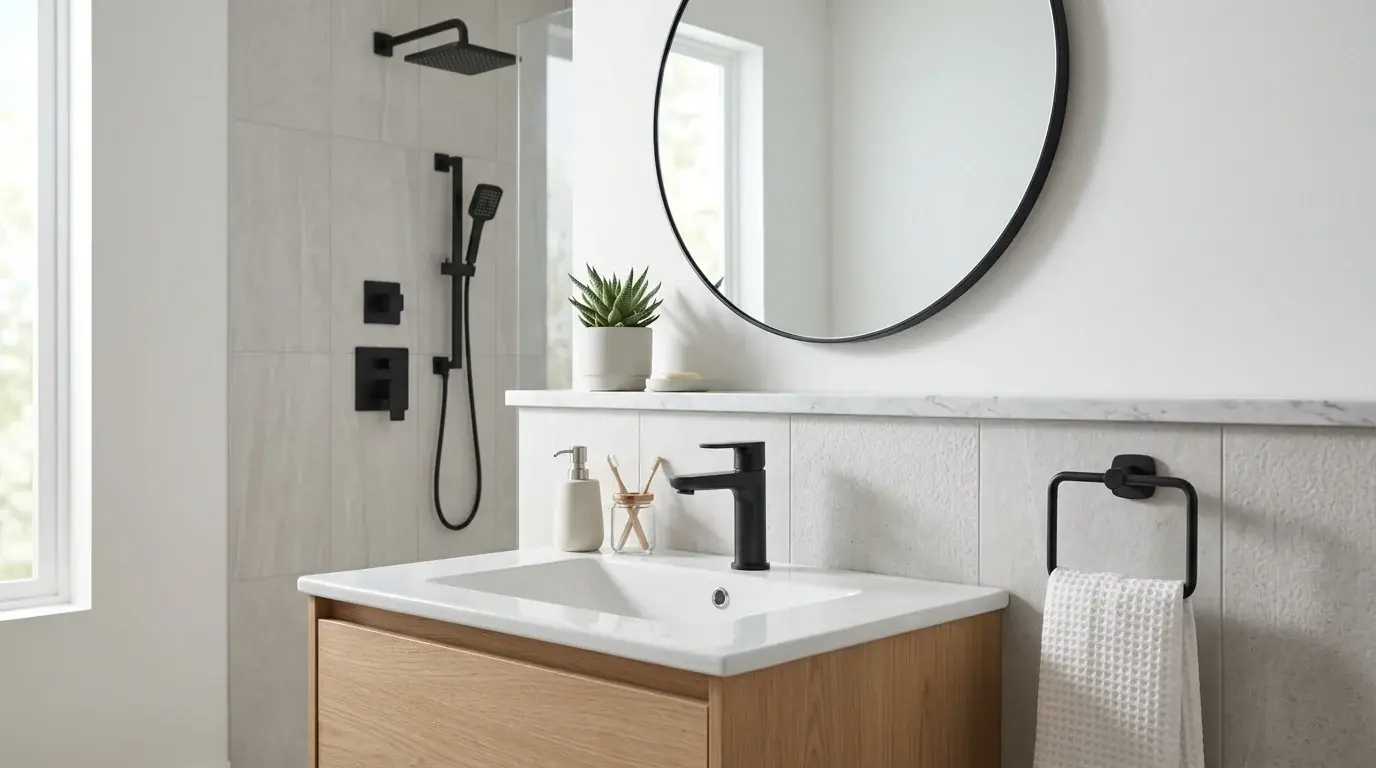
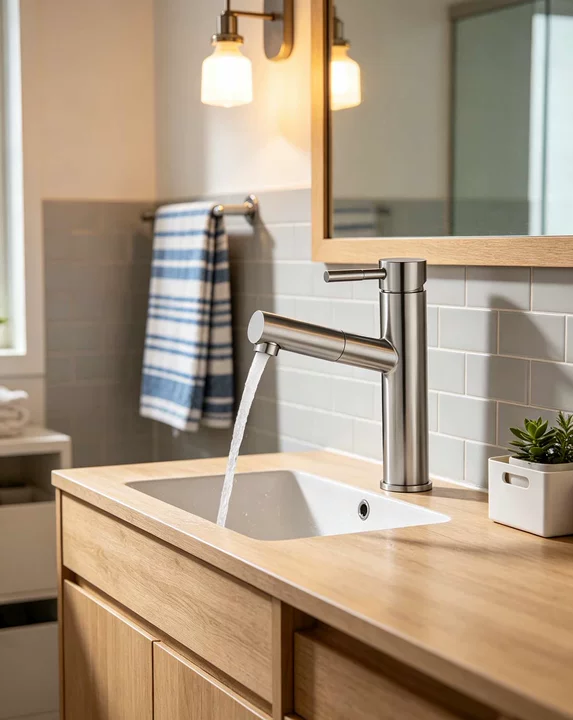
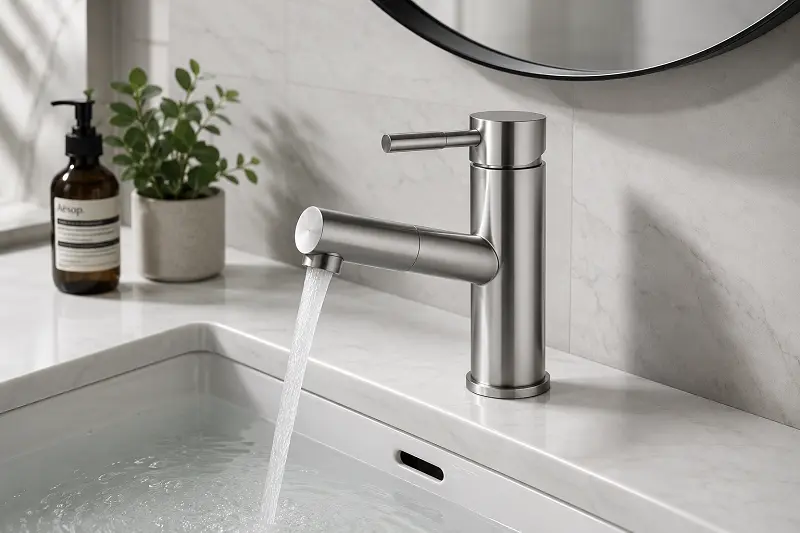
- Single-Handle: Features integrated temperature and flow control. This type is a favorite in modern bathrooms, known for its clean look and simple design, and its ease of use makes it very popular.
- Centerset: Combines the spout and handles on a single base.
- Widespread: Allows independent placement of the spout and handles.
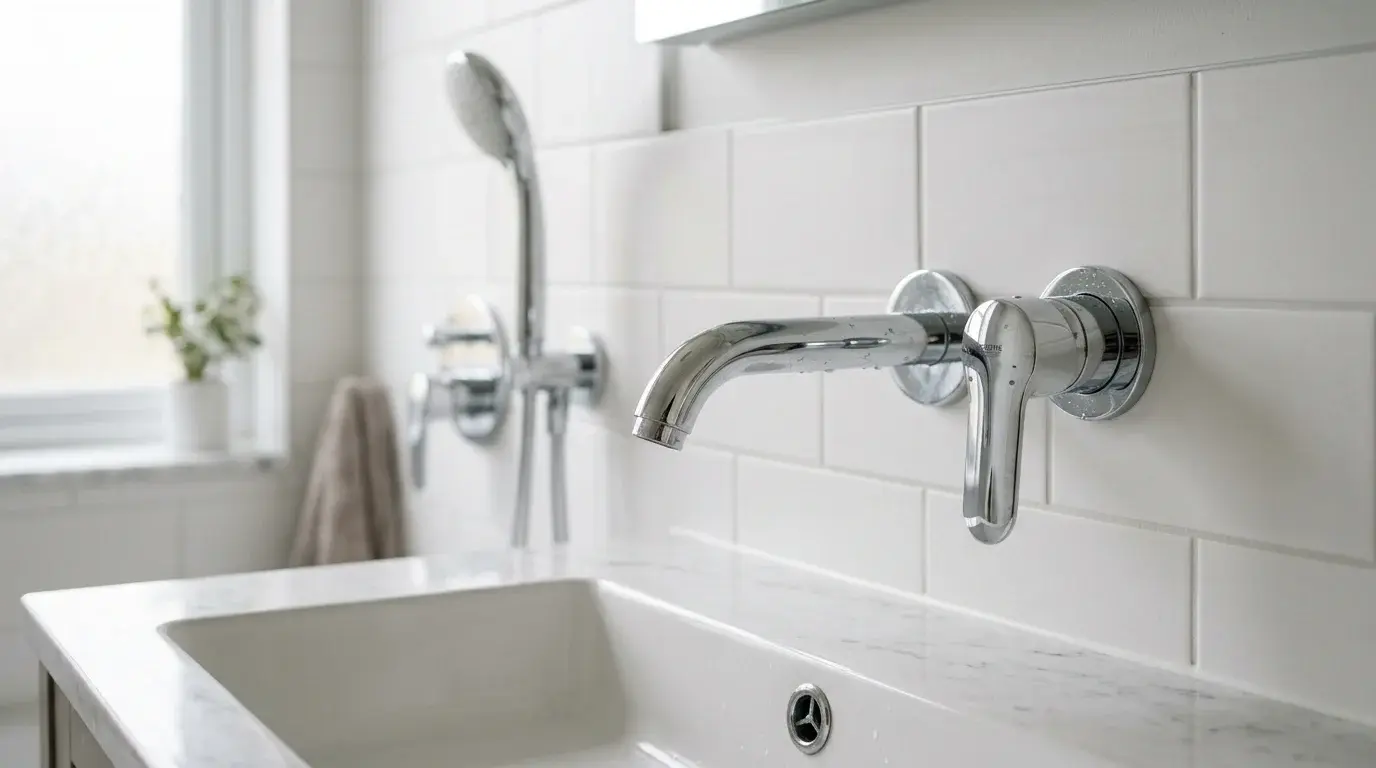
- Wall-Mount: Installed directly on the wall.
- Vessel: Taller for elevated vessel sinks.
These designs significantly impact bathroom aesthetics, from sleek modern looks to classic styles. An Eco-Friendly Basin Faucetalso provides enhanced daily functionality with water-saving features. Each Basin Faucet type offers unique operational benefits.
Key Takeaways
- Single-handle faucets offer easy control of water temperature and flow with one lever.
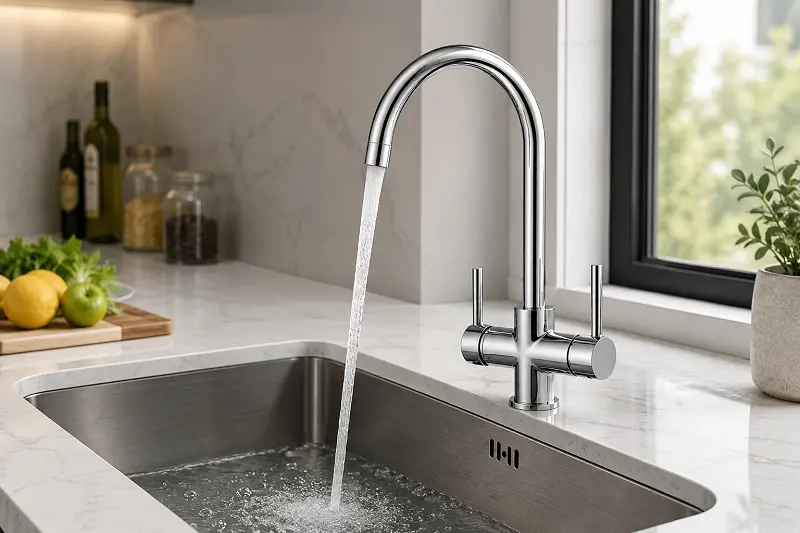
- Double-handle faucets give precise control over hot and cold water separately.
- Centerset faucets are compact and fit sinks with standard pre-drilled holes.
- Widespread faucets have separate parts for a luxurious look on larger vanities.
- Wall-mounted faucets free up counter space and create a clean, modern look.
- Vessel faucets are tall and designed for sinks that sit on top of the counter.
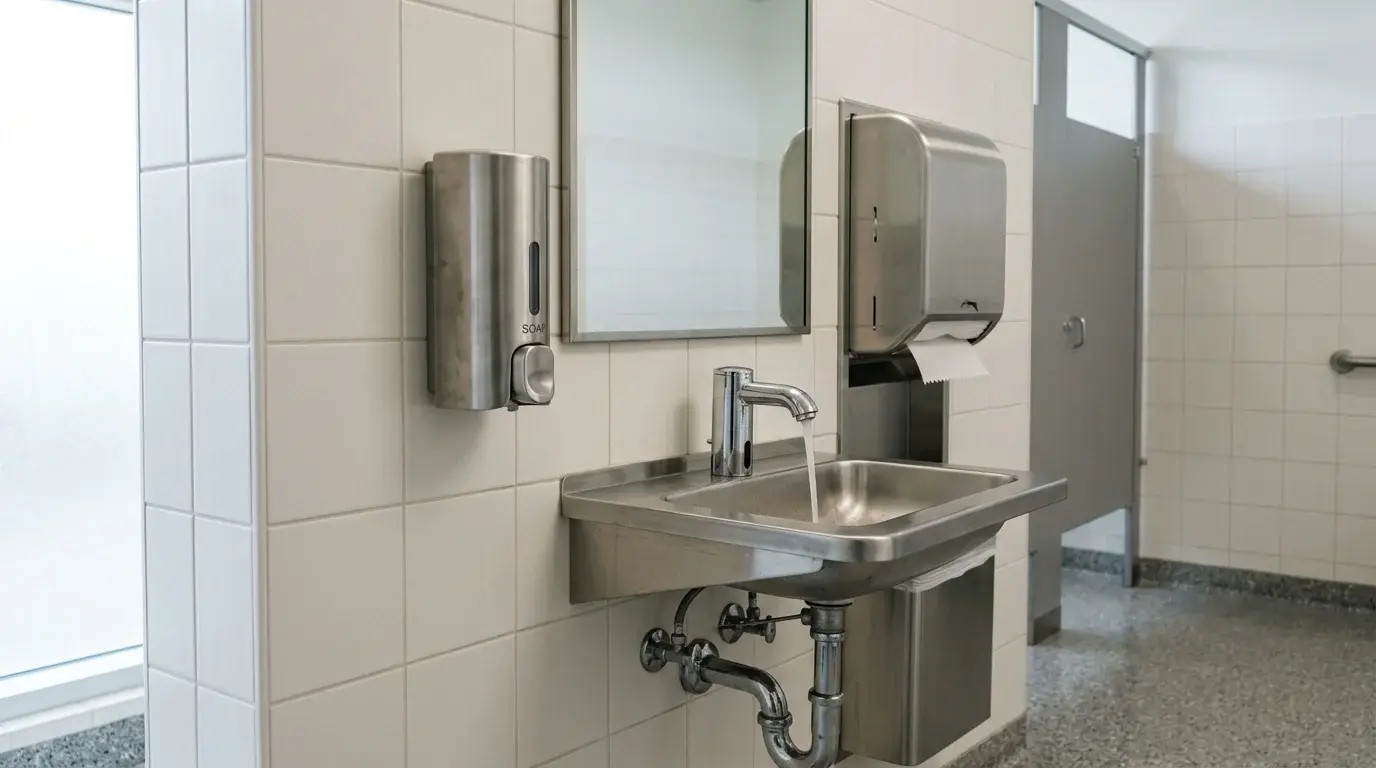
- Touchless faucets use sensors for better hygiene and convenience.
- Always check your sink's hole pattern and consider professional help for complex installations.
Understanding Common Basin Faucet Configurations
Single-Handle Basin Faucets
Integrated Temperature and Flow Control
Single-handle Basin Faucets offer a streamlined approach to water control. Users adjust both water temperature and flow with a single lever. This design simplifies operation, allowing for quick and easy changes. The internal ceramic cartridge ensures smooth movement and prevents leaks over time. This type of faucet provides a consistent water stream, making daily tasks efficient.
Sleek Design and Easy Operation
These faucets feature a minimalist aesthetic, complementing modern bathroom designs. Their single-lever operation makes them user-friendly for all ages. Installation costs for single-handle faucets typically range from $150 to $350. The estimated cost to install a bathroom faucet starts at $463 - $673 per faucet. This makes them an attractive option for many homeowners.
Double-Handle Basin Faucets
Separate Hot and Cold Water Controls
Double-handle Basin Faucets provide distinct controls for hot and cold water. Users can precisely mix water to achieve their desired temperature. This separation offers greater control compared to single-handle models. Each handle operates independently, allowing for fine-tuning of the water flow.
Classic Aesthetic and Precise Adjustment
Double-handle faucets often evoke a classic or traditional bathroom style. Their design adds a touch of elegance to the vanity area. The separate controls allow for very precise temperature adjustments. This precision is beneficial for tasks requiring specific water temperatures.
Centerset Basin Faucets
Compact Design for Standard Sinks
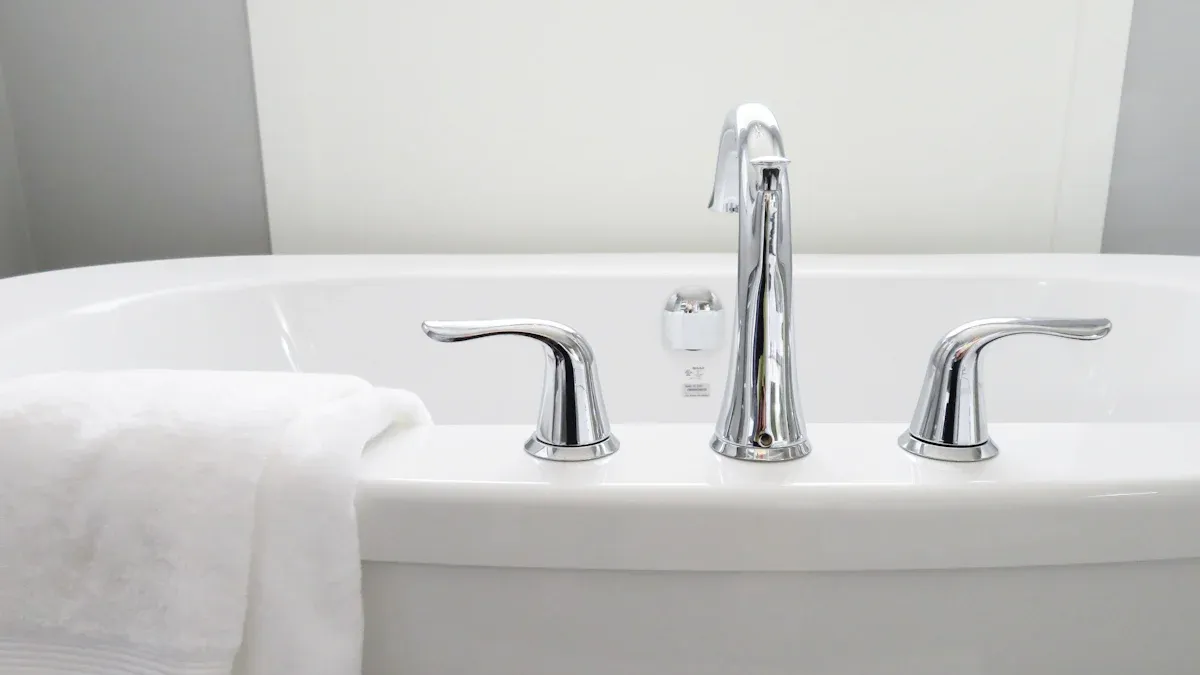
Centerset Basin Faucets are ideal for sinks with pre-drilled holes. They typically feature a4-inch spread, fitting sinks with three holes spaced 4 inches apart. Most centerset faucets are approximately 6 inches wide to accommodate this standard spread. For larger or specialized sinks, some commercial variants can be wider, covering an 8-inch spread. This compact design makes them suitable for smaller bathrooms or powder rooms.
Integrated Spout and Handles on One Base
These faucets combine the spout and handles onto a single base plate. This integrated design simplifies installation and creates a cohesive look. Popular finishes for centerset faucets include chrome, brushed nickel, oil-rubbed bronze, polished brass, and Venetian bronze. This variety allows for easy coordination with existing bathroom decor.
Widespread and Space-Saving Basin Faucet Options
Widespread Basin Faucets
Independent Spout and Handle Placement
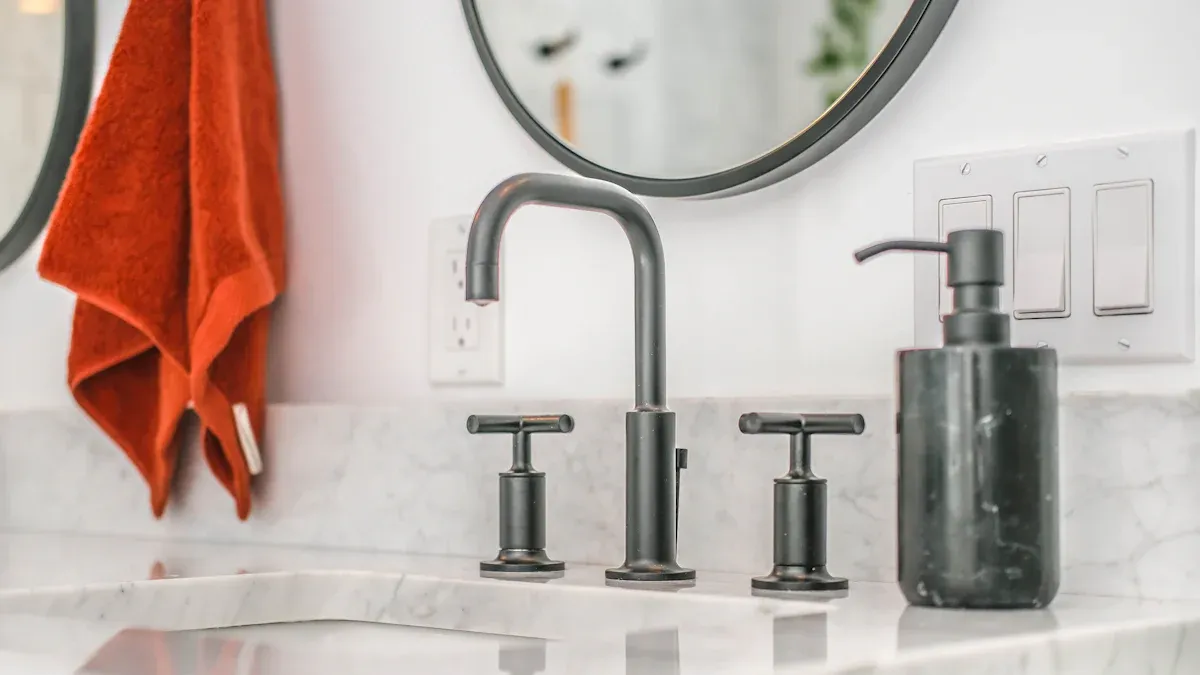
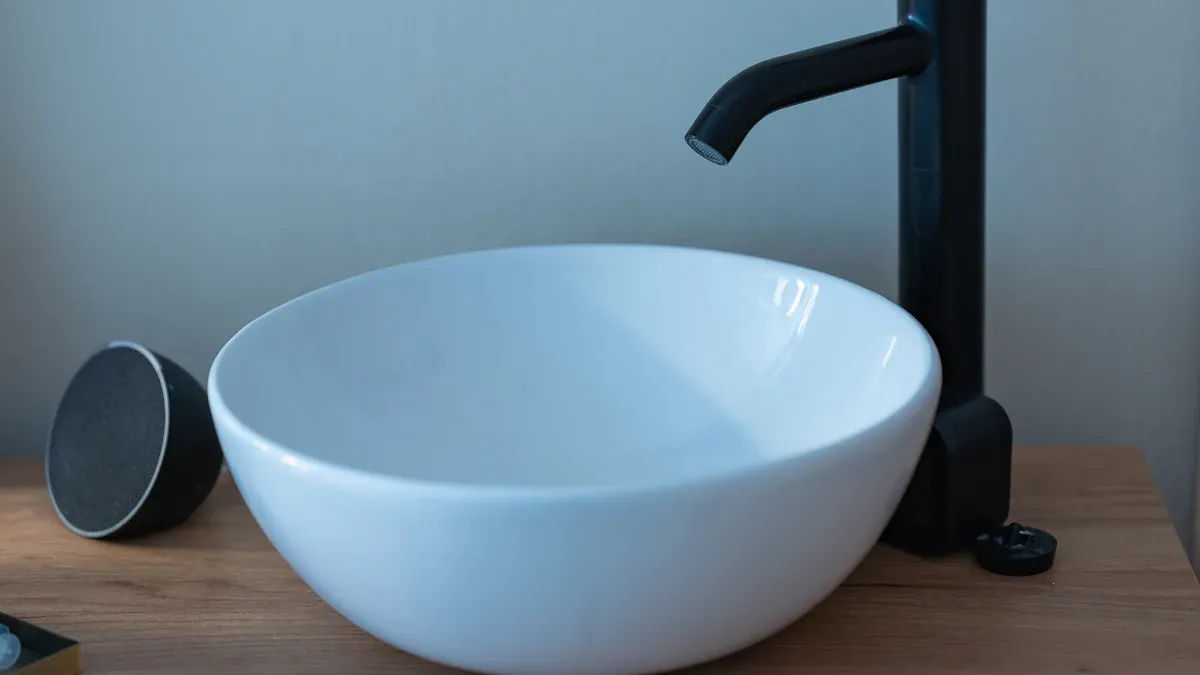
Widespread faucets feature separate components for the spout and handles. Installers place these elements independently on the vanity or sink deck. This design offers significant flexibility in arrangement. For widespread models, industry standard faucet hole spacing ranges from 6 to 16 inches. This ensures compatible faucet installation. Bathroom sinks often require specific hole sizes. A typical bathroom sink uses a 1 1/4-inch (32 mm) standard hole size. However, widespread configurations may necessitate 1 3/8-inch holes. Professional diameter ranges from 1 1/4 to 1 1/2 inches (31.75–38.1 mm) per hole. Customizable spacing options, from 6 to 12 inches (152.4–304.8 mm) between handle centers, offer flexible installation possibilities. These faucets are a perfect complement to larger sinks, premium countertops, or design-forward installations requiring sophisticated aesthetics.
Luxurious Look for Larger Vanities
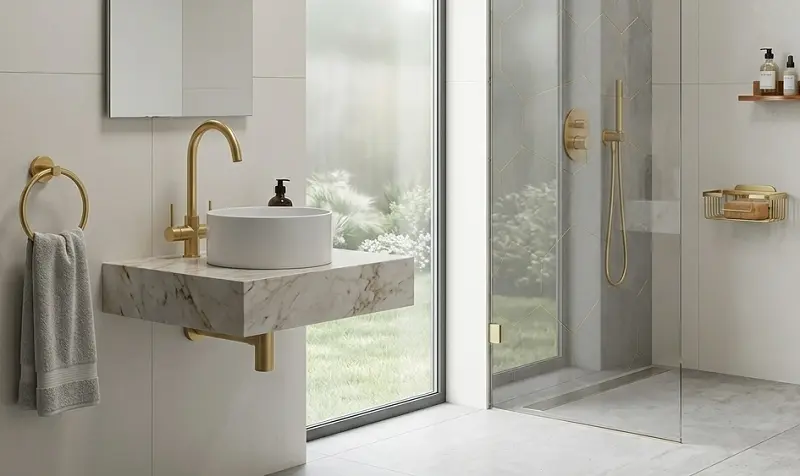
Widespread faucets provide a luxurious and expansive appearance, making them ideal for larger vanities. Their design aligns with current trends focusing on clean lines, natural materials, and bold finishes. Matte and brushed finishes, such as matte black, brushed brass, and brushed nickel, offer a chic look for vanity spaces. Many designer faucets now feature sculptural or waterfall spouts. These turn running water into an artistic element. Consumers also opt for faucets with water-saving technology that maintains water pressure and comfort. The desire for a "five-star hotel" feeling in home bathrooms, inspired by luxury resorts, drives the adoption of widespread faucets for their elegance. Interior designers consider widespread faucets for their aesthetic appeal and their ability to provide better ergonomic and proportionate layouts, especially for larger sink basins.
Wall-Mounted Basin Faucets
Clean Countertop Appearance
Wall-mounted faucets create a clean and uncluttered countertop. They free up counter space, allowing for a larger sink. This is especially advantageous for smaller bathrooms with limited counter area. Their wall mounting creates an open and sleek aesthetic. This enhances both modern and traditional designs. Without a base attached to the sink or countertop, grime and water spots do not accumulate in that area. This simplifies cleaning. Wall-mounted faucets offer more control over spout height. This can be useful for accommodating deeper sinks. They provide more counter space, which is particularly useful when the bathroom and countertop are small. This type of Basin Faucet offers aminimalist aesthetic by concealing plumbing lines.
Modern Design and Space Optimization
Wall-mounted faucets offer a modern design solution. They optimize space by concealing plumbing lines within the wall. This contributes to a minimalist aesthetic. However, installing these faucets requires careful planning. Plumbers must check for potential obstructions within the wall. These include studs, electrical wiring, or existing plumbing. Ensuring sufficient space for the faucet and its connections is vital for a smooth process. The wall cavity must be deep enough to accommodate the faucet and its associated plumbing connections. This is particularly important during retrofits or renovations where existing wall structures might limit space. Professional installation is often more complex and costly than deck-mounted options. It involves opening up the wall to access plumbing, leading to additional labor and material expenses. Maintenance, repair, or replacement can be time-consuming and expensive because the plumbing is integrated directly into the wall. Seeking advice from a professional plumber or designer is highly recommended. They provide expert guidance on the best installation methods and faucet placement, helping to prevent common installation problems.
Specialized Basin Faucets for Unique Sinks
Vessel Basin Faucets
Elevated Height for Vessel Sinks
Vessel sinks sit above the countertop, requiring a faucet with significant height to clear the bowl. These specialized faucets ensure water flows properly into the sink without splashing. They provide the necessary clearance for daily use.
- Vessel Faucets generally stand 6–12 inches tall.
- Wall-Mount Vessel Faucets aim for the spout to sit 6 inches above the sink bowl.
- Tall-Spout Vessel Faucets have spout heights of 8–12 inches, especially for deep vessel sinks.
- A general rule suggests measuring the sink's height from the countertop to the rim. Then, add 4 inches to determine the minimum faucet height. For instance, a 6-inch tall sink requires a faucet at least 10 inches tall.
Statement Piece Design
Vessel faucets often serve as a focal point in the bathroom. Their elevated stature and unique designs draw attention. Manufacturers offer these faucets in various finishes and styles. This allows homeowners to create a distinctive aesthetic. They complement modern, minimalist, or even eclectic bathroom themes. A vessel faucet transforms a simple sink into a design statement.
Bridge Basin Faucets
Vintage Charm with Exposed Piping
Bridge Basin Faucets feature a distinctive design with exposed piping connecting the hot and cold water handles to the central spout. This configuration creates a charming, vintage aesthetic. The visible pipes contribute to a classic, old-world feel. This design often includes ornate details or traditional cross handles. It evokes a sense of history and craftsmanship.
Distinctive Retro or Farmhouse Style
Bridge faucets perfectly complement retro, farmhouse, or industrial bathroom styles. Their unique construction and classic lines enhance these specific decor themes. They offer a departure from contemporary designs. One specific bridge Basin Faucet model, the Signature Hardware 1.2 GPM Bridge Bathroom Faucet, has aspout reach of 7 inches. There is no official standard distance for a faucet's reach into a sink. Key considerations include centering the spout over the drain. It should not be too low or short to impede use. It also should not be too high and cause splashing. Generally, the spout should not extend beyond halfway into the sink. This ensures optimal functionality and prevents water from splashing outside the bowl.
Advanced Functionality in Basin Faucets
Pull-Down and Pull-Out Basin Faucets
Integrated Sprayer for Enhanced Reach
Pull-down and pull-out faucets offer significant advancements in water delivery. Their integrated sprayers provide enhanced reach and flexibility. The retractable head gives users control over the water stream. This simplifies tasks like rinsing dishes or washing produce. These faucets are easy to operate, often with a single lever. Users can quickly switch between stream and spray modes. Magnetic docking keeps the spray head securely in place.
Pull-down faucets provide excellent vertical control. Their higher anchor point allows a downward spray trajectory. This helps rinse tall items and flush food into deep sinks. They offer precision for directing spray into pot bottoms or basin corners. Many models feature multiple spray patterns. These include an aerated stream, powerful spray, or a "blade" pattern. Buttons on the head control these versatile cleaning options. The retractable spray head simplifies cleaning and rinsing. It reduces the need to move heavy items. A high-arc design provides ample space for various tasks. A longer hose allows the faucet to reach every corner of the sink. This makes it ideal for washing large dishes and filling pots.
Versatility for Various Tasks
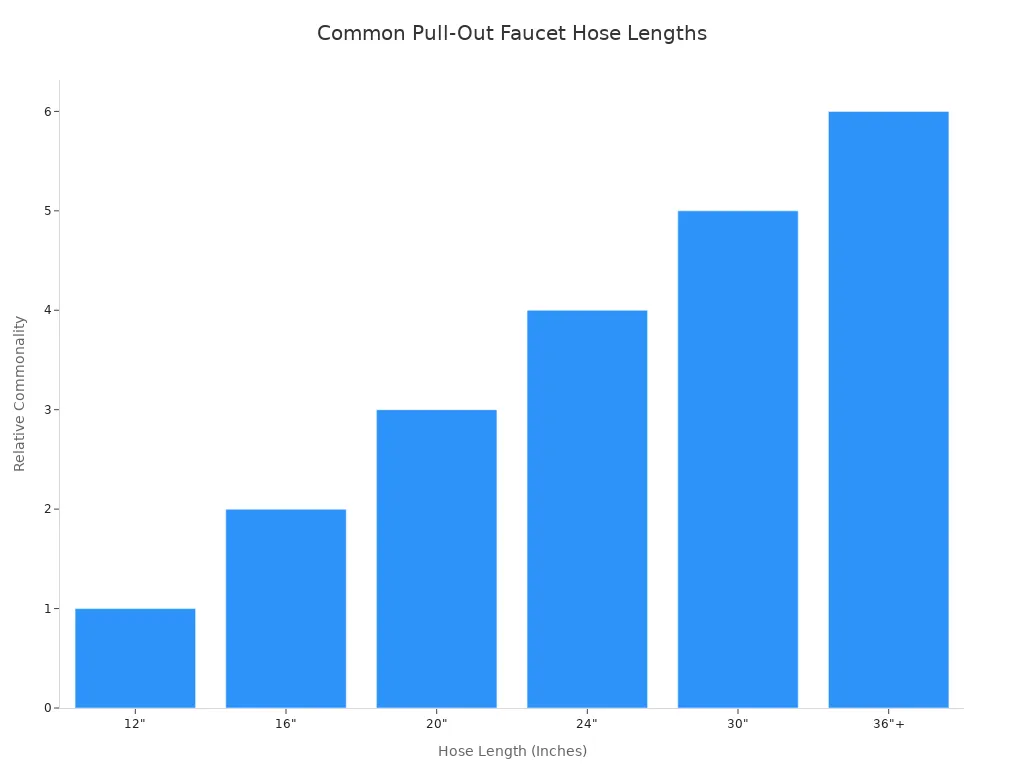
These faucets bring versatility to the bathroom. They assist with various cleaning and grooming tasks. The extended reach makes washing hair or cleaning the sink much easier. Pull-out Basin Faucet hoses, also known as supply lines, typically range from12 to 30 inches in length. A common length is about 5 feet (60 inches). For a standard single-basin kitchen sink, a hose length of around 20-24 inches may be sufficient. Larger sinks or more demanding usage might require a hose that is 30 inches or longer.
| Length (Inches) | Typical Use Case |
|---|---|
| 12" | Ideal for installations where shut-off valves are very close to the faucet, such as on some pedestal sinks. |
| 16" | A common size suitable for most standard bathroom and kitchen sink vanities. |
| 20" | The most popular 'universal' length, providing enough slack for easy installation in most standard setups. |
| 24" | Suitable for larger vanities or when shut-off valves are positioned lower on the wall. |
| 30" | Used for taller cabinets or when plumbing connections are further apart than usual. |
| 36"+ | Considered specialty lengths for custom cabinetry or unique plumbing configurations. |
Touchless Basin Faucets
Sensor-Activated for Hygiene and Convenience
Touchless faucets represent a significant leap in bathroom hygiene. Sensors activate these fixtures, eliminating the need for physical contact. This prevents germs from gathering on handles and dispensers. Smart faucets can automatically flush out old water. They bring in fresh water on a determined schedule. This prevents certain bacteria from flourishing in stagnant water lines.
Touchless faucets enable users to wash their hands without touching the fixture. This reduces disease transmission opportunities. It helps reduce the spread of communicable diseases. Users gain peace of mind and confidence in maintaining good hand hygiene. They eliminate the need to touch potentially contaminated surfaces. Touchless faucets contribute to overall restroom cleanliness. They encourage enhanced personal awareness. They significantly reduce the risk of germ transference. This eliminates direct contact with faucet surfaces, which can be breeding grounds for bacteria and viruses.
Modern Technology for Smart Bathrooms
Touchless faucets integrate modern technology into smart bathrooms. They offer convenience and a sleek aesthetic. Their sensor-activated operation provides a hands-free experience. This enhances the user's interaction with the bathroom space. These advanced fixtures align with contemporary design trends. They emphasize both functionality and minimalist appeal. Many models feature sophisticated designs and various finishes. This allows them to complement any modern bathroom decor. They offer a blend of innovation and practicality.
Key Considerations for Choosing Your Ideal Basin Faucet
Installation Requirements for Each Basin Faucet Type
Hole Configurations (Single, Three, Wall-Mount)
Selecting a Basin Faucet requires understanding the sink's hole configuration. Standard hole configurations for Basin Faucets vary by type. Bathroom faucets often feature a3-hole (4-inch spread)setup, common for centerset style faucets. A 3-hole (8-inch spread) configuration provides more space, suitable for widespread style faucets. Many modern single-handle faucets use a 1-hole design. Some single-handle faucets also include baseplates to cover existing 3-hole (4-inch spread) patterns. Kitchen Faucets commonly use a 3-hole (8-inch spread) configuration, accommodating two-handle standard and some single-handle standard faucets. Most pull-out and pull-down faucets can also fit this pattern using an optional baseplate.
Plumbing Compatibility and Professional Needs
Proper installation ensures optimal faucet performance. Homeowners must consider existing plumbing and potential modifications. Wall-mounted faucets, for instance, require plumbing within the wall, often necessitating professional installation. This can involve opening walls and rerouting pipes. Consulting a professional plumber ensures compatibility and avoids costly errors. They can assess the current setup and recommend the best installation approach.
Matching Basin Faucet Style to Bathroom Decor
Modern, Traditional, Transitional Aesthetics
The faucet's style significantly impacts the bathroom's overall aesthetic. Modern designs feature clean lines, minimalist aesthetics, and neutral colors. They often incorporate natural materials like wood and stone. Traditional styles offer classic elegance with ornate details and rich wood tones. Transitional styles blend traditional and modern elements, balancing classic features with contemporary touches. This creates a comfortable and sophisticated look. For example, modern bathrooms often use concrete, black marble, or wood materials. They feature neutral yet bold color palettes and LED lighting for a cozy glow.
Finish Options (Chrome, Brushed Gold, Matte Black)
Faucet finishes play a crucial role in complementing bathroom decor. Matte black remains a popular choice for its sleek, modern edge. It works well with contemporary and transitional bathrooms and effectively hides water spots. Brushed nickel offers a classic, muted sheen, known for its durability and low maintenance. Polished chrome provides a sleek, reflective finish, enhancing light and making smaller bathrooms feel brighter. Gold and brass finishes have returned in style, with subtler versions like muted champagne or brushed warm gold adding a touch of luxury. Graphite and titanium emerge as refined alternatives to matte black, offering a less stark, more reflective dark and modern look.
Durability and Maintenance of Basin Faucet Materials
High-Quality Brass or Stainless Steel Construction
The material of a basin faucet determines its durability and longevity. Brass is a highly durable material for faucet construction. It is known for its longevity and resistance to corrosion. All-brass bodies last the longest and are less prone to leaking or corroding. Dezincification Resistant (DZR) brass offers enhanced durability. It remains unaffected by tap water acidity or other chemicals, despite its higher cost. Brass offers superior long-term value due to its natural durability, corrosion resistance, and antimicrobial properties. It withstands daily wear and tear in a busy bathroom without losing its appeal.
Ceramic Cartridges for Longevity
Ceramic cartridges are crucial components for faucet longevity. They are noted for their extreme durability, capable of lasting over 500,000 cycles under laboratory conditions. On average, a ceramic tap cartridge typically lasts between 5 to 10 years under normal conditions. High-grade models can extend this lifespan to 15-20 years, especially with good water quality. Factors like water hardness, cartridge quality, and usage frequency significantly influence durability. Hard water can lead to limescale buildup, accelerating wear on the discs.
Each basin faucet type presents unique features and benefits, from the simple elegance of single-handle models to the advanced hygiene of touchless options. Homeowners must align their choice with sink specifications, plumbing requirements, and desired aesthetics. This ensures both functionality and visual harmony. Consider installation needs, style compatibility, and material durability. This careful evaluation leads to an informed and confident basin faucet selection for any bathroom.
FAQ
What is the best basin faucet for a small bathroom?
Centerset or wall-mounted faucets are ideal for small bathrooms. Centerset models fit standard compact sinks. Wall-mounted options free up countertop space, creating a cleaner, more open feel. This maximizes the perceived space in smaller areas.
How do I determine if a faucet will fit my sink?
You must check your sink's hole configuration. Count the holes and measure the distance between them. Match these measurements to the faucet's specifications. Common configurations include single-hole, 4-inch centerset, and 8-inch widespread.
What materials offer the best durability for basin faucets?
High-quality brass or stainless steel construction ensures longevity. These materials resist corrosion and wear effectively. Ceramic cartridges inside the faucet also contribute significantly to long-term, leak-free performance. They withstand frequent use.
Are touchless basin faucets a worthwhile investment?
Touchless faucets enhance hygiene and convenience. They reduce germ spread and offer a modern aesthetic. While they may cost more initially, their benefits in cleanliness and ease of use often justify the investment for many users.
How can I maintain my faucet's finish?
Clean faucet finishes regularly with a soft cloth and mild soap. Avoid abrasive cleaners or harsh chemicals, as these can damage the surface. Promptly wipe away water spots to prevent mineral buildup and maintain shine.
Can I install a basin faucet without professional help?
Many single-handle and centerset faucets are suitable for DIY installation. However, wall-mounted or complex widespread faucets often require professional plumbing expertise. Assess your skill level and the faucet type before deciding on installation.
What is the main difference between pull-down and pull-out basin faucets?
- Pull-down faucets feature a sprayer that pulls straight down into the sink, ideal for deep basins.
- Pull-out faucets have a sprayer that pulls out horizontally, offering greater reach outside the sink. Both types enhance versatility for various tasks.