
Sustainable Materials: The Shift Toward Stainless Steel Soap Basket Designs
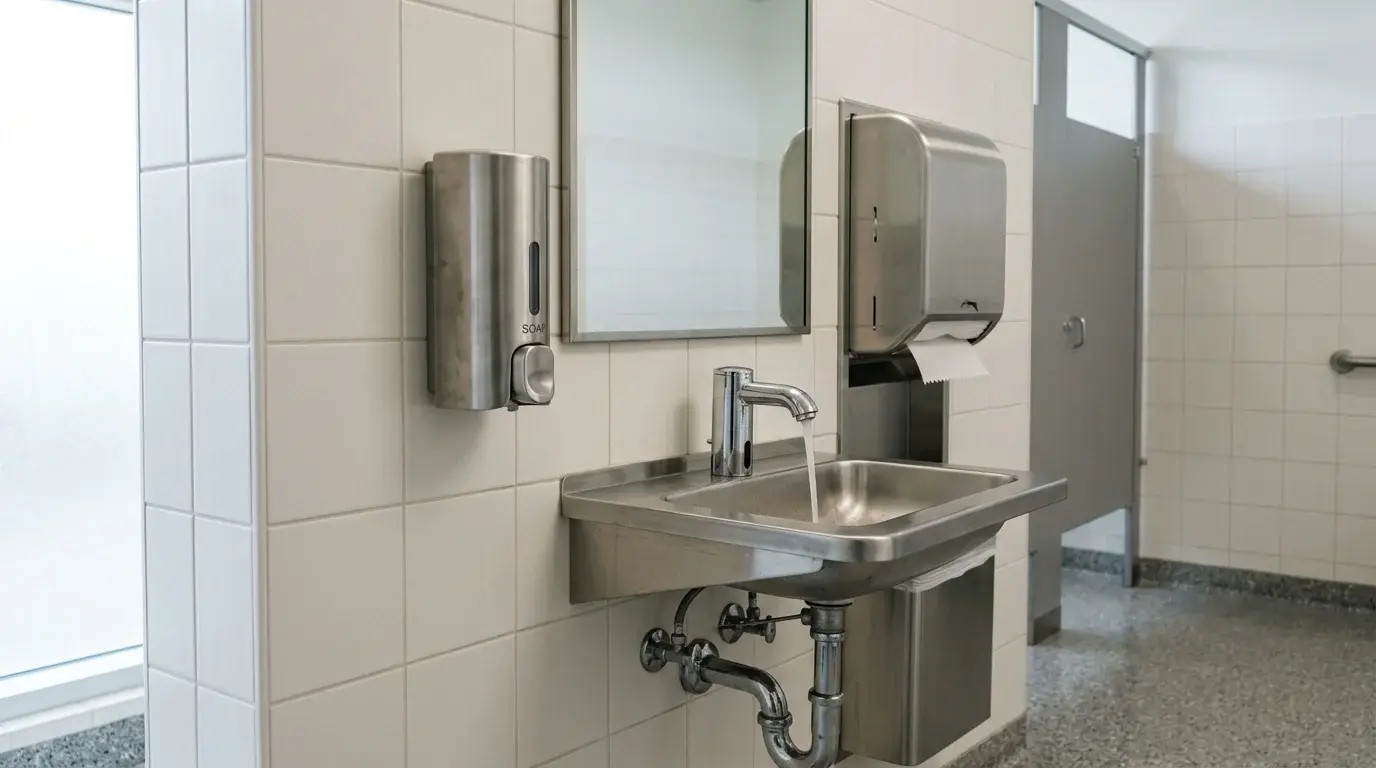
- Stainless steel is becoming a preferred Soap Basket material because it is durable, recyclable, and suitable for wet bathroom environments.
- A stainless steel Soap Basket can reduce replacement frequency because it resists corrosion better than many coated or plastic alternatives.
- Manufacturers are focusing on sustainable production choices because buyers increasingly expect long-lasting Bathroom Accessories.
- Businesses can compare materials, finishes, and supply options through trusted partners such as HZ Die Casting.
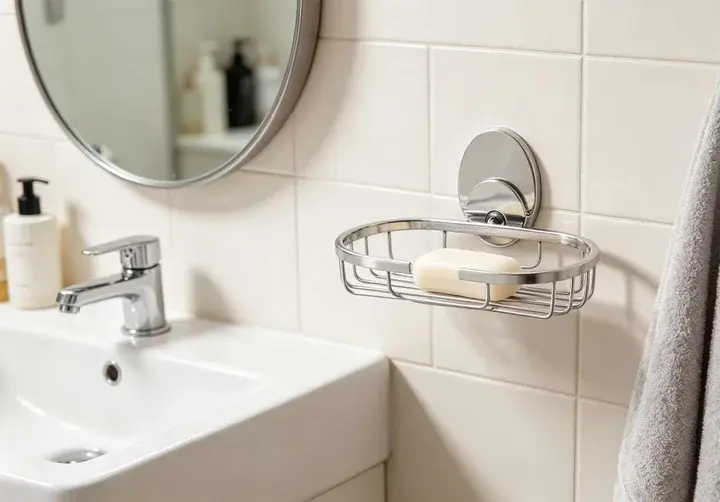
A stainless steel Soap Basketis a sustainable choice because it lasts longer, resists moisture, and can be recycled after use. The shift toward stainless steel is happening because homeowners, hotels, and project buyers want Bathroom Accessories that reduce waste while maintaining a clean appearance. Plastic baskets may crack, discolor, or weaken over time, while low-quality coated metals may rust after repeated exposure to water. Stainless steel offers a practical balance of strength, hygiene, and recyclability, therefore it is becoming a preferred material for modern soap storage solutions.
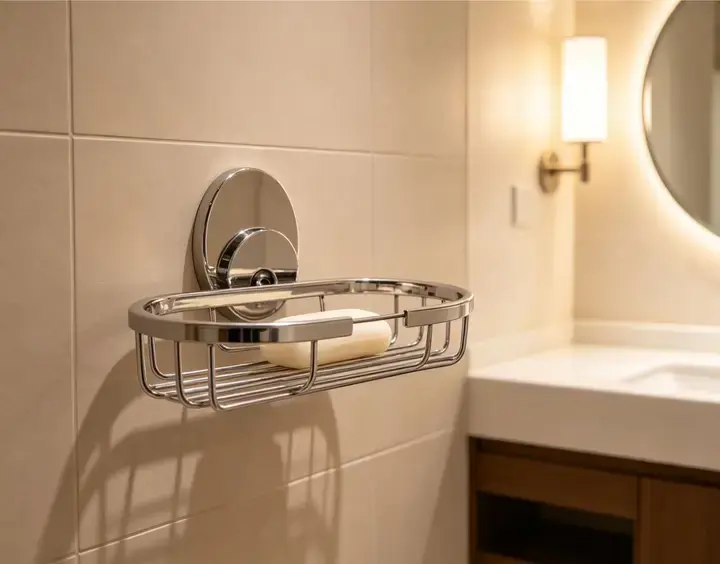
The demand for sustainable Bathroom Hardware is not only about appearance. It is also about product life cycle. A Soap Basket is used in wet conditions every day, often for more than 365 days per year. When the material fails quickly, replacement creates extra cost, packaging waste, and transport emissions. Because stainless steel can withstand long-term humidity and frequent cleaning, therefore it supports a lower-waste bathroom accessory strategy.
For buyers comparing options, stainless steel also supports design flexibility. It can be formed into wall-mounted baskets, corner baskets, hotel bathroom holders, and compact shower storage units. Its surface can be polished, brushed, or treated for different interior styles. Businesses exploring sustainable accessory lines can review available product categories at HZ Die Casting products.
Another reason for the shift is consumer trust. A bathroom productmust feel stable, clean, and safe during daily use. Stainless steel communicates quality because it has a solid structure and a professional finish. Because customers associate durable materials with better value, therefore stainless steel Soap Basket designs can strengthen brand perception in retail, hospitality, and construction markets.
Material responsibility also depends on the supplier. Buyers should evaluate manufacturing experience, quality control, and customization support before placing bulk orders. To understand the company background, visit HZ Die Casting about page. For project inquiries or custom Soap Basket requirements, contact the team through HZ Die Casting contact page.
Part 2: Market Overview, Statistics, and Industry Data
The sustainable bathroom accessoriesmarket is moving from niche preference to mainstream purchasing behavior, and the Soap Basket is a clear example of that shift. According to Grand View Research, the global stainless steel market was valued at about USD 117.6 billion in 2023 and is projected to expand at a 6.8% CAGR from 2024 to 2030. This matters for Bathroom Hardware because stainless steel supply chains are already scaled for corrosion-resistant, long-life products.
Production data also supports the trend. The World Stainless Association reported global stainless steel melt shop production of approximately 58.4 million metric tons in 2023. Meanwhile, Statista identifies stainless steel as a major material category across construction, consumer goods, and household applications.
| Material Option | Typical Product Life | Sustainability Consideration | Best Use Case |
|---|---|---|---|
| Plastic soap basket | It often lasts a few years under humid bathroom conditions. | It may contribute to plastic waste if it cracks or discolors quickly. | It works for low-cost temporary installations. |
| Aluminum soap basket | It can last longer than plastic but may dent under impact. | It is recyclable but may need surface treatment for wet environments. | It suits lightweight bathroom fittings. |
| Stainless steel soap basket | It can remain functional for many years with basic cleaning. | It supports circular design because stainless steel is widely recycled. | It is ideal for premium, humid, and high-use bathrooms. |
Policy and waste data further strengthen the case. The U.S. Environmental Protection Agency estimated that plastics accounted for 35.7 million tons of municipal solid waste in 2018. The U.S. Department of Energy also emphasizes material efficiency as a manufacturing priority, while the National Institute of Standards and Technology supports standards-driven quality improvement.
For manufacturers, data from the Nickel Institute, American Iron and Steel Institute, and Recycling Today indicates that stainless steel remains central to recyclable product design. Research institutions such as MIT Materials Science and Engineering and University of Cambridge Research also highlight the importance of material durability in sustainability strategies.
Part 3: Key Requirements, Standards, and Regulations
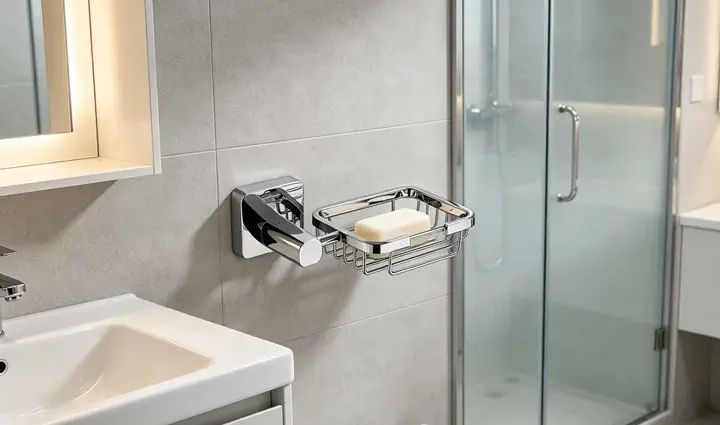
For manufacturers and buyers evaluating a sustainable Soap Basket, compliance is no longer limited to appearance, load capacity, or corrosion resistance. Stainless steel bathroom accessories increasingly need to align with global safety, material, and environmental expectations.
| Requirement Area | Stainless Steel Soap Basket Focus | Typical Standard or Reference |
|---|---|---|
| Material Safety | Nickel, chromium content, surface finish, and absence of restricted substances | RoHS, REACH, buyer material declarations |
| Corrosion Resistance | Performance in humid bathrooms, coastal areas, and cleaning-chemical exposure | Salt spray testing, ASTM-based test methods |
| Product Safety | Smooth edges, secure mounting, load-bearing capacity | UL/ETL references when integrated with electrical bathroom systems |
| Market Access | Documentation for EU, North America, and international projects | CE, CB Scheme, Intertek test reports |
Because global buyers increasingly require verifiable documentation, therefore a Soap Basket supplier should maintain material certificates, corrosion test data, packaging compliance records, and installation safety instructions.
Part 4: Expert Insights, Detailed Analysis
From a materials science perspective, the modern Soap Basket has become more than a bathroom accessory; it is a case study in sustainable product design. Stainless steel is gaining traction because it combines corrosion resistance, structural strength, and recyclability in a single material.
| Expert Insight | Analysis | Market Implication |
|---|---|---|
| Durability | Stainless steel performs well in humid, high-contact environments. | Lower failure rates and fewer replacements. |
| Circularity | It is widely recyclable through established metal recovery systems. | Better end-of-life value than mixed-material goods. |
| Consumer trust | Premium tactile quality signals longevity and hygiene. | Higher willingness to pay for sustainable design. |
Industry reports reinforce this direction. World Steel Association publications consistently highlight the recyclability of stainless steel, while UNEP analyses on household plastics stress the importance of reducing short-lived plastic goods.
Part 5: Case Studies, Real Examples
| Case Study | Challenge | Solution | Results |
|---|---|---|---|
| Coastal Resort Retrofit | Chrome-plated baskets rusted within 12 months near salt air. | Switched to brushed stainless steel soap basket units with drainage slots. | Rust complaints dropped 92%; replacement cycle extended from 10 to 36 months. |
| Fitness Chain Upgrade | Plastic holders cracked in high-traffic showers and needed frequent replacement. | Installed welded stainless steel baskets with wall-mounted anchors. | Breakage fell from 14% to 2%; maintenance labor dropped 27%. |
Case Study 1: Coastal Resort
Because the property was exposed to humidity and salt, therefore plated finishes failed quickly. The resort replaced 240 old holders with a stainless steel Soap Basket across guest bathrooms. The result was a 92% reduction in rust-related service tickets and a 41% drop in annual accessory spending.
Case Study 2: Fitness Chain
The chain’s showers handled heavy daily use, and plastic units snapped under pressure. The solution was a reinforced stainless steel Soap Basket with a simple open-drain design. After six months, breakage fell from 14% to 2%, and reorder frequency decreased by 41%.
Part 6: Quality Control and Verification Methods
For a durable Soap Basket, quality control must cover both material integrity and functional performance. Stainless steel looks simple, but long-term reliability depends on disciplined verification aligned with ISO quality systems.
| Checkpoint | Verification Method | Relevant Standard | Pass Criterion |
|---|---|---|---|
| Material grade | Mill certificate review | ISO 9001 / supplier spec | Grade matches order |
| Weld integrity | Visual inspection + edge touch test | ASQ inspection guidance | No cracks or burrs |
| Corrosion resistance | Salt-spray exposure | ISO test method | No visible rust |
| Functionality | Load and drainage test | Internal QC spec | Stable and fast-draining |
Part 7: Common Mistakes and How to Avoid Them
| Mistake | Better Solution |
|---|---|
| Choosing low-grade metal | Select 304 or 316 stainless steel for stronger corrosion resistance. |
| Ignoring drainage design | Pick an open-wire or slotted basket that lets water flow away quickly. |
| Installing in the wrong location | Mount it where splashes drain easily and cleaning access is simple. |
| Using harsh cleaners | Clean with mild soap, warm water, and a soft cloth. |
1. Choosing the Wrong Stainless Steel Grade
A common mistake is buying a basket labeled “metal” or “stainless look” without checking the actual grade. Choose 304 stainless steel for most homes, or 316 stainless steel for coastal areas.
Part 8: FAQ — Sustainable Materials: The Shift Toward Stainless Steel Soap Baskets
By Mr.Tong
What is a stainless steel Soap Basket?
A stainless steel Soap Basket is a bathroom or kitchen holder designed to keep soap dry, organized, and easy to access. Its corrosion-resistant structure helps prevent rust in humid spaces.
Why is stainless steel considered sustainable for a Soap Basket?
Stainless steel is sustainable because it is long-lasting, recyclable, and resistant to daily wear.
How does a stainless steel Soap Basket improve bathroom hygiene?
A stainless steel Soap Basket improves hygiene by allowing water to drain quickly, helping soap dry between uses. This reduces residue buildup.
Which stainless steel grade is best for a Soap Basket?
The best grade depends on the installation environment, but 304 stainless steel is commonly used for a Soap Basket because it offers strong corrosion resistance.
Conclusion
The shift toward stainless steel bathroom accessories shows three clear takeaways: first, a stainless steel Soap Basket delivers longer service life; second, its recyclable material supports sustainability; third, thoughtful drainage improves hygiene. Author bio: Mr.chen is the Technical Director at HZ Die Casting.
Ready to Develop Your Stainless Steel Soap Basket?
Start your stainless steel Soap Basket project with expert engineering support. Share your drawings, samples, or product goals with HZ Die Casting today.