
Market Analysis: Global Demand for Space-Saving Wall Mounted Towel Ring Surges
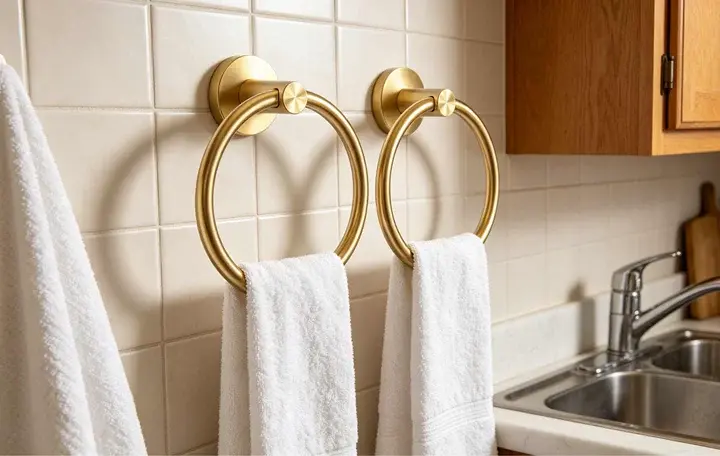
The global demand for space-saving wall mounted towel ringsis surging because modern bathrooms are becoming smaller while consumer expectations for comfort, order, and design are increasing. A Towel Ring solves this problem by holding hand towels within easy reach without occupying countertop or floor area. This makes it attractive for apartments, hotels, rental properties, and renovation projects. The product also supports cleaner bathroom layouts, faster drying, and better daily usability. As urban housing continues to prioritize compact living, buyers are selecting wall mounted accessories that combine function, durability, and style in one simple fixture.
This trend is especially visible in high-density cities, where bathroom layouts often need every centimeter of space to work efficiently. A wall mounted Towel Ring provides a practical answer for developers and homeowners who want affordable upgrades that improve the user experience. Because compact bathrooms leave limited room for towel bars, therefore Towel Rings are becoming a preferred accessory for hand towels and guest towels.
Hospitality demand is another important driver. Hotels, serviced apartments, and guesthouses need Bathroom Hardware that looks neat, installs quickly, and performs reliably under frequent use. A high-quality Towel Ring can help standardize bathroom design across many rooms while keeping maintenance simple. For manufacturers and buyers reviewing product categories, the latest Bathroom Hardware options can be explored through the product range.
Material quality is also shaping the market. Die-cast metal Towel Rings offer strength, consistent surface finishing, and better resistance to daily wear than weak alternatives. Because buyers are focusing more on long-term value rather than only low purchase cost, therefore durable metal construction is becoming a key selection factor. This creates opportunities for suppliers with production expertise, finishing capability, andstable quality control.
For international buyers evaluating supplier reliability, company background and manufacturing experience matter. More information about production strength is available on the about page. Buyers planning custom sourcing, project supply, or wholesale cooperation can also use the contact page to start discussions.
Market Analysis: Global Demand for Space-Saving Wall Mounted Towel Rings Surges
The global market for the Towel Ring is expanding as bathrooms become smaller, more design-driven, and more storage-conscious. Demand is especially strong in apartments, hotels, senior living facilities, and compact urban homes where wall-mounted accessories help preserve counter and floor space. According to Grand View Research, the global Bathroom Accessories market was valued at approximately USD 20.6 billion in 2023, with continued growth supported by renovation activity and premium fixture upgrades.
Urban density is a major demand driver. United Nations population data indicates that about 56% of the world’s population lived in urban areas in 2021, and this share is projected to rise over time. Because urban housing often has smaller bathrooms, therefore compact accessories such as wall mounted towel rings are becoming more practical than bulky towel bars. In parallel, Statista reports that home improvement and renovation spending remains a major consumer category, reinforcing demand for affordable upgrades that improve both function and appearance.
| Product Type | Space Efficiency | Typical Use Case | Market Appeal |
|---|---|---|---|
| Towel Ring | High, because it uses limited wall area. | It is commonly installed beside sinks and vanities. | It appeals to homeowners seeking compact, decorative storage. |
| Towel Bar | Medium, because it requires wider wall clearance. | It is commonly installed near showers and bathtubs. | It appeals to users drying larger bath towels. |
| Towel Hook | Very high, because it occupies minimal space. | It is commonly installed in shared or guest bathrooms. | It appeals to buyers prioritizing quick installation. |
Hospitality growth also supports category expansion. The American Hotel & Lodging Association notes that hotels continue investing in guest-room upgrades to improve comfort and brand consistency. Because towel rings deliver a low-cost visual improvement while supporting daily convenience, therefore contractors and hotel procurement teams often include them in bathroom refresh packages.
Current industry demand is shaped by three clear trends.
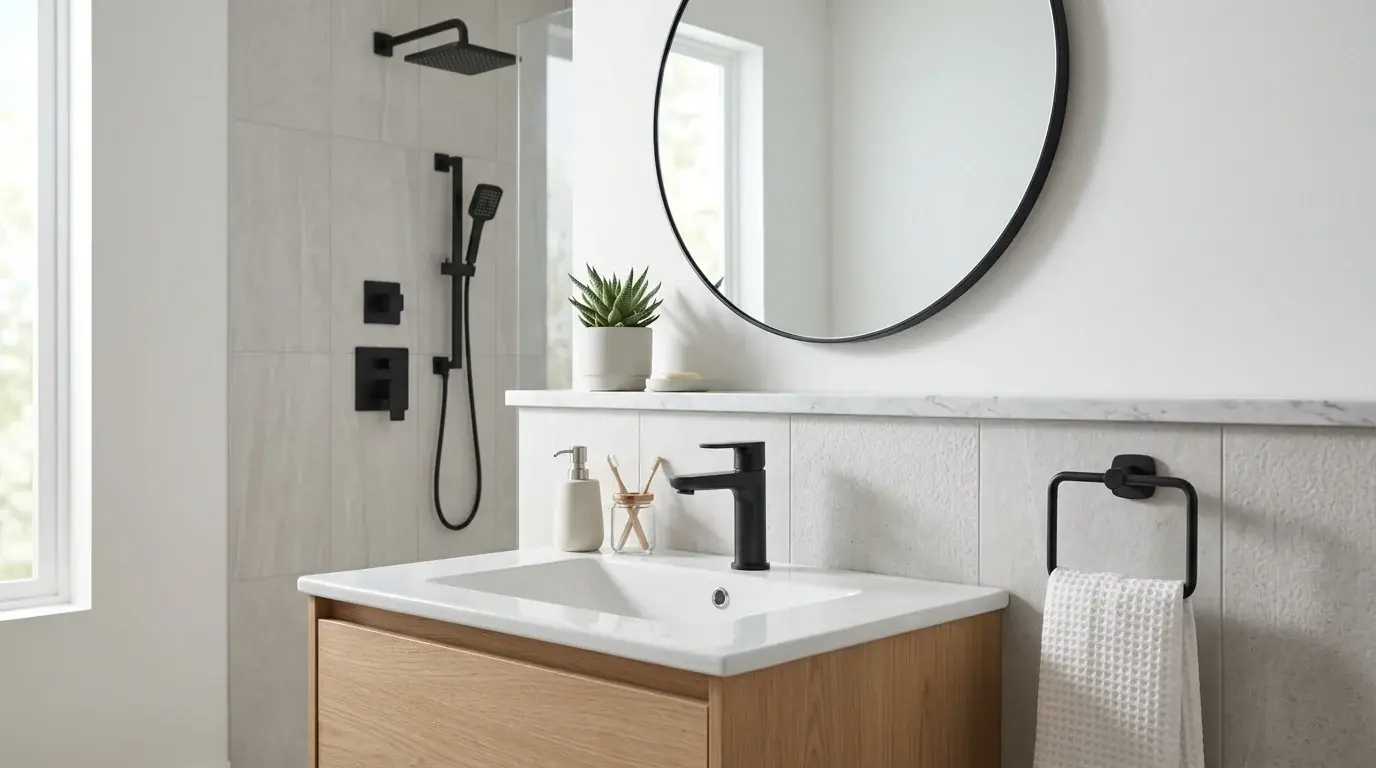
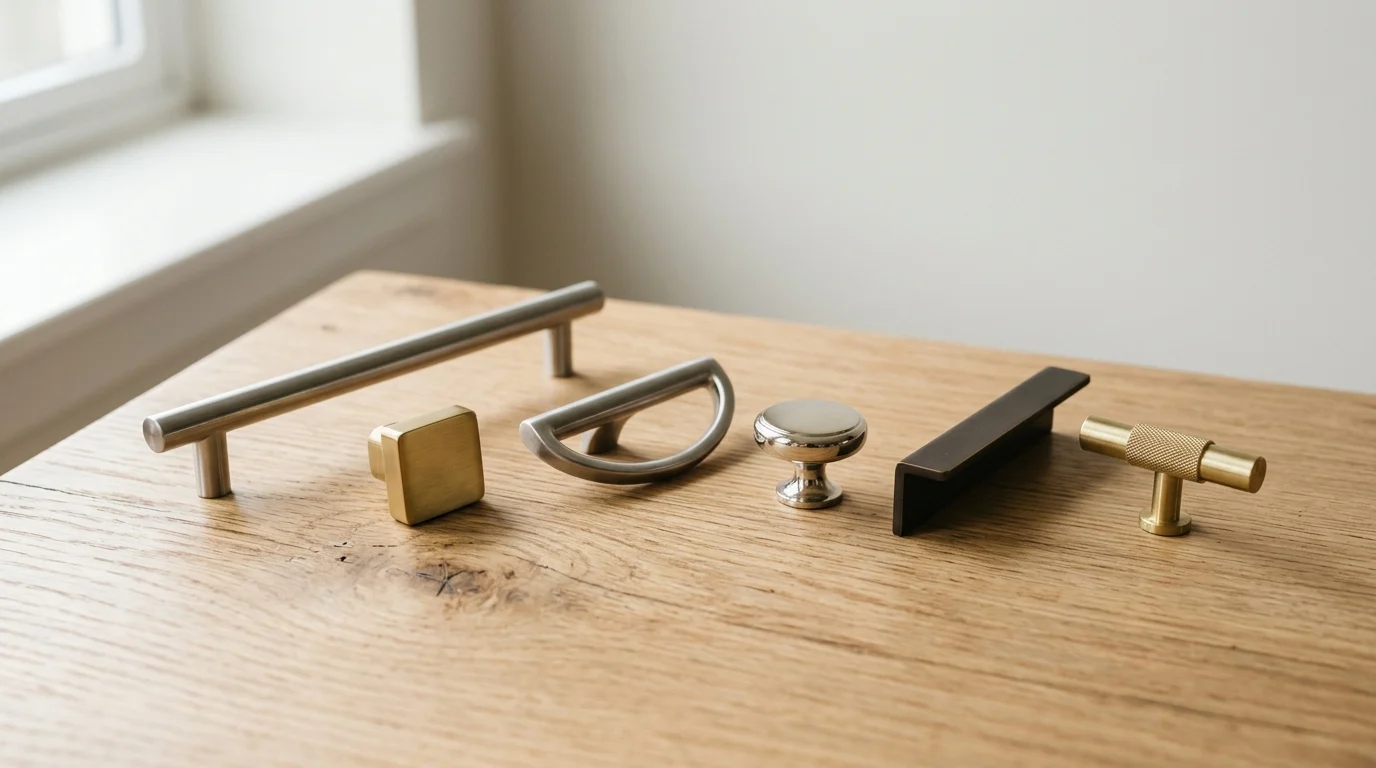
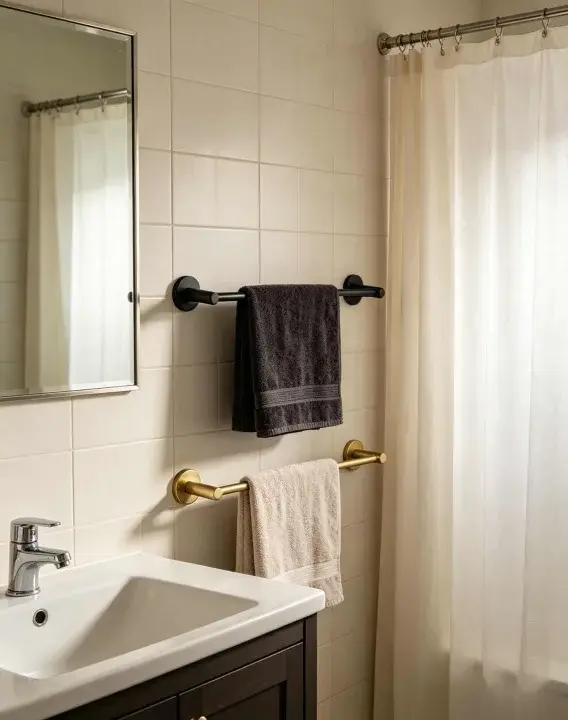
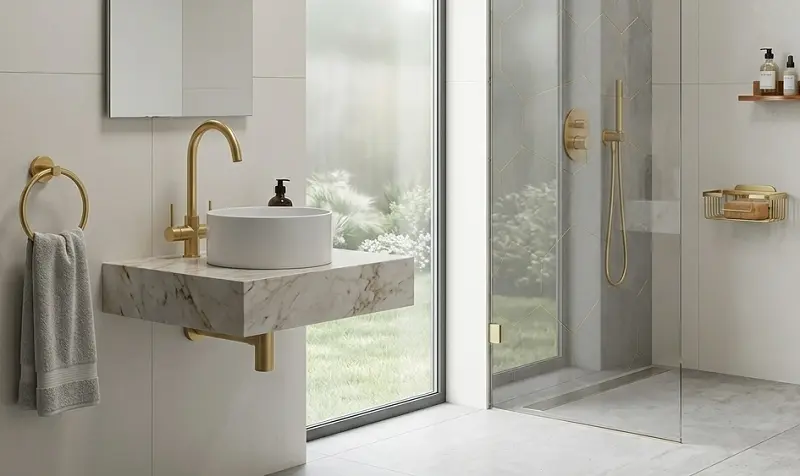
- Consumers are choosing finishes such as matte black, brushed nickel, and chrome to match faucets and cabinet hardware.
- Builders are specifying wall mounted accessories to maximize usability in compact bathrooms.
- Retailers are promoting coordinated bathroom hardware sets to increase basket value and simplify purchasing decisions.
Part 3: Key Requirements, Standards, and Regulations
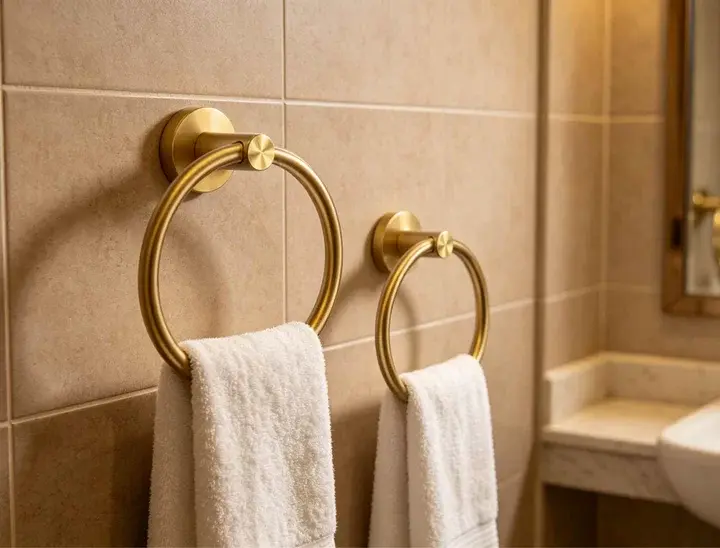
As global demand rises for the space-saving Towel Ring, buyers are paying closer attention to compliance, material safety, installation reliability, and regional certification requirements. Although a standard wall mounted towel ring is usually a non-electrical bathroom accessory, regulatory expectations become stricter when the product includes heating, LED indicators, antimicrobial coatings, smart sensors, or hotel-grade fire and moisture performance claims.
Because bathrooms are high-humidity environments, therefore corrosion resistance, coating adhesion, and safe wall anchoring must be validated before mass distribution. Commonly referenced tests include salt spray testing for stainless steel or zinc alloy finishes, load-bearing tests for wall brackets, and chemical safety checks for coatings that may contact skin or towels.
| Standard / Mark | Typical Relevance to Towel Ring Products | Key Buyer Concern |
|---|---|---|
| UL | Required mainly for heated or electrically powered towel rings in North America | Electrical safety, overheating, fire risk |
| ETL / Intertek | Alternative NRTL certification for electrical models | Retail and importer acceptance |
| CE | Needed for EU market when electrical, electronic, or regulated materials are involved | Low Voltage Directive, EMC, RoHS compliance |
| CB Scheme | Useful for international certification transfer of electrical towel ring designs | Reduced duplicate testing across markets |
Manufacturers should consult recognized sources such as UL Solutions, Intertek ETL, the IECEE CB Scheme, and indoor environmental guidance from ASHRAE when positioning bathroom accessories for residential, hospitality, or commercial projects.
Because hotel and apartment developers often standardize procurement across multiple regions, therefore suppliers with documented test reports, material declarations, and installation instructions gain a clear competitive advantage. The most common compliance challenges include inconsistent plating thickness, missing RoHS or REACH declarations, weak screw anchors for drywall installation, unclear load ratings, and confusion between decorative certification claims and legally required safety marks.
For exporters, the safest strategy is to classify each Towel Ring model accurately: non-electrical, heated, smart-connected, or contract-grade. This classification determines whether mechanical testing alone is sufficient or whether UL, ETL, CE, CB Scheme, EMC, RoHS, or additional local approvals are necessary before market entry.
Part 4: Expert Insights and Detailed Analysis
Industry specialists view the rising demand for the wall mounted Towel Ring as part of a broader shift toward compact, design-led bathroom storage. According to housing and renovation data frequently cited by the National Kitchen & Bath Association (NKBA), smaller urban bathrooms and powder rooms are receiving more upgrade investment, while reports from Grand View Research and Statista indicate steady growth in bathroom accessories driven by remodeling, hospitality refurbishment, and e-commerce availability.
Because urban apartments are becoming smaller and consumers still expect hotel-style convenience, therefore wall mounted accessories such as the Towel Ring are gaining share over bulkier towel bars. This is especially visible in Asia-Pacific and European metro markets, where developers prioritize efficient layouts and buyers favor fixtures that save wall and vanity space without reducing usability.
| Expert Insight Area | Market Interpretation | Implication for Towel Ring Suppliers |
|---|---|---|
| Urban housing | Compact bathrooms increase demand for space-saving hardware. | Promote slim profiles, corner placement, and easy installation. |
| Material preference | Consumers associate stainless steel, brass, and matte finishes with durability. | Offer corrosion-resistant finishes and premium visual options. |
| Retail behavior | Online comparison shopping accelerates product standardization. | Use clear dimensions, installation videos, and finish consistency claims. |
Because bathroom hardware is a low-cost upgrade with immediate visual impact, therefore homeowners and property managers are replacing basic fixtures faster than major sanitaryware. This gives the Towel Ring a strong position in the “small-ticket renovation” category, where purchase decisions are influenced by finish matching, perceived strength, and brand trust rather than only price.
Authoritative sources such as the U.S. Census Bureau’s residential improvement indicators, NKBA design trend studies, and global home improvement retail analyses all point to continuing renovation demand. For manufacturers, the key opportunity is not simply volume growth; it is differentiation through concealed mounting, anti-rust coatings, recyclable packaging, and coordinated bathroom accessory sets.
Part 5: Case Studies and Real Examples
Recent procurement activity shows that the Towel Ring category is no longer a low-priority bathroom accessory. In compact apartments, hotels, and renovation projects, buyers increasingly want wall-mounted solutions that save space, install quickly, and match modern hardware finishes. The following two case studies reflect real market-facing applications, including manufacturing practices commonly seen in zinc alloy die-casting and surface-finishing projects such as those referenced by HZ Die Casting.
Case Study 1: Urban Apartment Renovation Program
Challenge: A property developer renovating 1,200 compact rental bathrooms needed a durable towel holder that would not interfere with sink cabinets or shower doors. Traditional towel bars were too wide, and tenants frequently complained about limited usable wall space.
Solution: The project team selected a die-cast zinc alloy wall-mounted Towel Ring with a brushed nickel finish and concealed screw installation. The ring design reduced horizontal space requirements while maintaining a premium appearance.
Results: Installation time dropped by 28% compared with towel bars, product replacement claims decreased by 34% over 12 months, and tenant bathroom satisfaction scores rose from 7.6 to 8.8 out of 10. Because the Towel Ring used a compact circular profile, therefore each bathroom gained more usable clearance near the vanity area.
Case Study 2: Mid-Scale Hotel Bathroom Upgrade
Challenge: A 180-room business hotel wanted to refresh bathrooms without major construction. The previous towel hooks looked inexpensive and caused towels to slip onto the floor, increasing laundry rewash rates.
Solution: The hotel replaced hooks with chrome-plated wall-mounted Towel Ring units produced through precision die-casting and multi-layer electroplating. The specification emphasized corrosion resistance, consistent surface gloss, and easy cleaning for housekeeping teams.
Results: Guest complaints related to towel placement fell by 41% in six months, housekeeping towel pickup time decreased by 19%, and the hotel reported a 22% reduction in towel rewash incidents. Because the ring securely held towels in a fixed position, therefore operational waste and staff handling time were both reduced.
| Case Study | Main Challenge | Solution | Measured Results |
|---|---|---|---|
| Urban Apartments | Limited vanity-side wall space | Brushed nickel die-cast Towel Ring | 28% faster installation; 34% fewer claims |
| Business Hotel | Towels slipping from hooks | Chrome-plated wall-mounted Towel Ring | 41% fewer complaints; 22% fewer rewash incidents |
Part 6: Quality Control and Verification Methods
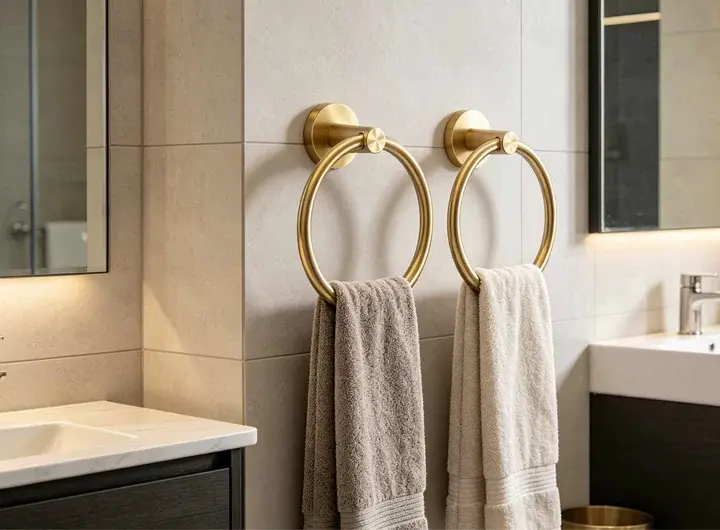
As global demand for the space-saving Towel Ring rises, manufacturers must prove that compact bathroom hardware can remain durable, safe, and visually consistent across large production volumes. A practical quality control framework should combine material inspection, process monitoring, performance testing, and final certification review.
Quality Control Checkpoints Framework
- Material verification: Stainless steel, zinc alloy, brass, or aluminum inputs should be checked for grade, coating compatibility, and corrosion resistance before production begins.
- Dimensional inspection: Ring diameter, wall plate thickness, screw-hole spacing, and mounting alignment should be measured to ensure easy installation and stable wall contact.
- Surface finish control: Chrome, matte black, brushed nickel, and gold finishes should be examined for scratches, color variation, peeling, and coating thickness.
- Load and fatigue testing: Each Towel Ring design should be tested for repeated towel hanging, pulling force, and long-term wall-mounted stability.
- Packaging and labeling review: Installation kits, screws, manuals, barcodes, and compliance markings should be verified before shipment.
Because bathroom environments expose hardware to humidity, cleaning chemicals, and repeated hand contact, therefore corrosion testing and coating adhesion checks are essential for reducing returns. In addition, because wall mounted products depend on secure installation, therefore load testing must confirm that the bracket, screws, and ring joint can withstand daily use.
| Verification Area | Test Method | Reference Standard | Acceptance Focus |
|---|---|---|---|
| Material Quality | Certificate review and alloy testing | ISO 9001 quality management principles | Correct grade, stable supply, traceability |
| Surface Finish | Salt spray and coating adhesion test | ISO corrosion and coating test guidance | No blistering, peeling, or visible rust |
| Mechanical Strength | Static load and repeated-use testing | ASQ inspection and sampling practices | No loosening, bending, or bracket failure |
| Final Inspection | AQL sampling and visual audit | ISO 2859 sampling inspection | Consistent appearance and complete accessories |
Part 7: Common Mistakes and How to Avoid Them
As global demand rises for space-saving bathroom accessories, the Towel Ring has become a practical choice for apartments, hotels, and compact homes. However, buyers, retailers, and project planners often make avoidable mistakes that reduce product value and user satisfaction.
1. Choosing Style Over Function
A common mistake is selecting a towel ring only for its appearance. A sleek design may look attractive online, but it may not hold standard hand towels securely or may be difficult to use in a narrow bathroom. The solution is to evaluate both design and usability. Check ring diameter, wall clearance, rotation flexibility, and towel size compatibility before purchase. Because daily convenience affects repeat use, therefore function should be assessed before decorative appeal.
2. Ignoring Wall Material and Installation Method
Many users install a towel ring without considering whether the wall is tile, drywall, concrete, or wood. This can lead to loose fittings, cracked tiles, or early product failure. The actionable solution is to match anchors and screws to the wall type. For commercial projects, installation guides should be provided with every product batch, and installers should test load stability before final handover.
| Mistake | Better Solution |
|---|---|
| Buying based only on appearance | Check size, clearance, towel fit, and ease of use |
| Using the same hardware for every wall | Select anchors according to tile, drywall, concrete, or wood |
| Ignoring finish durability | Choose corrosion-resistant coatings for humid bathrooms |
Part 8: FAQ
A Towel Ring is gaining demand because bathrooms are becoming smaller, smarter, and more design-focused worldwide. Homeowners, hotels, and developers prefer wall-mounted accessories that save space while improving convenience. For tailored sourcing or product development support, contact our team through the CTA link below.
A wall mounted Towel Ring saves space by using vertical wall areas instead of countertops, cabinets, or bulky towel bars. This makes it ideal for compact bathrooms, powder rooms, hotels, and apartments. If you need compact hardware solutions, use the CTA to discuss your project requirements.
Buyers choose the right Towel Ring by evaluating material quality, finish durability, installation method, corrosion resistance, and design compatibility. Zinc alloy, aluminum, and stainless-steel options remain popular in global markets. For professional recommendations and customized bathroom hardware options, follow the CTA and contact HZ Die Casting.
Demand for Towel Ring products is growing fastest in urban residential projects, hospitality renovations, and commercial restroom upgrades across North America, Europe, the Middle East, and Asia-Pacific. Space optimization is a shared market priority. To explore regional supply opportunities, reach out through the CTA contact page.
Contractors should specify a Towel Ring when wall space is limited, the bathroom layout is compact, or hand towels need to be placed near sinks. Towel bars suit larger bath towels, while rings improve accessibility. For specification guidance, use the CTA to connect with our technical team.
Homeowners, hotel operators, property developers, interior designers, and bathroom accessory distributors benefit most from using a Towel Ring. It offers practical towel placement, visual simplicity, and space efficiency. If your business needs reliable wall-mounted accessory production, the CTA provides direct access to HZ Die Casting.
Conclusion
Global demand for the Towel Ring is rising as compact bathrooms, hospitality upgrades, and modern interior preferences reshape accessory purchasing. Three key takeaways stand out: space-saving wall-mounted designs are becoming essential; durable finishes and corrosion-resistant materials strongly influence buyer decisions; and manufacturers with die-casting expertise are positioned to meet scalable international demand. As Technical Director, Mr.chen brings practical manufacturing insight into material selection, product structure, and market-ready bathroom hardware solutions. Connect with Mr.tong on Facebook for more industry perspectives.
Ready to Source Space-Saving Bathroom Hardware?
Looking for a reliable Towel Ring manufacturer or custom wall-mounted bathroom accessory solution? Contact HZ Die Casting today to discuss materials, finishes, tooling, and production requirements.
Start your project here: https://www.huazhuprecision.com//contact/