
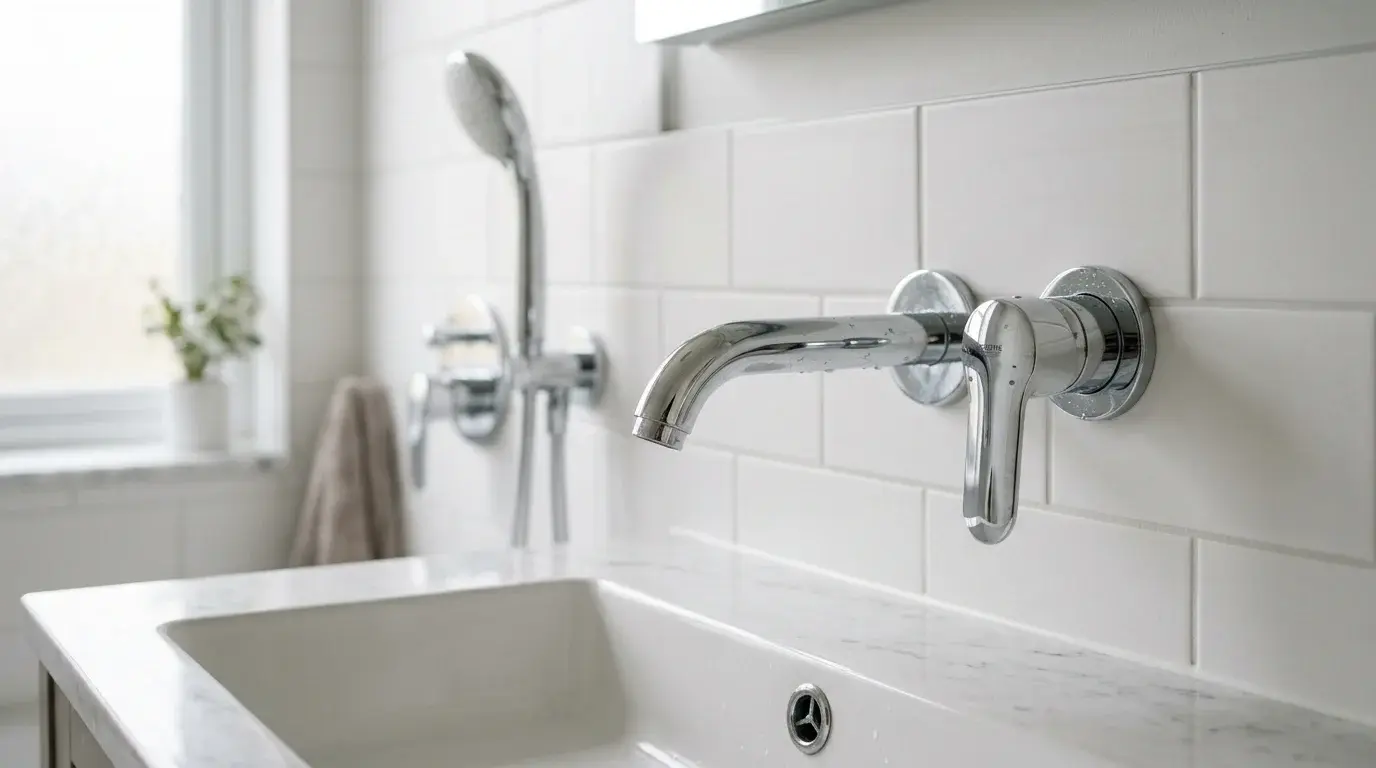
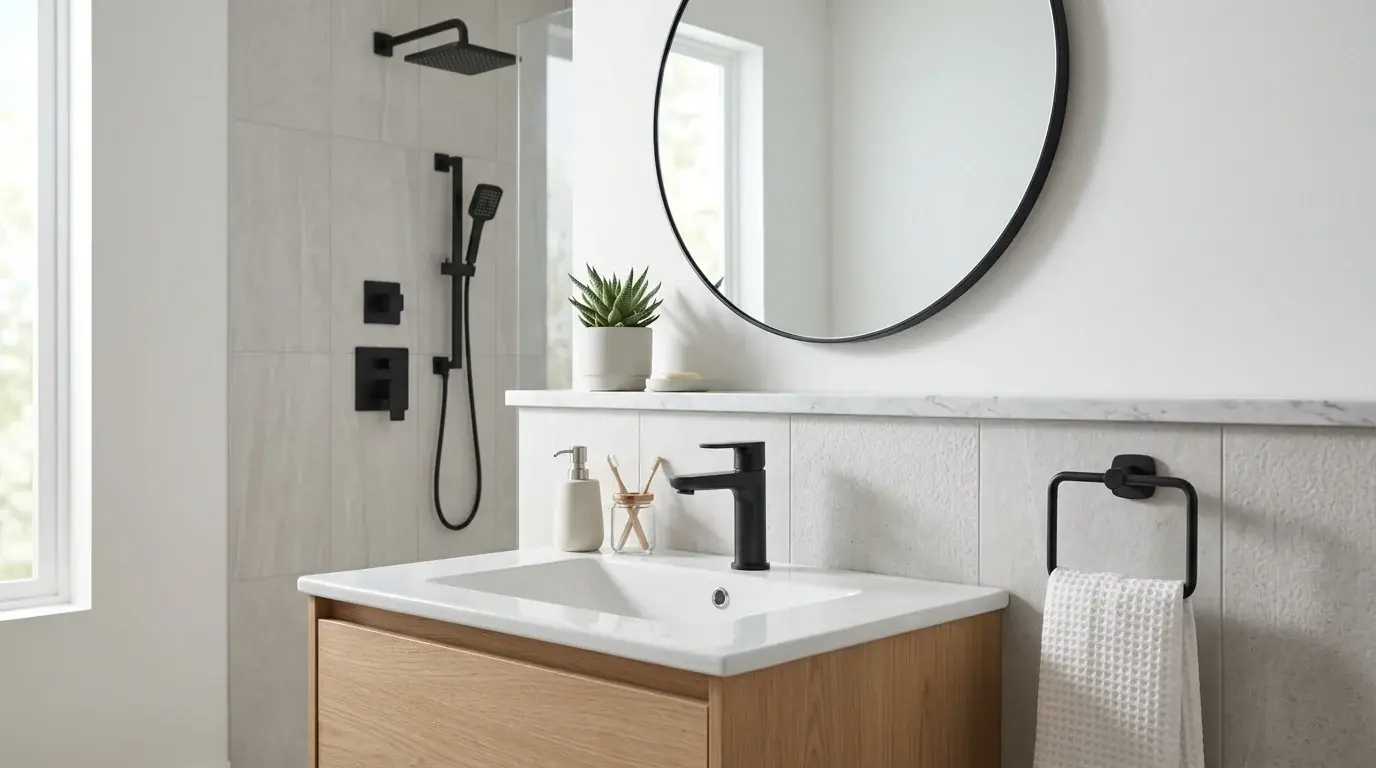


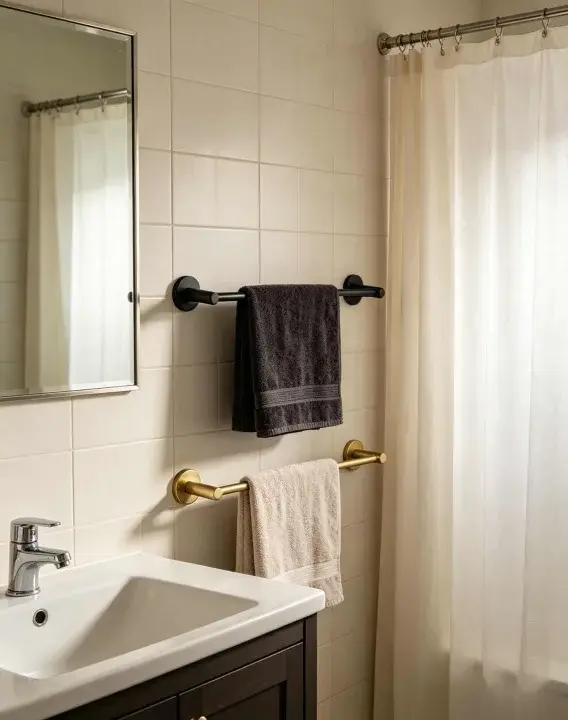
Total Bathroom Coordination: Matching Drains with Hinges and Glass Fittings
The short answer is this: a bathroom looks better, drains better, and is easier to install when the drain, hinges, and glass fittings are chosen as one Coordinated Hardware Set rather than as separate parts. A well-planned Matching Bathroom Fitting strategy aligns finish, geometry, corrosion resistance, glass thickness compatibility, and water flow direction. That matters because hardware in the shower zone is seen together within a space that may be only 3 m to 8 m, so even small mismatches in color or form become obvious. It also matters because water management depends on every component working together, so the wrong drain placement can undermine even premium hinges and clamps.
For most projects, the best approach is to start with the enclosure layout, then choose an Integrated Drain System, then match visible metal details into a Unified Style Hardware package, and finally confirm supply as a Complete Enclosure Kit. This reduces rework, supports cleaner lines, and helps installers maintain tolerances such as 2 mm to 5 mm clearances. Because all wet-zone components share the same visual field, so coordinated design creates a more intentional room. Because drainage and enclosure geometry interact, so coordinated specification improves both function and appearance.
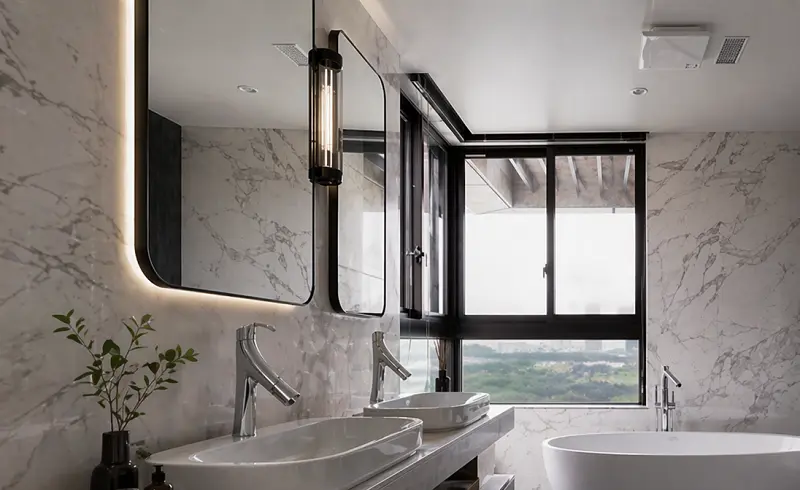
Why total bathroom coordination matters
A modern bathroom is not a collection of isolated products. It is a system. The drain controls where water exits. The hinge controls door movement and alignment. The clamp or connector controls glass stability. The handle affects user touch every day. When these pieces are selected independently, the room may still function, but it rarely feels finished. By contrast, a Coordinated Hardware Set creates one design language across all exposed metal parts.
This is especially important in frameless or semi-frameless showers, where the eye notices every line. A matte black drain paired with polished chrome hinges can look accidental. A square grate combined with rounded hinges can also feel unresolved. These are not always technical failures, but they are coordination failures. Because bathrooms are compact spaces, so the eye compares every component at close range. Because reflective surfaces amplify contrast, so minor mismatches appear stronger than they would in a larger room.
Coordination also affects practical outcomes. An Integrated Drain System chosen early can shape the tile slope, threshold height, and glass panel location. If the drain is specified too late, installers may be forced into awkward compromises. That can influence splash control, door swing, and cleaning access. A thoughtful Matching Bathroom Fitting plan therefore saves effort long before the room is used.
The five layers of a coordinated bathroom hardware plan
Choose a consistent visible finish such as brushed nickel, satin black, PVD gold tone, or polished stainless look. The Unified Style Hardware principle begins here.
Match square drains with square clamps and flat-edged hinges, or curved drains with softer profiles. Geometry matters as much as color.
Use compatible alloys and coatings in the same wet zone. Corrosion resistance should be consistent, not uneven.
Check glass thickness, fixing points, slope, and wall conditions. A real Complete Enclosure Kit reduces site uncertainty.
Ensure the drain cover lifts easily, hinges allow service access, and seals are replaceable after 12 months to 36 months of use if needed.
How to match drains with hinges and glass fittings
Start with the enclosure type. A pivot door, sliding door, corner entry, or fixed-panel screen each creates different visual and mechanical priorities. A pivot door may need stronger hinge capacity and precise floor clearances, while a fixed screen allows a more minimal appearance. Once the enclosure is defined, select the drain style that complements both the floor layout and the hardware language.
A linear drain often suits long, clean lines and contemporary frameless glass. A square drain may suit compact spaces or tile-centered layouts. In both cases, the visible drain cover should relate to the enclosure hardware. If the hinges have sharp edges and flat faces, a similarly crisp drain cover works well. If the fittings use softened corners, a gentler grate pattern may feel more integrated.
Then confirm technical fit: glass thickness might be 8 mm, 10 mm, or 12 mm; wall anchoring may vary; and door swing can intersect with floor slope. Because the drain affects tile pitch, so it can influence how the bottom seal meets the floor. Because hinge axis and threshold detail must work together, so early coordination reduces leakage risk.
https://www.huazhuprecision.com/shower-room-fittings/
Design rules for a unified look
| Design element | What to coordinate | Typical target |
|---|---|---|
| Finish tone | Drain grate, hinges, clamps, handles, support bars | Within 1 tone step or use one primary and one accent |
| Edge profile | Square versus rounded forms | Keep at least 80 % of visible hardware in one form family |
| Glass compatibility | Hinges and clamps matched to thickness | Usually 8 mm to 12 mm |
| Drain alignment | Centered, wall-side, or entry-side placement | Align with panel layout over 900 mm to 1500 mm |
| Maintenance access | Lift-out grate, reachable fixings | Service in under 10 minutes where possible |
The most convincing bathrooms are consistent rather than complicated. A Matching Bathroom Fitting plan should not force every part to be identical, but it should make every part look related. Think of it as one family of details instead of many competing voices.
Why the drain deserves equal design attention
Many projects treat the drain as a plumbing component first and a design component second. That is a mistake in high-visibility showers. The drain sits at eye level when entering a shower room and often anchors the floor composition. A poorly matched grate can break the entire aesthetic, even if the hinges and clamps are premium.
A strong Integrated Drain System supports both performance and appearance. Linear drains can help create a single-direction floor slope over 1 side, while center drains may require multi-direction slopes across 4 sides. That affects tile cuts, grout lines, and the relationship between the floor and the bottom edge of the glass. Because the floor geometry changes with the drain type, so enclosure detailing should adapt at the same planning stage.
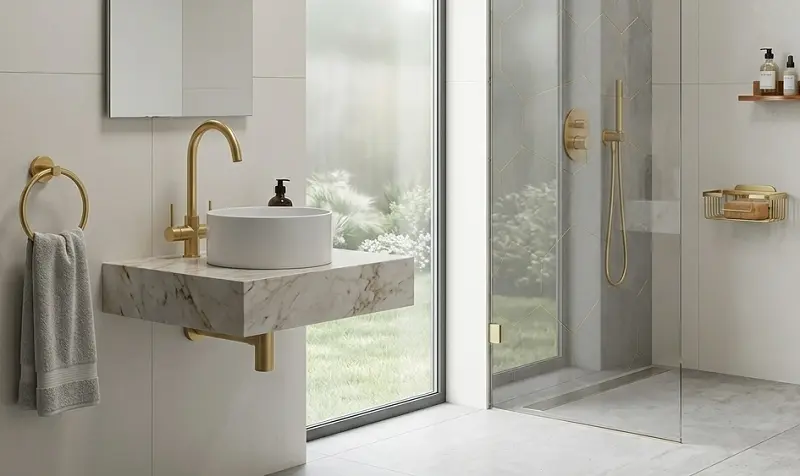
When possible, coordinate the drain cover pattern with the enclosure hardware finish and the room's faucet finish. This creates continuity across horizontal and vertical planes. The result is subtle, but powerful.
Procurement advantages of a complete enclosure approach
Buying fittings individually can seem flexible, but it can introduce inconsistency in color, tolerance, and lead time. Sourcing a Complete Enclosure Kit or a tightly managed package often improves outcomes. You reduce supplier fragmentation, improve finish matching, and make installation sequencing easier. Because one package is designed to work together, so there is less chance of on-site improvisation.
This is particularly helpful in hospitality, residential development, and repeatable custom programs. If you are specifying multiple bathrooms across 10 units, 50 units, or 200 units, repeatability matters. A stable Coordinated Hardware Set can keep every room visually aligned while simplifying replacement and maintenance planning later.
For enclosure hardware options and coordinated component direction, see https://www.huazhuprecision.com/shower-room-fittings/. That kind of sourcing path helps teams think in systems rather than isolated parts.
Material and performance factors buyers should verify
Reliable reference information can be found through: EPA WaterSense, U.S. Department of Energy, NIST, CDC Healthy Water, HUD, OSHA, U.S. Access Board, NSF, ASHRAE, Archtoolbox, Smithsonian, and MIT.
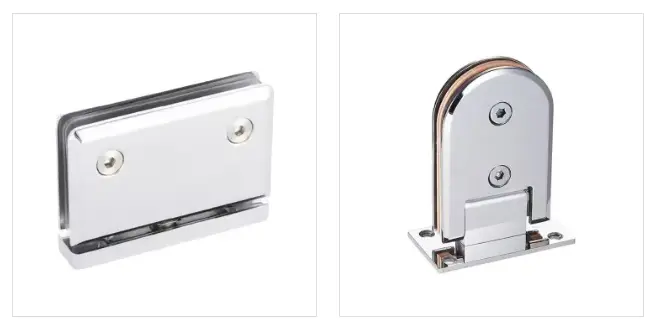
Common mistakes in Bathroom Hardware coordination
Because every shower combines movement, water, and cleaning chemicals, so weak links are exposed quickly. The lesson is simple: coordinate early, verify dimensions, and keep visible metal parts speaking the same design language.
FAQ
They should be selected together because they share the same visual zone and the same wet environment. A shower can be only 1.2 m wide, so all visible hardware sits close together and is judged as one composition. When the drain finish, hinge form, and clamp details align, the space looks deliberate. Coordination also improves installation flow because hardware positions, floor slope, and glass placement influence each other.
Start with the most visible and repeated surfaces, which are often the hinges, clamps, handles, and drain grate. These create the dominant metal impression in the shower area. Once that finish family is set, supporting pieces can follow. Keeping all major wet-zone hardware within 1 tone step creates a unified result.
Often, yes. A linear drain can simplify floor grading because it may allow a single-direction slope across 1 plane instead of multiple slope planes. That can make tile work look cleaner and can pair beautifully with frameless fixed panels or minimalist doors.
It is extremely important. Bathrooms combine humidity, standing water, soap residue, and cleaning agents. Over 12 months to 60 months, lower-grade finishes can discolor, pit, or lose surface integrity. A truly Unified Style Hardware plan should remain visually coherent over time.
Yes, if the mix is intentional. The key is hierarchy. For example, a bathroom might use satin black on the enclosure and a brushed stainless-look drain if the drain is visually understated. Coordination works best when one finish leads and the other supports.
A Complete Enclosure Kit typically includes hinges, clamps, handles, support bars, guides, seals, gaskets, screws, and cover caps. The benefit is compatibility and reduced fit surprises on site, saving 1 to 3 hours during installation.
Installers benefit from clear sequencing, consistent tolerances, and fewer substitutions. If glass thickness is known and the drain position is set before tile work, the enclosure can be installed with fewer adjustments, maintaining alignment within 2 mm to 5 mm.
Buyers should ask about finish consistency across production batches, glass compatibility, corrosion testing, load ratings, and whether components can be supplied as one Coordinated Hardware Set. Lead-time communication is also vital.