
The Shift Toward Minimalist Lever Designs in Commercial Office Developmen
2026-04-22
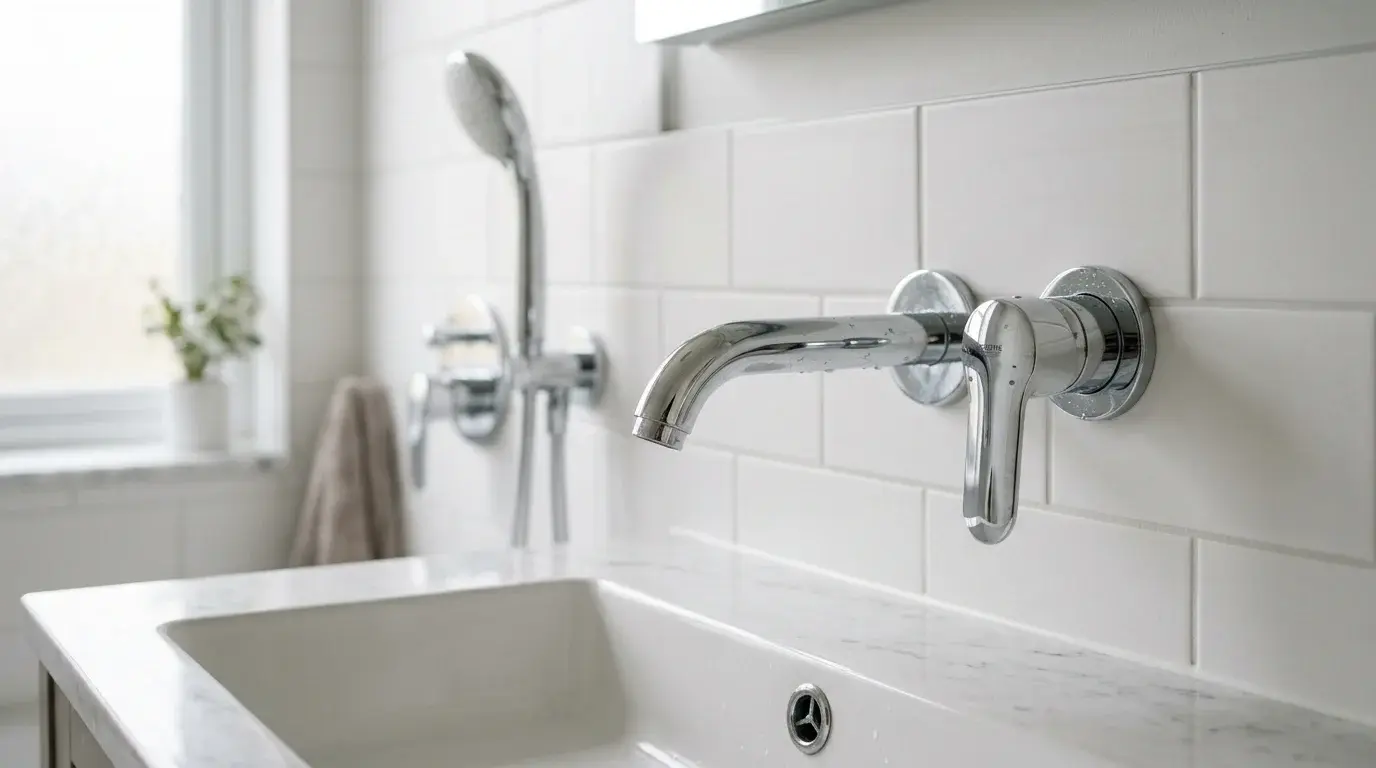
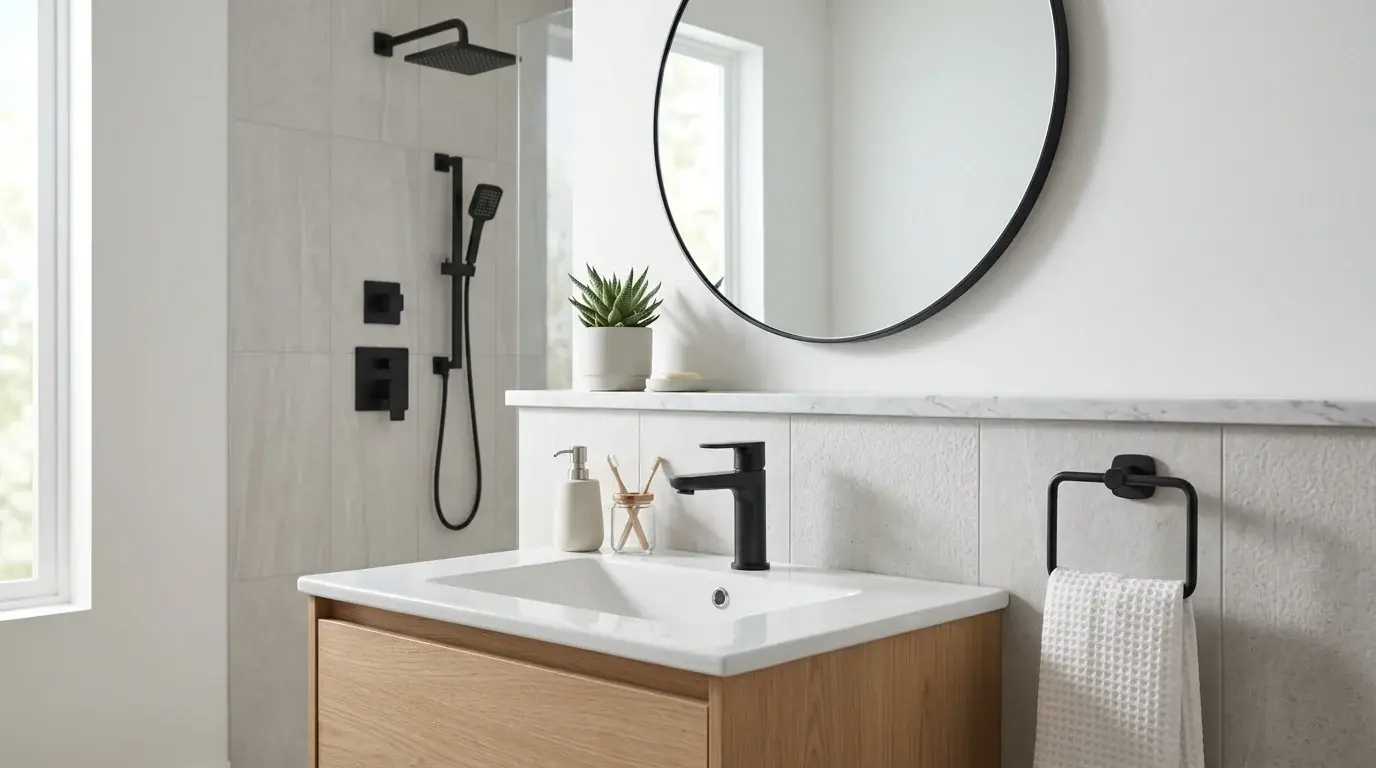
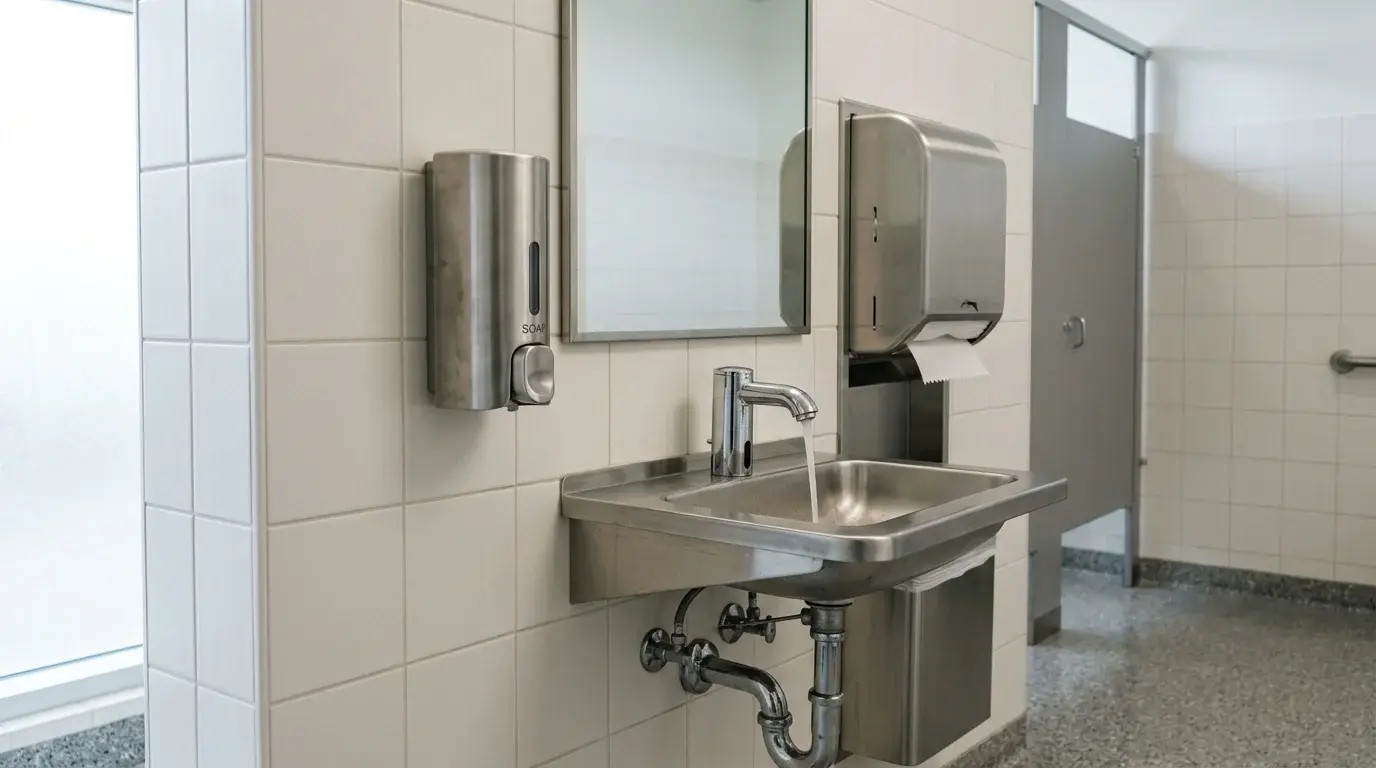
The move toward minimalist lever designs in commercial officesis happening because developers want cleaner visual lines, easier accessibility, lower maintenance effort, and longer design relevance, so the modern Door Handle is no longer treated as a minor detail. In the first 200 words of any real project discussion, the answer is simple: minimalist levers fit contemporary workplaces better than bulky traditional hardware. They work well in glass-front meeting rooms, open-plan work zones, private offices, and shared amenities because they look refined without demanding attention, so architects can create a more unified interior language. They also support practical use because lever operation is easier than grasp-and-twist hardware, so offices improve convenience for employees, visitors, and facility teams. In high-traffic developments, owners favor simple forms because fewer grooves and decorative edges can mean easier cleaning within a daily schedule of 8 hours to 12 hours. Minimalist levers also help future-proof interiors because neutral geometry stays relevant for more than 10 years, so renovation cycles can stretch further. In short, commercial office development is shifting in this direction because minimalist lever hardware combines function, durability, compliance awareness, and quiet design value in one compact component.
TL;DR
1
Minimalist lever hardware often supports office refresh cycles of 7 years to 12 years with fewer style conflicts.
2
Simpler profiles can reduce visible dust collection points by roughly 20 % to 40 % compared with heavily detailed forms.
3
Commercial doors in busy offices may see thousands of operations per 1 year, so durable minimalist levers are specified for sustained use.
4
Neutral finishes like satin stainless steel or matte black can stay visually relevant for more than 10 years in many office concepts.
5
In 2026, developers increasingly prefer hardware that balances accessibility, appearance, and maintenance within floorplates from 500 m to 50,000 m.
Why minimalist lever designs are gaining ground
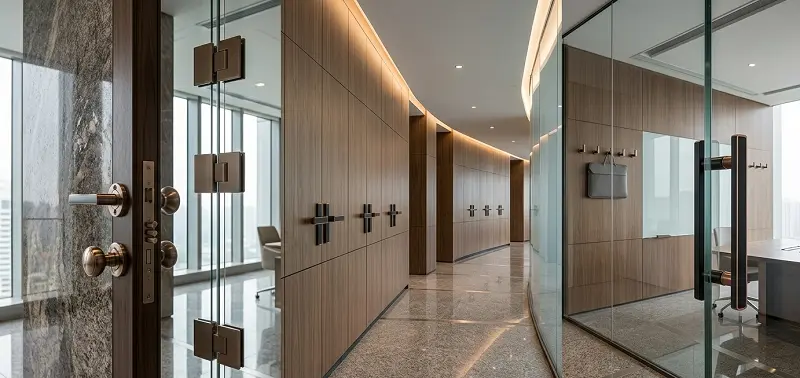
The office has changed dramatically over the last 10 years. Workplaces now need to feel open, flexible, and calm. That shift affects every visible component, including the Door Handle. A large reception desk may anchor a lobby, but the hardware on every single door quietly repeats the design message dozens or even hundreds of times across a building.
Minimalist lever designs are popular because they communicate clarity and order, so they fit naturally into offices built around glass partitions, acoustic panels, concealed lighting, and refined material palettes. A decorative handle can look isolated in such spaces, while a slim lever feels integrated. Designers increasingly want hardware that supports architecture rather than competes with it.
This shift is also practical. Facility managers often prefer straightforward forms because they are easier to inspect, easier to clean, and easier to standardize across multiple door sets. Procurement teams appreciate standardization because it can simplify ordering, spare parts planning, and finish consistency, so the same visual language can carry from entrance suites to conference rooms.
Many developers also think about leasing. An office tower may host several tenants over 15 years to 25 years. Minimalist hardware reduces the chance that a fit-out will look dated after only 3 years to 5 years, so owners preserve broader appeal across changing tenant preferences.
The role of the Door Handle in commercial perception
A Door Handle is touched repeatedly, seen at close range, and judged almost instantly. That makes it a small object with a large perceptual role. In commercial office development, first impressions are built from repeated details: entry hardware, elevator surrounds, signage, and lighting transitions. If those details feel controlled and deliberate, the whole building feels better managed.
Minimalist levers strengthen this effect through proportion, surface quality, material consistency, and tactile comfort. A well-made lever can signal reliability before a person even opens the door. This matters in executive spaces, client-facing meeting rooms, and shared collaboration zones where subtle quality cues support business credibility.
💡
Developers are not choosing simple levers only because they look modern. They are choosing them because a restrained profile can align with brand neutrality, ease of replacement, and long-term specification logic, so one decision serves both design and operations.
Function comes before style, but style now follows function more closely
Good office hardware must perform first. Doors need reliable operation, smooth return, and appropriate compatibility with latches, locks, closers, and access systems. Minimalist lever forms have grown stronger in commercial development because manufacturers have learned how to package that performance inside cleaner geometry.
This matters because office users expect frictionless movement. If a lever feels heavy, loose, sharp, or unstable, people notice immediately. Minimalist designs work best when they preserve a comfortable grip length, refined return geometry, and consistent spring action. The best examples appear simple, yet every radius and junction has been carefully considered.
In other words, minimalism in hardware is not emptiness. It is precision. It removes visual noise, but it does not remove engineering. A successful commercial lever has to balance ergonomics, cycle endurance, mounting stability, and finish retention.
Accessibility is a major driver
One reason levers continue to outperform knobs in commercial settings is operational ease. Guidance from organizations such as the U.S. Access Board, the ADA information site, and university design resources like WBDG has helped reinforce accessible thinking in building design. A lever generally requires less twisting effort than a round knob, and that matters for a broad range of users.
Accessibility influences minimalist design because easier operation encourages simpler, more intuitive forms, so the handle can serve users with different grip strength and mobility needs. A clean lever with balanced geometry is often easier to understand at a glance. There is less ambiguity, less visual clutter, and less awkward hand positioning.
Designers also favor consistency across a building. If every standard office door uses similar lever geometry, user expectations remain clear from floor to floor. That consistency improves comfort because people do not need to relearn operation in each zone, so circulation feels more natural.
Materials behind the minimalist trend
Minimalist appearance does not mean material simplicity. In fact, the trend depends heavily on high-quality substrates and finishes. Common options include stainless steel, Zinc Alloy, aluminum alloy, and selected brass-based components. The right choice depends on traffic level, finish expectations, installation environment, and cost targets.
Stainless steel remains a frequent choice for premium and mid-to-high traffic applications because it offers strong corrosion resistance and a naturally modern appearance, so brushed or satin surfaces can hide minor marks over 1 year to 3 years of daily use. Zinc Alloy is often valued in die-cast applications because it enables precise shaping and finish flexibility, so manufacturers can achieve slim silhouettes without sacrificing production repeatability.
If you are exploring broader commercial fittings and coordinated components, a useful starting point is https://www.huazhuprecision.com/furniture-hardware/, where related hardware categories can be reviewed in a more integrated specification context.
Material choice matters because a minimalist product exposes its own quality more directly. Ornamental hardware can sometimes hide imperfections through complexity. Minimalist hardware cannot. Every line, edge, and finish transition is visible, so production control must be tighter.
Why cleaning and maintenance favor simple geometry
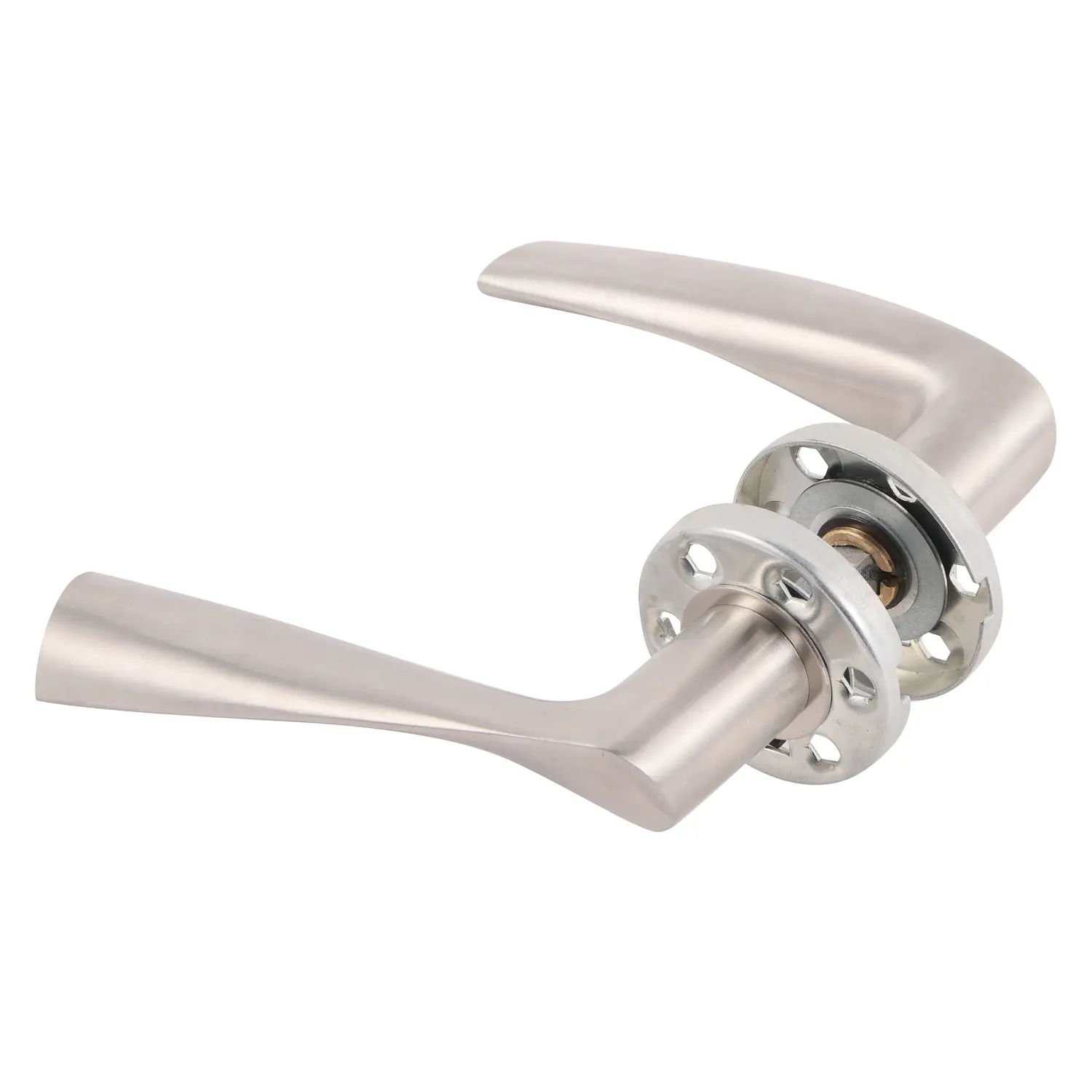
Commercial office buildings live under maintenance realities. Cleaning teams work on strict schedules, often handling multiple floors within 1 shift of 8 hours to 10 hours. Hardware with deep grooves, ornate backplates, or irregular detailing can trap dust and oils more easily. Minimalist levers reduce these collection points because the surfaces are smoother, so routine wipe-downs become faster and more consistent.
This is one of the strongest operational arguments for the trend. It is not glamorous, but it is persuasive. A facility manager assessing 200 units or 500 units of door hardware across one campus will naturally prefer solutions that simplify upkeep. Less complexity can also make wear easier to detect during inspections, so maintenance teams can respond before small issues become replacements.
Guidance from organizations such as CDC, OSHA, and healthcare-oriented design references like NIH has also influenced general awareness of touchpoint hygiene and material selection in shared spaces.
Minimalism supports flexible office branding
Modern commercial offices often need to adapt to different tenant identities. One tenant may prefer monochrome restraint, another may add warmer woods and soft textiles, and another may lean into technology-driven interiors. Minimalist lever designs are useful because they do not force a decorative narrative, so they remain compatible with multiple branding directions.
This matters in speculative development. A developer may finish common areas before lease commitments are finalized. Neutral hardware helps preserve leasing flexibility because it can suit legal firms, finance companies, design studios, and technology tenants without obvious mismatch. The less visually prescriptive the handle is, the easier it is to support future tenant turnover.
Finish choices shaping the 2026 market
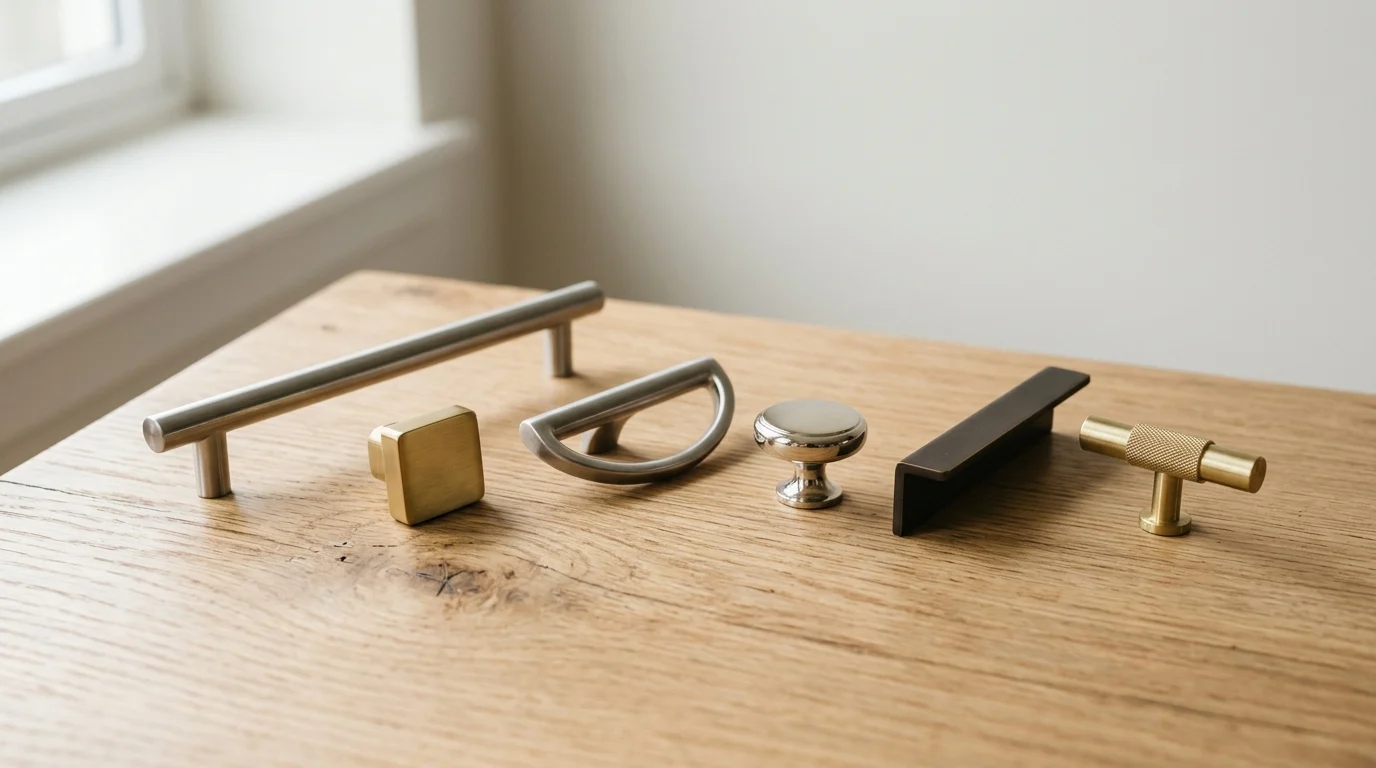
In 2026, several finishes continue to dominate office hardware specification: satin stainless steel, matte black, brushed nickel tones, and carefully controlled anodized metallic looks. These finishes perform well in minimalist design because they emphasize geometry instead of decoration, so the lever reads as a composed architectural element.
Satin and brushed finishes remain popular in high-traffic doors because they can soften the visibility of fingerprints and fine abrasion over time. Matte black is often chosen for contrast in lighter interiors, though specifiers should confirm finish resilience in frequent-touch applications. The best finish is not always the most dramatic one. It is the one that stays convincing after 12 months, 24 months, and 60 months of regular use.
Broader guidance on building product durability can be explored through sources such as NIST, GSA, and U.S. Department of Energy, which often discuss lifecycle thinking and material performance in the built environment.
Specification logic: one small component, many downstream effects
Choosing a lever handle affects more than the door leaf. It can influence lock trim coordination, access control compatibility, replacement inventory, and installation tolerances. Minimalist hardware is particularly effective when it is specified as part of a broader system rather than as an isolated item.
Developers should ask practical questions: What testing has been completed? What is the finish process? Are spare parts available after 5 years? Can the same family support passage, privacy, and lockable functions? Is there visual consistency across timber, metal, and glass door conditions?
These questions matter because office development is a chain of interdependencies, so a well-chosen lever can reduce variation and avoid unnecessary procurement complexity. If one product line supports many door types, project teams save time in coordination, approvals, and future maintenance planning.
How minimalist levers align with contemporary architecture
Todays office architecture favors visual calm. Ceiling systems are quieter. Lighting details are slimmer. Partition lines are cleaner. Furniture profiles are leaner. A minimalist Door Handle fits this environment because it echoes the same design discipline, so the hardware becomes part of a coherent whole rather than a leftover detail from an older style vocabulary.
The architectural fit is especially strong in spaces using glass, stone composites, acoustic fabric panels, and engineered timber veneers. These materials benefit from hardware that feels deliberate but understated. A simple lever can provide exactly enough visual punctuation without pulling attention away from larger spatial gestures.
Designers researching workplace and institutional planning often reference educational and public-interest resources like National Archives, Smithsonian, National Park Service, and APA for broader insight into user experience, environment, and public-facing design communication.
What buyers should look for in a minimalist commercial handle
✓ Stable construction with dependable mounting integrity.
✓ Comfortable grip length appropriate for repetitive daily use.
✓ Clean return geometry that supports safe and intuitive handling.
✓ Durability evidence tied to realistic traffic expectations.
✓ System compatibility with locks, closers, and access devices.
✓ Replacement continuity for long-term facility operations.
The strongest products are usually the ones that appear simplest but reveal discipline in every detail. That is the real lesson of this trend. Minimalist does not mean basic. It means every visible decision has been edited and refined.
FAQ
1. Why are minimalist lever handles becoming standard in offices?
Minimalist lever handles are becoming standard because they answer several office priorities at once: they look contemporary, operate intuitively, clean more easily, and adapt well to changing tenant styles. Developers want details that stay relevant for 7 years to 12 years, so simple lever forms are often safer long-term choices than ornate alternatives. They also work across reception areas, offices, meeting rooms, and amenities without visual inconsistency.
2. Are minimalist lever designs only about appearance?
No. Appearance is important, but function is central. Commercial hardware must handle frequent operation, coordinate with security systems, and remain comfortable for varied users. Minimalist levers are successful because they combine visual restraint with practical advantages, so the choice improves both aesthetics and daily usability. In many projects, the operational value is what justifies the specification.
3. What materials are most common for commercial lever handles?
Stainless steel, zinc alloy, aluminum alloy, and brass-relatedconstructions are all common in commercial use. The right option depends on expected traffic, finish target, environmental conditions, and budget. Stainless steel is often favored for its durable appearance, while Zinc Alloy can support precise die-cast shaping. Material selection matters because minimalist designs expose surface quality more clearly, so poor substrate decisions become obvious quickly.
4. Do minimalist handles support accessibility goals?
Yes, in many situations they do. Lever operation is generally easier than round knob operation, especially where users benefit from lower twisting demand. That is one reason levers are so common in commercial projects. Accessibility goals encourage intuitive operation because easier interaction supports a wider range of users, so minimalist lever hardware often aligns naturally with inclusive design thinking.
5. How do finishes affect long-term performance?
Finishes shape how hardware resists corrosion, reveals fingerprints, shows scratches, and responds to cleaning routines. A finish that looks excellent on day 1 may look weak after 18 months if it is not suited to frequent touchpoints. Satin and brushed finishes often remain popular because they balance refinement with practical wear management, so the handle stays visually credible over time.
6. Can minimalist hardware fit premium office interiors?
Absolutely. Premium design today often values precision more than ornament. In executive offices and high-end meeting environments, a minimalist lever can appear more sophisticated than a decorative handle if the proportions, finish, and installation quality are right. Luxury in contemporary offices is often expressed through control and material confidence, so simple hardware can actually strengthen a premium impression.
7. What should developers ask suppliers before specifying handles?
Developers should ask about testing, finish process, durability expectations, replacement parts, lead time, system compatibility, and installation requirements. They should also request clarity on how the product performs under repeated commercial use. These questions are essential because office buildings depend on long-term operational consistency, so the cheapest visible option may not be the most economical over 5 years to 10 years.
8. Will minimalist lever designs remain relevant in 2026 and beyond?
Yes. The trend has staying power because it is tied to practical needs, not just fashion. Offices need hardware that works across many interior styles, supports accessible operation, and remains easy to maintain. Those needs are unlikely to disappear. Minimalist levers are likely to remain important because they solve multiple problems at once, so their relevance should continue well beyond 2026.
Conclusion
The shift toward minimalist lever designs in commercial office development is not a passing visual preference. It reflects deeper changes in how offices are planned, used, and maintained. Developers want details that remain useful and attractive over long periods. Designers want hardware that reinforces spatial calm. Facility teams want easier cleaning and simpler replacement logic. Users want doors that feel comfortable and intuitive.
That is why the modern Door Handle has become a strategic specification point. Minimalist levers succeed because they bring together design restraint, practical usability, material discipline, and future flexibility, so they support the broader goals of commercial office development in 2026 and beyond.