
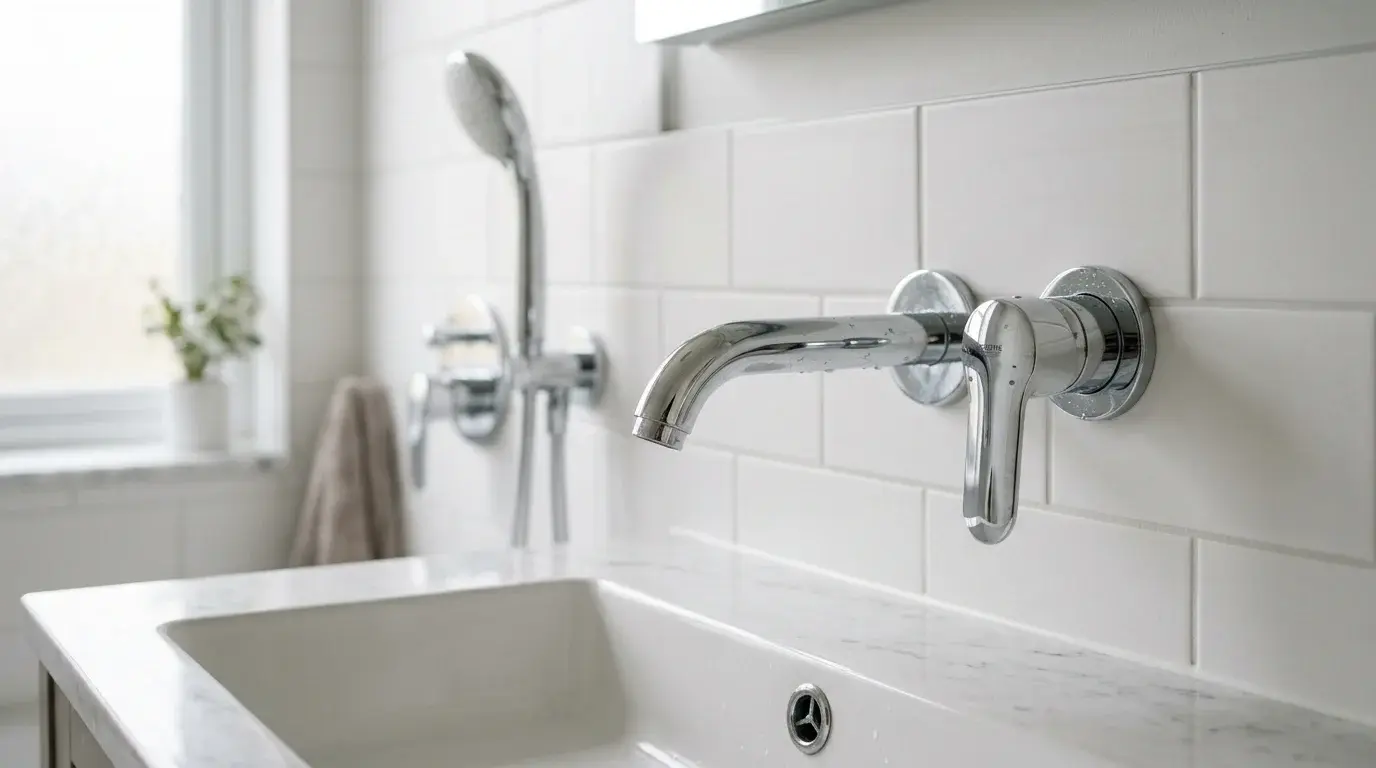
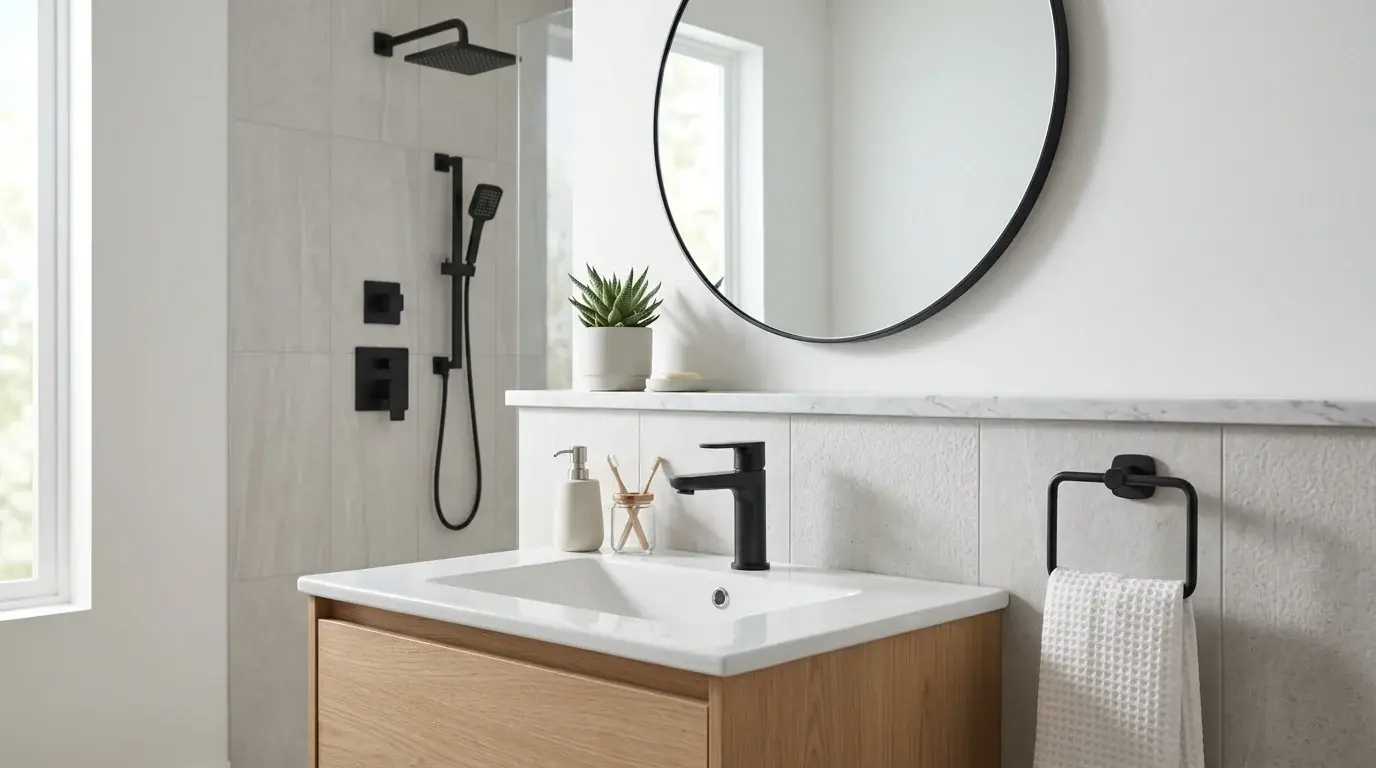

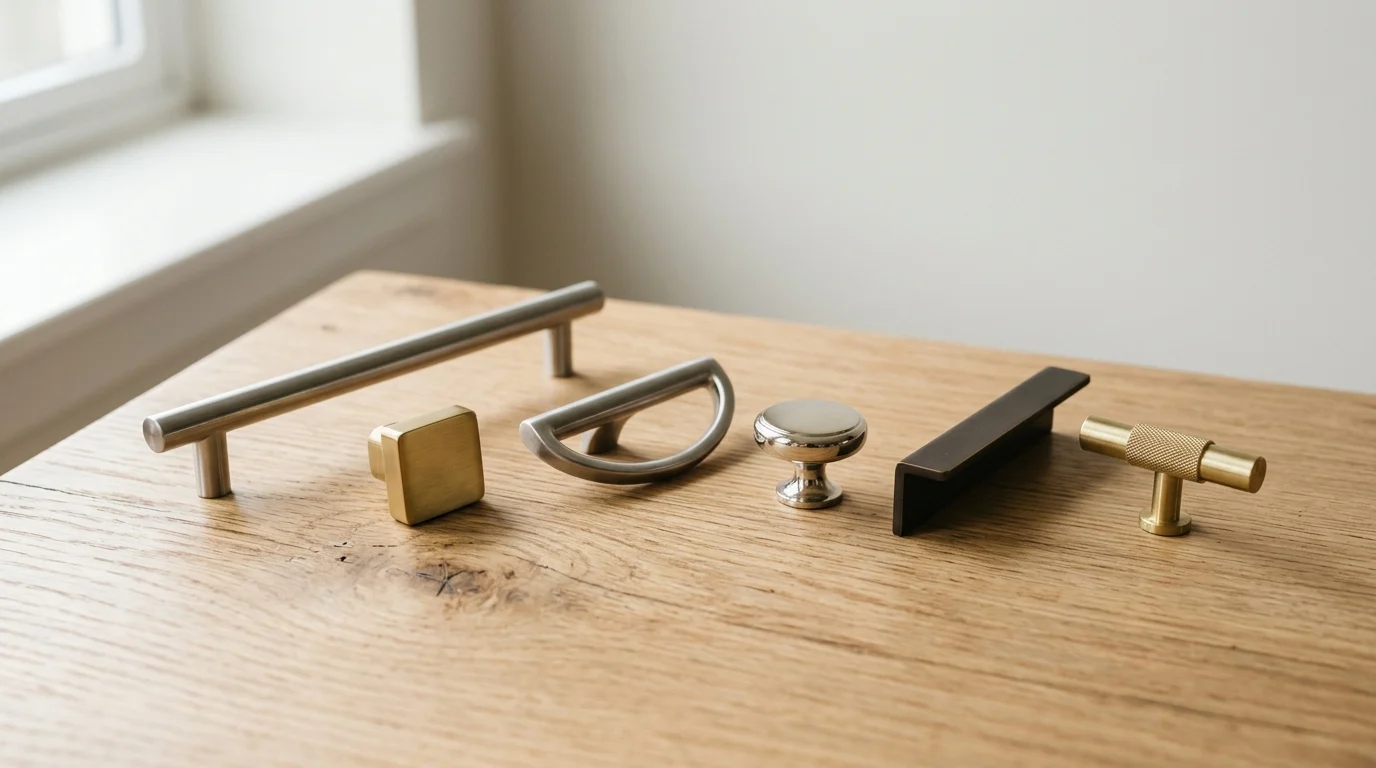
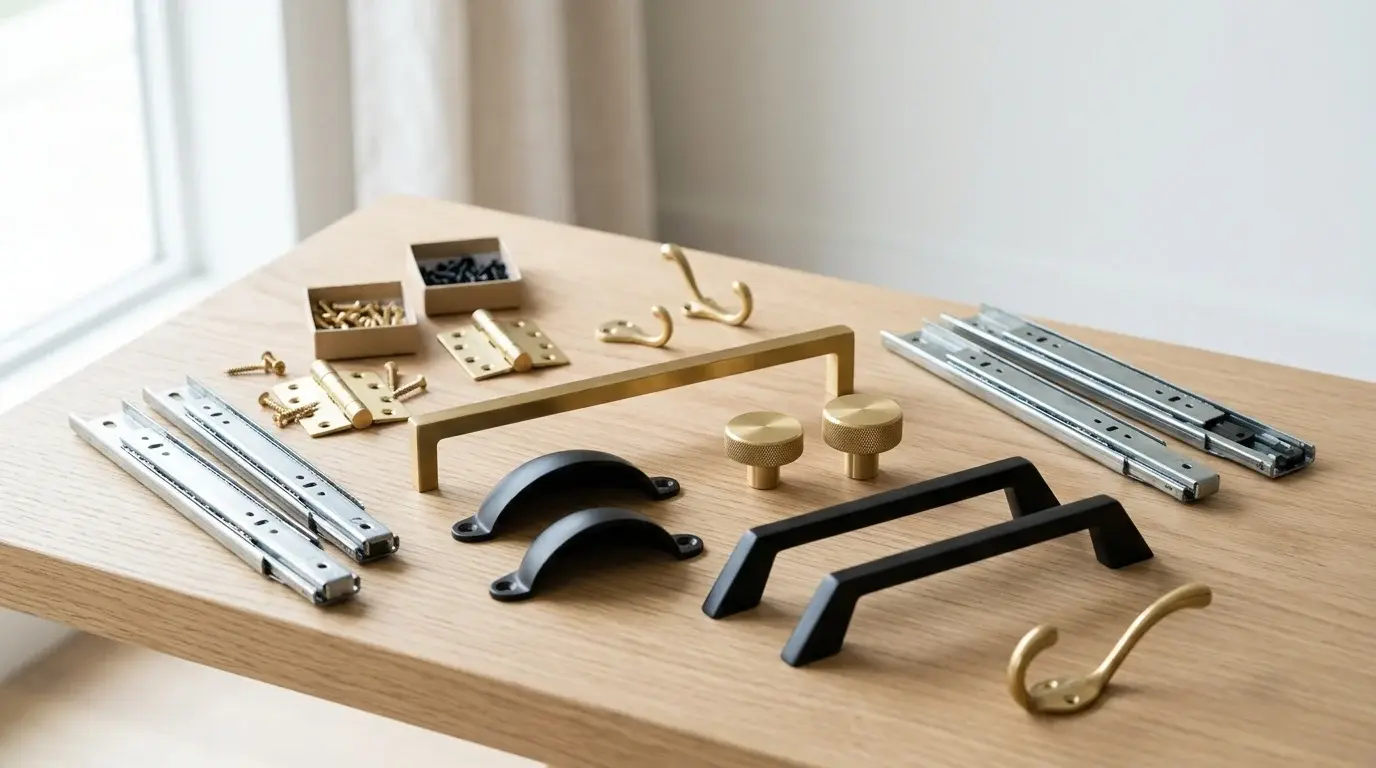
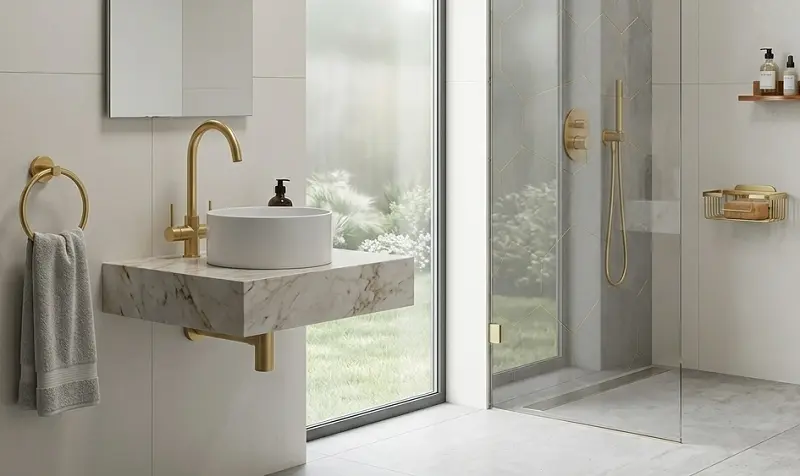
Shower Room Hardware Bathroom Zamak Products Zinc Alloy Chrome Plating OEM with European Precision Quality
Why Zamak Bathroom Hardware Is a Strategic Sourcing Category
For B2B buyers, sourcing premium shower room hardware means balancing material costs with uncompromising aesthetic standards. Zamak, a Zinc Alloy family, is a cornerstone material for sanitary fixtures. Its superior castability enables manufacturers to achieve complex geometries and ultra-smooth surfaces that rival traditional brass at a fraction of the raw material cost.
Partnering with an established OEM manufacturer elevates this advantage. Facilities with extensive infrastructure—such as a 36,000-square-meter plant with advanced die-casting and polishing machinery—provide the capacity for high-volume global distribution. Leveraging Zinc Alloy chrome plating allows procurement teams to secure hardware with a heavy, premium feel while maintaining competitive profit margins.
Aligning with a factory that understands both decorative and functional requirements mitigates supply chain risks. Suppliers established for over a decade bring refined tooling capabilities and a deep understanding of international compliance, ensuring every zamak component meets exact dimensional and finish specifications.
Buyer priorities for margin, quality, and supply stability
Procurement professionals prioritize unit margin, defect rates, and lead-time reliability. Zamak addresses margin requirements by offering lower raw material costs than solid brass while maintaining excellent tensile strength and weight. Supply stability is achieved by partnering with large-scale factories that manage tooling, casting, and finishing in-house, reducing reliance on fragmented subcontractor networks.
Why European-quality standards matter in OEM programs
Mature markets demand flawless surface finishes and robust mechanical performance. European-quality precision requires strict tolerances and superior chrome plating techniques that resist peeling and corrosion in high-humidity environments. OEM factories trusted by top-tier European brands, such as Dornbracht, demonstrate the rigorous process control needed to meet these elite standards.
How factory scale and experience support long-term sourcing
A supplier's scale directly impacts their ability to grow alongside a buyer. A manufacturer established in 2007, operating with over 240 skilled workers, possesses the institutional knowledge to troubleshoot complex casting issues before mass production begins. This expertise and factory capacity ensure long-term sourcing programs remain resilient against market fluctuations.
Product Scope and OEM Customization
The scope of zamak Bathroom Hardware extends beyond basic handles and hinges. A comprehensive OEM program covers decorative and functional components essential for modern glass shower enclosures, vanities, and sanitary setups. Zinc alloy's adaptability makes it the ideal substrate for diverse product families, allowing brands to curate cohesive collections with matching finishes.
Customization drives differentiation in a saturated market. An advanced manufacturing partner provides end-to-end OEM customization, from initial 3D design reviews to final surface treatments. This flexibility ensures procurement teams can specify proprietary designs, unique mounting mechanisms, and specialized plating colors that align with their brand's vision.
Whether requiring minimalist frameless Shower Hinges or heavy-duty faucet components, the product scope must be supported by versatile manufacturing. Factories combining zinc die-casting, aluminum die-casting, brass forging, and CNC machining under one roof can objectively recommend the best production method for any customized application.
Core product families in zamak bathroom hardware
Core product families include Glass Door Handles, shower hinges, structural brackets, and specialized valve controls. Buyers frequently source a customizedBathroom Faucethandle or monoblock body to anchor collections. Other high-demand items include cabinet pull handles and heavy-duty Glass Clamps for frameless enclosures.
Decorative vs industrial hardware applications
While decorative hardware focuses on flawless visual finishes, industrial hardware prioritizes structural integrity and precise mechanical tolerances. An OEM manufacturer proficient in both sectors—producing highly polished Shower Hinges alongside complex automotive parts—brings industrial-grade durability and quality control to elegant bathroom fixtures.
Key customization points to define early
Successful OEM programs require defining critical customization points during the initial RFQ stage. Procurement teams must specify the base material, exact dimensional tolerances, target weight, and precise micron thickness for chrome plating. Defining these parameters early prevents costly tooling modifications and aligns the final product with targeted retail price points.
Technical Specifications and Manufacturing Processes
Understanding zamak manufacturing processes is essential for evaluating supplier capabilities. Premium sanitary hardware production involves a multi-stage workflow: precision tooling, casting, machining, and rigorous surface finishing. Each step fundamentally dictates the final product's durability, visual appeal, and unit cost.
Surface finishing is critical for shower room hardware exposed to moisture, heat, and cleaning chemicals. A superior finish requires a pristine die-cast surface, free of porosity or flow marks. Top-tier factories employ hand polishing for intricate geometries and automatic polishing for consistent, high-volume surface preparation prior to electroplating.
Procurement teams should actively audit a supplier's technical infrastructure. A comprehensive factory floor features dedicated zones for tooling making, CNC machining, and plastic injection, enabling the creation of complex assemblies like shower hinges that require both metal housings and internal plastic gaskets.
How die casting, forging, machining, and molding affect cost and performance
Zinc die-casting is highly cost-effective for complex, high-volume parts, offering excellent dimensional stability and a smooth surface ideal for plating. Brass forging is reserved for internal water-bearing components requiring extreme pressure resistance. CNC machining achieves ultra-precise threading, while plastic injection molding produces necessary seals and internal friction components.
Critical quality factors in plating, polishing, and tolerances
Chrome finish longevity depends entirely on polishing and plating prep work. Microscopic defects in the raw zamak component magnify once plated. High-quality OEM production relies on meticulous polishing to achieve a mirror-like substrate. Subsequent electroplating must apply adequate layers of copper, nickel, and chrome to ensure maximum corrosion resistance and a flawless aesthetic.
Specifications buyers should compare before ordering
Before committing to a high-volume order, buyers should compare technical specifications across potential suppliers.
| Specification Category | Standard Requirement | Premium OEM Requirement |
|---|---|---|
| Salt Spray Testing (CASS) | 24 Hours | 48 - 72+ Hours |
| Chrome Plating Thickness | 0.1 - 0.2 microns | 0.25 - 0.3+ microns |
| Nickel Plating Thickness | 5 - 8 microns | 10 - 15 microns |
| Dimensional Tolerance | ± 0.1 mm | ± 0.05 mm |
Material Comparison: Zamak vs Brass vs Aluminum
Selecting the right material for bathroom hardware impacts market positioning, logistics costs, and product lifespan. Zamak, brass, and aluminum are the primary metals used in sanitary ware. For B2B buyers, the decision hinges on finding the optimal balance between perceived value and target manufacturing cost.
Zamak is the dominant choice for decorative exterior components because it mimics the premium weight and feel of brass at a significantly lower raw material cost. It is highly fluid when molten, allowing for the rapid die-casting of intricate shapes with minimal secondary machining, driving down production expenses.
Aluminum is valued for its lightweight properties and corrosion resistance but presents challenges in high-gloss electroplating, making it less ideal for luxury chrome finishes. Brass remains the gold standard for internal waterway components due to unmatched durability, though its heavy weight and high price make it cost-prohibitive for purely decorative handles and hinges.
Cost, weight, finish, and durability trade-offs
Brass offers maximum durability and a premium feel but carries the highest cost and longest machining times. Aluminum is cost-effective and lightweight, reducing shipping expenses, but lacks luxury "heft." Zamak strikes the ideal middle ground: heavier than aluminum, cheaper than brass, and accepts durable chrome plating exceptionally well.
Best-fit applications for each material
Brass is recommended for internal valves, waterways, and high-pressure fittings. Aluminum suits large structural extrusions like shower enclosure framing tracks. Zamak is optimal for a Zinc Alloy Basin Faucet body, glass door handles, shower hinges, and cabinet pulls, requiring high-end aesthetics and moderate structural strength.
How to match material choice to market positioning
For economy markets, aluminum or lightweight zinc alloys are standard. Mid-market to premium brands maximize margins by utilizing heavy-duty zamak for exterior touchpoints, reserving costly brass for internal mechanisms. Ultra-luxury positioning often demands solid brass throughout, though advanced zamak plating techniques have successfully blurred the line between premium and luxury categories.
OEM Development, Sampling, and MOQ Terms
Launching a customized bathroom hardware program requires a structured OEM development protocol to mitigate financial risk and ensure design fidelity. Transitioning from technical drawings to mass production involves significant investments in steel tooling. Procurement teams must partner with suppliers offering transparent development phases, ensuring all requirements are validated before tooling commences.
Clear communication of commercial terms during this phase is paramount. B2B buyers must negotiate tooling ownership, mass production MOQs, and lead times for sampling and final delivery. A professional factory provides a detailed timeline accounting for tooling fabrication, first-article inspections, and necessary design iterations.
One of the most valuable services an OEM partner can provide is rapid prototyping. Utilizing advanced machining or skilled craftsmanship, suppliers produce physical representations of the product, allowing buyers to verify ergonomics and scale before committing capital to die-casting molds.
Why pre-tooling samples reduce development risk
Developing hardened steel molds requires significant capital. To eliminate tooling errors, elite manufacturers offer handmade samples or CNC-machined prototypes before formal tooling begins. This allows procurement teams to physically inspect the product's ergonomics, proportions, and assembly fitment, ensuring the final mold is cut perfectly the first time.
Commercial terms to confirm before production
Buyers must define the Minimum Order Quantity (MOQ) per finish, as electroplating batches dictate volume efficiency. Procurement contracts should outline tooling amortization terms, payment schedules (typically a deposit for tooling and a split payment for mass production), and clear resolutions for out-of-tolerance batch deliveries.
Typical sourcing process from design review to mass production
The OEM sourcing journey follows a strict sequence: Initial 3D CAD review and DFM (Design for Manufacturing) analysis, followed by handmade pre-tooling samples. Once approved, formal mold fabrication begins (25-40 days). First-article off-tool samples are then produced for final finish and tolerance validation, culminating in mass production and final QA.
Quality Assurance, Compliance, and Packaging
Consistent quality in zamak bathroom hardware requires systemic, documented process control throughout the manufacturing lifecycle, not just end-of-line sorting. For international procurement teams, a supplier's commitment to recognized quality management frameworks is a non-negotiable prerequisite, ensuring every batch meets identical specifications.
Compliance also extends to environmental and safety standards regarding the electroplating process. Factories must manage wastewater responsibly and ensure their chrome and nickel plating processes comply with international market regulations, such as REACH or RoHS, depending on the destination market.
Finally, the physical integrity of a flawless chrome finish must be protected during global transit. Inadequate packaging is a leading cause of B2B margin erosion due to transit damage. Professional OEM suppliers engineer custom packaging solutions that isolate each heavy metal component, preventing metal-on-metal contact and abrasion.
How ISO 9001 supports process control and documentation
Holding an ISO9001:2015 certificate demonstrates a factory operates under a globally recognized quality management system. This guarantees the supplier maintains rigorous documentation for material sourcing, machine calibration, and defect tracking, ensuring standard operating procedures are consistently applied across all facility workers.
Inspection checkpoints for consistent product quality
Robust QA programs implement strict inspection checkpoints: incoming raw material spectral analysis, hourly dimensional checks during die-casting, and visual inspections post-polishing. The final checkpoint involves rigorous plating adhesion and salt spray testing to verify the chrome finish will withstand years of exposure to bathroom humidity and cleaning agents.
Packaging and logistics standards to reduce damage claims
To protect highly polished surfaces, heavy zamak components must never be bulk-packed. Premium OEM packaging utilizes custom-molded EPE foam, individual blister packs, or heavy-duty partitioned cartons. Precision threading and mounting posts are often protected with plastic caps to ensure hardware arrives in pristine, ready-to-install condition.
Channel Strategy and Supplier Selection
Successfully bringing OEM bathroom hardware to market requires aligning manufacturing strategy with intended sales channels. Different distribution models—from hospitality project procurement to retail wholesale—demand varying levels of packaging customization, volume scaling, and lead-time flexibility. Procurement teams must select a supplier capable of adapting to these requirements.
In mature markets like Europe and North America, B2B buyers face intense competition from established domestic brands. To capture market share, importers must position their OEM products as offering equivalent precision and durability at a highly competitive price point. This is only credible when backed by a factory with a proven track record of supplying famous international brands.
Supplier shortlisting should prioritize manufacturers offering a comprehensive suite of in-house services. Facilities controlling tooling, casting, machining, and polishing under one roof significantly reduce communication bottlenecks and quality control risks associated with fragmented supply chains.
Best-fit sales channels for bathroom hardware programs
High-quality zamak hardware is highly successful in B2B wholesale distribution, specialized architectural hardware showrooms, and commercial hospitality projects. Project channels benefit from the cost efficiencies of zamak, allowing developers to achieve luxury aesthetics across hundreds of bathrooms without exceeding strict construction budgets.
How to position quality and OEM flexibility in mature markets
To compete in mature markets, distributors should highlight the European-level precision of their hardware. By leveraging an OEM partner capable of rapid customization and complex finishes (like brushed gold or matte black), brands can swiftly adapt to interior design trends, offering agility that legacy competitors often lack.
Criteria for supplier shortlisting and partnership planning
When shortlisting suppliers, B2B buyers should evaluate factory size (e.g., 36,000 square meters indicates substantial capacity), years in operation (established in 2007 shows stability), and workforce expertise. A history of supplying famous European and American brands serves as a powerful testament to their reliability, quality control, and understanding of global trade standards.
FAQ and Key Takeaways
Navigating OEM bathroom hardware sourcing generates common questions among procurement professionals. Addressing these technical and commercial inquiries upfront streamlines negotiations and establishes transparency between buyer and manufacturer.
Critical takeaways for B2B buyers involve understanding the balance between upfront tooling investments and long-term unit cost savings. By thoroughly vetting a supplier's manufacturing capabilities, quality certifications, and historical performance with premium brands, buyers can confidently execute large-scale sourcing programs.
Ultimately, the success of a zamak hardware program relies on the synergy between the buyer's market intelligence and the factory's engineering prowess. A well-chosen manufacturing partner acts as a strategic extension of the buyer's own supply chain.
Common buyer questions on lead times, MOQ, finishes, and customization
Buyers frequently ask about standard production timelines. Typically, new tooling requires 30-40 days, followed by 30-45 days for mass production. MOQs usually range from 500 to 1,000 pieces per finish to optimize electroplating costs. Factories can achieve a wide variety of finishes, including polished chrome, brushed nickel, matte black, and custom PVD coatings.
How to verify plating durability and repeat-order consistency
To ensure long-term durability for items like a premium Shower Handle, buyers should request comprehensive CASS (Copper Accelerated Acetic Acid Salt Spray) test reports with every batch. Repeat-order consistency is verified by establishing approved "golden samples" that remain at the factory, serving as the absolute benchmark for visual finish and dimensional tolerances for future production runs.
Final decision points when selecting an OEM supplier
The final decision should rest on a supplier's ability to provide end-to-end solutions. A factory offering handmade pre-tooling samples, ISO9001:2015 certification, in-house tooling, and a proven history of manufacturing for elite brands like Dornbracht presents the lowest risk and highest potential for a profitable, long-term OEM partnership.
Key Takeaways
- Wholesale sourcing and supply-chain implications for Shower room Hardware Bathroom Zamak Products Zinc Alloy Chrome Plating
- Specifications, compliance, and commercial terms buyers should validate
- Actionable recommendations for distributors and procurement teams