

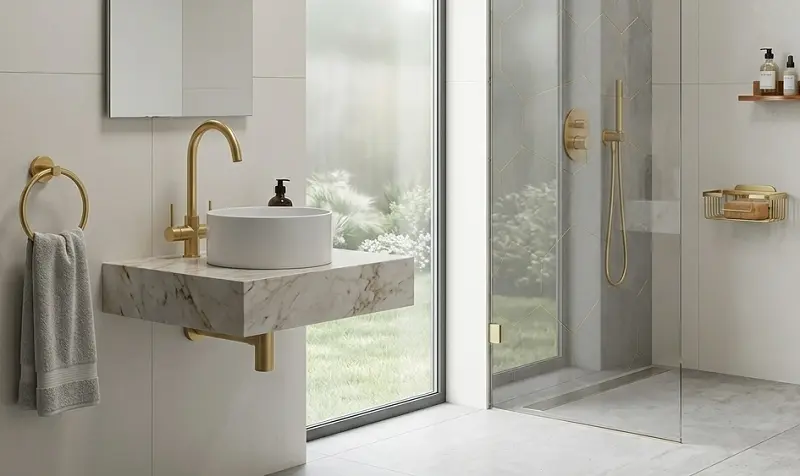
Linear vs. Traditional Drains The Ultimate Shower Showdown
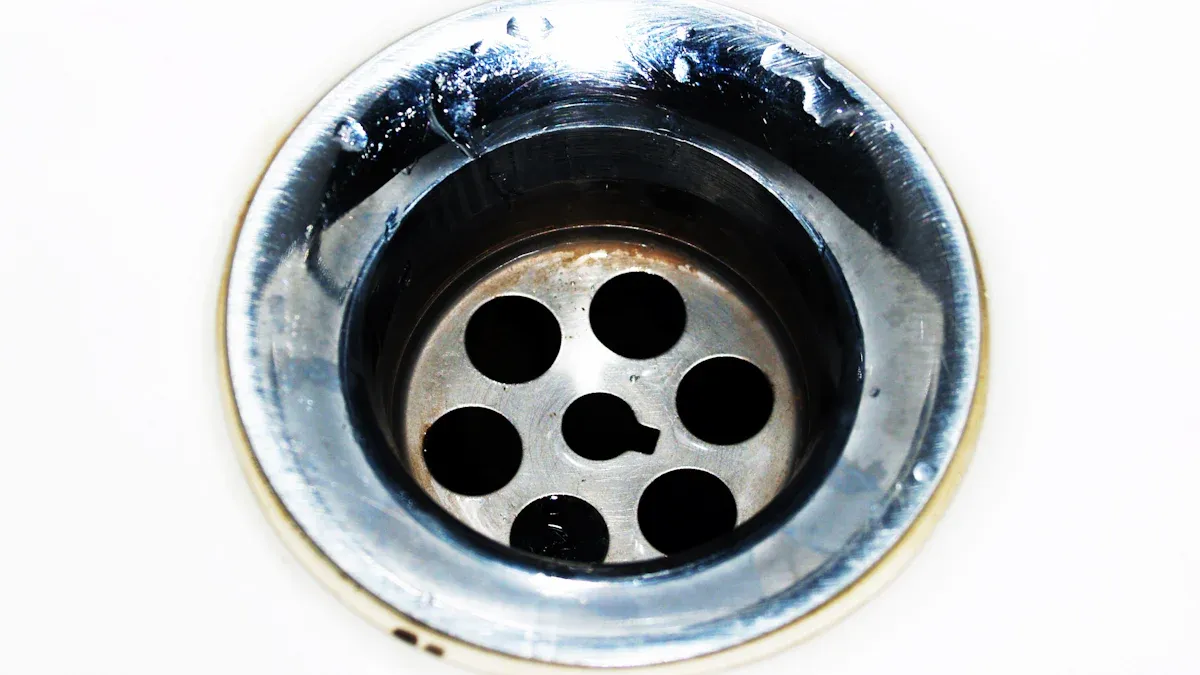
Deciding between a linear and traditional drain presents a crucial choice for any shower project. Homeowners often gravitate towards a linear shower channel drain due to its compelling benefits. These modern drains significantly enhance safety and accessibility by eliminating curbs, which creates a barrier-free entry for all users. Their flexible installation readily adapts to diverse plumbing configurations, including popular tub-to-shower conversions. Moreover, a linear drain provides extensive design flexibility, contributing a sleek, contemporary aesthetic that elevates the bathroom's overall visual appeal. Understanding these practical differences empowers individuals to make an informed choice for their shower's design and function.
Key Takeaways
- Linear drains offer a modern look and make showers easier to enter for everyone.
- Traditional drains are cheaper to buy and easier for plumbers to install.
- Linear drains work well with big tiles and create a smooth shower floor.
- Traditional drains need the shower floor to slope in four directions, which limits tile choices.
- Linear drains are easier to clean because you can easily reach inside them.
- Traditional drains can clog more often because their opening is smaller.
- Choosing a drain depends on your budget, how you want your bathroom to look, and if you need easy access.
Understanding Your Shower Drain Options
What is a Linear Shower Drain?
Defining the Modern Shower Channel Drain
A linear drain, also known as a trough or trench drain, represents a modern approach to shower drainage. Its fundamental design involves a rectangular shape, often installed parallel to a wall or at the shower's threshold. This elongated form creates a broader drainage area. This design significantly enhances water drainage capabilities and prevents pooling. Unlike traditional center drains, a linear shower channel drain only requires the shower floor to slope in one direction towards the drain. This core design principle makes it ideal for creating barrier-free and level-entry showers. It effectively eliminates curbs and thresholds, improving accessibility.
How Linear Drains Function
Linear drains function by collecting water along their entire length. Water flows efficiently from the shower floor directly into the channel. This single-direction slope simplifies the shower pan construction. Installers do not need to create a complex four-way pitch. The elongated shape allows for a higher flow rate, quickly removing water from the shower area. This efficient water removal minimizes standing water. The design also accommodates larger tile formats. Homeowners can use expansive tiles without cutting them into small pieces to conform to a multi-directional slope. This contributes to a sleek, uninterrupted aesthetic.
What is a Traditional Shower Drain?
Defining the Classic Center Drain
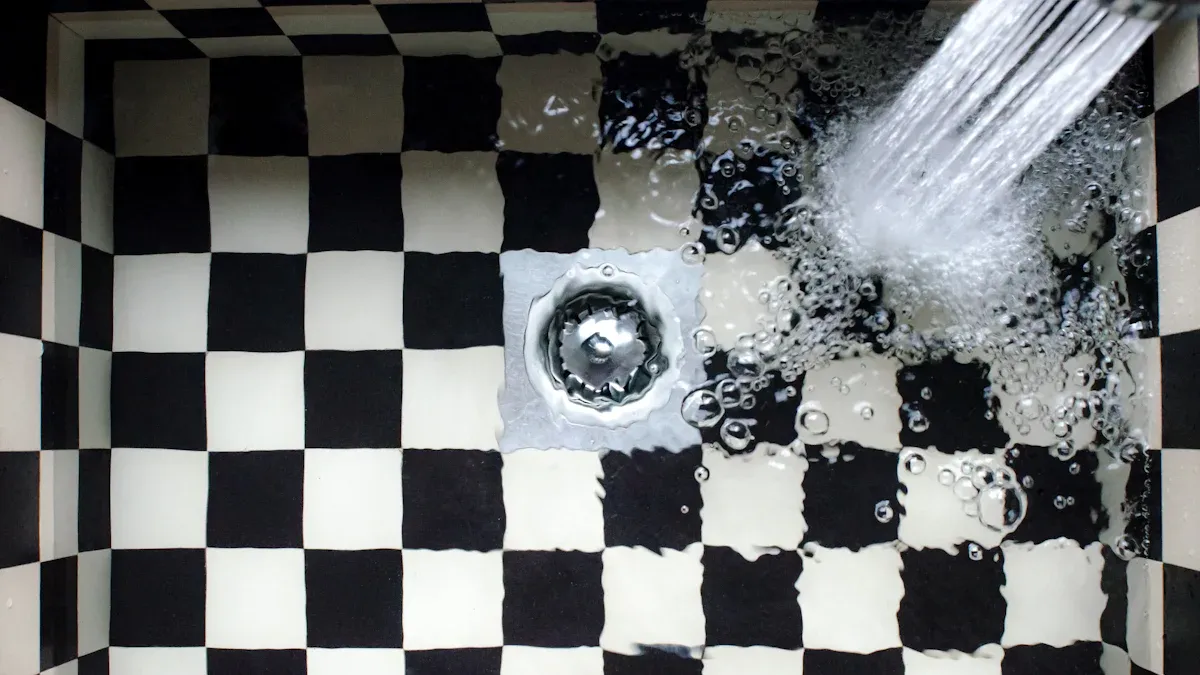
A traditional shower drain is the classic center drain. It typically features a circular or square grate positioned in the middle of the shower floor. This design has been a standard in bathrooms for many years. It offers a familiar and conventional aesthetic. The visible drain cover and grate styles vary, providing some design choices. However, its central placement dictates specific requirements for the shower floor's slope.
How Traditional Drains Function
Traditional drains function by collecting water at a single central point. The shower floor must slope from all four directions towards this central drain. This creates a "four-way fall" or "envelope cut" in the tile work. Water converges from the edges of the shower to the drain opening. While adequate for standard showers, this method can sometimes lead to water pooling if the slope is not perfectly executed. The smaller opening of a traditional drain can also limit its flow rate compared to a linear system. This design also restricts the use of very large format tiles, as they require more cuts to achieve the necessary four-way slope.
Aesthetic Impact: Design and Visual Harmony
The Sleek Appeal of a Linear Shower Channel Drain
Modern and Minimalist Bathroom Design
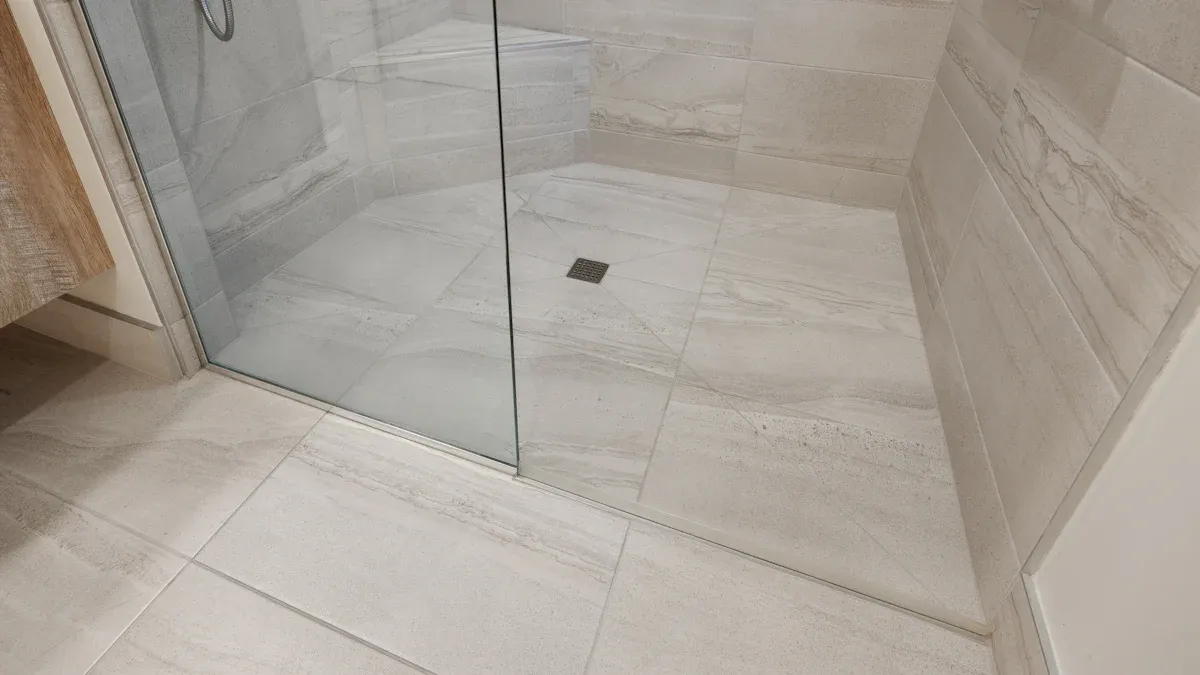
A linear shower channel drain significantly contributes to a modern and minimalist bathroom design. These drains install where the wall meets the floor. This creates a seamless transition. It also allows for a single-slope floor design. This innovation enhances aesthetic appeal by providing a cleaner, uninterrupted floor surface. It enables the use of larger format tiles without complex cutting. This creates a more spacious visual appearance. This minimalist profile contributes to a sleek, contemporary look. It elevates bathroom design and complements luxury bathroom aesthetics. Greg Wiedemann, AIA Principal, noted that the Square Tile Insert Drain "almost disappears in the floor" and is "so clean looking," contributing to a modern aesthetic. An anonymous customer stated, "This drain just MADE our shower! It’s classy, sleek and looks so much better than the typical drain." GDL mentioned, "With the tile set in the linear drain it just looks like part of the shower floor. It’s the first thing that people notice when we show them the new shower. Big WOW factor." Brent selected a linear drain "for something that would disappear into the rock floor of the shower," and people "comment on how great it looks." Ellen J Washington, D.C., from Barnes Vanze Architects, described the LUXE Linear Drain system as a "tidy, elegant and unobtrusive solution for custom shower design."
Seamless Tile Integration and Large Format Tiles
Linear drains excel at seamless tile integration. Their design allows installers to use large format tiles throughout the shower floor. This eliminates the need for multiple cuts and grout lines. The single-plane slope ensures the tiles lay flat and uninterrupted. This creates a cohesive and expansive look. This feature is particularly appealing for those seeking a high-end, spa-like bathroom environment.
Design Versatility and Placement Options
Linear drains offer significant design versatility. Installers can place them along the back wall, at the entrance, or even in the center of the shower. This flexibility allows for creative shower layouts. It also supports various design preferences. The drain itself can feature different grate styles, including tile-insert options that make the drain virtually invisible.
The Classic Look of a Traditional Drain
Conventional and Timeless Bathroom Aesthetics
A traditional shower drain offers a conventional and timeless aesthetic. These drains are typically positioned in the center of the shower floor. They feature a round or square grate. This classic placement has been a standard in bathrooms for decades. It provides a familiar and expected look.
Visible Drain Cover and Grate Styles
Traditional drains have visible drain covers and grate styles. These grates come in various designs. For example, "Wedge Wire" grates feature clean lines and an elegant vertical pattern. This contributes to a classic look and timeless bathroom design. "Criss-Cross" grates blend traditional design with contemporary clean lines. This creates a clean transitional detail. Homeowners can choose a grate that complements their existing fixtures.
Design Limitations with Tile Patterns
Traditional drains present design limitations with tile patterns. The required four-way slope means installers must cut larger tiles into smaller pieces. This creates an "envelope cut" pattern. This can disrupt the visual flow of large format tiles. It also introduces more grout lines. This limits the ability to achieve a truly seamless floor appearance.
Cost Considerations: Initial Investment to Long-Term Value
Investing in a Linear Shower Channel Drain
Higher Upfront Material Costs
A linear shower channel drain typically involves a higher initial material cost. Manufacturers use more material to create its elongated body and specialized grates. These drains often feature premium finishes or tile-insert options, which further increase their price. Homeowners invest in a modern aesthetic and superior functionality when choosing a linear drain. This initial outlay reflects the advanced design and engineering.
Potential for Increased Installation Labor Expenses
Installing a linear drain can incur higher labor expenses. Installers require precise measurements and careful subfloor modifications to ensure proper sloping. The waterproofing process around a linear drain also demands meticulous attention. These specialized installation techniques often require more time and a higher skill level from the contractor. This contributes to increased labor costs compared to traditional drain installations.
Perceived Value and Resale Impact on Your Home
Despite higher upfront costs, a linear drain can significantly enhance your home's perceived value. Its sleek design and barrier-free accessibility appeal to modern homebuyers. A bathroom featuring a linear drain often looks more luxurious and updated. This upgrade can positively impact your home's resale value, attracting buyers who appreciate contemporary design and functional elegance.
The Economics of a Traditional Drain
Lower Upfront Material Costs
Traditional drains generally have lower upfront material costs. Their simpler, compact design requires less material for manufacturing. These drains are widely available and mass-produced, which keeps their prices competitive. Homeowners often find traditional drains a more budget-friendly option for their initial purchase.
Standard Installation Labor and Familiarity
Installation labor for traditional drains is typically standard. Most plumbers and contractors possess extensive experience installing these common fixtures. The process involves a familiar four-way slope and standard waterproofing techniques. This familiarity often translates into predictable and lower labor costs for the homeowner.
Standard Value Proposition in Bathroom Renovations
A traditional drain offers a standard value proposition in bathroom renovations. It provides essential drainage functionality without adding significant aesthetic or accessibility enhancements. While it fulfills its purpose effectively, it does not typically elevate the bathroom's design or perceived value in the same way a modern linear drain might. It serves as a functional component rather than a design feature.
Installation Complexity: What to Expect for Each Drain Type
Installing a Linear Shower Channel Drain
Precise Sloping Requirements for Proper Drainage
Installing a linear shower channel drain demands precise sloping. Installers must create a single, consistent slope towards the drain. This ensures efficient water flow and prevents pooling. Achieving this exact pitch requires careful planning and execution. The accuracy of the slope directly impacts the drain's performance and the shower's overall functionality.
Subfloor Modifications and Waterproofing Needs
Linear drain installations often require specific subfloor modifications. The subfloor must be clean, smooth, and level. It must also meet local code requirements and Tile Council of North America (TCNA) guidelines. For curbless installations, pre-planning is essential. A licensed professional should determine feasibility and local plumbing codes. Ideal curbless installations require even floor heights between wet (shower) and dry areas. They also need even heights between the dry area and adjoining rooms. The dry area of the bathroom should slightly pitch towards the wet (shower) area and linear drain for proper drainage. Both wet (shower) and dry areas must be fully waterproofed. The floor must be level and adhere to TCNA Standards. The vertical drainpipe's height should be 1-¼ inches below the top of the subfloor when solvent welding. Installers secure the drain body using #8 rust-proof screws in the provided holes on its outer edge. For wood subfloors, they use 2-inch #8 water-resistant screws. For concrete subfloors, they use #8 1-5/8 inch screws to fasten into PET.
Professional Expertise for Optimal Performance
Professional expertise is crucial for optimal linear drain performance. The specialized techniques for sloping, subfloor modification, and waterproofing require skilled contractors. Improper installation can lead to water damage, poor drainage, and costly repairs. Hiring experienced professionals ensures the drain functions correctly and lasts for many years.
Installing a Traditional Drain
Standard Center Slope and Four-Way Fall
Traditional drain installation involves a standard center slope. Installers create a four-way fall, meaning the shower floor slopes from all four directions towards the central drain. This method directs water efficiently to the drain opening. While common, this technique requires careful tile cutting to achieve the necessary pitch.
Simpler Subfloor Preparation and Framing
Traditional drains generally require simpler subfloor preparation. Installers ensure the subfloor is clean, dry, and level. If necessary, they reinforce the subfloor to support the new shower system's weight. They mark the location of the drain and plumbing connections. Before installing a vapor barrier, they seal the concrete to prevent moisture infiltration. Options include Penetrating Silicate, Epoxy Coating, and Crystalline Waterproofing. Installers apply sealers when the temperature is between 50°F and 90°F, using multiple thin coats. They lay a 6-mil polyethylene vapor barrier directly over the concrete, overlapping seams by 6 inches and sealing them with waterproof tape. The barrier extends 6 inches up the walls.
More Common Installation Skills and Techniques
Most plumbers and contractors possess extensive experience with traditional drain installations. The techniques involved are widely understood and practiced. This familiarity often translates into a more straightforward installation process. It also means more contractors are available to perform the work.
Maintenance and Cleaning: Keeping Your Shower Drain Clear
Maintaining a Linear Shower Channel Drain
Ease of Debris Removal and Access to the Channel
Maintaining a linear shower channel drain is generally straightforward. Its elongated design provides easy access to the channel beneath the grate. Users can typically lift the grate or cover with a simple tool or by hand. This allows for direct removal of accumulated hair, soap scum, and other debris. The open channel design makes cleaning the interior quick and efficient. This accessibility simplifies routine maintenance tasks.
Potential for Hair and Soap Scum Accumulation
Despite its easy access, a linear drain can still accumulate hair and soap scum. These substances can build up within the channel if not regularly cleared. Hair often gets caught on the edges of the grate or along the channel walls. Soap scum can create a sticky residue that traps other debris. Regular rinsing and occasional manual cleaning prevent significant blockages.
Less Frequent Clogging with Proper Care
With proper care, linear drains experience less frequent clogging. Their larger capacity and efficient water flow help flush away smaller particles. Regular removal of visible debris from the channel prevents major obstructions. Users should periodically flush the drain with hot water to dissolve soap scum. This proactive approach ensures the drain remains clear and functional.
Maintaining a Traditional Drain
Hair and Debris Accumulation Around the Grate
Traditional drains often accumulate hair and debris around their grates. Hair easily wraps around the grate openings, forming a mat that obstructs water flow. Soap scum and other shower products contribute to this buildup. This visible accumulation requires frequent removal to maintain proper drainage.
Smaller Opening for Cleaning and Access
Traditional drains feature a smaller opening compared to linear designs. This smaller access point makes cleaning more challenging. Users often need specialized tools, like drain snakes or brushes, to reach and clear blockages deep within the pipe. The limited opening restricts direct manual access, complicating debris removal.
More Frequent Clogging Potential in the Trap
Traditional drains have a higher potential for frequent clogging, especially in the P-trap. Over time, various issues can contribute to blockages and pipe deterioration. Metal pipes may corrode, leading to leaks and reduced water pressure. Discolored water or leaks around joints signal these problems. Mixing different plumbing materials, such as galvanized pipes with copper without a dielectric union, can accelerate corrosion. Older pipes often accumulate mineral deposits like calcium and magnesium. These deposits narrow the pipes, reduce water flow, and create crusty blockages. Historic plumbing materials, such as cast iron, lead, or clay, have specific vulnerabilities. Certain chemicals can damage older metal pipes, and vigorous drain snaking can crack fragile clay pipes. The complexity of older plumbing networks, often modified without documentation, makes identifying and clearing blockages difficult. This complexity requires careful diagnosis to avoid further damage during maintenance.
Functionality and Performance: Beyond the Surface
Performance of a Linear Shower Channel Drain
Efficient Water Drainage and Flow Rate
Linear drains offer highly efficient water drainage. Their design ensures quick water removal from the shower area. For US residential installations using a 2-inch waste line, a linear drain typically achieves a water flow rate of 9 GPM (gallons per minute). High-flow drains connected to a 3-inch waste line can increase this capacity to an average of 21 GPM. These rates are based on a ½-inch head of water. Factors like the shower valve's flow rate, water pressure, and the number of water features can influence these figures. For example, the Kube 36" Stainless Steel Linear Grate explicitly states a flow rate of 9 GPM per outlet, measured at the outlet only. This efficient flow minimizes standing water and enhances safety.
Enhanced Accessibility for Barrier-Free Showers
Linear drains significantly enhance accessibility, making barrier-free showers possible. They combine with a single-slope floor pitch. This creates safe, open showers without obstacles at the threshold. This design facilitates easy entry and exit for all users. Linear drains eliminate limitations on tile size or slab material. This allows for larger format tiles. Installers can place linear drains as a threshold or curb, meeting ADA requirements for handicap shower entry. Their placement options offer design flexibility. Linear drains efficiently drain water, further contributing to a safe, accessible environment. They require only a single slope from the perimeter to the drain, unlike standard drains. This allows for the use of large format tiles, contributing to a seamless and accessible design.
Compatibility with Larger Tile Formats
Linear drains are highly compatible with larger tile formats. Their single-plane slope eliminates the need for complex cuts in large tiles. This allows for a continuous, unbroken tile surface. Homeowners can achieve a modern, expansive look in their shower. This compatibility also reduces grout lines, contributing to a cleaner aesthetic.
Performance of a Traditional Drain
Adequate Water Drainage for Standard Showers
Traditional drains provide adequate water drainage for standard showers. They effectively collect water at a central point. This design has served bathrooms for many years. It performs its basic function reliably in typical shower setups.
Potential for Water Pooling with Improper Slope
Traditional drains carry a potential for water pooling if installers do not create the slope properly. The shower floor requires a precise four-way fall towards the center drain. Any inaccuracies in this slope can lead to standing water. This pooling can create slippery surfaces and promote mildew growth.
Limitations on Tile Size and Layout
Traditional drains impose limitations on tile size and layout. The required four-way slope necessitates cutting larger tiles into smaller pieces. This creates an "envelope cut" pattern. This can disrupt the visual flow of large format tiles. It also introduces more grout lines, affecting the overall aesthetic.
Key Considerations for Your Shower Drain Choice
Budget Constraints and Financial Planning
Balancing Material and Labor Costs
Homeowners must carefully balance material and labor costs when selecting a shower drain. Linear drains typically involve higher upfront material costs. Their specialized design and premium finishes contribute to this expense. Installation of linear drains also demands precise techniques. This often translates into increased labor expenses. Traditional drains, conversely, offer lower material costs. Their widespread availability and simpler design make them more budget-friendly. Standard installation labor for traditional drains is also generally less expensive. Most contractors are familiar with their installation methods. Homeowners should consider their overall project budget. They must decide if the aesthetic and functional benefits of a linear drain justify the higher initial investment.
Long-Term Maintenance Savings vs. Upfront Investment
The choice between drain types also involves a trade-off between long-term maintenance savings and upfront investment. Linear drains, with proper care, often experience less frequent clogging. Their design allows for easier debris removal. This can lead to fewer maintenance issues over time. Traditional drains, however, may require more frequent cleaning due to hair and debris accumulation around the grate. Their smaller opening makes cleaning more challenging. This can result in higher long-term maintenance efforts or potential costs for professional drain clearing. Homeowners should weigh these ongoing maintenance considerations against the initial purchase and installation price.
Design Goals and Aesthetic Preferences
Modern, Minimalist, or Traditional Bathroom Style
The chosen shower drain significantly influences the bathroom's overall style. Linear drains contribute to a modern and minimalist aesthetic. They create a sleek, uninterrupted floor surface. This enhances the contemporary look of a bathroom. Traditional drains, with their classic center placement, offer a conventional and timeless aesthetic. They fit well into more traditional bathroom designs. Homeowners should align their drain choice with their desired bathroom style.
Impact on Tile Selection and Overall Shower Look
The drain type profoundly impacts tile selection and the overall shower look. Linear drains require only a single slope. This allows for the use of larger-format tiles. It creates a more uniform and consistent appearance. This flexibility is crucial for achieving a seamless, cohesive bathroom design. It accommodates materials like large porcelain or natural stone tiles. Linear drains eliminate the need for intricate tile cuts and awkward slopes. This expands design possibilities for a custom look. They offer various grate styles, including tile insert options. These designs add a unique touch to the shower. They can serve as a focal point, enhancing the overall bathroom aesthetic. The single slope of a linear drain enables endless tile choices. It minimizes grout lines. This facilitates an uninterrupted flow from the bathroom to the shower with large format tiles and solid surface materials. Linear drains contribute to a spa-like, luxury, high-end aesthetic. They make a unique impression. Traditional shower drains necessitate a 'four-way fall' in the surrounding shower pan. The surface must slope towards the drain from all directions. This design constraint limits installers to using tiles that are 4 inches or smaller. This ensures a smooth and effective slope across all four sides.
Accessibility Needs and Future-Proofing
Creating a Barrier-Free Shower Entry
Linear drains excel at creating barrier-free shower entries. Their design allows for minimal floor sloping. This facilitates curbless or barrier-free entries. This is beneficial for wheelchair users, individuals with mobility challenges, and those desiring an open, seamless shower transition. This feature, combined with the modern, spa-like ambiance it creates, increases a home's resale value. Linear drains eliminate curbs and thresholds. This improves accessibility for all users.
Accommodating Wheelchair Access
Linear drains are ideal for accommodating wheelchair access. They can be installed along the back wall of the shower, opposite the entrance. Alternatively, a trough-style drain can be placed around the perimeter of the shower enclosure. A linear drain can also be installed at the shower entry while still allowing wheelchair access. For ADA compliance, grate openings must not exceed 1/2 inch in width. This prevents wheelchair casters from getting stuck. If openings are larger than 1/2 inch, a primary direction of travel for foot and wheelchair traffic must exist. The long side of the grate openings should be perpendicular to this main direction of travel. The short side of the opening must not exceed 1/2 inch in width. If no main direction of travel exists, both dimensions of the openings are limited to 1/2 inch. The surrounding pavement should have a maximum slope of 2% (approximately 1/4 inch per foot). Shower dimensions are also important. A minimum depth of 30 inches (76 cm) is standard, but 36 inches (91 cm) is recommended for better accessibility. For easier drainage and full range of motion for wheelchair users, a depth of 42 to 48 inches (107 to 122 cm) is ideal. Roll-in showers should have a minimum length of 60 inches (152 cm) in all directions. 66 to 72 inches (168 to 183 cm) is suggested for caregiver assistance. Optimal roll-in shower space is 60 inches x 60 inches. The threshold should be 1/2 inch or less. The drain should be placed in the far corner, 1 inch lower than the bathroom floor.
Installation Expertise: DIY vs. Professional
Assessing Your Skill Level and Project Scope
Homeowners must realistically assess their skill level and the project's scope before deciding on a shower drain installation. Installing linear shower drains, particularly in concrete floors, demands careful planning, specialized knowledge, and meticulous execution. This process is more complex than traditional drain installations. It often involves physically demanding tasks like jackhammering concrete, digging trenches, and hauling debris. These tasks typically require a professional crew. Specialized equipment, such as industrial jackhammers, concrete saws, and dust control systems, becomes necessary. Using this equipment without experience can be dangerous and costly to rent. Even experienced DIYers should respect the complexity and follow best practices to achieve professional results.
Importance of Professional Installation for Warranty
Professional installation is essential to ensure proper functionality and compliance with plumbing codes. There is a high probability of making expensive errors without expert help. These errors include incorrect slope, improper trench depth, or damaging structural footings. Such mistakes often go unnoticed until after new concrete is poured, leading to costly rework. Improper installation of a linear shower drain carries a significant risk of leakage. This can lead to widespread water damage across a large floor area due to the drain's design. Key reasons to engage expert services include ensuring accurate slope, which is critical for optimal drainage and preventing water pooling. Professionals also ensure seamless integration, meaning the drain integrates flawlessly with existing plumbing and flooring. They use high-quality materials for durability and reliable performance. Adherence to local building codes for drainage and electrical work is mandatory. Professionals possess the necessary knowledge to ensure compliance and pass inspections. It is recommended to consider hiring a professional if homeowners are unsure about any aspect of the linear drain installation process.
Long-Term Maintenance Preferences
Prioritizing Ease of Cleaning and Upkeep
Homeowners often prioritize ease of cleaning and upkeep when selecting a shower drain. Linear drains generally offer straightforward maintenance due to their elongated design. This design provides easy access to the channel beneath the grate. Users can typically lift the grate or cover to directly remove accumulated hair, soap scum, and other debris. The open channel design makes cleaning the interior quick and efficient. Traditional drains, however, feature a smaller opening. This smaller access point makes cleaning more challenging. Users often need specialized tools, like drain snakes or brushes, to reach and clear blockages deep within the pipe. The limited opening restricts direct manual access, complicating debris removal.
Managing Clogging Frequency and Prevention
Managing clogging frequency and prevention differs between drain types. For linear shower drains, regular maintenance significantly reduces clogging.
- Daily Maintenance (After Each Shower):
- A quick rinse down with hot water (10-15 seconds) flushes soap residue and loose hair.
- Wipe visible parts of the drain with a squeegee or microfiber cloth to remove water droplets and prevent mineral deposits.
- Immediately remove any visible hair or debris near the drain opening.
- Weekly Cleaning Protocol:
- Remove the drain cover using the manufacturer's method.
- Clean the cover with warm soapy water and a soft brush. For stainless steel, use a 1:1 white vinegar and water solution.
- Clear debris from the drain channel and clean its sides and bottom with a soft brush.
- If present, remove, empty, and clean the hair trap/filter.
- Reassemble all components after ensuring they are thoroughly dry.
- Monthly Deep Cleaning Procedures:
- Pour a mixture of 1/2 cup baking soda and 1/2 cup white vinegar into the drain, let it sit for 30 minutes, then flush with hot water.
- For stubborn residue, scrub the channel interior with an old toothbrush and the baking soda/vinegar paste.
- Pay attention to connection points where the drain meets plumbing.
- Treat mineral deposits with a commercial calcium, lime, and rust remover approved for the drain's material, following product instructions and rinsing thoroughly.
To further prevent clogs in linear drains:
- Hair Guards: Use a hair guard specifically designed for linear drains. Clean the hair guard weekly or more frequently. Replace hair guards every 6-12 months.
- Preventing Soap Scum and Mineral Buildup: Consider switching to liquid soap instead of bar soap. Install a water softener in hard water areas. Perform a quarterly deep clean with enzymatic drain cleaners. Avoid pouring bath oils into the shower, as they can solidify and cause clogs.
Different drain materials require specific cleaning approaches:
| Drain Material | Recommended Cleaners | Avoid |
|---|---|---|
| Stainless Steel | Gentle, non-abrasive stainless steel cleaners or vinegar solution (followed by olive oil for polishing) | Chlorine bleach, abrasive cleaners |
| Brass or Copper | Specific metal cleaners for these materials or natural solutions like lemon juice and salt paste | N/A |
| PVC or Plastic | Most household cleaners | Acetone-based products |
| Tile-In Drains | Clean as regular shower tile, using appropriate cleaners for the specific tile material | N/A |
Traditional drains also benefit from proactive maintenance to prevent frequent clogging:
- Utilize drain guards or strainers to capture debris like hair and food particles before they enter the drain. Remember to clean these guards regularly.
- Properly dispose of grease by allowing it to cool and solidify, then discarding it in the trash, rather than pouring it down the sink.
- Perform regular drain cleaning by pouring hot water down the drain weekly to dissolve soap scum. For deeper cleaning, use a mixture of vinegar and baking soda followed by hot water.
- Be mindful of what goes down the drain, avoiding flushing non-degradable items and ensuring food particles are disposed of in trash or compost.
- Apply a natural cleaning solution of baking soda and vinegar monthly: pour half a cup of baking soda, followed by half a cup of vinegar, let it sit for 15 minutes, then flush with hot water.
- Schedule annual professional inspections to identify and address potential issues before they escalate into significant problems.
- Consider installing water softeners and filtration systems, especially in hard water areas, to prevent mineral buildup in pipes.
- Use enzyme-based drain cleaners monthly as an eco-friendly alternative to harsh chemicals, as they break down organic material without damaging pipes.
Choosing between linear and traditional drains requires careful consideration of several trade-offs. Linear drains provide modern aesthetics, enhanced accessibility, and often simpler maintenance, though they involve higher costs and more complex installation. Conversely, traditional drains are more budget-friendly and easier to install, but they present design limitations and can experience more frequent clogging. Homeowners must align their selection with their specific budget, design preferences, and functional needs. This ensures they make the best decision for their ultimate shower experience.
FAQ
Is a linear drain more expensive than a traditional drain?
Linear drains typically have higher upfront material costs. Their specialized design and premium finishes contribute to this expense. Installation may also incur higher labor costs due to precise requirements. Traditional drains generally offer a more budget-friendly initial investment.
Which drain type is easier to install?
Traditional drains are generally easier to install. Most plumbers possess extensive experience with their standard center slope and four-way fall. Linear drains demand precise sloping and subfloor modifications. This often requires professional expertise for optimal performance.
Can homeowners use large format tiles with a traditional drain?
Traditional drains limit the use of large format tiles. The required four-way slope necessitates cutting larger tiles into smaller pieces. This creates an "envelope cut" pattern. Linear drains, with their single-plane slope, accommodate larger tiles seamlessly.
Which drain offers better accessibility for barrier-free showers?
Linear drains significantly enhance accessibility. They combine with a single-slope floor pitch to create curbless, barrier-free showers. This design facilitates easy entry and exit for all users, including those with mobility challenges. Traditional drains often require a raised curb.
How often should homeowners clean a linear drain?
Homeowners should perform daily rinses and weekly cleaning for linear drains. This involves removing the grate and clearing debris from the channel. Monthly deep cleaning with baking soda and vinegar helps prevent buildup. Proper care reduces clogging frequency.
Does a linear drain increase a home's resale value?
Yes, a linear drain can positively impact a home's resale value. Its sleek design and barrier-free accessibility appeal to modern homebuyers. A bathroom featuring a linear drain often appears more luxurious and updated. This upgrade attracts buyers who appreciate contemporary design.
Which drain type prevents water pooling more effectively?
Linear drains offer highly efficient water drainage. Their design ensures quick water removal from the shower area, minimizing standing water. Traditional drains can lead to water pooling if installers do not create the four-way slope precisely.