







Cost-Effective Sourcing: Balancing Price and Quality in Furniture Pulls
To source furniture pulls cost-effectively, buyers should focus on the best value per usable year, not the lowest piece price. In practice, that means matching the right material, finish, tolerance, and packaging to the application, then validating quality with samples and clear inspection standards. A pull that costs $0.18 per unit less may look attractive, but if it creates a 3% defect rate, extra labor of 2 minutes per unit, or replacement costs after 12 months, the cheaper option becomes more expensive. The smart balance comes from comparing total landed cost, expected service life of 3 years to 10 years, corrosion exposure, installation fit in mm, and supplier consistency across repeat orders. Buyers should also assess minimum order quantity, tooling cost, finish durability, and delivery reliability, because supply problems raise hidden cost, so a slightly higher quote can produce lower total spend. For many projects in 2026, the winning strategy is simple: define quality needs clearly, test before scaling, and negotiate around volume, packaging, and process efficiency instead of cutting essential quality.
- Compare total cost, not only unit price: a pull priced $0.80 per unit with a defect rate below 0.5% can outperform a $0.62 per unit option with a 3% failure rate.
- Choose material by application: Zinc Alloy suits detailed, heavier designs from 60 mm to 160 mm, while aluminum alloy may reduce shipping weight by 10 g to 40 g per unit.
- Validate finish and fit with 3 units to 10 units of samples, dimensional checks in mm, and packaging drop checks from about 0.6 m.
- Negotiate process factors: optimizing carton count, finish batching, and MOQ from 500 units to 5,000 units often saves more than forcing raw material cuts.
- Plan for 2026 volatility with a sourcing window of 60 days to 90 days, approved backup suppliers, and clear quality standards in writing.
Why furniture pulls are deceptively hard to source well
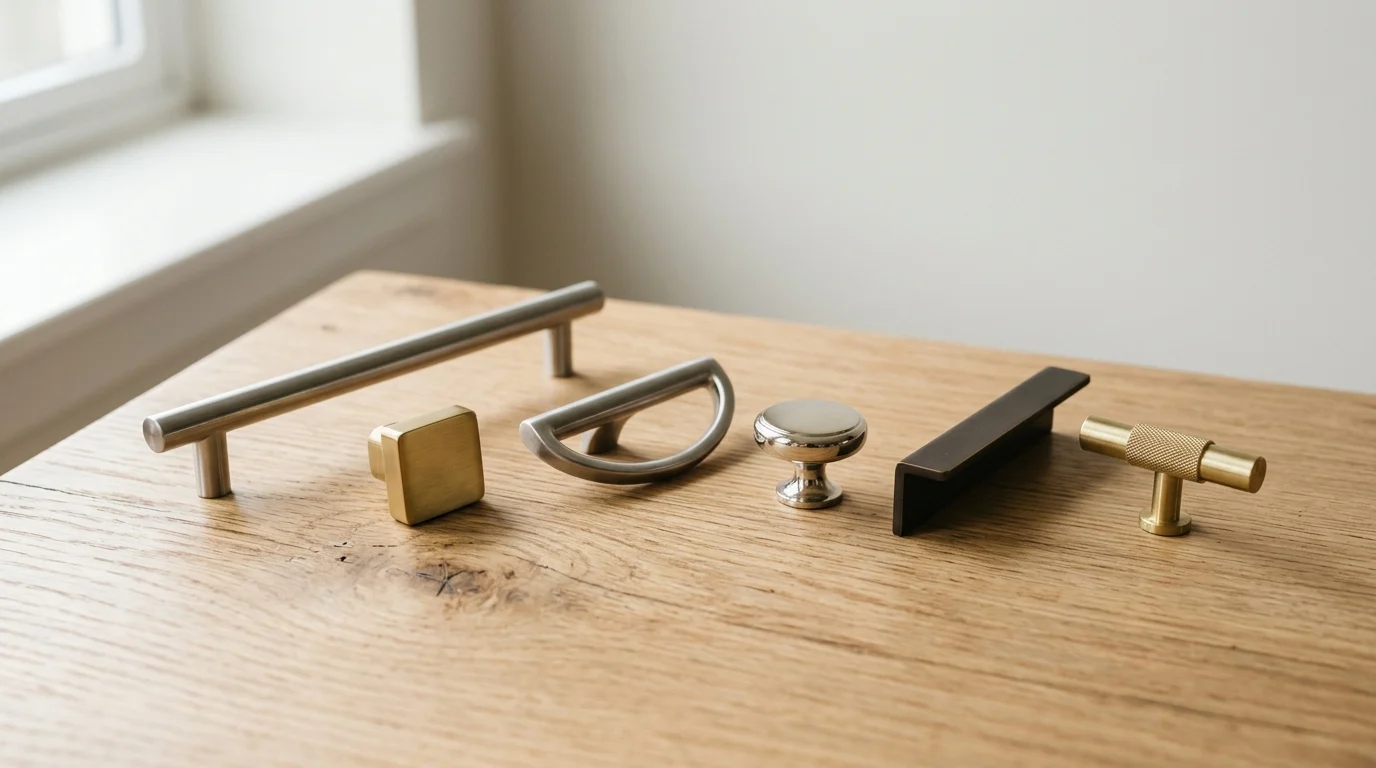
Furniture pulls look simple, but the buying decision combines aesthetics, engineering, and manufacturing economics. A Furniture Knob And Handle part must look right on a cabinet door, feel right in the hand, install correctly on center spacing in mm, and survive years of touch, moisture, and cleaning products. That combination creates a sourcing challenge. When a buyer chases only the lowest quote, important details can disappear: wall thickness, thread quality, polishing time, coating consistency, or packaging strength.
This is why experienced buyers create a target specification before asking for quotes. They list dimensions in mm, part weight in g, finish expectations, allowable defect rate in %, packing method, and test needs. That early discipline matters because suppliers quote based on visible requirements, so vague requests usually produce wide quality variation. If you want a practical reference point, start by reviewing product categories such as https://www.huazhuprecision.com/furniture-knob-and-handle/ and compare shape complexity, finish styles, and application needs before discussing price.
The real cost equation: unit price versus total landed cost
Total landed cost includes much more than the ex-works number on a quotation sheet. It includes tooling amortization, rework, packaging, freight, customs, warehouse handling, installation time, returns, and warranty risk. A handle that is $0.12 per unit cheaper can still lose money if installers need an extra 90 seconds per unit to align screws or if finish inconsistency causes replacement of 50 units per 1,000 units.
| Cost Element | Low-Price Option | Balanced Option | Why It Matters |
|---|---|---|---|
| Unit price | $0.62 per unit | $0.80 per unit | Visible savings can hide downstream losses. |
| Defect rate | 3% | 0.5% | Replacement cost grows fast at volume. |
| Extra install time | 2 minutes per unit | 30 seconds per unit | Labor cost often exceeds material savings. |
| Service life | 1 year to 2 years | 5 years to 10 years | Durability affects complaint frequency. |
| On-time delivery | 85% | 97% | Schedule reliability protects production plans. |
Material choice: where cost and performance meet
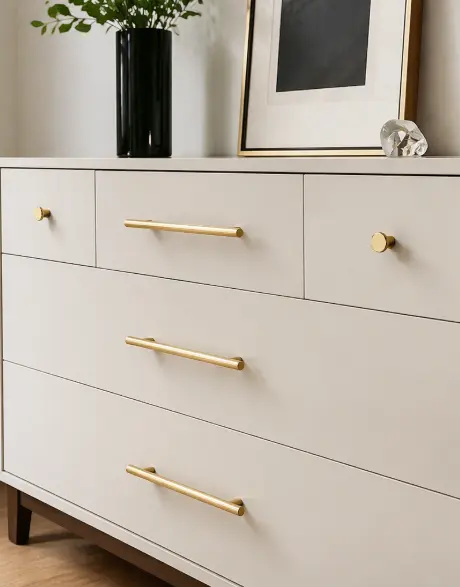
The most common decision is between Zinc Alloy and aluminum alloy. Each has strengths, and neither is automatically “better.” Zinc Alloy is widely used for detailed die-cast shapes, crisp edges, and a premium hand feel. Aluminum alloy can support lighter-weight designs and may help when shipping cost per kg is a concern. The right answer depends on geometry, finish, and end use.
Zinc alloy advantages
Fine detail, solid feel, strong decorative appearance, and broad finishing compatibility.
Aluminum alloy advantages
Lighter weight, potentially lower freight burden per 1,000 units, and good corrosion behavior in many conditions.
Decision trigger
Choose by target weight in g, shape complexity, finish type, and installation environment.
If you are comparing hardware categories and custom options, review an application example such as https://www.huazhuprecision.com/zinc-alloy-aluminum-alloy-die-casting-oem-factory-custom-door-handle-product/. It helps frame how alloy selection influences design freedom and sourcing economics.
Finish quality is not cosmetic only
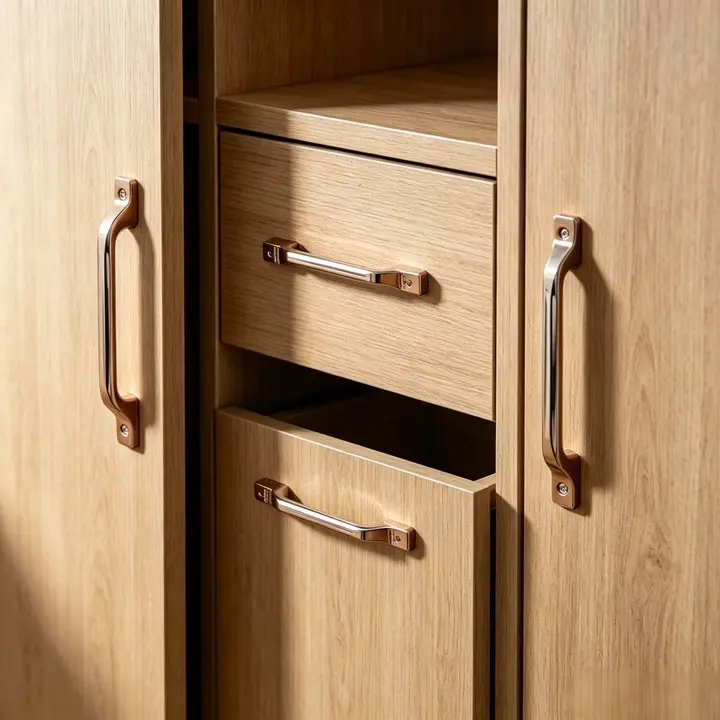
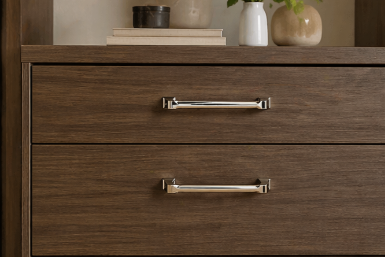
Surface finish drives both perceived value and durability. Brushed, plated, painted, powder-coated, and polished finishes all have different labor inputs and risk points. Buyers often underestimate this area. A finish that looks nearly identical at first glance can perform very differently after 6 months of use in kitchens, bathrooms, or coastal environments.
That difference appears because pretreatment, coating thickness, polishing consistency, and curing control vary by supplier, so finish quality directly affects corrosion resistance, scratch visibility, and color stability. Even a beautiful satin black handle can become a sourcing problem if edges thin out during finishing or if the screw area chips during assembly.
- Check color consistency across 3 units to 10 units from different cartons.
- Inspect edge coverage on corners, recesses, and screw bosses.
- Confirm adhesion after handling and light abrasion.
- Review packaging contact points to avoid rub marks during transit over 500 km to 8,000 km.
How to write a specification that protects both budget and quality
A good specification does not need to be complex, but it must be specific. Include overall length in mm, center-to-center spacing in mm, projection in mm, target weight in g, alloy type, finish, logo requirement, screw size, packaging method, carton quantity, and acceptance criteria. Add photos or drawings when possible.
| Specification Item | Example Value | Business Impact |
|---|---|---|
| Center spacing | 96 mm or 128 mm | Installation fit with existing drilling patterns. |
| Weight | 45 g per unit | Material consistency and shipping estimate. |
| Finish | Matte black or brushed nickel | Appearance stability and customer perception. |
| Packaging | 1 unit per polybag, 100 units per carton | Transit protection and packing labor. |
| Lead time | 25 days to 40 days | Production planning for furniture assembly. |
Sampling, testing, and inspection: small spend, big savings
Sampling is one of the cheapest forms of risk control. Ask for 3 units to 10 units of each model and finish, plus the exact screws and packaging. Test for fit, hand feel, visual consistency, and carton protection. If the product will be used in humid rooms, run a basic exposure check in realistic conditions. If the pulls are sold in flat-pack furniture, simulate repeated installation with the specified fastener.
MOQ, tooling, and batching: where negotiation really works
Many buyers negotiate only on unit price. A better method is to negotiate on the variables that shape cost. MOQ, finish batch size, packaging style, tooling amortization, and production scheduling can all move the final number. If a supplier runs a finish line efficiently at 2,000 units per color, requesting 300 units in 6 colors may raise cost sharply. The same order consolidated into 2 colors may save more than pressuring raw material cost by a few cents.
- Ask for breakpoints at 500 units, 1,000 units, and 5,000 units.
- Request cost separation for tooling, part price, screws, and packaging.
- Discuss standard finishes first before specifying special colors.
- Evaluate inventory strategy if annual demand exceeds 20,000 units.
Supplier selection: what to check beyond the quotation
A quotation is only the beginning. Buyers should compare responsiveness, drawing review quality, sample turnaround in days, process transparency, and willingness to document standards. A supplier who asks smart technical questions often prevents expensive mistakes later. A supplier who only says “no problem” may be hiding uncertainty.
Review process capability where possible. Ask about die-casting control, polishing methods, coating steps, incoming material checks, and final inspection plans. If the supplier can explain defect prevention in plain language, that is usually a good sign. Reliability matters because repeatability is what makes long-term sourcing efficient, so the best partner is not always the one with the lowest first quote.
Common mistakes that increase cost
Late design changes, unclear finish names, missing dimensional tolerances, and weak packaging specs are common cost drivers. Another frequent issue is comparing quotations that are not aligned. One supplier may include screws, polybags, and carton marks, while another may exclude them. Without a normalized quote sheet, decisions become misleading.
Another mistake is ignoring freight. On a heavy hardware order of 500 kg, small weight differences per unit can affect shipping cost. Likewise, overpacking may protect finish but reduce carton efficiency. Underpacking saves a little at origin but can raise transit damage after 2,000 km of movement. Balance is the goal.
Planning for 2026: build flexibility into your sourcing model
In 2026, buyers should assume periodic movement in metal cost, freight rates, and lead times. The solution is not panic buying. The better strategy is documented flexibility: approved alternative finishes, backup suppliers, agreed sampling procedures, and demand forecasts with a planning horizon of 60 days to 90 days. That approach reduces reaction cost when markets shift.
Companies that perform well in uncertain conditions usually have three habits: clear specifications, approved samples, and communication discipline. Those habits matter because uncertainty punishes vague planning, so the buyers with structure often secure better value even when prices fluctuate.
FAQ
1. What is the best way to balance low price and good quality in furniture pulls?
The best method is to compare total cost across the full product life, not just the quotation line. Include unit price, defect rate in %, rework time in minutes per unit, freight by kg, replacement risk, and expected service life in years. A modestly higher purchase price can be the lower-cost choice when it reduces complaints and delivery disruption. In short, define required quality first, then negotiate around efficient production and packaging rather than stripping quality out of the part.
2. Which material is usually more cost-effective for furniture knob and handle production?
It depends on shape, finish, and application. Zinc Alloy is often cost-effective for intricate die-cast designs and a premium tactile feel, while aluminum alloy may help reduce shipping weight in g per unit and overall freight in kg. The correct choice should be based on dimensional requirements in mm, finish compatibility, and the environment where the product will be used, such as dry bedrooms or higher-humidity kitchens.
3. How many samples should buyers request before mass production?
A practical sampling range is 3 units to 10 units for each model and finish. That quantity allows comparison of color consistency, measurement checks in mm, screw fit, and packaging performance. If the project includes several finish options, request a finish panel or control sample for each one. For annual demand above 10,000 units, a production sample made with normal tooling and normal finishing conditions is strongly recommended.
4. What defects should be inspected in furniture pulls?
Inspect for pits, porosity, polishing waves, plating variation, scratches, burrs, cracked coating near edges, poor thread quality, and off-center hole positions in mm. Also inspect the included screws for length and threading consistency. Appearance should be checked under strong light, because minor cosmetic issues become obvious on finished furniture. If possible, inspect samples both individually and in grouped sets, since variation often appears more clearly across multiple units.
5. Is a lower MOQ always better for sourcing?
No. A lower MOQ can reduce inventory exposure and cash tied up in stock, but it usually increases unit cost because setup, tooling amortization, and finishing time are spread across fewer units. Buyers should compare at least 3 quantity tiers, such as 500 units, 1,000 units, and 5,000 units. In many cases, a slightly larger order creates a meaningfully lower cost without creating excessive inventory risk.
6. Why does finish quality affect long-term sourcing cost?
Finish quality influences both visual appeal and durability. Better pretreatment, coating control, and edge coverage reduce early wear, color variation, and corrosion-related complaints. In spaces exposed to moisture, oils, or frequent cleaning, a weak finish can fail much sooner than expected. A finish that lasts 5 years instead of 1 year can save replacement cost, labor, and customer frustration even if the initial unit price is higher by $0.05 per unit or $0.10 per unit.
7. What should be included in a supplier quotation?
A complete quotation should state alloy type, part dimensions in mm, unit weight in g, finish description, screw specification, tooling charge, MOQ in units, lead time in days, packaging method, carton quantity, inspection standard, payment terms, and shipping terms. If any of those items are missing, the quote may not be fully comparable. Asking for a cost breakdown also makes negotiations more productive.
8. How should buyers prepare for 2026 sourcing conditions?
Prepare by building redundancy and clarity into the process. Keep approved reference samples, qualify at least 2 suppliers for critical items where possible, monitor metal and freight trends, and maintain a planning window of about 60 days to 90 days. It also helps to standardize finishes and fasteners across product lines. When demand changes quickly, buyers with simpler specifications and backup options usually respond faster and with less cost pressure.