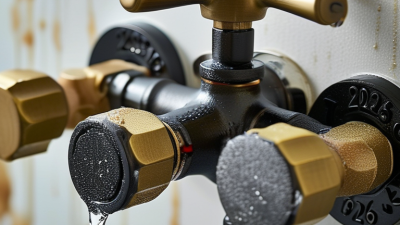
7 Tips for Choosing the Best Shower Knobs?
Choosing the right Shower Knobs is not merely a matter of matching chrome with a bathroom mirror. These small controls affect comfort, water flow, safety, and daily confidence. A knob that feels loose can make a carefully renovated shower seem unfinished. Worse, the wrong valve compatibility may create expensive installation problems behind the wall.
Richard Trethewey, a plumbing and heating expert known for his work on This Old House, offers a practical principle: “Good plumbing choices begin with understanding how water, pressure, and people interact.” That idea matters when comparing Shower Knobs. The handle should match the valve system, suit the user’s grip, and resist moisture, soap, and frequent cleaning. It should also feel natural when hands are wet. Small detail. Big difference.
This guide presents seven useful tips for choosing the best Shower Knobs. It considers materials, valve compatibility, handle design, temperature control, installation, maintenance, and long-term value. Brushed nickel may hide fingerprints better than polished chrome, while textured surfaces can provide steadier control. Still, no finish is perfect. Some coatings scratch, and some stylish shapes are surprisingly awkward to turn. That is worth admitting.
A reliable choice begins with the wall’s existing plumbing, not only with a product photograph. Measure carefully, check manufacturer specifications, and think about who will use the shower every day. A beautiful knob can disappoint if it becomes slippery, difficult to grip, or costly to replace. These practical checks help narrow the options without sacrificing appearance or safety.
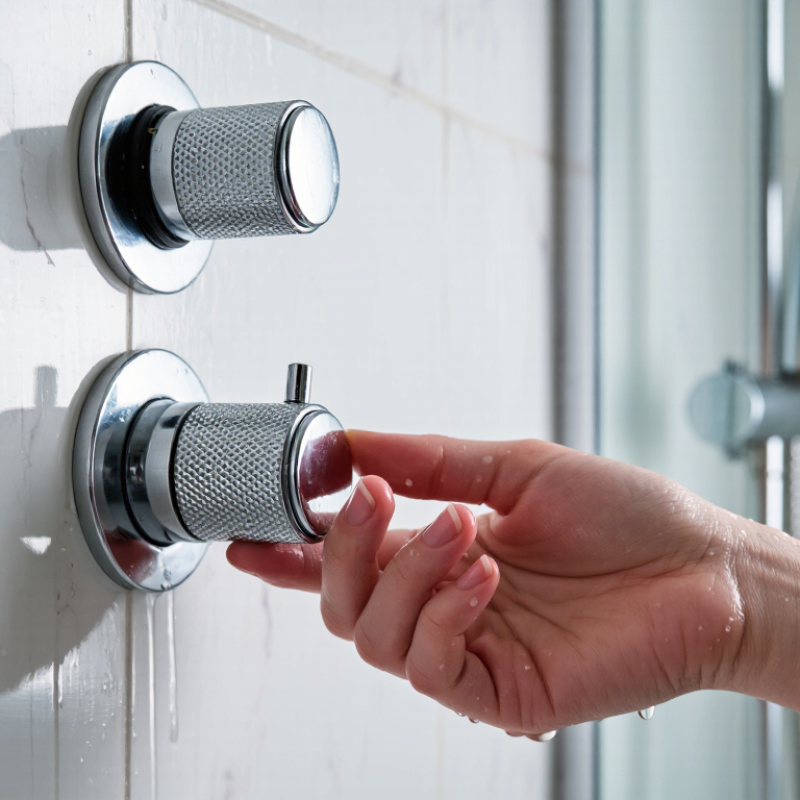
Match Knob Type to Valve Systems Under ASME A112.18.1/CSA B125.1
7 Tips for Choosing the Best Shower Knobs?
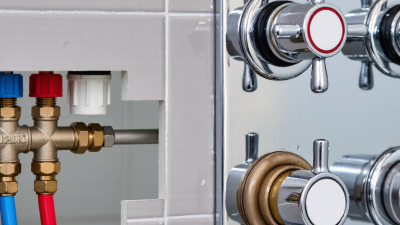
Choosing a shower knob starts behind the wall.
ASME A112.18.1/CSA B125.1 covers plumbing supply fittings, including performance, durability, connections, and testing. It does not decide whether a round or square knob feels better. That decision comes later.
Confirm the existing valve system before buying trim. Pressure-balancing valves usually need compatible temperature-limit settings. Thermostatic valves require different control logic and cartridge alignment. A beautiful knob can still fail here.
Measure the valve depth, stem shape, and handle rotation. Check whether the knob controls volume, temperature, or both.
Under the U.S. EPA WaterSense specification, labeled showerheads must use no more than 2.0 gallons per minute, compared with the federal 2.5-gpm limit. Lower flow can change perceived pressure. That matters when selecting a precise control knob.
The 2024 Houzz U.S. Bathroom Trends Study also reports continued homeowner interest in upgraded shower experiences, but comfort depends on compatibility more than appearance.
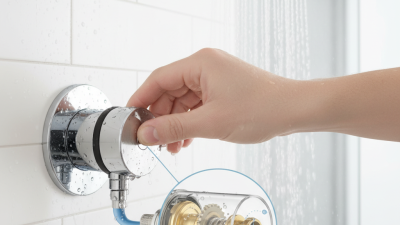
Use corrosion-resistant hardware and clear installation instructions. Test the knob with wet hands. Slippage is easy to overlook.
In field work, I have seen replacement knobs fit the stem but miss the valve’s stop position. That mistake is expensive.
I would also recheck the standard edition and local plumbing requirements. Assumptions are convenient, but they are not reliable specifications.
Prioritize Anti-Scald Controls Near the 120°F Safety Threshold
Choosing shower knobs should begin with scald protection, not appearance. An anti-scald control limits water temperature near the 120°F safety threshold. This setting helps reduce burns during sudden pressure changes. Still, 120°F is not automatically comfortable for every household. Test the water with a reliable thermometer.
Look for a pressure-balancing or thermostatic mechanism. Pressure-balancing controls react when a toilet flushes or another tap opens. Thermostatic controls monitor temperature more directly. Both can improve safety when properly installed and maintained. Choose a knob with clear hot and cold markings. It should turn smoothly and resist accidental movement. Small children need extra protection.
Test the grip with wet hands. A broad, textured knob is easier to adjust than a polished, slippery one. Check whether the temperature limiter can be adjusted without removing the entire trim. That detail can save time during servicing. Ask a qualified plumber to confirm the valve matches the control. An attractive knob cannot correct an incompatible valve.
Do not rely on touch alone. Run the shower for several minutes, then measure the outlet temperature. I once assumed a comfortable setting was safe, but the reading was higher than expected. That mistake changed how I evaluate shower hardware. Recheck the temperature after seasonal water-pressure changes. Local plumbing requirements may also affect the correct installation method.
Choose ADA-Friendly Knobs Requiring No More Than 5 Pounds of Force
7 Tips for Choosing the Best Shower Knobs
Choose ADA-Friendly Knobs Requiring No More Than 5 Pounds of Force
An accessible shower knob should turn with no more than five pounds of force. This is a practical ADA-based benchmark in the United States. Check local requirements before installation. Choose a broad, textured surface that remains easy to grip with wet hands. Rounded edges reduce pressure on fingers and palms. A clear temperature indicator also helps users adjust water safely. Test the knob with a simple force gauge, not just a quick hand twist. That small check can reveal surprising resistance.
Look for a control that works from a seated position and does not require tight pinching. Place it within comfortable reach, while keeping it away from direct spray when possible. Ask an installer to inspect the valve, seals, and internal cartridge. A stiff mechanism may signal buildup, poor alignment, or wear. I once judged a knob by its smooth appearance and missed how slippery it became under water. That was a useful mistake. Test it repeatedly with damp hands, limited grip strength, and different temperatures. Five pounds is a maximum benchmark, not a comfort guarantee. Some users may need even less force. A dependable choice combines low resistance, visible markings, sturdy construction, and simple operation.
7 Tips for Choosing the Best Shower Knobs: ADA-Friendly Force Limit
The ADA Standards require operable parts to function with no more than 5 pounds-force (22.2 newtons). Choose shower knobs that can be operated comfortably below this maximum.
Reference: ADA Standards for Accessible Design, Section 309.4, Operable Parts.
Evaluate Grip, Finish, and Corrosion Resistance for Long-Term Use
7 Tips for Choosing the Best Shower Knobs?
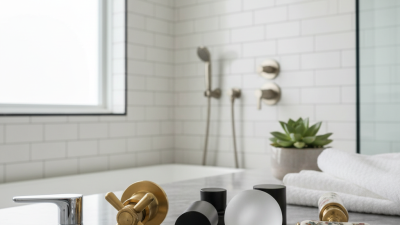
A secure grip matters when hands are wet or soapy. Choose knobs with shallow ridges, rounded edges, and enough width for comfortable control. Test the turning force before installation. A knob that feels smooth in a showroom may become difficult with slippery fingers. Avoid sharp grooves. They can trap soap and irritate skin. Also check whether the design suits children, older adults, or anyone with limited hand strength.
Finish affects both appearance and maintenance. Select a surface that hides water spots if your bathroom has hard water. Brushed textures often need less daily wiping than highly polished surfaces. Inspect the coating closely for thin areas around edges and screw holes. These spots can wear first. Corrosion resistance is equally important. Look for solid, moisture-tolerant materials and properly sealed connections. A decorative surface alone does not guarantee long-term protection.
Installation details deserve attention. Use compatible seals, tighten fittings carefully, and prevent water from reaching exposed threads. Excessive force can damage the knob or its mounting hardware. Clean the surface with mild soap, not abrasive powder or harsh chemicals. Check for looseness every few months. In coastal or poorly ventilated bathrooms, even good hardware may corrode sooner than expected. I once underestimated bathroom humidity, and a small hidden rust mark became a costly repair. That mistake is worth remembering.