What is a Shower Knob and How Does It Work?
Shower knobs are essential fixtures in any bathroom. They control the flow and temperature of water during your shower. But how do these simple devices actually work? Understanding shower knobs can improve your shower experience.
When you turn a shower knob, it connects to a valve. This valve regulates water from the plumbing system. There are different types of shower knobs, such as single or multi-handle designs. Each type has specific functions that provide varying levels of control over the water.
Many people may overlook the importance of maintaining these components. Worn-out knobs can lead to leaks or inconsistent water temperature. Regular checks can prevent these issues, ensuring a better experience. Knowing how your shower knobs function gives you more control over your daily routine.
Understanding the Basics of Shower Knobs: Definition and Functionality
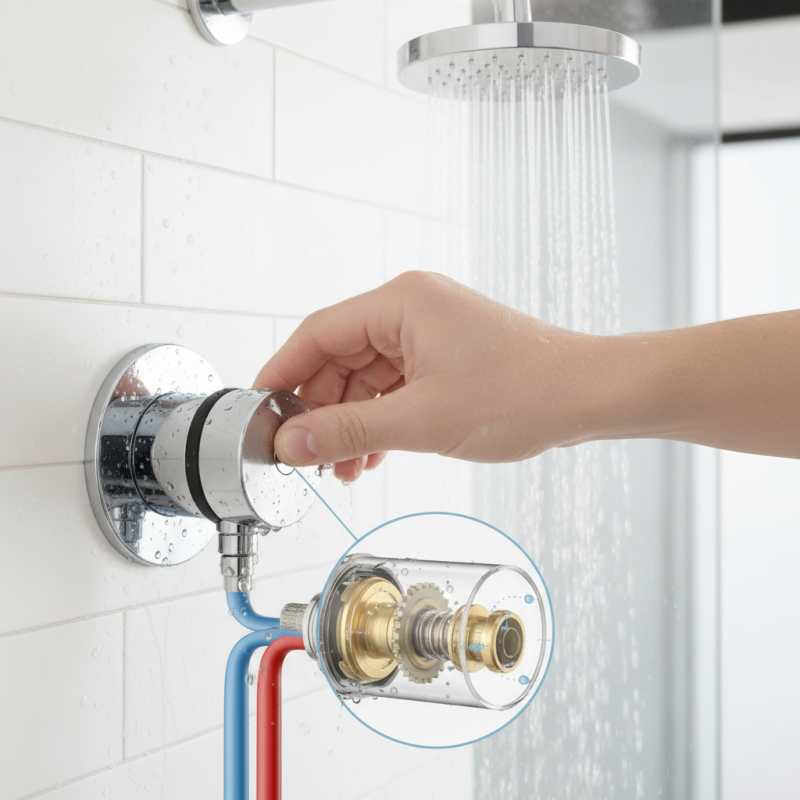
A shower knob is a pivotal component in any shower system. It controls the flow and temperature of water, allowing users to customize their shower experience. Typically made from durable materials, it features a central mechanism tied to the water valve. When turned, it adjusts the water flow and can mix hot and cold water to reach your preferred temperature.
Understanding how the knob functions requires some technical insights. Inside the knob, a cartridge or a valve controls the hot and cold water mix. This mechanism can wear down over time, resulting in inconsistent water temperature or leaking. Regular maintenance can prevent these issues, but many homeowners often overlook it. Sometimes, they may even ignore signs of wear, leading to larger plumbing problems later. It's important to know when to replace the knob or its internal components. Taking the time to understand these parts can save time and money.
Types of Shower Knobs: Single vs. Dual Control Systems
Shower knobs are essential fixtures in modern bathrooms. They control the flow and temperature of water. When it comes to choosing between single and dual control systems, each type presents unique advantages.
Single control knobs simplify the process. One knob regulates both water temperature and flow. According to a report by the Plumbing Manufacturers International, this design is popular in smaller bathrooms. It allows users to adjust water settings with one hand. However, it might not provide precise temperature control.
Dual control systems use separate knobs for hot and cold water. This setup offers better temperature accuracy, which many homeowners prefer. A study by the American Society of Plumbing Engineers noted that users often find this type more user-friendly. Yet, adjusting two knobs can be cumbersome, especially for children or elderly users. Each system has its merits, but the choice ultimately reflects personal preference and bathroom design.
How Shower Knobs Regulate Water Temperature and Flow Rate
A shower knob is a crucial component of any shower system. It controls the water temperature and flow rate. Users turn the knob to adjust the settings, making it easier to achieve their desired shower experience. Understanding how shower knobs work can help you use them effectively.
Shower knobs typically operate through a simple mechanism. When you turn the knob, it opens or closes a valve, regulating water flow. This valve controls hot and cold water mixing. As you adjust the knob, you change the ratio of hot to cold water. Some users may find it challenging to find the perfect temperature. It often requires some trial and error.
Maintenance is another important aspect. Over time, shower knobs can become less responsive. Mineral buildup can affect flow rate and temperature control. Regular cleaning can help maintain performance. If the knob is difficult to turn, it may indicate wear. Reflecting on these issues can help ensure a more pleasant shower experience.
Common Issues with Shower Knobs and Their Solutions
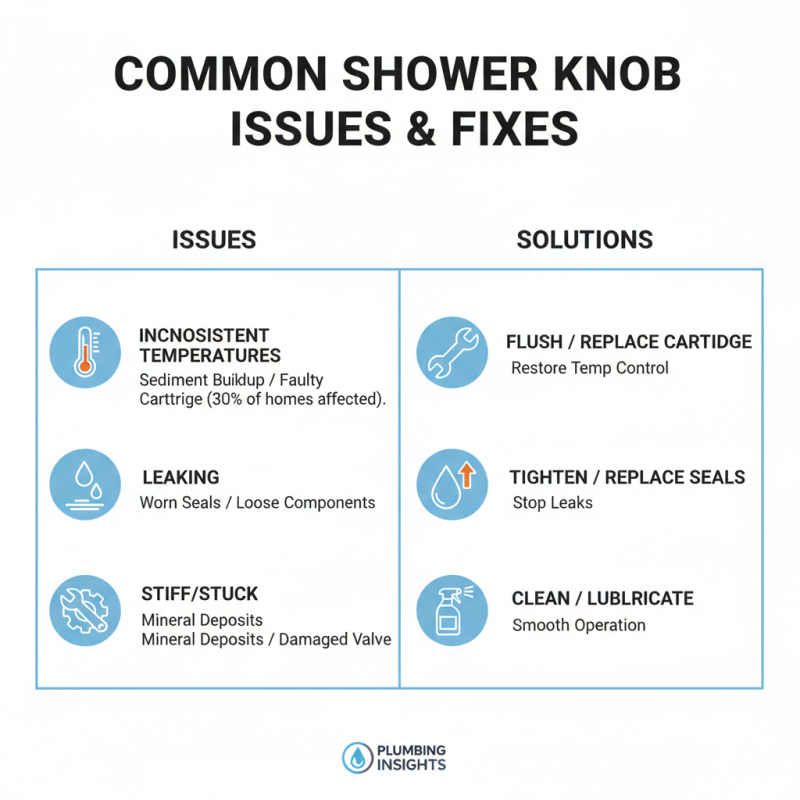
Shower knobs are simple yet essential components in modern bathrooms. However, they can present several issues over time. A common problem is temperature regulation. A study from the Plumbing Manufacturers International indicated that up to 30% of homeowners experience difficulty with inconsistent water temperatures. This inconsistency often stems from sediment buildup or faulty cartridges.
Another frequent issue involves leaks. According to industry reports, nearly 20% of households encounter dripping knobs, which can waste significant water annually. This problem often arises from worn washers or seals. Replacing these components is relatively straightforward but often neglected until the situation worsens.
Lastly, user difficulties in turning knobs can indicate more serious issues. In many cases, the knob may be improperly aligned or require lubrication. Regular maintenance can prevent these issues. Addressing them promptly ensures a more efficient and enjoyable shower experience.
Maintenance Tips for Optimal Performance of Shower Knobs
Maintaining your shower knob is essential for optimal performance. Regular maintenance can prevent costly repairs. According to industry studies, nearly 30% of shower problems arise from neglected knobs. These can become hard to turn or even leak if not properly cared for.
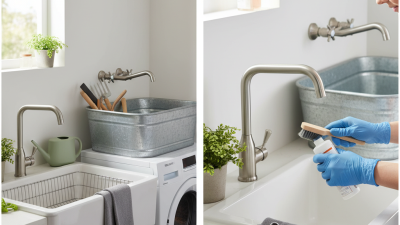
One simple tip is to clean the knob regularly. Use a mild soap solution and a soft cloth. This prevents mineral buildup from hard water, which can hinder operation. Inspect the knob for signs of wear or damage. A cracked or worn knob can lead to leaks. Replace it promptly to avoid further issues.
Another important step is to check the inner workings. Many knobs have a cartridge or valve that needs lubrication. A silicone-based lubricant can keep it functioning smoothly. However, too much can cause a mess. Use sparingly and follow the manufacturer’s instructions for best results. Regular checks and early maintenance can extend the life of your shower knob significantly.