Supporting Bar Top Tips for Global Buyers to Consider
In the dynamic realm of the Supporting Bar industry, understanding buyer motivations is crucial. According to a recent report by Beverage Insights, global bar sales increased by 25% over the last three years. This growth highlights the importance of strategic planning for buyers. As Tony Mathews, a leading expert in the Supporting Bar sector, once stated, "Success hinges on grasping the evolving needs of consumers."
This statement underscores the need for adaptability in sourcing and product selection. Buyers must focus on innovative designs and premium materials. An emphasis on sustainability can set a brand apart. For instance, incorporating eco-friendly practices can appeal to a growing demographic of environmentally conscious consumers. However, many buyers overlook this vital element, leading to missed opportunities.
To truly excel, buyer education is essential. Engaging with industry experts can provide insights into market trends. The Supporting Bar landscape demands a proactive approach. Effective communication and collaboration with suppliers play a significant role in achieving success. Addressing challenges within this framework can ultimately lead to more informed decisions and better market responsiveness.

Key Factors to Evaluate When Sourcing Bar Equipment Globally
When sourcing bar equipment globally, buyers must assess a range of key factors.
One major consideration is quality control.
According to a 2022 industry report, nearly 40% of bar equipment sourced from overseas fails quality tests. This could lead to
safety hazards or equipment malfunctions in busy environments.
Another vital aspect is the reliability of suppliers. An estimated 30% of buyers express concerns about delivery timelines.
Delays in shipping can severely affect opening schedules for new bars. Research indicates that establishing a direct line of communication with suppliers can mitigate these risks.
Frequently checking in and providing updates can enhance the relationship and ensure smoother logistics.
Cultural differences also play a role in sourcing. Understanding local practices and negotiation styles can be a game changer. Notably, a survey revealed that 25% of international partnerships struggle due to
miscommunications. Addressing these nuances can improve collaboration and lead to better outcomes. Bar owners must reflect on these challenges and adapt their strategies accordingly to build a successful global sourcing framework.
Understanding Different Market Regulations and Compliance Standards
Navigating global markets can be daunting, especially with varying regulations and compliance standards. Understanding these differences is crucial for buyers. Each region has unique rules governing product safety, labeling, and marketing. Compliance ensures not only legal safety but also customer trust.
One essential tip is to research local regulations thoroughly. Spend time reviewing official guidelines. It’s advisable to consult with legal experts who specialize in your target market. They can guide you through the complexities and avoid potential pitfalls. Don’t underestimate the importance of accurate documentation. Missing paperwork can lead to expensive fines or delays in product launches.
Another point to consider is tracking changes in regulations. Laws can evolve quickly, and staying informed is key. Use industry newsletters or professional networks to stay updated. Engage with local chambers of commerce for insights. This proactive approach allows for better planning and decision-making, ultimately leading to success in global sourcing.
Supporting Bar Top Tips for Global Buyers to Consider - Understanding Different Market Regulations and Compliance Standards
| Country/Region |
Regulatory Framework |
Compliance Standards |
Key Considerations |
| United States |
FDA Regulations |
GMP and HACCP |
Labeling requirements must be met. |
| European Union |
EU Food Law |
ISO 22000 |
Traceability must be ensured for all products. |
| Canada |
Canadian Food Inspection Agency (CFIA) |
CFIA Standards |
Bilingual labeling is required. |
| Australia |
Food Standards Australia New Zealand (FSANZ) |
Food Safety Standards |
Nutritional information must be displayed. |
| Japan |
Food Sanitation Act |
JFS-B Certification |
Food safety plans must be documented. |
Tips for Assessing Quality and Durability of Bar Products
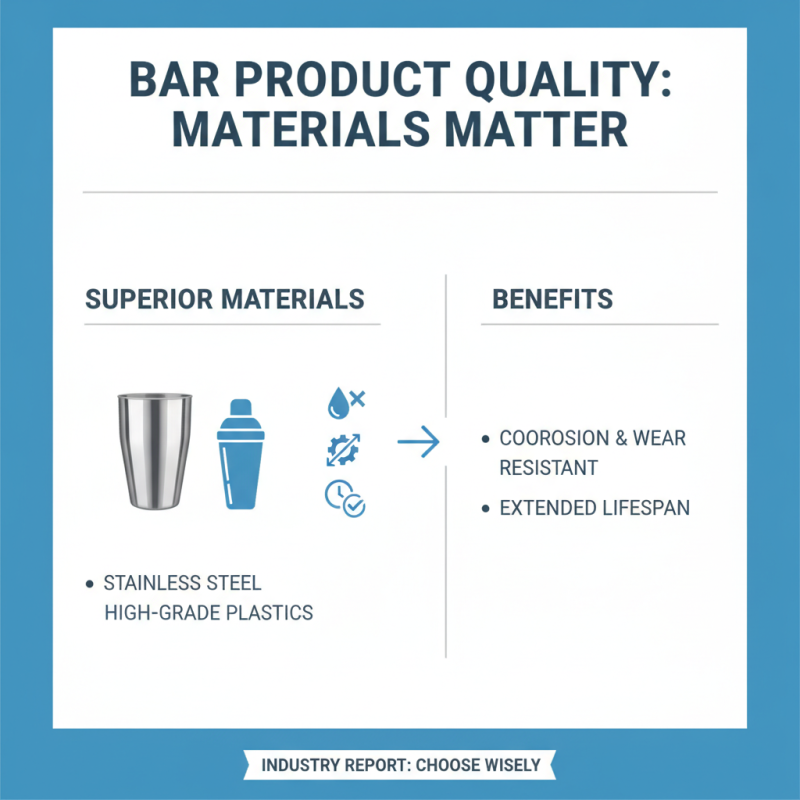
When assessing the quality and durability of bar products, buyers should focus on material composition. A recent industry report shows that products made from stainless steel or high-grade plastics have a longer lifespan. These materials resist corrosion and wear better than their counterparts. For instance, stainless steel can withstand harsh cleaning chemicals, extending the product's usability.
Buyers also need to evaluate construction integrity. Look for items with solid welds or secure joints. Weak points can lead to early failures. According to a survey, 30% of bar product failures are due to poor construction. Therefore, investing in well-designed products pays off in the long run.
Testing products before bulk purchasing is crucial. Weight and texture play a role in perceived quality. For example, heavier glassware often signifies durability. Additionally, checking for user reviews can provide insights into long-term performance. However, not all reviews are trustworthy. Therefore, verify them through multiple sources to ensure reliability. This careful evaluation helps buyers make well-informed decisions.
Strategies for Effective Communication with International Suppliers
Effective communication with international suppliers requires careful planning and execution. Language barriers can create misunderstandings. Using simple language can reduce this risk significantly. Avoid jargon that might confuse the other party. Be clear and concise in your emails and messages.
Cultural differences also play a critical role. Different regions may have unique business etiquette. Understanding these nuances can aid in building rapport. Take time to research your supplier’s culture. This understanding will enhance your conversations and negotiations. For instance, some cultures value directness, while others prefer a more indirect approach.
Feedback is essential in any communication strategy. Don’t hesitate to ask for clarification if something is unclear. Suppliers may also appreciate when you ask for their insights. This feedback loop fosters trust and collaboration. Remember that building a successful relationship takes time and effort. It's a learning process that involves both parties. Keep adjusting your approach based on your experiences and interactions.
Navigating Payment and Shipping Options for Global Purchases
When navigating global purchases, payment and shipping options are paramount. According to a recent report by the Global Trade Insights Institute, 75% of global buyers prioritize secure payment methods. Understanding available options can enhance trust and ease in transactions. Digital wallets and escrow services are gaining traction. They protect buyers and sellers, leading to fewer disputes.
Shipping methods significantly impact the overall buying experience. The International Logistics Association notes that 61% of global shoppers track their shipments. Fast shipping has become a key differentiator. Express services are favored, as 48% of buyers are willing to pay more for quicker delivery. However, international shipping can lead to unexpected tariffs and delays. Awareness of these factors can avoid potential dissatisfaction.
Buyers should remain vigilant about payment security. Cybersecurity threats are rampant, with data indicating a 30% increase in online fraud. Educating oneself about secure payment platforms is vital. Additionally, understanding each country's customs regulations can mitigate surprises. Ensure to ask questions and seek clarity on shipping terms. Every transaction provides a learning opportunity.