What Are the Best Utility Faucets for 2026?
Utility Faucets do more than deliver water; they shape how easily you can clean tools, fill buckets, and manage everyday mess. In 2026, the best choice depends less on a flashy finish and more on fit, function, and dependable construction. A laundry sink may need a tall spout for bulky containers, while a garage basin may benefit from a hose connection or a pull-down sprayer. Small details matter.
This guide introduces practical ways to compare utility faucets, from spout reach and handle style to mounting requirements and finish durability. It also considers how often the faucet will be used, how much clearance sits above the sink, and whether existing plumbing connections match the product specifications. These checks can prevent an attractive faucet from becoming an awkward installation. Not every useful feature suits every room.
A strong recommendation should rest on verifiable details, not vague promises. We’ll weigh manufacturer specifications, available warranty information, materials, and user-focused design, while noting where product claims deserve closer inspection. Reviews can reveal recurring issues, but individual experiences are not guarantees. That distinction is easy to overlook. Before choosing, measure the sink and confirm the faucet’s installation requirements. The best utility faucet is the one that fits your space, handles your routine, and feels reliable over time.
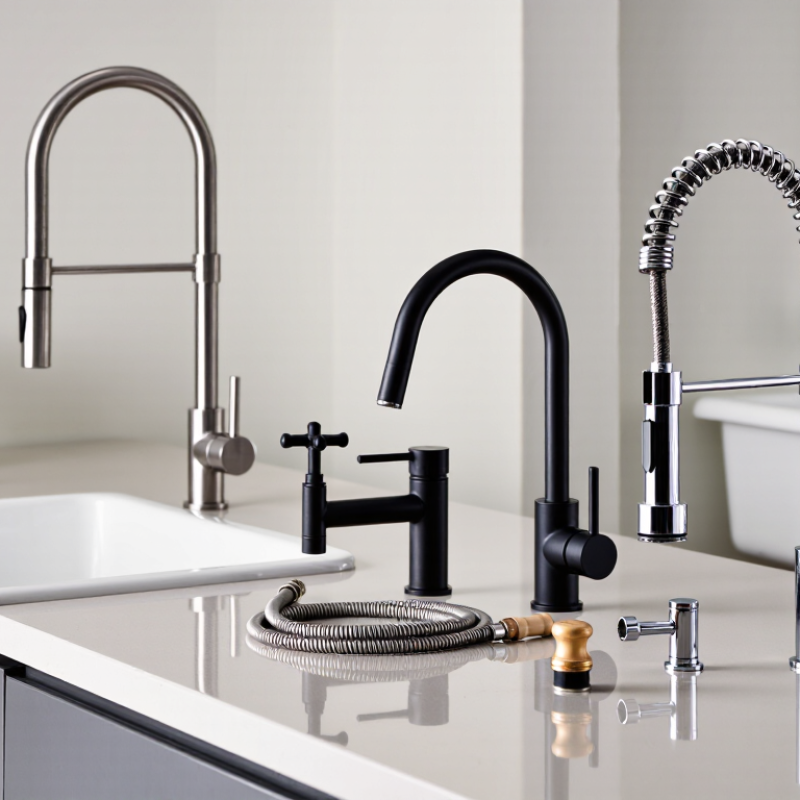
Classify Utility-Faucet Types by Sink, Workshop, Laundry, and Commercial Use
What Are the Best Utility Faucets for 2026?
The best utility faucet depends on where it will be used, not on one universal feature. For a sink, choose a compact design with a high arc and enough clearance for buckets or deep pots. A pull-down or swivel spout can help rinse corners, though extra moving parts may need more upkeep. In a workshop, prioritize a sturdy metal body, simple handles, and a spout that reaches across a wide basin. Grease and grit are hard on delicate finishes.
Laundry faucets should make filling and rinsing easy. A long-reach spout and clear hot-and-cold controls are practical beside a washer. Check the sink depth before buying; a powerful stream can splash in a shallow tub. Commercial settings need durable construction, accessible controls, and serviceable parts. Frequent use matters more than decorative details. Still, “commercial grade” alone does not guarantee a good fit.
Tips: Measure the faucet holes, basin depth, and wall clearance first. Test the handle position against nearby shelves or machines. Choose a finish you can clean with mild soap, and confirm replacement parts are available. Small details matter. A faucet that looks right online may feel awkward over a real utility sink.
Compare Wall- and Deck-Mount Models by Reach, Clearance, and Retrofit Needs
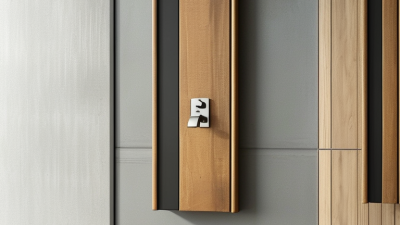
A utility faucet should match the way the sink is used, not just the way it looks. Wall-mount models free the deck for buckets and cleaning tools, but the spout must reach far enough into the basin. Measure from the wall to the drain, then check where the water lands. A short reach can splash against the back wall. Check clearance, too.
Wall mounting works best when supply lines already come through the wall at the right height. Moving them can turn a simple replacement into a larger project. A deck-mount faucet is often easier to retrofit when existing holes and supply connections are usable. It may, however, crowd a narrow sink ledge. Measure the faucet base, handle swing, and space behind the sink before buying.
Bring a bucket to the sink if you can. It makes reach and handle clearance easier to judge. For washing muddy gear, leave enough room to tilt bulky items beneath the spout. Small sinks need a careful balance: a long spout can improve access, but may extend beyond the basin. That detail is easy to misjudge on a screen. Verify dimensions against the actual sink and plumbing layout; old installations can be a little irregular.
Assess Flow, Spray, and Construction Under ASME A112.18.1/CSA B125.1
A strong utility faucet should deliver useful flow without making a mess.
Test it at the pressure available in your home, not just in a showroom. A bucket and timer can reveal whether it fills steadily. Watch for splashing when water hits a deep sink, and check whether the stream stays even as the handle moves. More flow is not always better.
Spray options deserve a close look.
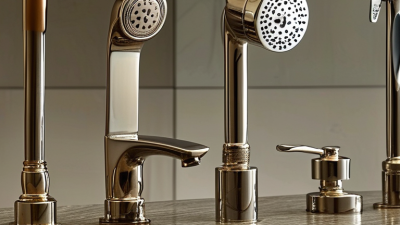
A pull-down or side spray should switch modes cleanly and return without the hose snagging below the sink. Test the spray against dried soil on a tray; a broad rinse may cover more area, while a focused stream can help with stubborn residue. Check for drips after switching modes. Small leaks matter.
Construction is more than a heavy-looking body.
Inspect the mounting hardware, hose connections, handle movement, and finish around joints. ASME A112.18.1/CSA B125.1 sets requirements and test methods for plumbing supply fittings, but compliance alone does not tell you whether a faucet suits your workspace. Review the product’s documentation for applicable conformity details. Then consider repair access and replacement parts. I would not judge durability by weight alone; that shortcut is tempting, but incomplete. A faucet that feels solid can still be awkward to maintain.
Verify Potable-Water Safety: NSF/ANSI/CAN 61 and the 0.25% Lead Limit
What Are the Best Utility Faucets for 2026?
Verify Potable-Water Safety: NSF/ANSI/CAN 61 and the 0.25% Lead Limit
A utility faucet may fill buckets, rinse muddy boots, or supply drinking water. Do not assume every model is suitable for potable water. Check whether its exact model is certified to NSF/ANSI/CAN 61, a standard that evaluates health effects from materials contacting drinking water. Certification applies to specific products and configurations, not every faucet that looks similar.
The 0.25% lead limit refers to the weighted average lead content of wetted parts, not the faucet’s overall weight. NSF/ANSI/CAN 372 is commonly used to verify lead content, while NSF/ANSI/CAN 61 addresses contaminants that may leach into water. These checks are related, but they are not interchangeable. Look up the model in the certifier’s directory or request documentation. A vague “lead-free” claim is not enough. Labels can be confusing, and I would double-check them.
Tips: Confirm the listing covers the faucet’s finish and included parts. Flush the line after installation, following the manufacturer’s instructions. If the faucet is designated for nonpotable use, keep drinking water elsewhere. Details matter.
Score Controls, Accessibility, and Value Using ADA’s 5-lbf Operating Limit
For a 2026 utility faucet, easy control matters as much as spray reach or price. The ADA’s 2010 Standards set a 5-pound-force maximum for operating parts. They also call for controls usable with one hand, without tight grasping, pinching, or wrist twisting. That gives shoppers a concrete benchmark, not a complete accessibility certification. A lever can look effortless and still feel stiff when wet or mounted behind a deep laundry sink. Check the control’s resistance and position in the actual setup.
Tips: If possible, test the handle with a simple force gauge. Turn it using one hand, then try it with damp fingers. Check that the spout reaches the basin without forcing an awkward stretch. A showroom test helps, but it cannot reproduce every installation.
For value, compare control effort, hose length, spray switching, and replacement-part availability—not just the sticker price. A pull-down hose should retract smoothly and avoid tugging the faucet base. A separate hot-and-cold control may be familiar, yet a single lever can be easier for some users. Neither design wins automatically. Measure the sink and consider who will use it daily; I’d still recheck handle force after installation, because mounting and water pressure can change the experience.