What is a Sink Handle and How to Choose the Best One?
When it comes to selecting the right Sink Handle, expert David Jones emphasizes the importance of both functionality and style. He states, “A well-chosen Sink Handle can transform your kitchen and enhance daily tasks.” This statement highlights the dual role that Sink Handles play in our lives. They are not only tools for operating sinks but also critical design elements.
Choosing the best Sink Handle can feel overwhelming. There are so many styles and materials to consider. An ideal handle should complement your kitchen decor while being easy to use. For instance, a lever handle may work better for those with limited hand strength. However, many overlook how a simple choice can reflect personal taste. This choice requires careful thought and consideration of everyday functionality.
Moreover, the right Sink Handle can prevent future frustrations. Think about how often you engage with it daily. Does it feel comfortable? Does it match your sink well? These questions can lead to better decisions. Ultimately, investing time in selecting an appropriate Sink Handle can significantly impact your kitchen experience.

What is a Sink Handle?
A sink handle is a crucial part of any sink, allowing users to control water flow and temperature. Typically made from materials like metal or plastic, handles serve both a functional and aesthetic purpose. They come in various designs, including single and dual lever configurations. The choice of a sink handle can greatly affect the overall look of your kitchen or bathroom.
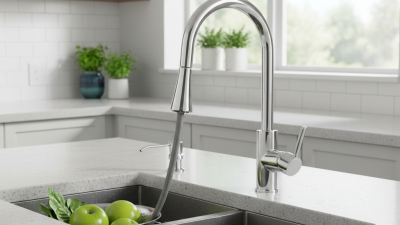
Different sink handles offer varying levels of durability and ease of use. For example, lever handles are often easier for individuals with limited hand strength. When selecting a handle, consider the height and shape. A tall, arching handle might be more comfortable for filling large pots. However, be cautious; overly elaborate designs can make cleaning more challenging. Look for designs that balance style and practicality.
Selecting the right sink handle requires some thought. Your choice should align with your daily usage and the overall sink design. Don’t ignore the importance of comfort and grip. Sometimes, a seemingly perfect handle may be awkward to operate. Explore multiple options, and don’t hesitate to adjust your choice after testing them.
Comparison of Sink Handle Materials and Their Durability
Types of Sink Handles Available in the Market
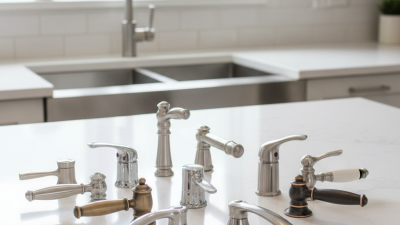
When selecting a sink handle, understanding the various types available is crucial. Sink handles come in multiple styles, each serving specific needs. The most common types include
lever handles,
knob handles, and
pull-down handles. Lever handles are popular for their ease of use, particularly for those with limited hand strength. They allow for simple, one-handed adjustments.
Knob handles provide a traditional look, often found in vintage or classic kitchens. However, these can be less user-friendly compared to lever options. Pull-down handles are a recent innovation, combining functionality with style. They offer flexibility, allowing users to direct water flow with precision.
The choice of handle also affects installation and maintenance. Some designs may require specific plumbing adjustments, which can lead to unexpected challenges when upgrading.
Additionally, considering material and finish is important. Stainless steel is durable but may show fingerprints. Chrome has a shiny appeal but can be prone to scratches. Reflecting on personal preferences and kitchen aesthetics will help streamline your decision. Ultimately, choosing the right sink handle involves balancing practicality and design.
Key Features to Consider When Choosing a Sink Handle
When selecting a sink handle, several critical features should be evaluated for optimal performance and style. One essential factor is the material. Durable materials like stainless steel can offer longevity and resistance to corrosion. According to a 2022 industry report, 75% of consumers preferred metal handles over plastic for their durability.
Another feature to consider is the handle's design and ergonomics. The ease of use is important, especially with wet hands. A well-designed handle can reduce strain on your wrist. An industry study found that 68% of users preferred handles that could be operated with minimal effort.
**Tips:** Look for handles with a good grip. Textured surfaces can help prevent slipping. Assess the finish, too. Polished finishes may show water spots, while matte surfaces can conceal fingerprints better.
Lastly, installation compatibility cannot be overlooked. Ensure that the handle fits your sink's configuration. This can save time and prevent frustration during the installation process. Regular feedback suggests that poorly matched handles lead to functional issues, with 40% of users reporting dissatisfaction.
How to Properly Install a Sink Handle
Installing a sink handle is more than just attaching a piece. It requires careful attention to detail and a few essential tools. Start by turning off the water supply to avoid any leaks. Use a basin wrench to remove the old handle and carefully inspect the area for damage or corrosion. This initial step is often overlooked but crucial for a successful installation.
Next, align the new sink handle with the existing holes. Ensure it fits snugly without forcing it. If it feels loose, consider using a gasket for a tighter seal. Tighten the handle slowly while ensuring it remains straight. Over-tightening can damage fittings, leading to further repairs. Water supply lines must be reconnected correctly. This process can introduce leaks if done hastily.
Testing the installation is vital. Gradually turn the water supply back on and check for any leaks. Small drips may indicate a need for adjustments. Look closely at the connections and feel for moisture. If necessary, disassemble and recheck the alignment. Remember, a well-installed sink handle is not only functional but adds to the overall aesthetics of your kitchen or bathroom.
Maintenance Tips for Sink Handles to Ensure Longevity
Maintaining your sink handle is essential for its longevity. Regular inspection can prevent minor issues from becoming major problems. Look for signs of wear, like cracks or loose fittings. A quick examination can save you time and money in the long run. It’s easy to overlook these details, but neglecting them can lead to leaks.
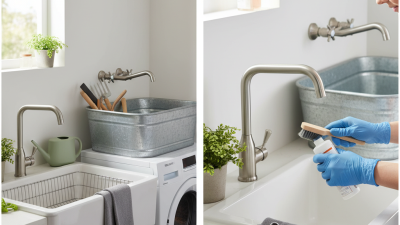
Cleaning is another important aspect of maintenance. Use a soft cloth and a mild cleaner. Avoid harsh chemicals that can damage the finish. Pay special attention to hard-to-reach areas where grime can accumulate. Sometimes, a simple cleaning can restore functionality and appearance.
Lubrication of moving parts is often neglected. Apply a suitable lubricant periodically to ensure smooth operation. If the handle feels stiff, it might need this simple maintenance step. Consistency is key. A little care goes a long way in maintaining the sink handle’s performance.
What is a Sink Handle and How to Choose the Best One? - Maintenance Tips for Sink Handles to Ensure Longevity
| Handle Type |
Material |
Maintenance Frequency |
Expected Lifespan |
Cost Range |
| Single Handle |
Brass |
Every 6 months |
10-15 years |
$50 - $150 |
| Dual Handle |
Stainless Steel |
Annually |
15-20 years |
$75 - $200 |
| Pull Down |
Bronze |
Every 6 months |
10-12 years |
$100 - $300 |
| Touchless Handle |
Plastic |
Every 3 months |
5-10 years |
$150 - $400 |