How to Choose the Best Shower Knobs for Your Bathroom?
Choosing the best shower knobs for your bathroom is more than just a style choice. It's about function and comfort. The right shower knobs can enhance your daily routine. They play a crucial role in controlling water flow and temperature.
When considering shower knobs, think about your bathroom's overall design. They should complement your decor. There are many types available, from traditional to modern styles. Each offers unique features and looks. Evaluate materials too, as they affect durability and function.
You may find it overwhelming to choose. Not all knobs fit every shower system. Some may require more water pressure, while others do not. It’s essential to consider your needs before making a decision. Each choice carries its pros and cons. With careful thought, you can achieve a perfect balance between aesthetics and usability with your shower knobs.
Understanding Different Types of Shower Knobs Available in the Market
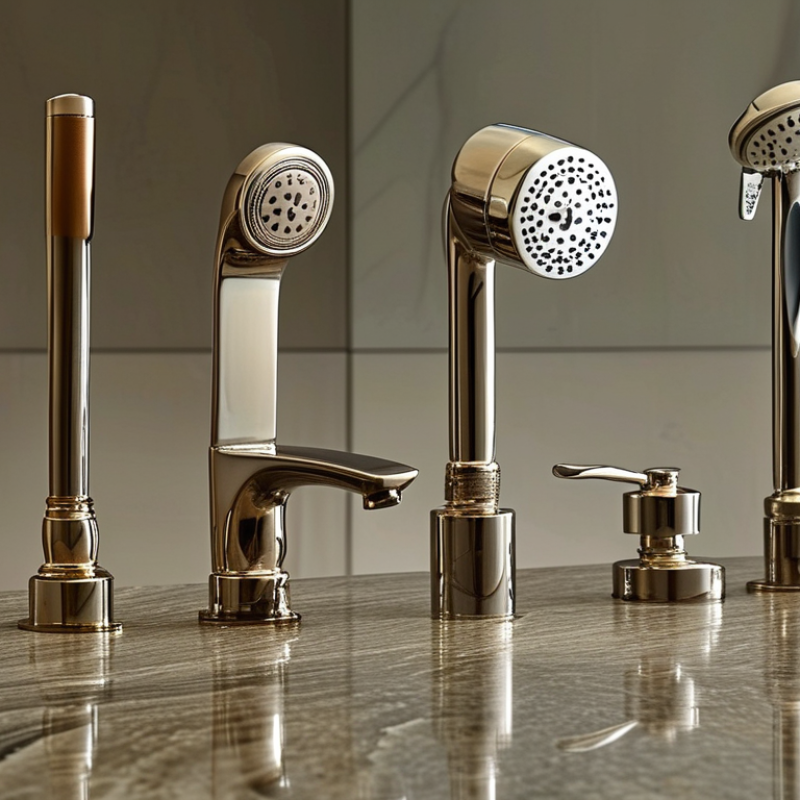
When selecting shower knobs, understanding the different types available in the market is essential. There are three main categories: single-handle, dual-handle, and thermostatic knobs. Single-handle knobs are popular for their simplicity. They allow users to adjust both the temperature and flow with one hand. According to industry data, around 45% of homeowners prefer this type for its ease of use.
Dual-handle knobs provide more control over water temperature and flow. Users can fine-tune each aspect separately, which many find appealing. However, they can be more complex and less intuitive. Approximately 35% of consumers opt for dual-handle designs, valuing their precision. Meanwhile, thermostatic knobs are emerging as a preferred choice. They maintain a consistent temperature, making them ideal for families. Reports indicate that the demand for thermostatic controls has grown by 20% in recent years.
Choosing the right knob can enhance both functionality and visual appeal. However, homeowners often overlook the importance of materials used in manufacturing. Quality materials can prevent corrosion and ensure longevity. Weak materials may necessitate repairs sooner than expected. Understanding the differences in types and materials is crucial for making a reliable choice.
Shower Knobs Selection: Understanding Popular Types and Features
Evaluating Material Choices for Durability and Aesthetic Appeal
When choosing shower knobs, the material plays a crucial role. You’ll want something that balances durability and aesthetic appeal. Metal knobs, like stainless steel or brass, are popular for their strength and shine. They resist rust, making them ideal for a wet environment. However, they can be cold to the touch. This may not be comfortable during winter months.
Plastic knobs offer a lighter, more colorful option. They can imitate the look of metal but may not last as long. Over time, plastic can degrade from moisture and heat. This is something to consider if you want long-lasting hardware. Always check for a warranty or guarantee on your purchase.
Tips: Consider how the finish will retain its appearance over time. Choose knobs that are easy to clean. Think about the overall theme of your bathroom. Modern designs may call for sleek finishes, while vintage styles benefit from ornate shapes. Reflect on your daily use and choose accordingly. It’s worth experimenting with different materials to find what truly fits your needs.
How to Choose the Best Shower Knobs for Your Bathroom? - Evaluating Material Choices for Durability and Aesthetic Appeal
| Material |
Durability |
Aesthetic Appeal |
Maintenance |
Cost Range |
| Brass |
Highly durable, resistant to corrosion |
Classic look, warm tones |
Requires periodic polishing |
$15 - $50 |
| Stainless Steel |
Very durable, resistant to rust |
Modern look, sleek finish |
Easy to clean, low maintenance |
$20 - $60 |
| Plastic |
Moderately durable, can wear down |
Variety of colors, lightweight |
Minimal maintenance, can fade over time |
$5 - $20 |
| Zinc Alloy |
Decently durable, good for indoor use |
Stylish options available |
Requires careful cleaning to avoid tarnishing |
$10 - $30 |
| Ceramic |
Fairly durable, can chip |
Unique designs, artistic finishes |
Moderate cleaning required |
$15 - $40 |
Considering User Accessibility and Ergonomics in Shower Knob Selection
Choosing shower knobs that prioritize user accessibility and ergonomics can significantly enhance the bathing experience. A study by the American Institute of Architects shows that around 20% of adults experience mobility issues. Thus, selecting knobs that are easy to use is essential. Larger, lever-style knobs often accommodate users with limited hand strength. These ergonomic designs provide a comfortable grip, reducing the risk of slippage while adjusting temperature and water flow.
Tips: Opt for knobs with textured surfaces. This feature can further improve grip, ensuring safe operation even when wet.
Another essential factor is the height at which knobs are installed. The ANSI A117.1 standards recommend installing controls between 15 to 48 inches above the shower floor. This range ensures all users, including children and individuals in wheelchairs, can easily reach the controls. Remember that visual contrast is also important. Knobs should stand out against the background to help those with visual impairments.
Tips: Consider matte finishes, which can aid visibility, especially in bright lighting. Ergonomics is not just about physical ease; it's about creating an inclusive space.
Assessing Compatibility with Existing Plumbing and Fixtures
When choosing shower knobs, compatibility with existing plumbing is crucial. Many homes have specific valve types and configurations. Assess the current setup before making a decision. This step ensures the new knobs fit seamlessly without alterations to the plumbing.
Look closely at your current fixtures. Are they standard or custom? Measure the distance between the valve and wall. Consider the size of the knobs, too. They should complement the existing aesthetic. If the new knobs are incompatible, the installation can become a challenge. You might need to replace parts or even the entire valve.
Keep in mind that styles vary, and not all are universally compatible. Some knobs might look stunning but may not work with older plumbing systems. Research different types before you buy. Make sure the selection suits both your taste and functional needs. Take time to reflect on what will serve you best in the long term.
Tips for Installation and Maintenance of Shower Knobs
When installing shower knobs, proper procedures are crucial. Begin by ensuring all necessary tools are at hand. This includes screwdrivers, pliers, and a wrench. Follow the manufacturer's guidelines closely. Industry data indicates that improper installation can lead to leaks and increased water usage, with up to 20% of households experiencing such issues.
Regular maintenance is essential to prolong the life of your shower knobs. Clean them frequently to avoid mineral buildup. A report from the American Water Works Association shows that mineral deposits can reduce water flow by up to 30%. Consider replacing rubber washers every few years for better performance. Keep an eye out for signs of wear. Dripping knobs can waste gallons of water annually.
Don't hesitate to seek professional help if needed. Installation mistakes can be costly and frustrating. Understanding common errors, like overtightening screws, can save time and money. A survey conducted by Plumbing & Mechanical magazine found that over 40% of homeowners encounter problems during DIY installations. Prioritize quality in your selection process. This will help avoid future hassle and ensure reliability.