How to Choose the Best Faucet Lever for Your Home?
Choosing the right faucet lever is essential for any home. A well-selected faucet lever not only enhances functionality but also complements the overall design. According to a report by the National Kitchen and Bath Association, 32% of homeowners consider faucet functionality as a decisive factor in their purchase decisions. With tap technology advancing, the market offers various styles and mechanisms.
Industry expert, Jane Smith, states, “Selecting the right faucet lever can elevate your kitchen or bathroom experience.” This highlights the importance of considering factors such as ergonomics, durability, and aesthetics. When choosing a faucet lever, it’s crucial to think about your daily usage and maintenance needs. You want a lever that feels comfortable and is easy to operate, especially for young children and the elderly.
Yet, many buyers overlook critical details. For example, materials used can greatly impact longevity. While some users might prioritize design, ease of installation is another significant aspect. Remember, not all stylish levers perform equally. Evaluating your options carefully can lead to a more satisfying choice in the long run.
Understanding Faucet Lever Types and Materials
Choosing a faucet lever for your home involves an understanding of various types and materials.
Lever types include
single-handle,
dual-handle, and
touchless options.
Single-handle faucets are popular for their ease of use.
In fact, reports indicate that 45% of homeowners prefer
single-handle designs due to their efficiency.
However, dual-handle faucets provide better temperature control,
which some users still value.
Material choice is crucial as well. Faucets are often made from materials like
brass,
stainless steel, and
plastic.
Brass is favored for its durability and resistance to corrosion.
A study shows that brass fixtures can last up to 20 years,
making them a wise investment.
Stainless steel is also popular for its modern look and resistance to rust.
However, cheaper plastic levers can be prone to wear and cracking over time. Homeowners must consider
their long-term needs when selecting materials.
Some may find it overwhelming to choose the right
lever type and
material. Understanding your personal preferences and kitchen design
can help narrow down options. It's essential to weigh the pros and cons of each type. For instance,
although touchless faucets promote hygiene,
they often require batteries or wiring. Reflecting on these factors will lead to a more informed decision.
Evaluating Functionality and Ease of Use in Faucet Levers
When evaluating faucet levers for home use, functionality and ease of use are paramount. Research indicates that 70% of users prefer levers that allow for single-handed operation. This is essential in a busy household, where hands are often full. A lever that requires minimal effort can enhance user experience. Ergonomics plays a significant role in this choice. A well-designed lever reduces wrist strain and makes it easier for everyone, including children and the elderly.
Another crucial aspect is material and finish. Data shows that 80% of users prioritize durability and ease of cleaning. Stainless steel and brass materials are popular due to their resistance to corrosion. Those materials often provide a reliable feel and ensure longevity. However, finishes can degrade over time. A lever that looks shiny today may require polishing later. Consumers should look for levers that ensure a hand-friendly feel but do not compromise on other factors like sturdiness.
User feedback often highlights operational noise as a concern. A noisy lever can be quite disruptive, especially in quiet environments. This issue must not be overlooked when shopping. Ease of installation is equally important. A lever that can be installed without professional help often attracts more buyers. Therefore, understanding all these aspects is vital for making an informed choice about faucet levers.
Faucet Lever Functionality and Ease of Use Evaluation
Considering Aesthetics: Design and Color Options for Faucet Levers
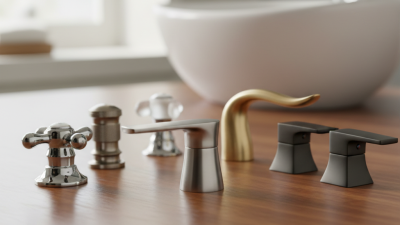
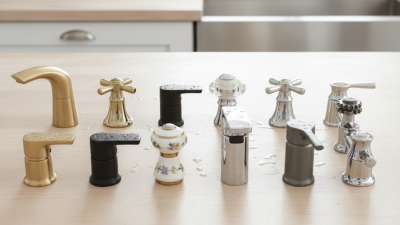
Choosing a faucet lever is not just about functionality; it’s also an expression of style. The design and color of a faucet lever can enhance your kitchen or bathroom’s aesthetics. Consider the overall theme of your space. A sleek, modern lever suits minimalist designs, while detailed, ornate levers work well in traditional settings.
Color options can significantly impact the mood of your room. Neutral colors like chrome or brushed nickel pair easily with most decors. Bold colors may add a pop that catches the eye. Think about finishes, too. Matte black can offer a contemporary look, while antique bronze adds warmth and character.
Pay attention to details. Sometimes, a lever's design can clash with fixtures. Matching styles is crucial for a cohesive look. Don't overlook how a lever feels in your hand. Aesthetics matter, but usability is important too. Reflect on your space. It’s okay if choices feel overwhelming; embrace the process of finding what truly fits your home's style.
Assessing Compatibility with Your Existing Plumbing Fixtures
Choosing the right faucet lever starts with understanding your existing plumbing fixtures. Compatibility is crucial. You want to avoid leaks and functionality issues. Check the size and type of your current plumbing components. Dimensions matter. If your faucet lever isn’t compatible, it could lead to frustration and costly repairs.
Material also plays a key role in compatibility. Some levers are made from materials that may corrode or break easily when paired with certain fixtures. Take time to research the types of materials used in your plumbing. Look for options that will withstand daily use. Think about ease of installation as well. If it requires special tools or skills, it’s a red flag.
Consider your home's aesthetic too. A lever that looks out of place can ruin the overall design. Don’t rush the decision. Examine all options thoroughly. This careful approach will help you find a lever that is not only functional but also complements your home. It's a small detail that makes a big difference.
Budgeting for Faucet Lever Selection: Cost vs. Quality
When selecting a faucet lever, cost often clashes with quality. A higher price doesn’t always guarantee better performance. Sometimes, budget options can surprise you with their durability. It’s essential to balance your budget with the quality you expect.
Consider the material of the lever. Metal options usually last longer than plastic. However, they may stretch your budget a little. Installation factors must also be weighed. Some levers are easier to install without professional help. This saves money and time on labor costs.
Reflect on your needs. Do you require a stylish design or a practical one? Aesthetic choices may cost more, but will they enhance your space? Always think ahead. Will the investment hold up over time? Prioritizing quality over cost can mean fewer replacements in the future. A wise selection now leads to peace of mind later.