Top 10 Faucet Lever Types You Need to Know About?
In the world of home fixtures, understanding the various types of faucet levers is essential. John Smith, a renowned plumbing expert, once stated, "Choosing the right faucet lever can transform your kitchen or bathroom experience." This highlights the significance of faucet lever selection.
Faucet levers come in many designs, each serving specific purposes. They vary in function, style, and ease of use. From single-handle levers to those with more intricate designs, there’s much to explore. However, not every faucet lever suits every style of decor or practical need. It’s important to consider your space before making a choice.
Many homeowners overlook the impact of a well-chosen faucet lever. This small detail can enhance both functionality and aesthetic appeal. But with so many options, it's easy to feel overwhelmed. Engaging with professionals can provide the clarity needed to make an informed decision. After all, understanding faucet levers can lead to long-term satisfaction in your home.
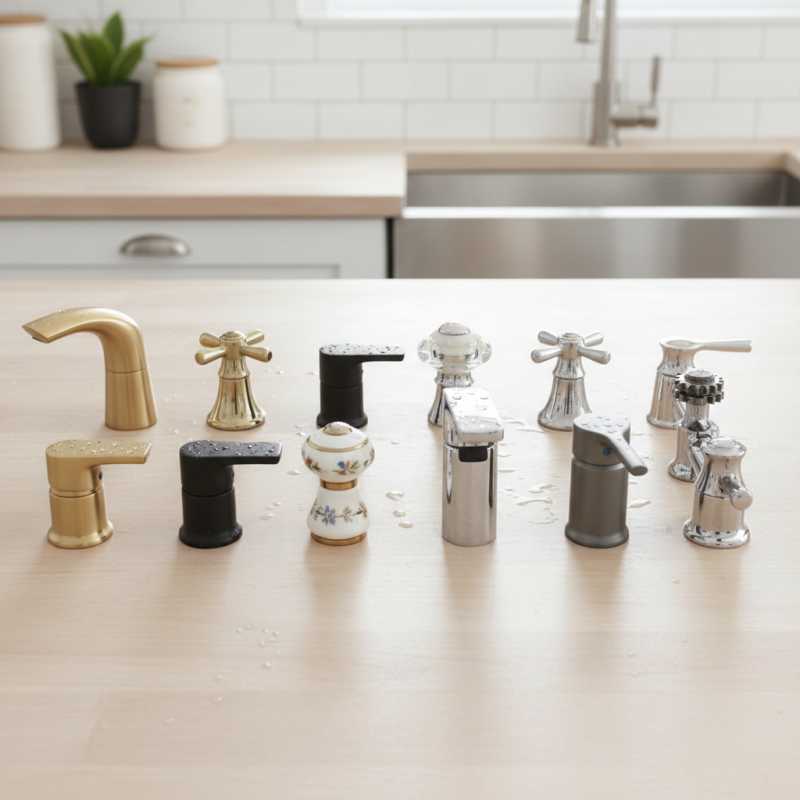
Types of Faucet Levers: An Overview
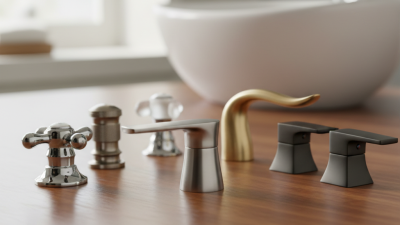
Faucet levers come in various types, each contributing to a unique functionality and style. Understanding these types is essential when choosing the right faucet for your space. The most common lever types include
single-handle,
dual-handle, and
touchless options.
Single-handle levers are versatile, allowing for simple temperature control. They are perfect for smaller sinks where space is limited.
Dual-handle levers offer precise control over hot and cold water but can be more challenging for kids or those with limited dexterity.
Touchless levers represent modern innovation. They activate with a simple wave of the hand, minimizing the spread of germs. Yet, some users find them less reliable, especially if the sensor is obstructed.
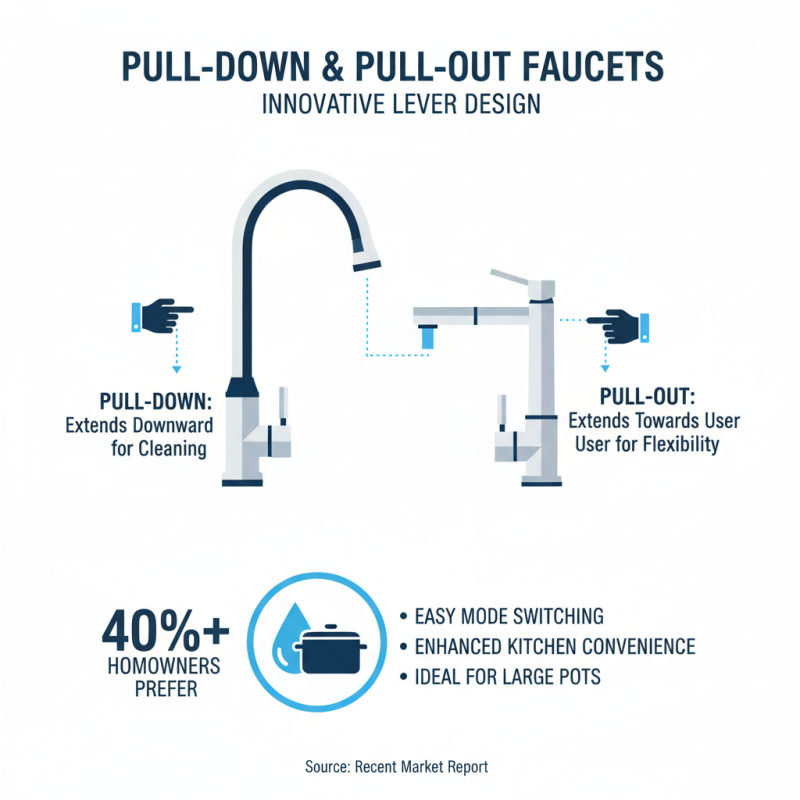
A pull-down sprayer lever adds functionality, making it easier to wash dishes or clean the sink. However, it can occupy more space and may require specific installations.
Choosing the right lever type contributes significantly to user experience. People often overlook this detail until they encounter issues like leaks or difficulty in operation.
Take time to consider the pros and cons of each type. The right choice can enhance daily routines, but it's also good to reflect on individual needs.
Standard Lever: The Classic Choice for Everyday Use
The standard lever is a foundational choice in faucet design. It is characterized by a simple yet effective mechanism. Many households prefer this type for its ease of use. With a standard lever, you can adjust both temperature and flow smoothly. This model accommodates various sinks and bathrooms, fitting seamlessly with different styles.
Installation is straightforward. Most DIY enthusiasts can handle it without professional help. However, misalignment can lead to drips or leaks, which is frustrating. Ensuring proper alignment during installation is vital. The materials used also matter. A sturdy metal lever can withstand daily use, while plastic alternatives may wear out faster.
Maintenance is relatively easy as well. Regular cleaning keeps the lever functional. Yet, over time, wear and tear can affect performance. If a lever becomes loose, it may require tightening or replacement. Users should be vigilant about such issues. Recognizing when a standard lever struggles to operate can prevent larger plumbing problems down the road.
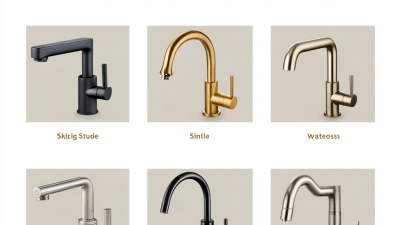
Top 10 Faucet Lever Types You Need to Know About
| Lever Type |
Material |
Style |
User Experience |
| Standard Lever |
Metal |
Classic |
Easy to use; reliable |
| Single Handle Lever |
Plastic |
Modern |
Smooth operation; effective temperature control |
| Pull-Down Lever |
Stainless Steel |
Contemporary |
Versatile spray options; user-friendly |
| Touchless Lever |
Metal |
High-tech |
Hygienic; convenient |
| Square Lever |
Brass |
Sleek |
Stylish look; easy grip |
| Cross Lever |
Chrome |
Vintage |
Classic appeal; easy to turn |
| T Bar Lever |
Aluminum |
Minimalist |
Modern aesthetic; functional |
| Joystick Lever |
Plastic |
Modern |
Smooth adjustments; innovative |
| Lever with LED Indicator |
Metal & Plastic |
Futuristic |
Visual feedback; trendy |
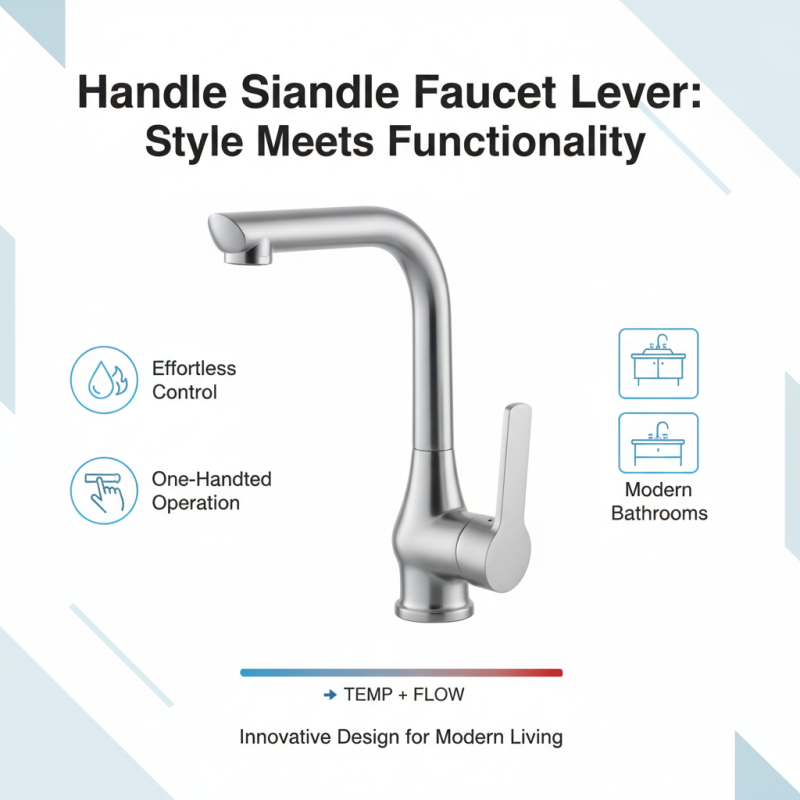
Single Handle Faucet Lever: Style Meets Functionality
A single handle faucet lever offers both style and functionality. This popular design features one lever that controls both water flow and temperature. It is perfect for modern kitchens and bathrooms. You can effortlessly adjust the water with just one hand. This is especially useful when your other hand is busy.
The sleek design of a single handle faucet lever can enhance any space. It blends seamlessly with various decor styles, from minimalist to industrial. However, the beauty of this design can sometimes mask its practicality. Users may find it challenging to operate when hands are soapy or wet. It might lead to water splashing around.
Materials used in these levers vary widely. Some are made from durable metals, while others use plastic. Higher quality materials tend to last longer, but they can also be more expensive. Consider how the lever feels in your hand. Test the movement and grip, as comfort is crucial. While style is important, the functionality should not be overlooked.
Dual Handle Faucet Lever: A Traditional and Versatile Option
When considering faucet levers, the dual handle option stands out. This traditional design offers separate controls for hot and cold water. Many homeowners appreciate its classic look and functional versatility. The distinct handles can easily be adjusted to achieve the desired water temperature.
However, dual handle faucet levers require more space. They may not fit well in compact kitchen designs. This could lead to inconvenience when using both handles simultaneously. Homeowners should also be aware that the installation can be more complex compared to single-handle designs. The need for precise alignment is crucial in this setup.
Despite these challenges, the dual handle faucet remains popular. Its reliability over time and ease of repair are key benefits. Users often find that minor leaks and issues are manageable. Many appreciate the added customization it provides in water flow. Each handle allows for a unique user experience that is hard to match.
Conclusion
In the world of kitchen and bathroom design, understanding the various types of faucet levers is essential for both functionality and style. This article explores different faucet lever types, beginning with the standard lever, which remains a classic choice for everyday use due to its simplicity and reliability. The single handle faucet lever combines style and functionality, offering ease of use while enhancing modern aesthetics. Meanwhile, the dual handle faucet lever provides a traditional and versatile option, allowing for precise temperature control.
Innovative designs such as pull-down and pull-out faucet levers introduce new ways to manage water flow, making them popular in contemporary spaces. Lastly, touchless faucet levers represent the cutting edge of convenience and hygiene, reducing contact and promoting cleanliness. By familiarizing yourself with these faucet lever types, you can make an informed choice that best suits your needs and enhances your space.