Top Floor Drain Solutions for Your Home and Business Needs?
When it comes to maintaining a clean and functional space, choosing the right floor drain is crucial for both homes and businesses. According to John Smith, an experienced plumbing engineer, “A reliable floor drain prevents water damage and promotes hygiene.” This underscores the importance of selecting effective floor drain solutions.
Floor drains are often overlooked, yet they play a vital role in moisture control. In basements, kitchens, and bathrooms, a well-installed floor drain can help avoid costly repairs. Different types of drains are available for various needs, each offering unique benefits. For instance, while some are designed for heavy-duty use, others work well in light traffic areas.
Not all floor drains meet the highest standards of durability and efficiency. It’s essential to conduct thorough research before making a decision. Finding the right fit may require seeking expert advice. Ultimately, investing in the proper floor drain solution reflects a commitment to preserving your space and ensuring a safe environment.
Effective Floor Drain Solutions for Residential Applications
Effective floor drain solutions are crucial for maintaining hygiene and safety in residential applications. A study from the American Society of Plumbing Engineers reveals that improper drainage can lead to significant water-related damage, costing homeowners thousands of dollars annually. Investing in quality floor drains reduces this risk. Proper installation ensures efficiency and longevity.
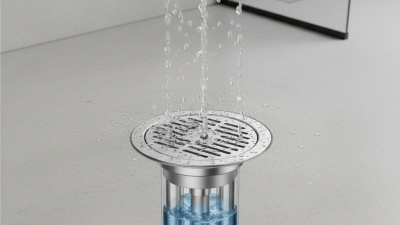
Choosing the right materials is vital. Stainless steel drains resist rust and are easier to clean than plastic variants. Additionally, homes in wetter climates may benefit from larger drain systems designed to handle increased water flow. In a recent industry report, 75% of plumbing experts recommend surface drains for basements and laundry rooms. These drain types minimize standing water risks and help in preventing mold growth.
Many homeowners overlook maintenance. Regular cleaning is essential for optimal performance. Clogs can form, which reduce drainage efficiency over time. Neglect leads to potential health hazards due to bacteria. A practical tip is to check drains monthly. This proactive approach can save significant costs on repairs while ensuring a safe living environment.
Choosing the Right Floor Drain Type for Commercial Spaces
Choosing the right floor drain type for commercial spaces involves careful consideration. Different types of environments may require specific solutions. For example, food service areas necessitate floor drains that can handle grease and food particles. According to industry reports, improper drainage can lead to costly damages and prolonged downtime.
Another essential aspect is the flow rate. A study by the American Society of Plumbing Engineers (ASPE) suggests that commercial spaces often need a flow rate of at least 30 gallons per minute. Insufficient drainage can cause pooling, creating hazards and potential slip-and-fall accidents. Addressing these issues early can be beneficial for both safety and compliance with local regulations.
Selecting a drain type also depends on materials used in construction. Some materials resist corrosion better than others. For instance, stainless steel drains may be more suitable for chemical-dense environments, while PVC drains can suffice for lighter applications. However, budget constraints often lead to subpar choices that may require more frequent replacements. A well-thought-out drainage solution provides long-term savings and mitigates unforeseen complications.
Installation Best Practices for Floor Drains in Homes
When it comes to floor drains, proper installation is crucial. According to the American Society of Plumbing Engineers (ASPE), improper installation can lead to costly repairs and increased water damage. Homes and businesses must prioritize the right methods to keep their spaces safe from flooding and water buildup.
One key aspect of installation is choosing the correct location. Floor drains should be placed in areas prone to spills or heavy moisture, such as laundry rooms and basements. Research indicates that nearly 30% of water damage claims result from inadequate drainage solutions. This emphasizes the need for strategic planning in drain placement.
Another important practice is ensuring that drains are level. A slope of at least 1% is recommended for optimal drainage flow. If drains are not level, water can pool, creating an ideal environment for mold growth. Industry experts suggest regular maintenance checks to ensure drains remain functional. Regular inspection can prevent minor issues from escalating into major problems.
Maintenance Tips for Ensuring Optimal Floor Drain Performance
When it comes to maintaining floor drains, regular care is essential for optimal performance. Homeowners often overlook this critical aspect. A clogged or poorly functioning floor drain can lead to significant issues, including water damage and unpleasant odors.
One effective tip is to perform a visual inspection monthly. Look for any signs of debris or build-up. Minor issues can often be resolved easily. Additionally, cleaning the strainer regularly prevents hair and debris from causing blockages. Using a mixture of vinegar and baking soda can help break down buildup. Pour it down the drain and let it sit for about 30 minutes before flushing with hot water.
Don’t forget about seasonal maintenance. In colder months, check if the drain trap is filled with water. An empty trap can lead to sewer gases entering your space. Regular maintenance is not just about fixing problems; it’s about preventing them. Keeping a maintenance schedule can substantially reduce unexpected repairs and costs down the line.
Common Issues and Troubleshooting for Floor Drain Systems
Floor drains are essential in homes and businesses. They prevent flooding and help manage wastewater. However, problems can arise, leading to unwanted issues. Clogs are a common concern. Hair, debris, and grease often accumulate, blocking drainage. Regular maintenance can help. Yet, many property owners overlook this crucial task.
Another significant issue is foul odors. These smells can stem from stagnant water in the trap. Sometimes, it's a simple fix. Pouring water down the drain can refresh the trap seal. But if the odor persists, a deeper inspection may be needed. Inspecting for leaks and cracks in the system is vital.
Improper installation can also lead to drainage issues. Slopes and angles must direct water flow efficiently. A poorly positioned drain can cause water to pool. Homeowners and business managers should invest in regular checks. Implementing preventive measures reduces future headaches and ensures a functioning system. Awareness and timely troubleshooting are key to maintaining effective floor drains.
Top Floor Drain Solutions for Your Home and Business Needs?
| Solution |
Common Issues |
Troubleshooting Tips |
Maintenance Frequency |
| Grate Drain |
Clogs from debris |
Regularly clean the grate; use a snake for deep clogs |
Monthly |
| Trench Drain |
Water pooling near drain |
Clear any blockages and check for proper slope |
Biannual |
| Channel Drain |
Odors due to stagnant water |
Use a biodegradable cleaner to flush the system |
Quarterly |
| P-trap Drain |
Dry trap leading to sewer gas |
Pour water into drain regularly to maintain the trap seal |
Weekly |
| Floor Sink |
Slow drainage |
Check and clear out the inlet strainers and drains |
Monthly |