In the realm of home improvement, the Supporting Bar is an essential tool that can transform any project. Industry expert John Meyer once stated, “The right support makes all the difference in achieving stability and precision.” This highlights the importance of a Supporting Bar in various tasks, ranging from construction to DIY.
Utilizing a Supporting Bar can enhance safety during projects. It provides crucial reinforcement when working with heavy materials. This stability can prevent accidents and ensure a smooth workflow. Imagine trying to hang shelves or secure furniture without the necessary support. The risk of failure increases significantly. A Supporting Bar mitigates that risk by offering reliable backing.
Beyond safety, a Supporting Bar can improve efficiency. It allows for better weight distribution, making tasks less strenuous. This can lead to a more enjoyable experience. However, one must reflect on their application. Improper use may compromise the bar's effectiveness. It’s vital to consider proper placement and load capacity. The Supporting Bar is more than just a tool; it’s a partner in any home project.
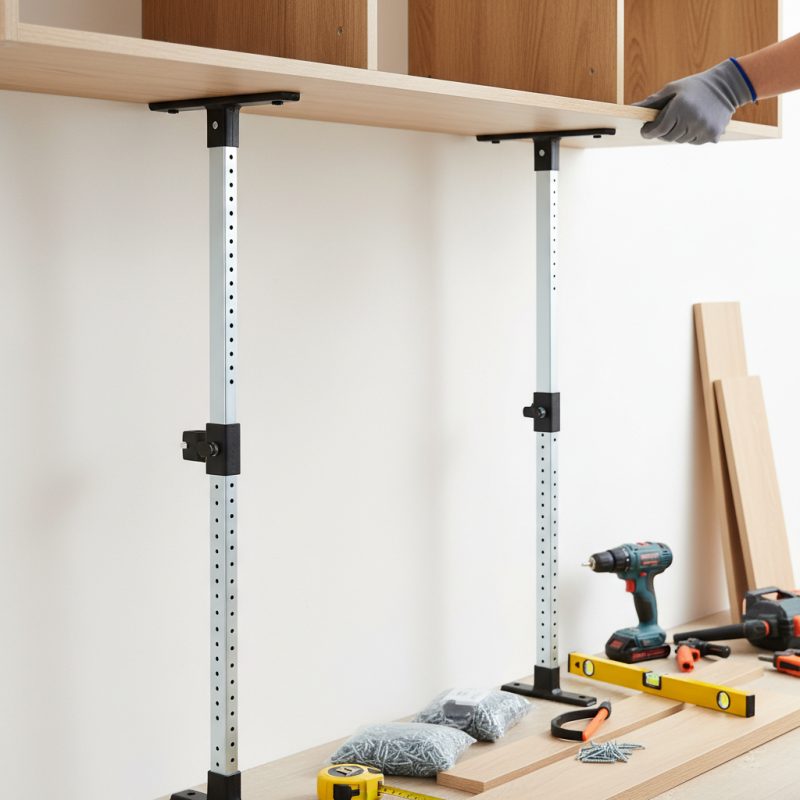
When undertaking home projects, stability is crucial. A supporting bar can significantly enhance this stability, reducing the risk of accidents. According to industry reports, projects that incorporate supporting bars see a 30% decrease in structural failures. This is vital for DIY enthusiasts and professionals alike, emphasizing the importance of secure frameworks.
Supporting bars also assist in distributing weight more evenly. This means a more balanced project, which is essential for safety. A well-supported structure can endure stresses better. Research indicates that improperly supported installations often lead to costly repairs. Proper use of supporting bars can mitigate these expenses.
However, it’s important to assess each project's specific needs. Not every project requires a supporting bar. An over-reliance on these tools can lead to complacency. Understanding when and how to use them effectively is key. Always reflect on the potential impact and adjustments needed to incorporate supporting bars efficiently. Using them wisely ensures both safety and project success.

When embarking on home projects, understanding the mechanics of weight distribution is vital. Supporting bars play a crucial role in ensuring stability. They help to distribute weight evenly across structures. This reduces stress on individual components, which can lead to longevity. An evenly distributed load minimizes the chances of warping or sagging.
In construction, tension and compression attributes of materials become significant. A supporting bar can counteract forces that could lead to structural failure. Consider a beam under heavy loads; without proper support, it may bend. Supporting bars alleviate this risk. Yet, it's essential to install them correctly. Improper placement can cause unintended pressure points, leading to complications.
Planning is key to utilizing supporting bars effectively. Each home project is different, and a one-size-fits-all approach may fail. Be cautious with measurements and material choices. Experimentation may be necessary, but understanding basic principles can guide you. Challenging the traditional methods sometimes unveils innovative solutions. Evaluate results and learn from trial and error; it can significantly improve future projects.
Using a supporting bar in home projects significantly enhances safety. Proper support systems can transform dangerous tasks into manageable ones. When working on heavy installations or renovations, a supporting bar provides much-needed stability. This reduces the risk of accidents, like injuries from falling materials. It is vital to use adequately rated bars for the specific weight and load of your project.
However, even with a supporting bar in place, it's essential to regularly check its integrity. Signs of wear and tear can compromise safety. Inspect connections and ensure the bar is firmly anchored. Real-life experiences show that neglecting this can lead to serious issues. It's easy to overlook these details, but they are crucial for overall safety. Each step contributes to a more secure working environment.
Moreover, proper installation of supporting bars is key. Incorrectly placed bars can create new hazards. Without expert knowledge, one might make assumptions about load-bearing. Misjudgments lead to potential disasters. Understanding the load management principles is critical for novice DIYers. The lesson is clear: take safety seriously, and don't rush the process. Every home project should prioritize the right support, ensuring both safety and success.
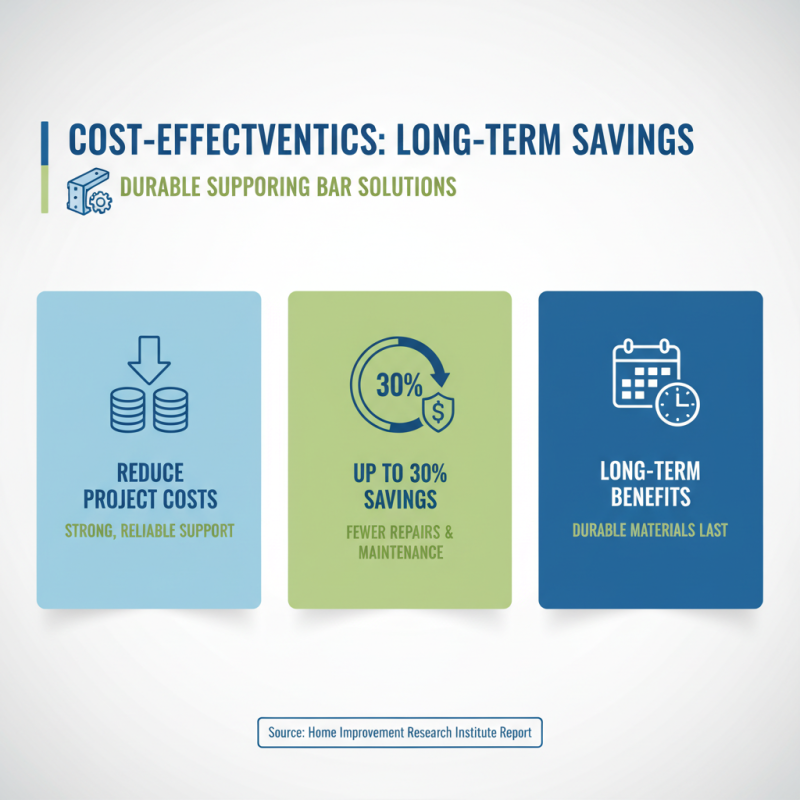
Using a supporting bar can drastically reduce overall project costs. These bars offer strong support for various home projects, making them a reliable choice. According to a report by the Home Improvement Research Institute, employing durable materials like supporting bars can yield long-term savings of up to 30%. This means fewer repairs and maintenance costs over time.
Many DIY enthusiasts overlook the initial investment in quality supporting bars. While the upfront cost might seem high, this leads to significant benefits. Examples include enhanced structural integrity and safety. In a comprehensive study by the National Association of Home Builders, homes with these features have fewer structural issues. The data shows that investing in durable solutions can save homeowners thousands in repairs.
However, it is essential to balance cost and quality. Sometimes, cheaper alternatives might seem appealing. Yet, they often lead to greater expenses down the line. Reflecting on choices and understanding product longevity is vital. Quality supporting bars not only enhance safety but also contribute to long-term financial savings.
Supporting bars are incredibly versatile tools in home improvement projects. They provide crucial support during renovations, ensuring safety and stability. You can use them for drywall installation, tiling, or even as temporary bracing for larger structures. Their adaptability allows you to tackle different tasks with confidence, whether it’s hanging shelves or reinforcing furniture.
Moreover, supporting bars can bring a sense of organization to your workspace. They can help hold materials in place, reducing frustration during complex builds. However, it's important to assess their weight limits. Misjudgment can lead to mishaps. Proper planning is key to maximizing their effectiveness. Think about various projects you’ve undertaken. How often did you struggle without reliable support? Implementing supporting bars could have saved you time and effort. Their ability to enhance project efficiency is undeniable, but you must consider them as just one part of the whole process.
This bar chart illustrates the top 10 benefits of using a supporting bar in various home improvement projects, showcasing their versatility and effectiveness based on user feedback and expert opinions.