Top Glass Clamp Designs for 2026 What to Consider?
As we approach 2026, the design of Glass Clamps is evolving rapidly. These clamps play a crucial role in securing glass panels for both aesthetic and safety reasons. According to the latest market research from Glass Industry Analytics, the demand for innovative glass clamp solutions is expected to rise by 15% annually. Industry expert Jane Smith emphasizes, “The right Glass Clamp not only enhances the visual appeal but also ensures structural integrity.”
Innovative designs focus on durability, style, and ease of installation. With various materials and finishes available, architects and designers can achieve unique looks. However, many existing products still lack adequate performance metrics. It's essential to sift through options to find reliable solutions. Some consumers report issues, leading to questions about product longevity and safety.
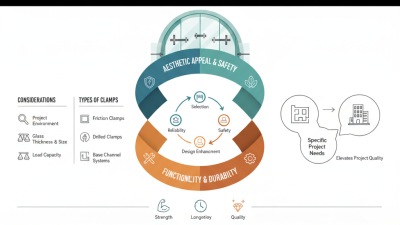
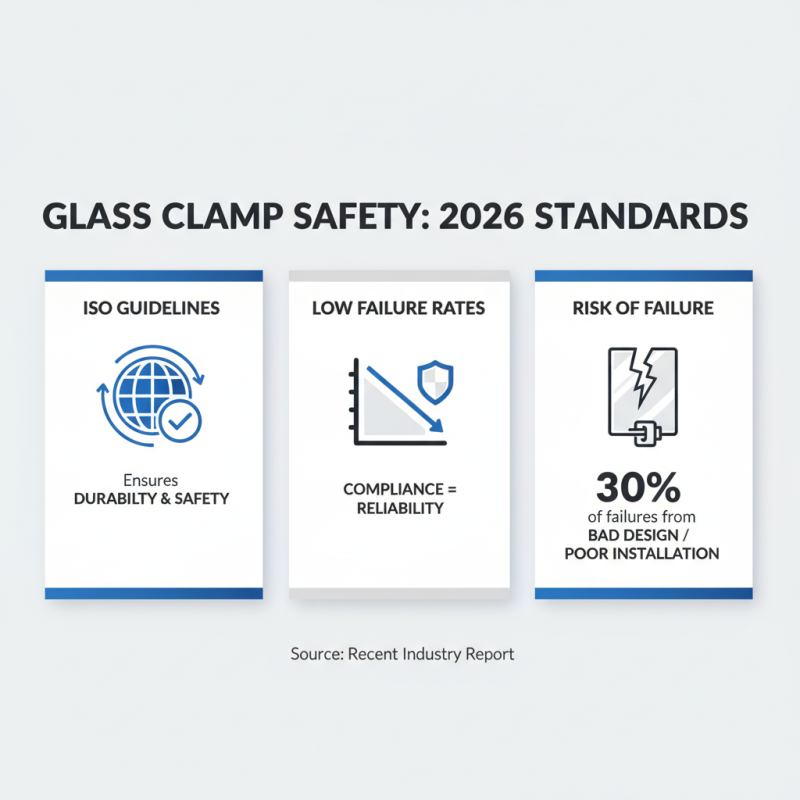
In choosing Glass Clamps, stakeholders must consider factors like load capacity, material compatibility, and environmental conditions. Poor choices can lead to costly redesigns. As the market grows, transparency in product specifications will be key. The demand for excellence will shape future designs, ensuring safety and aesthetic value remain at the forefront.
Top Trends in Glass Clamp Designs for 2026
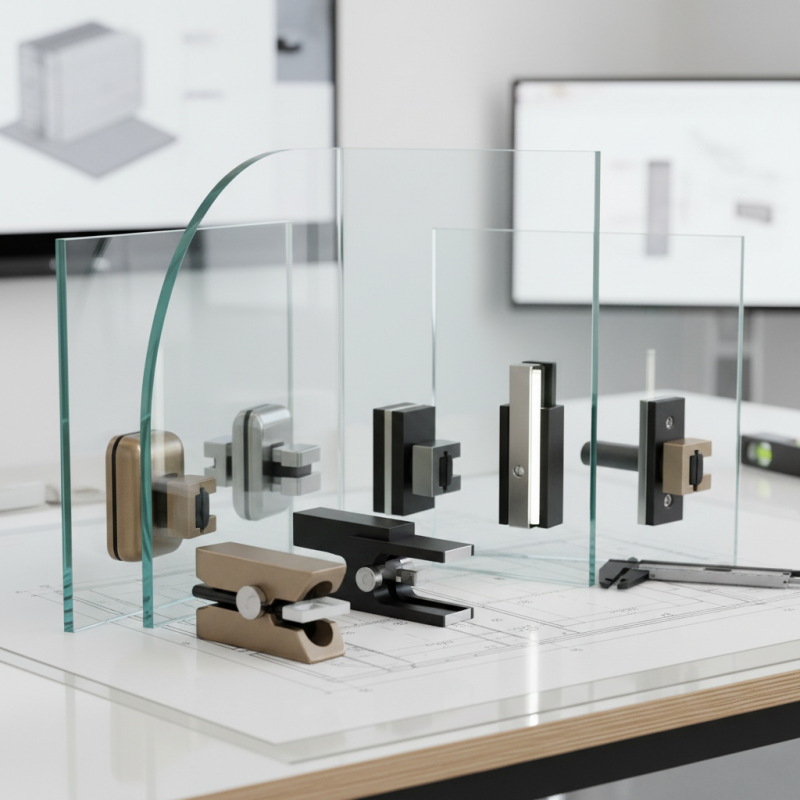
The evolution of glass clamp designs is shaping the architecture and interior design sectors for 2026. One major trend includes the use of sustainable materials. Designers are increasingly looking for eco-friendly options that maintain durability. These materials reduce the carbon footprint while providing aesthetic appeal.
Another significant trend is the push for minimalistic designs. Sleek profiles and simple fixings enhance the overall look of any space. They allow the glass to take center stage while ensuring safety and functionality. However, achieving the perfect balance between aesthetics and structural integrity can be challenging.
Additionally, the focus on customizable solutions is rising. Consumers now seek personalized designs that fit their unique needs. This flexibility can lead to complex manufacturing processes, which may not always meet expectations. Designers must continually adapt to these demands, fostering a creative environment but also facing new uncertainties in production timelines and costs.
Key Materials Used in Modern Glass Clamp Manufacturing
In modern glass clamp manufacturing, the choice of materials is crucial. Trends indicate that
stainless steel remains a top choice. Its resistance
to corrosion and durability make it ideal for various environments. A report by the International Journal of Materials Science
highlights that stainless steel can last up to 30 years
under normal conditions. This longevity is essential for both residential and commercial applications.
Aluminum is also gaining traction, known for its lightweight and strength. It offers
versatility across different designs. Some reports suggest a shift toward aluminum due to
lower production costs. The weight reduction can lead
to simpler installations. However, one must consider its susceptibility to oxidation. Proper coatings
are necessary to enhance longevity.
Another emerging material in glass clamp design is advanced polymers.
These materials can provide a modern aesthetic and functionality. Research indicates that polymer clamps
can support significant loads while reducing energy costs in manufacturing. Yet, the long-term performance of
polymers compared to metals remains in question. Designers need to balance
aesthetics with practicality in their choices.
Innovations in Installation Techniques for Glass Clamps
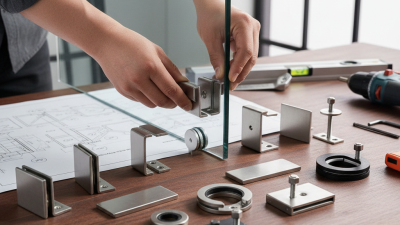
In recent years, the glass clamp industry has seen significant innovations. These advancements streamline installation processes and improve overall safety. A notable trend is the development of modular clamp systems. These systems allow for quick adjustments, making installations more flexible. However, some installations still require skilled technicians to ensure precision and reliability.
Another area of innovation is the use of new materials. Enhanced durability and corrosion resistance in glass clamps are game-changers. Manufacturers are exploring composites and advanced alloys. While these materials promise longevity, their installation can be tricky. Proper training is essential for workers to adapt to these materials.
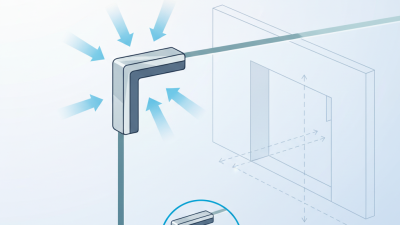
Techniques are evolving as well. Pressure distribution methods help prevent glass breakage. New designs focus on weight distribution, which can reduce stress on the glass. But, implementing these ideas may not always be straightforward. Delays and complications can arise, requiring a reassessment of methods and tools. Continuous education in installation techniques remains vital to address these challenges.
Top Glass Clamp Designs for 2026
This chart illustrates the ease of installation ratings for various glass clamp designs projected for 2026. The ratings are based on innovative features and user feedback, highlighting the importance of usability in modern glass clamp technology.
Aesthetic Considerations in Glass Clamp Design for Contemporary Spaces
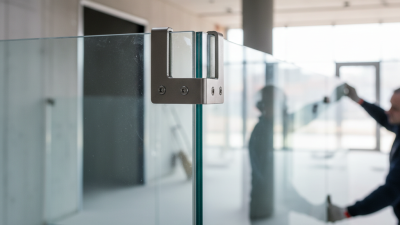
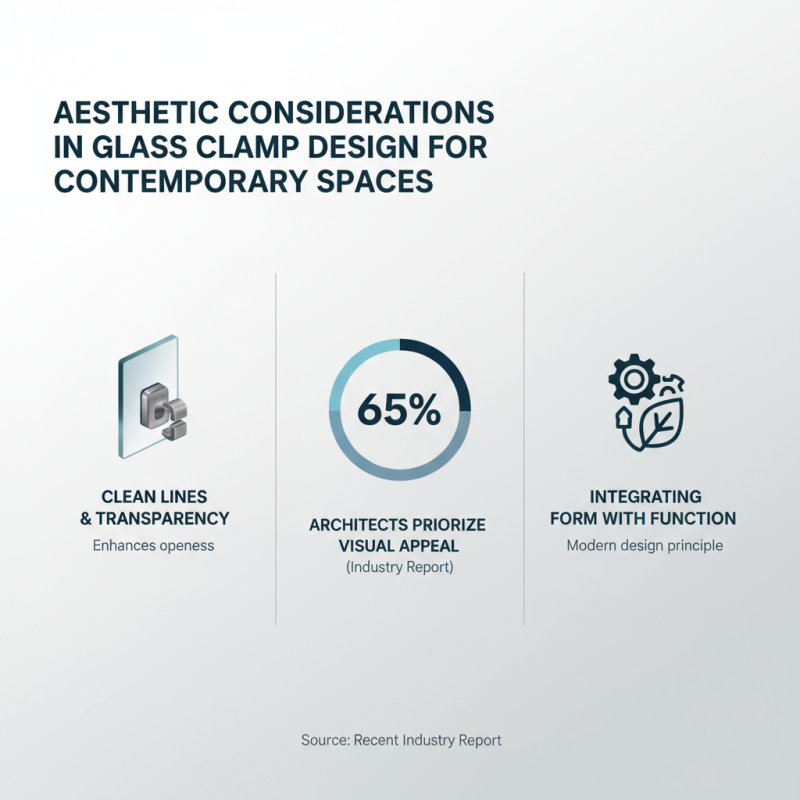
In contemporary design, glass clamps play a crucial role in aesthetics. The clean lines and transparency of glass create a sense of openness. According to a recent industry report, around 65% of architects prioritize visual appeal when selecting hardware. This trend underscores the importance of integrating form with function in modern spaces.
Glass clamps come in various finishes. Options range from polished stainless steel to matte black coatings. These finishes can significantly impact the overall feel of a room. A sleek, reflective surface enhances light, while a matte finish offers subtlety. Designers must consider how these elements affect the space's ambiance and functionality.
Moreover, the alignment of glass panels is essential. Misalignment can lead to visual chaos. A 2022 study highlighted that improper installation of glass components can reduce the overall perceived quality of a space by 30%. It’s vital to approach design with precision. Balancing beauty with performance is key.