Best Kitchen Faucets in China for Global Buyers?
The kitchen faucet market in China has shown remarkable growth, driven by rising consumer demand and innovation. According to a report from ResearchAndMarkets, the global kitchen faucet market is expected to reach $11.8 billion by 2027, with China playing a pivotal role in this expansion. As global buyers seek quality and style, Chinese manufacturers are adapting to international standards, ensuring high-quality production methods.
In recent years, the trend towards multifunctional kitchen faucets has gained traction. Features like pull-down sprayers and touchless technology are increasingly popular. However, not all products meet buyer expectations or durability claims. Some consumers have reported dissatisfaction with performance longevity. This highlights the importance of selecting reputable brands that balance functionality and craftsmanship.
Buyers should be aware of various aspects before making a purchase. Detailed product reviews and specifications are crucial for informed choices. Additionally, aligning preferences with local needs can enhance satisfaction. With attention to detail and a focus on authentic quality, global buyers can navigate the diverse offerings in China’s kitchen faucet market confidently.

Overview of Kitchen Faucet Market in China
The kitchen faucet market in China has witnessed significant growth over recent years. With an increase in the demand for modern designs, various features have become popular. Global buyers are particularly interested in quality materials and innovative technology. Many consumers prioritize eco-friendly options that promote water conservation.
While the market offers a diverse range of products, inconsistencies in quality can pose challenges. Some faucets may not meet the durability expectations. Buyers need to conduct thorough research and check for certifications. Understanding the local manufacturing standards is essential to ensure reliability. Price variations can also be misleading; lower cost does not always guarantee lower quality.
Additionally, many suppliers may not provide transparent information about their products. This lack of clarity can lead to misunderstandings or dissatisfaction. Engaging directly with manufacturers can help buyers gain insights into their processes. Involving third-party assessments might also enhance the purchasing experience. Such steps foster trust and contribute to informed decision-making.
Market Share of Kitchen Faucets in China (2023)
Top Kitchen Faucet Brands Popular Among Global Buyers
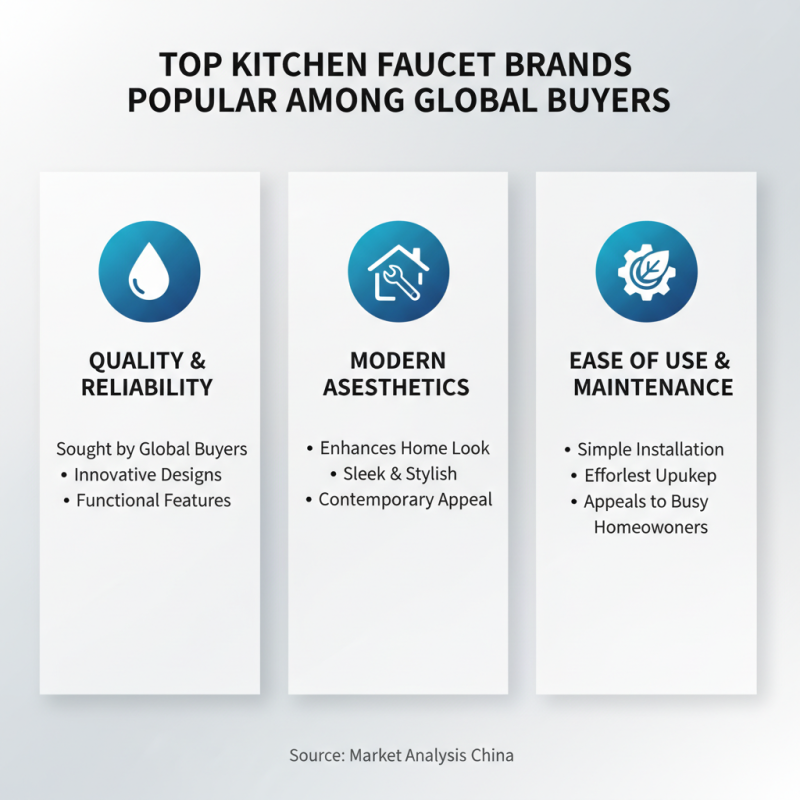
When exploring the market for kitchen faucets in China, global buyers often seek quality and reliability. The top brands stand out for their innovative designs and functionality. They contribute significantly to modern kitchen aesthetics. Many faucets prioritize ease of installation and maintenance, which appeals to busy homeowners.
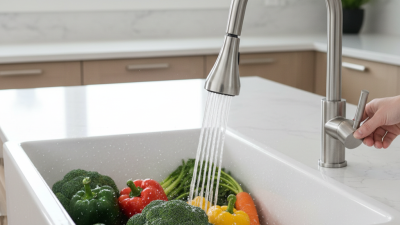
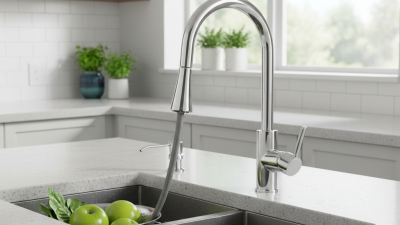
Tips: Look for models with durable finishes. Stainless steel options resist corrosion better than others. Consider faucets with pull-down sprayers for added convenience. They simplify tasks like rinsing vegetables or cleaning pots.
These brands often showcase a range of styles. From sleek minimalist designs to more traditional looks, there's something for everyone. Quality control is essential; it ensures long-lasting performance. When selecting a faucet, always verify the warranty terms. A solid warranty can provide peace of mind.
However, buyers should also consider the installation process. Some faucets may require professional help, adding to costs. Always check user reviews to gauge real-world performance. Reflect on your kitchen needs and choose wisely.
Comparative Analysis of Kitchen Faucets from China
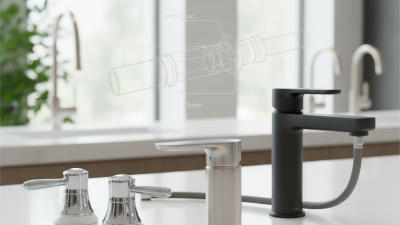
When considering the best kitchen faucets from China, it's essential to evaluate various factors, including design, functionality, and materials. Chinese manufacturers offer an impressive range of kitchen faucets. Many incorporate innovative designs, appealing finishes, and advanced technology. A minimalist style can suit modern kitchens, while traditional designs may appeal to those seeking classic aesthetics. Different materials like stainless steel and brass also play a vital role in durability.
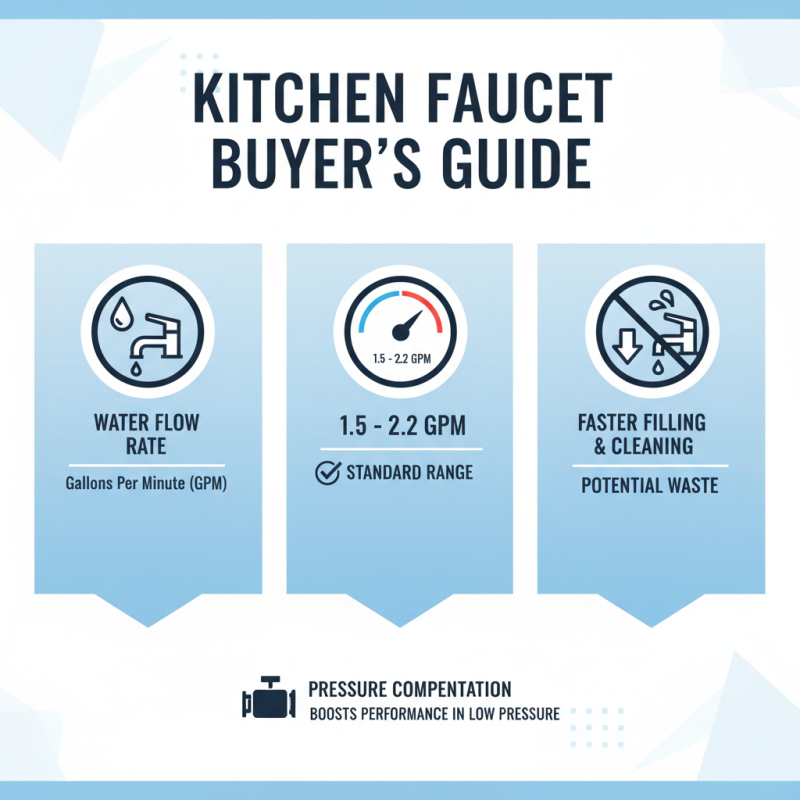
Comparative analysis reveals varying performance metrics among faucets. Some prioritize flow rate, while others focus on ease of installation. Water-saving features are increasingly popular, as sustainability becomes a priority for many buyers. However, the true challenge lies in balancing price and quality. Inexpensive options can lead to concerns about long-term reliability, while high-end models may not always guarantee superior performance. Many buyers report dissatisfaction after selecting lower-quality options, highlighting the importance of doing thorough research.
It's also worth noting that reviews and user experiences can greatly influence decisions. Some faucets may look great on paper but perform poorly in real-life settings. It’s crucial to identify trusted sources and seek expert advice before making a purchase. In the ever-evolving market, staying informed about the latest trends ensures buyers make wise investments. Remember, a kitchen faucet is not just a functional item; it's also a significant design element that can define your space.
Tips for Importing Kitchen Faucets into Global Markets
When importing kitchen faucets for global markets, understanding consumer preferences is crucial. Different regions have varied tastes in design and functionality. Researching local trends can help in product selection. It’s also essential to consider the materials used. Some markets prefer eco-friendly options, while others focus on durability.
Tips for importing kitchen faucets include checking regulations. Each country has specific standards for plumbing fixtures. Ensuring compliance can prevent costly delays. Additionally, partner with reliable manufacturers. Poor quality can harm your reputation. Building strong relationships can lead to better deals and improved quality control.
Lastly, be prepared for logistics challenges. Shipping costs can fluctuate dramatically. Understanding this can help in budgeting. Furthermore, shipping times can vary. This unpredictability can impact your supply chain strategy. Always keep communication open with your suppliers to navigate these complexities effectively.