Best Kitchen Faucet Options for Your Home Upgrade?
Choosing the right kitchen faucet is more than just a functional decision; it reflects your style and enhances your space. As Laura McCoy, a renowned kitchen designer, states, "The kitchen faucet is the unsung hero of the culinary experience." This underscores its importance.
Kitchen faucets come in various styles, finishes, and functionalities. They can transform your kitchen’s aesthetic while providing practical benefits. Whether you prefer a sleek modern look or a classic design, the right faucet can make kitchen tasks smoother and more enjoyable.
However, selecting the best kitchen faucet often leads to confusion. Many brands and models flood the market, each promising to be superior. It's vital to consider factors like durability, ease of use, and installation. Remember, not every trendy faucet will meet your daily needs. Take time to reflect on what truly works for your cooking style.
Popular Kitchen Faucet Styles: An Overview
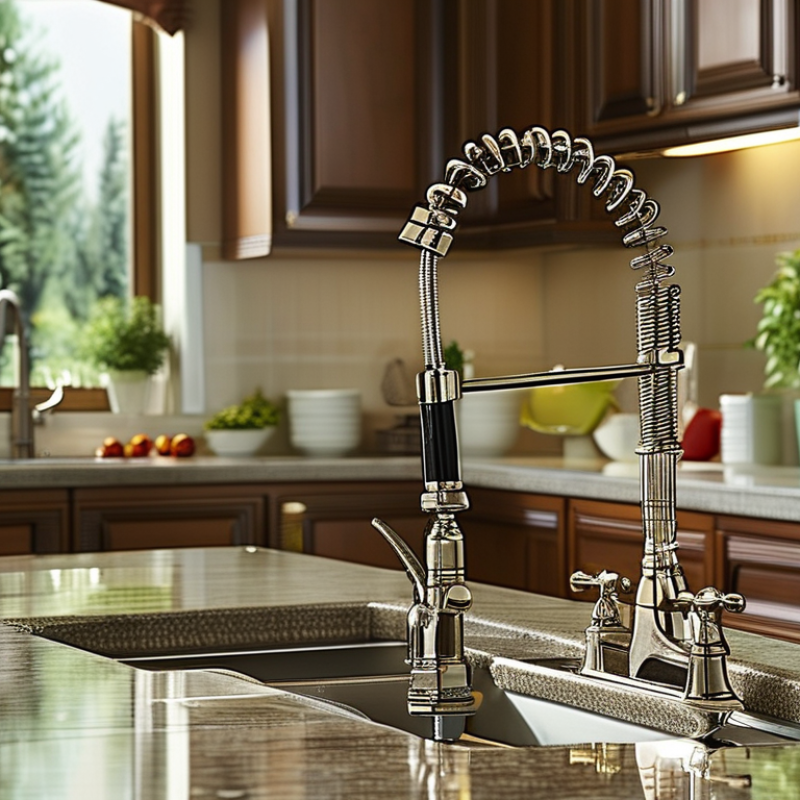
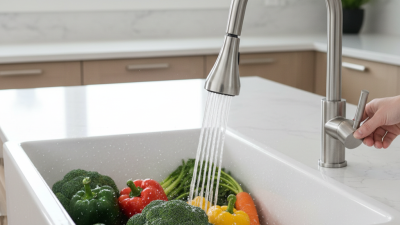
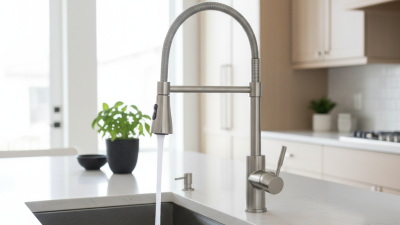
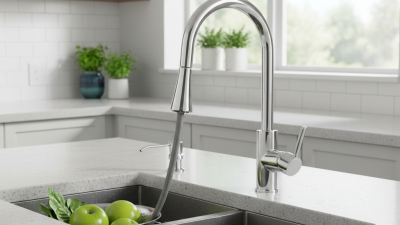
When considering a kitchen faucet upgrade, style plays a crucial role in enhancing your kitchen's aesthetic. Common styles include pull-down faucets, which offer flexibility while washing dishes. These faucets come with a hose that extends, making it easier to reach all areas of your sink. Another popular option is the single-handle faucet, known for its sleek design. Its simplicity allows for easy temperature control with just one hand.
Choosing the right finish also matters. Chrome and stainless steel are stylish and durable, while matte black can add a contemporary twist. However, consider the maintenance aspects. Some finishes show water spots more easily. This could lead to constant cleaning, which not everyone enjoys.
When selecting a faucet, reflect on your cooking habits. If you frequently use large pots, a high-arc spout may be beneficial. It provides ample space for filling and cleaning. Make sure to test the faucet in-store if possible. You might find that certain styles are less comfortable for everyday use than expected.
Best Kitchen Faucet Styles Overview
Essential Features to Consider When Choosing a Kitchen Faucet
When selecting a new kitchen faucet, essential features can significantly influence your daily routine. One vital aspect to consider is the faucet height. A high-arc design allows for easy filling of pots and cleaning of large kitchen items. Additionally, ensure the spout has a good reach. A longer reach helps reduce splatter and improve overall usability.
Another important factor is the type of handle. Single-handled faucets offer convenient temperature control. On the other hand, a dual-handle option provides more precise adjustments. Think about your cooking and cleaning habits. If multitasking is common in your home, consider a pull-down sprayer. This feature adds flexibility and ease to your tasks.
Water flow rate matters too. Look for models that balance efficiency and power. A faucet with a flow rate of 1.5 to 2.2 gallons per minute is generally effective. However, keep in mind your local water regulations; these may dictate your choices. While aesthetics are important, practical considerations should take priority. Balancing style with function can be challenging but rewarding. Choose wisely to enhance your kitchen experience.
Top Brands for Kitchen Faucets: Quality and Reliability
When upgrading your kitchen, the faucet stands out. It's an essential fixture that merges aesthetics with functionality. Research indicates that a well-chosen faucet can boost kitchen satisfaction by up to 40%. It’s crucial to prioritize quality and reliability when selecting your faucet, as these factors significantly impact long-term performance.
Top brands in the industry are recognized not just for design but also for technology. Many incorporate advanced materials and finishes that resist corrosion and tarnishing. Reports show that faucets with a lifetime warranty have a lower return rate, highlighting the importance of choosing durable options.
Additionally, countertops and sinks are often punctuated by the faucet's style. A seamless design enhances both beauty and practicality, encouraging effective use while cooking.
However, online reviews sometimes reveal inconsistency. Users might face issues like leaking or sediment build-up over time. Seeking customer feedback can provide insight into potential concerns. The balance between price and performance is another factor worth considering. While cheaper options appear attractive, they may lack longevity. Even experienced homeowners occasionally fall into this trap, only to realize the cost of frequent replacements adds up quickly.
Installation Tips for Upgrading Your Kitchen Faucet
Upgrading your kitchen faucet can seem daunting. However, proper installation is key to a successful upgrade. Start by gathering your tools: a wrench, plumber's tape, and a basin wrench. Ensure you have a clean, organized workspace. Turn off the water supply before you begin to avoid any leaks. Empty out the sink cabinet to create space and remove old fittings carefully.
Pay close attention when removing the old faucet. Rust or mineral buildup may cause resistance. Consider using a penetrating oil to ease the process. Once the old faucet is out, clean the mounting surface thoroughly. This prevents issues with leaks and ensures a solid base for the new fixture. Position the new faucet and ensure it aligns properly with the holes.
After securing the faucet, check the connections. Use plumber's tape on the threads to prevent leaks. It is crucial to test for leaks after installation. Turn the water supply back on slowly. Observe for any drips. Don't be discouraged if adjustments are needed; they are part of the learning process. Adjust until you have a perfect fit, ensuring peace of mind.
Maintenance and Care for Long-lasting Kitchen Faucets
Taking care of your kitchen faucet is essential for longevity. Regular maintenance can extend its lifespan significantly. According to industry data, a well-maintained faucet can last up to 15 years, while poor upkeep may shorten this to just a few years. Simple tasks like checking for leaks and tightening connections can prevent long-term damage.
Cleaning your faucet should be part of your routine. Mineral deposits can build up, affecting water flow. Using a mix of vinegar and water can effectively dissolve these deposits. Aim to clean your faucet once a month to ensure smooth operation. A neglected faucet might develop stains or even corrosion over time, which compromises its functionality.
Regularly replacing washer and O-rings is also key. These parts can wear out, leading to leaks. If you notice a drip, don’t ignore it. The EPA states that even a small leak can waste over 3,000 gallons of water per year. This not only increases your water bill but also places unnecessary strain on your plumbing system. Taking proactive steps can make a difference in performance and efficiency.