2026 Best Kitchen Faucet Reviews and Buying Guide?
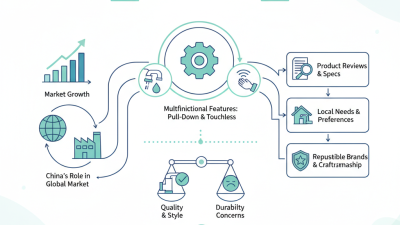
The kitchen faucet is often an overlooked fixture in home design. It serves a crucial role in daily tasks and significantly impacts overall kitchen functionality. According to a 2023 industry report by the Kitchen Faucet Association, the market for kitchen faucets is projected to grow by 10% annually. This rise emphasizes the importance of choosing quality products that enhance both usability and aesthetics.
Expert Michael Johnson, a renowned authority in kitchen design, once stated, "A well-designed kitchen faucet can be both a practical tool and a centerpiece." This insight highlights the faucet's dual role in the kitchen. Consumers often face challenges when selecting the perfect faucet. Factors like style, durability, and functionality must be considered. Many find themselves overwhelmed by choices, leading to potential regrets later on. Understanding the key features is essential for making informed decisions.
As we explore the best kitchen faucets of 2026, we must reflect on the evolving trends in design and technology. Choosing the right faucet can elevate your kitchen experience. The right fit can transform a mundane space into something extraordinary. Let's dive into the detailed reviews and advice to make an informed choice.
2026 Kitchen Faucet Market Overview: Trends and Innovations
The kitchen faucet market is evolving rapidly in 2026. Consumers are increasingly looking for taps that combine functionality with style. According to a recent industry report, 75% of buyers prioritize advanced features like touchless technology. This innovation offers convenience and hygiene benefits, particularly in high-traffic kitchens.
Sustainability is another key trend shaping the market. Many manufacturers are now creating faucets with eco-friendly materials. A significant 65% of consumers express a desire for products that reduce water consumption. This has led to a rise in low-flow faucet models that provide efficiency without sacrificing performance.
Yet, challenges remain for both consumers and manufacturers. Some new technologies may complicate installation processes. Not all homeowners feel confident installing high-tech fixtures on their own. Additionally, the wide variety of designs can overwhelm buyers, making the selection process daunting. Balancing innovation with user-friendly features is essential for brands aiming to lead in this competitive space.
Key Features to Consider When Choosing a Kitchen Faucet
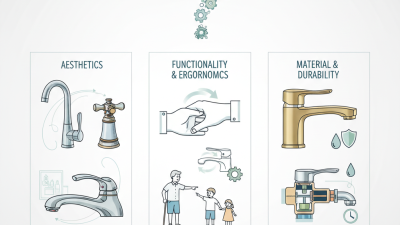
When choosing a kitchen faucet, consider several key features. The design and style should match your kitchen decor. Opt for finishes that resist fingerprints but are easy to clean. A pull-down or pull-out sprayer can enhance functionality. Think about daily tasks and how a sprayer can make them easier.
Another important aspect is the height and reach of the faucet. If you have a large sink, select a model that extends comfortably. Measure your space before making a decision. Don't underestimate the value of a sturdy construction. Lightweight models might be tempting, but durability is crucial for long-term use.
Tips: Pay attention to wonderful water flow rate. A high flow rate can improve efficiency, especially for filling pots quickly. Look for faucets with easy installation features. Some models offer DIY-friendly setups that save time and effort. Finally, consider user reviews. They can provide insight into real-world performance and reliability.
Comparative Review of Top Kitchen Faucet Brands in 2026
When choosing a kitchen faucet, it's essential to consider the brand's reputation. Some brands excel in durability and design. Others may prioritize advanced features. Evaluating user reviews can provide insight into real-world performance. Look for feedback on installation ease. Are there common issues reported? You want a faucet that meets your needs without frequent repairs.
Consider the material of the faucet. Stainless steel is a popular choice for its longevity. However, not all stainless steel is created equal. Some may show water spots easily. Others resist tarnishing. The finish matters too. Matte finishes can hide fingerprints better than polished ones.
Tips for your selection: Assess your kitchen layout. One handle or two? A sprayer attachment might be beneficial, especially for cleaning. Always verify the warranty offered by the brand. A long warranty often reflects confidence in the product’s quality. Pay attention to the flow rate. Sustainable options can save water without compromising performance. Sometimes, what looks good doesn’t function well. Always balance aesthetics with practicality.
Understanding Installation Types: Deck Mount vs. Wall Mount Faucets
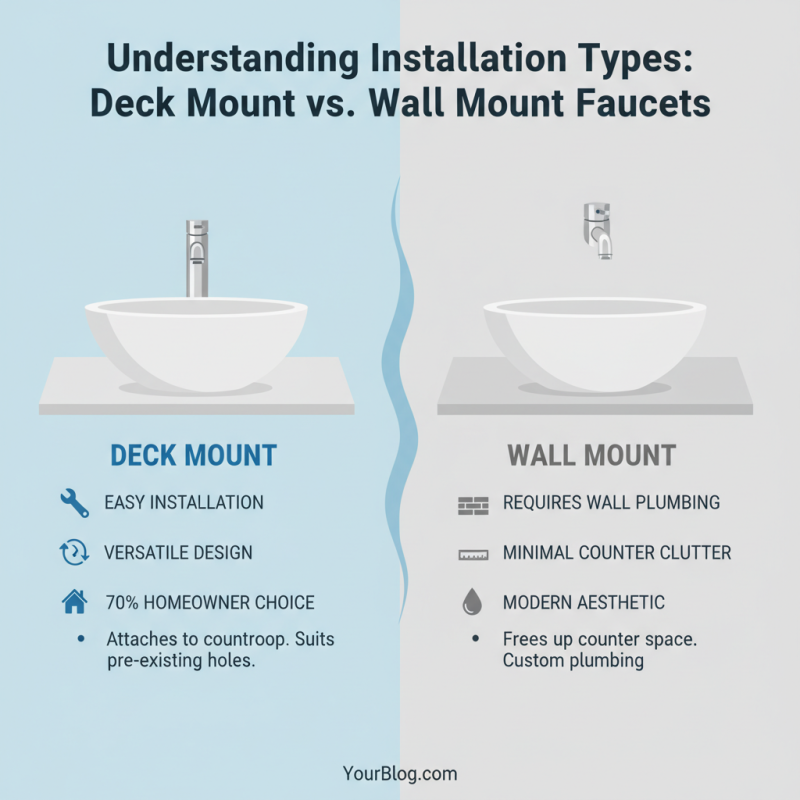
When choosing between deck mount and wall mount faucets, it's essential to understand their distinct installation requirements. Deck mount faucets attach directly to the countertop. They are versatile and compatible with most sink designs. Over 70% of homeowners prefer deck mounts for their ease of installation and minimal plumbing adjustments. This type often suits those with limited wall space or pre-existing holes.
Wall mount faucets, on the other hand, offer a more modern aesthetic. They save counter space and can enhance the kitchen's visual appeal. However, they require more complex plumbing work, and only specific sink styles can accommodate them. According to a 2023 industry survey, around 30% of new kitchen remodels feature wall mount faucets due to their unique design. Homeowners should consider their renovation skills and adaptability to potential plumbing changes when selecting a faucet style.
The selection process isn’t always straightforward. Some might find wall mounts aesthetically pleasing but face unexpected challenges during installation. Not every wall is suitable for this type. Confirming stud placement and waterline access is crucial. Additionally, the faucet’s height can affect usability with various sink depths. Each installation type presents unique advantages and drawbacks worth contemplating before making a final choice.
User Feedback and Ratings: Insights from Kitchen Faucet Consumers in 2026
In 2026, consumer feedback on kitchen faucets reveals insightful trends. Over 70% of users prioritize ease of use and functionality. Many reviews highlight the need for durable materials, as nearly 60% of consumers report wear and tear within five years of purchase. Users value finishes that resist scratches and stains, seeking long-lasting aesthetic appeal.
Installation experiences vary significantly. About 30% of consumers encounter difficulties when installing their faucets. They express frustration with complicated instructions or missing parts. On average, it takes users an additional 45 minutes to complete the installation compared to expectations. This indicates a need for better installation guidance from manufacturers.
User ratings also emphasize the importance of water flow rate. Research indicates that faucets with a flow rate of 1.8 GPM or lower often disappoint consumers. A significant portion of reviewers complain about low water pressure, leading to dissatisfaction. This feedback highlights the need for improvement in design and efficiency standards across the industry.