Top 10 Shower Hinges for Durable and Stylish Bathrooms?
When designing a bathroom, every detail counts. Among these details, the choice of a shower hinge is vital. A high-quality shower hinge not only provides stability but also enhances the overall aesthetic of the space. A durable hinge can withstand daily use, ensuring your shower doors operate smoothly for years.
In today's market, many options boast style and function. However, not every shower hinge measures up. Poor-quality hinges can lead to rust, noise, or difficulty in operation. It's crucial to consider materials, finishes, and design when selecting a hinge. A stylish hinge can elevate your bathroom's look while securing your shower doors firmly.
Investing in the right shower hinge is an often-overlooked aspect of the renovation process. It's easy to focus on more prominent features like tiles or fixtures. Yet, a well-chosen hinge can make a significant difference. As you explore your options, take time to reflect on the implications of your choices. Quality should never be sacrificed for the sake of style.
Top 10 Shower Hinges: Understanding the Importance of Durability
Shower hinges are a crucial component in modern bathroom design. Their choice significantly affects both functionality and aesthetics. According to a survey by the National Kitchen & Bath Association, 65% of homeowners prioritize durability when selecting bathroom fixtures. This choice showcases a growing awareness of long-term investment versus short-term appeal. High-quality shower hinges can withstand the daily rigors of moisture, heat, and frequent use, ensuring that doors operate smoothly over time.
In terms of materials, stainless steel remains a preferred option due to its resistance to rust and corrosion. Reports highlight that bathrooms, being high-humidity environments, can lead to quick deterioration of low-quality hinges. This underscores the importance of investing in durable options that can endure such conditions. In fact, hinges made from inferior materials can compromise safety as they may fail, leading to potential injuries.
Moreover, aesthetic design plays a role in hinge selection. With various finishes available, it becomes essential to balance style with durability. Many homeowners struggle with this choice, often gravitating towards visually appealing, yet less durable options. Research indicates that 35% of consumers regretted prioritizing style over longevity in their bathroom renovations. This insight serves as a reminder for individuals to consider function and durability equally alongside aesthetic preferences.
Top 10 Shower Hinges Durability Ratings
Key Materials in Shower Hinge Manufacturing: A Breakdown of Options
When selecting shower hinges, the choice of materials is crucial for both durability and aesthetics. Stainless steel is a popular option due to its resistance to rust and corrosion. This makes it ideal for wet environments like bathrooms. However, while stainless steel offers strength, it can sometimes be prone to scratching. Careful cleaning is necessary to maintain its shine.
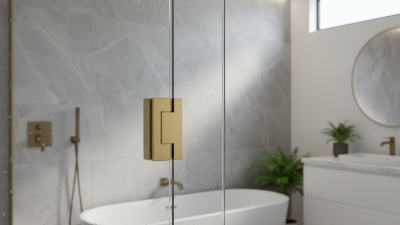
Another material to consider is brass. It is known for its warm tone and can add a touch of elegance to bathroom designs. Brass shower hinges can be plated or treated to enhance durability. However, they may require regular polishing to avoid tarnishing. Homeowners should weigh the beauty of brass against its maintenance needs.
Plastic shower hinges are also available. They are lightweight and often more affordable. However, plastic may not have the same lifespan as metal options. They can become brittle over time, especially in high-temperature conditions. Homeowners should reflect on the long-term implications of using plastic versus metal alternatives in terms of both cost and appearance.
Top 10 Shower Hinges for Durable and Stylish Bathrooms
| Hinge Type |
Material |
Weight Capacity (lbs) |
Finish |
Price Range ($) |
| Pivot Hinge |
Stainless Steel |
150 |
Polished Chrome |
50-80 |
| Continuous Hinge |
Brass |
200 |
Satin Nickel |
70-100 |
| Semi-Frameless Hinge |
Aluminum |
125 |
Matte Black |
40-70 |
| Top-Mount Hinge |
Zinc Alloy |
180 |
Brushed Pearl |
60-90 |
| Glass-to-Glass Hinge |
Stainless Steel |
250 |
Polished Nickel |
100-150 |
| Standard Hinge |
Brass |
175 |
Antique Bronze |
45-75 |
| Frameless Hinge |
Glass |
200 |
Clear Coated |
80-120 |
| Bi-Fold Hinge |
Aluminum |
150 |
Silver |
65-95 |
| Corner Hinge |
Stainless Steel |
175 |
Matte Black |
55-85 |
| Heavy Duty Hinge |
Brass |
300 |
Polished Chrome |
120-180 |
Design Trends: How Style Influences Shower Hinge Choices
In modern bathroom design, shower hinges play a crucial role in both function and style. Designers are increasingly focusing on sleek, minimalistic designs that can complement a variety of aesthetics. Materials like stainless steel and brass are favored for their durability and elegance. Homeowners often find themselves drawn to these materials, which not only enhance the visual appeal but also promise longevity.
The choice of shower hinges significantly reflects current trends. Frameless glass doors, for instance, require hinges that blend seamlessly into the overall design. The finish of the hinges can add subtle pops of color or shine. Matte finishes are gaining popularity for their contemporary look, while polished options cater to more classic tastes. This interplay of various styles can often lead to some mismatched elements. It’s crucial to think carefully about how these choices affect the entire bathroom ambiance.
However, trends evolve rapidly. What seems stylish today may feel outdated tomorrow. Homeowners should consider personal preferences alongside these trends. Functionality must not be sacrificed for aesthetic appeal. Reflecting on both durability and design can lead to a more satisfying choice. Balancing trendiness with timelessness might just be the key to a truly stylish bathroom.
Performance Metrics: Evaluating Shower Hinges by Longevity and Usage
When selecting shower hinges, their longevity and performance are crucial. A study highlighted that over 30% of bathroom renovations involve replacing hinges due to wear and tear. Typical issues arise from corrosion and improper installation. Choosing high-quality materials can mitigate these problems significantly. Stainless steel and brass are preferred, as they resist rust and maintain their function for longer.
Usage patterns also greatly impact hinge performance. Bathrooms with heavy usage may wear hinges faster. Data shows that hinges can last anywhere from 5 to 15 years, depending on the quality and maintenance. Regular cleaning can enhance their lifespan. Neglect often leads to premature failure. Many consumers overlook this aspect, indicating a common gap in user knowledge.
Additionally, the environment plays a vital role. Humidity and temperature fluctuations create stress on the components. A well-ventilated bathroom can extend hinge durability. Ironically, while aesthetics are important, functionality should always be prioritized. A stylish hinge that doesn’t perform well will disappoint in the long run. It's essential to consider both form and function together for a truly durable and stylish bathroom.
Installation Insights: Best Practices for Ensuring Hinge Durability and Function
Choosing the right shower hinge is crucial for both style and function. Proper installation ensures longevity and a seamless look in your bathroom. Start by selecting hinges made from high-quality materials.
Stainless steel or brass are often recommended for their durability against moisture.
When it comes to installation, ensure you measure accurately. Misaligned hinges can lead to doors that don't open or close properly. Use a level to check your placements. Drill pilot holes to prevent splintering, which is common when working with glass doors.
It’s also vital to regularly check the hinges. Look for signs of rust or wear, as these can compromise functionality. Adjustments may be needed over time, especially in humid environments. Proper maintenance can extend their lifespan significantly. Stay observant and proactive to avoid unexpected issues.