What is a Shower Hinge and How Does It Work?
In the world of bathroom design, a "Shower Hinge" plays a crucial role. According to expert David Johnson, a leading designer in the bathroom fittings industry, “A well-designed shower hinge can transform the functionality of your shower doors.” This statement highlights the significance of shower hinges in enhancing user experience and aesthetics.
Shower hinges come in various styles and materials. They allow doors to swing open smoothly, ensuring easy access to the shower space. A poorly functioning hinge can lead to frustration. It may cause doors to stick or misalign, affecting the overall user experience. Understanding how these hinges work is vital for both homeowners and designers.
While the importance of a shower hinge is clear, many people overlook its function. Proper installation and maintenance are essential for optimal performance. A hinge that doesn’t operate correctly can compromise safety and convenience. Reflecting on these aspects can lead to better choices when selecting shower fittings, ultimately improving bathroom usability.

What is a Shower Hinge?
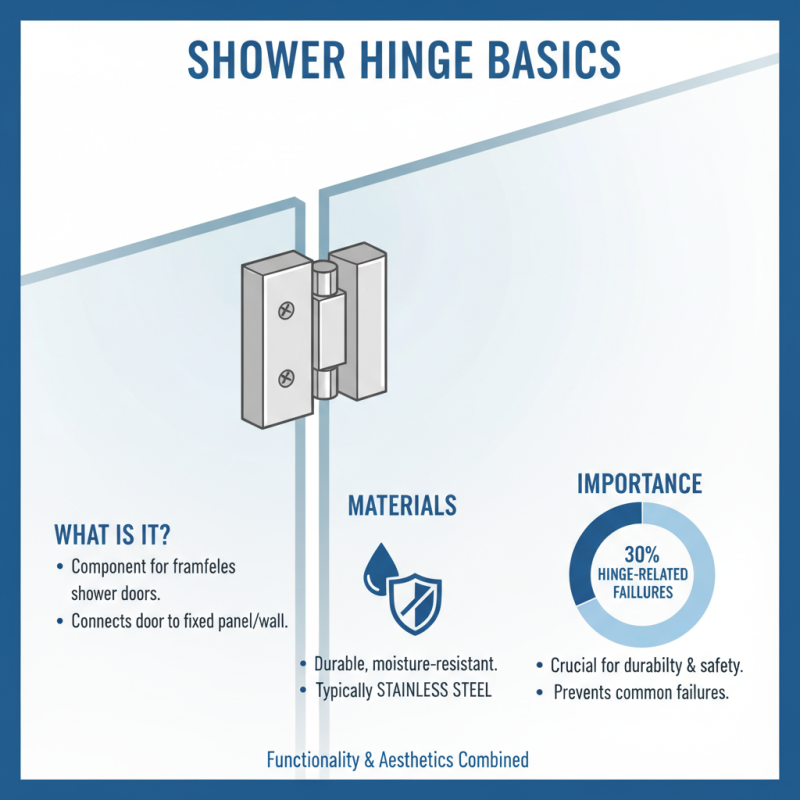
A shower hinge is a crucial component in frameless shower doors. It offers both functionality and aesthetic appeal. Typically made from durable materials like stainless steel, these hinges are designed to withstand moisture and repeated use. According to industry reports, nearly 30% of shower door failures stem from hinge-related issues, underscoring their importance in bathroom installations.
The mechanism of a shower hinge allows for smooth door movement. Most designs enable a door to pivot, creating a seamless entry and exit. Proper installation is vital, as misaligned hinges can lead to premature wear or door misalignment. In the U.S. market, about 65% of homeowners prefer frameless designs, further increasing the demand for reliable shower hinges.
While many options exist, not all hinges perform equally. It’s essential to consider factors like weight capacity and longevity. Some manufacturers conduct rigorous testing, but inconsistencies can arise. This creates a need for consumers to research and consult professionals before making a purchase. Balancing quality and cost is an ongoing challenge for homeowners and builders alike.
Components of a Shower Hinge
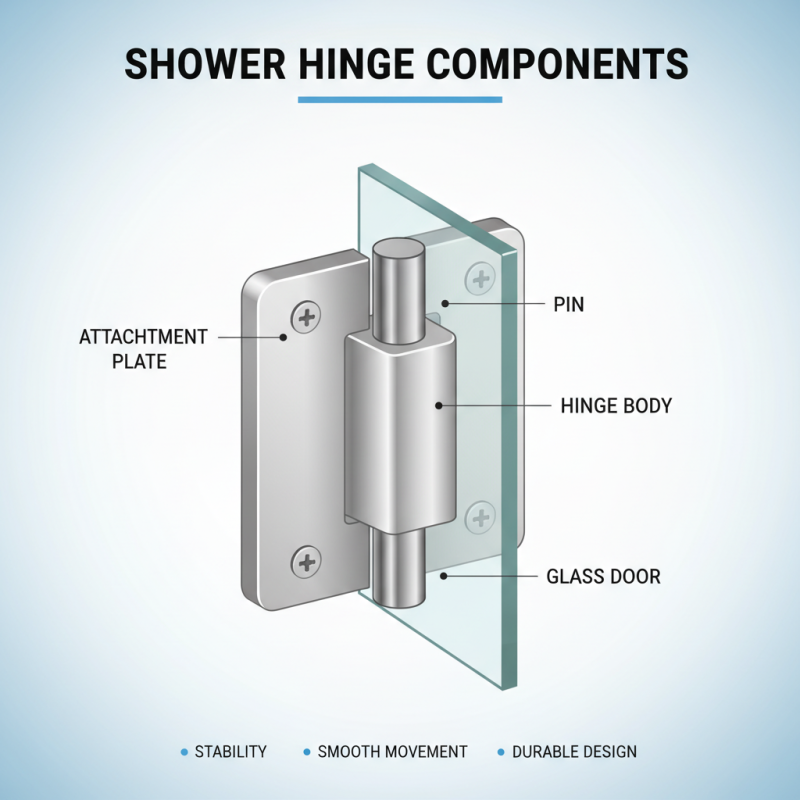
Shower hinges are essential for the proper function of glass shower doors. Understanding their components helps in appreciating their design. A typical shower hinge includes several parts: the hinge body, pin, and attachment plates. These components work together to provide stability and allow smooth door movement.
The hinge body is a crucial element, often made of stainless steel for durability. It typically measures between 1.5 to 3 inches in diameter. The hinge pin serves as the pivot point for the door and is designed to withstand significant weight. A report from the International Glass Association reveals that the failure rate of shower hinges can be significantly reduced with proper installation and quality materials.
It’s interesting to note that many homeowners overlook the importance of maintenance. Over time, hinges may develop corrosion, especially in high-humidity environments. Regular checks can prevent costly repairs. A survey from the American Shower Association indicates that nearly 30% of homeowners experience hinge-related issues due to neglect. Integrating simple maintenance routines can enhance the lifespan of shower hinges significantly.
How Shower Hinges Function
Shower hinges play a crucial role in the functionality of glass shower doors. They serve as the pivot points that allow the door to swing open and closed smoothly. Typically made of sturdy materials like brass or stainless steel, they are designed to endure the humid bathroom environment. Proper installation is essential; misalignment can lead to frustrating issues.
The way shower hinges function is fascinating. They allow for a full range of motion, making entry and exit easy. When the door swings, the hinges bear the weight and maintain stability. However, if they are not maintained, they can develop rust or corrosion. Regular inspection can help mitigate such issues. Ensuring they are well-lubricated can extend their lifespan. Sometimes, users overlook this simple task, leading to unnecessary repairs. A little attention goes a long way. And while shower hinges might seem minor, their reliable function is paramount for daily convenience.
Shower Hinges Performance Analysis
Types of Shower Hinges Available
Shower hinges are essential components that facilitate the operation of shower doors. They can influence both functionality and aesthetics. Various types of shower hinges cater to different design needs and operational demands. One common type is the pivot hinge, allowing the door to swing open and closed from a single point. This type is widely favored for its sleek appearance and effectiveness in small spaces. According to a recent industry report, the pivot hinge market is projected to grow by 4.5% annually through 2027, indicating stable demand.
Another popular option is the continuous hinge, which runs the entire height of the door. This design provides enhanced durability and security, an important factor for heavy glass doors. Markets in Europe and North America show a significant shift towards these hinges, with nearly 35% of shower door installations utilizing them. Furthermore, some models offer adjustable features, allowing users to align the door correctly post-installation. Still, improper installation can lead to issues such as misalignment or excessive wear, suggesting a need for careful attention when selecting and installing these hinges.
Lastly, hydraulic hinges offer smooth operation with minimal noise, which many homeowners find appealing. They use a hidden mechanism to create a seamless look and often come with soft-close capabilities. The choice of hinge often reflects personal style while balancing functionality needs. Every type has its pros and cons, emphasizing the importance of informed decision-making in bathroom renovations.
Installation and Maintenance Tips for Shower Hinges
Shower hinges are crucial for glass doors. They not only allow smooth operation but also support the weight of the door. Proper installation is key to avoid issues like misalignment or leaks.
When installing shower hinges, ensure a level surface. Use a drill to create precise holes for the screws. It's essential to choose the right size and type of screws to withstand moisture. Remember, incorrect screw placement can lead to instability. The hinges should be adjusted to match the door's weight and size.
Maintenance is equally important for longevity. Regularly check for rust or corrosion. Wipe the hinges with a damp cloth to remove soap scum. If you notice any wear, replace them immediately. A well-maintained hinge enhances the functionality of your shower door. Pay attention to unusual noises when opening or closing. This often indicates something needs fixing or replacing. Regular inspections can save time and costs down the line.
What is a Shower Hinge and How Does It Work? - Installation and Maintenance Tips for Shower Hinges
| Dimension |
Description |
Key Features |
Maintenance Tips |
| Material |
Typically made of brass, stainless steel, or plastic. |
Durable, resistant to rust, and various finish options available. |
Clean regularly with mild soap and water. |
| Weight Limit |
Hinges are rated for specific weight loads. |
Ensure the hinge matches door weight for longevity. |
Check for wear and tear periodically. |
| Installation |
Requires precise alignment and installation instructions. |
Different types for various door configurations. |
Follow manufacturer’s instructions strictly. |
| Maintenance Interval |
Recommended inspection every 6 months. |
Helps to prevent issues before they arise. |
Lubricate moving parts as needed. |