Top 10 Bath Fittings You Need for Your Next Bathroom Upgrade?
Upgrading your bathroom is a significant decision. It involves selecting the right bath fittings to enhance functionality and aesthetics. According to a recent industry report, the global bathroom fittings market is projected to reach $112.4 billion by 2027, growing at a CAGR of 8.7%. This steady growth highlights the increasing importance of quality and design in bath fittings.
Choosing the right bath fittings can transform an average bathroom into a modern retreat. Factors such as water efficiency and style are crucial. A recent survey indicated that over 70% of homeowners prioritize eco-friendly options in bath fittings. However, with so many available options, it’s essential to focus on what suits your needs best. Not every fitting is suitable for every bathroom layout, and mistakes can lead to unforeseen frustrations.
Investing in the right fittings is not just about aesthetics. Quality bath fittings can improve water flow and increase overall longevity. However, many homeowners overlook this in a rush to finalize designs. Reflecting on your choices can lead to a truly satisfying upgrade for your space. Prioritize functionality, and you will create a bathroom you love.
The Importance of Quality Bath Fittings in Bathroom Design
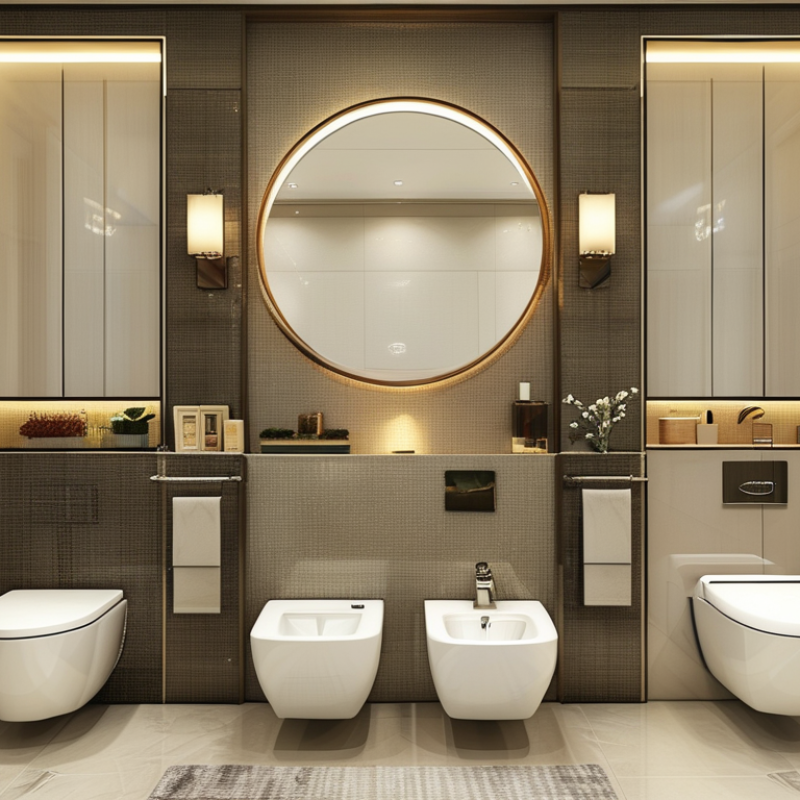
When upgrading your bathroom, the choice of fittings can significantly impact both aesthetics and functionality.
Quality bath fittings are crucial for creating a cohesive and stylish design. They can enhance the overall look of the space while also ensuring durability.
A well-chosen faucet or shower head can act as a focal point and elevate the room's ambiance.
Moreover, investing in reliable fittings can save money in the long run. Cheap fittings may seem cost-effective initially, but they often lead to leaks or maintenance issues.
This can result in more significant expenses down the road. It’s essential to consider not just the appearance but also the material and craftsmanship.
Look for options that combine elegance with practicality.
Choosing the right fittings requires careful thought. It's easy to fall into the trap of focusing solely on trends.
Some designs may look appealing but may not suit your needs or space. Reflecting on personal preferences and lifestyle is vital.
While aesthetics matter, comfort and usability should always take precedence in your selection.
Top Trends in Bathroom Fixtures for Modern Homeowners
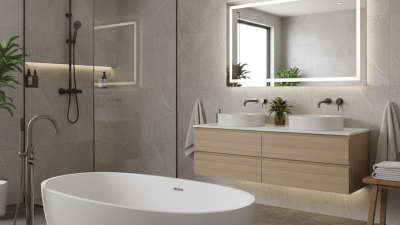
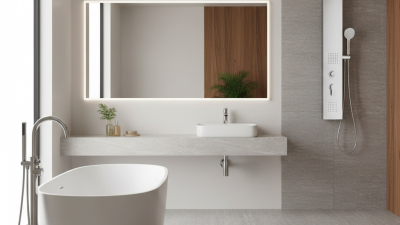
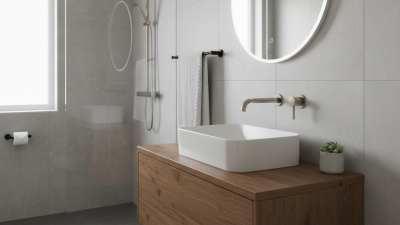
Updating your bathroom offers a chance to blend style with functionality. Modern homeowners are embracing minimalist designs. Clean lines and subtle colors dominate the scene. Sleek fixtures enhance the overall aesthetic. Simple elements can yield a dramatic effect.
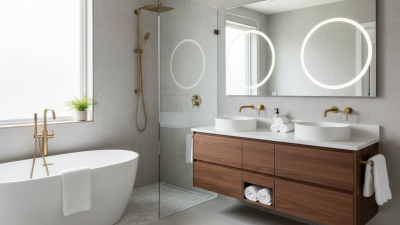
Sustainability is a major trend. Homeowners seek water-saving faucets and eco-friendly materials. This not only benefits the planet but also reduces bills. Textured surfaces, like matte finishes, bring warmth and personality. Mixing metals has become popular, adding depth and interest to the space.
Incorporating smart technology is transformative. Touchless faucets and LED mirrors provide convenience and innovation. However, expensive technology can be overwhelming. Balancing high-tech features with user-friendly designs is essential. Assessing the actual need before investing helps make better choices. Thoughtful planning ensures a bathroom upgrade that truly reflects your lifestyle.
Top 10 Bath Fittings You Need for Your Next Bathroom Upgrade
This chart illustrates the popularity of various bath fittings among modern homeowners, highlighting essential fixtures that can elevate any bathroom upgrade. The data reflects current trends and preferences, helping you make informed decisions for your next renovation.
Key Features to Look for in High-Performance Bath Fittings
When upgrading your bathroom, choosing the right bath fittings is essential. High-performance fixtures can significantly enhance both functionality and aesthetic appeal. According to market research from *Grand View Research*, the global bathroom fittings market size is expected to reach $82.68 billion by 2025. This growth reflects a rising focus on quality and performance in home renovations.
Key features to seek include water efficiency and durability. Look for fittings that comply with standards such as EPA WaterSense, which can save up to 20% more water than average products. A study by the *U.S. Environmental Protection Agency* revealed that water-saving fixtures can significantly reduce household water usage. Additionally, robust materials like brass and stainless steel not only resist corrosion but also ensure longevity. Many consumers often overlook maintenance, which can lead to costly replacements.
Technology integration is another vital aspect. Smart faucets and shower systems provide unparalleled convenience and efficiency. Recent data indicates that 60% of homeowners prefer automated systems that enhance user experience. Enhanced features, such as touchless operation or integrated temperature controls, make daily routines smoother. It's worth considering, however, that advancements may come with higher upfront costs, requiring evaluation of long-term benefits versus initial investments.
Top 10 Bath Fittings You Need for Your Next Bathroom Upgrade
| Bath Fitting Type |
Key Features |
Material |
Finish Options |
Price Range |
| Faucets |
Temperature Control, WaterSense Certified |
Brass |
Chrome, Matte Black |
$80 - $500 |
| Showerheads |
Adjustable Settings, Eco-Friendly |
ABS Plastic, Stainless Steel |
Polished Nickel, Brushed Bronze |
$30 - $200 |
| Bathtubs |
Freestanding, Jet Function |
Acrylic, Cast Iron |
White, Matte Black |
$400 - $3000 |
| Vanities |
Storage Space, Countertop Integrated Sink |
Wood, MDF |
Walnut, White Gloss |
$300 - $1200 |
| Toilets |
Dual Flush, Comfort Height |
Ceramic |
White, Bone |
$150 - $800 |
| Mirrors |
LED Lighting, Anti-Fog |
Glass |
Frameless, Wood Framed |
$50 - $400 |
| Towel Bars |
Multi-Use, Rust Resistant |
Stainless Steel |
Polished, Matte |
$15 - $75 |
| Shower Caddies |
Rustproof, Adjustable |
Plastic, Metal |
Chrome, Matte Black |
$20 - $100 |
| Plumbing Fixtures |
Leak-Proof, Easy Installation |
Copper, PVC |
N/A |
$10 - $300 |
| Bath Accessories |
Non-Slip, Easy Clean |
Various |
Colorful, Textured |
$5 - $50 |
Cost vs. Value: Investing in Durable Bathroom Accessories
When upgrading your bathroom, understanding the cost versus value of accessories is crucial. A recent industry report shows that investing in high-quality bath fittings can yield a return of up to 70% on resale value. Low-quality options may save you money upfront but can lead to frequent replacements, ultimately costing more.
Durability is key. Research indicates that durable fixtures can last up to 15 years longer than cheaper alternatives. This means less hassle and fewer disruptions in your daily routine. Water-efficient faucets and showerheads may cost more initially but can reduce water bills by up to 30%. Prioritizing longevity and efficiency often brings better satisfaction in the long-term.
Choosing the right accessories involves both style and functionality. Even within a budget, it's possible to find stylish pieces. However, not all aesthetic options are built to last. Look for those with solid warranties and positive customer reviews. Pay attention to installation requirements too; complexity can negate savings on cheaper products. This reflects the balance needed between immediate savings and future returns.
Sustainability in Bath Fixtures: Eco-Friendly Options on the Market
Sustainability is becoming essential in bathroom design, especially in bath fixtures. Many homeowners seek eco-friendly options that conserve water and energy. According to the World Wildlife Fund, a standard bathroom can account for up to 30% of household water use. Choosing the right fixtures can significantly reduce this footprint.
Water-efficient faucets and showerheads can save up to 30% more water than traditional models. The EPA's WaterSense program certifies these fixtures, ensuring they meet strict efficiency criteria. You can find options that offer both performance and sustainability. Dual-flush toilets are another innovative choice, allowing users to select water usage based on needs.
However, navigating the eco-friendly market can be challenging. Some consumers may struggle to identify truly sustainable products. It's crucial to look for certifications and research materials. Many products that claim to be green lack transparency. Balancing style and sustainability is often a complex task. Not all eco-friendly materials are durable, which can lead to frequent replacements. As trends evolve, finding the perfect blend of aesthetics and functionality remains a journey for many homeowners.